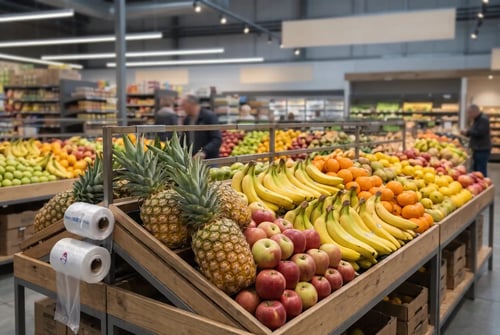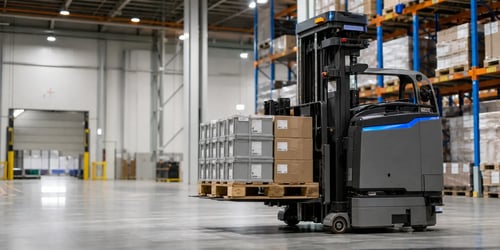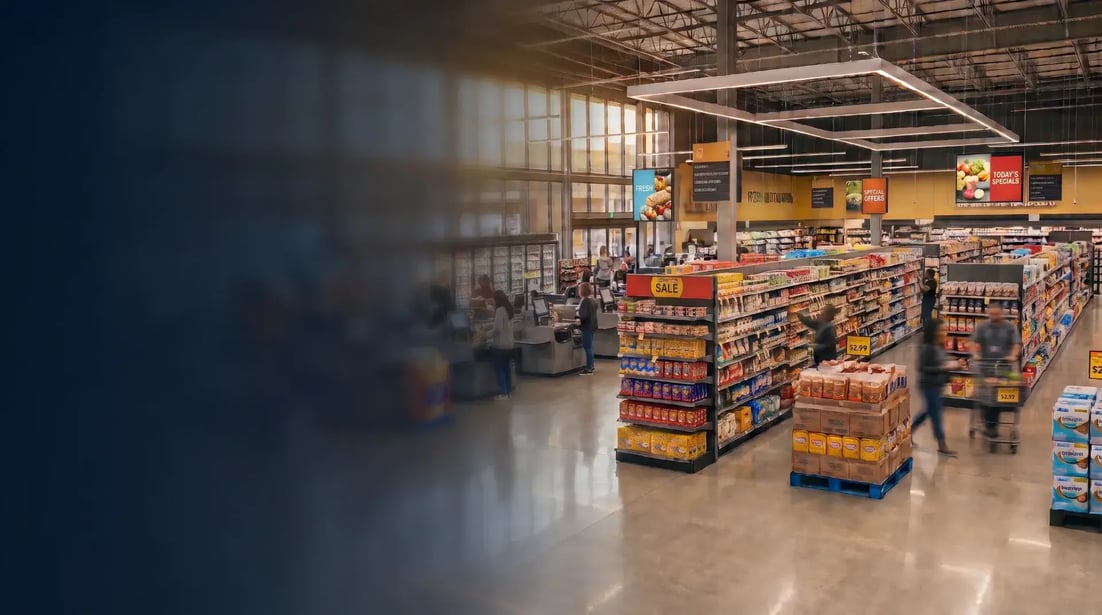

main banner

Comprehensive SAP Solutions for the Retail Industry

LeverX helps U.S. retailers modernize operations with SAP solutions for merchandising, inventory management, supply chain planning, warehouse operations, omnichannel fulfillment, and system integration.

We tailor SAP capabilities to your retail business model, existing technology landscape, and growth objectives.

LeverX — Your Strategic SAP Partner for Retail

Modernize retail operations with SAP expertise tailored to complex supply chains, changing customer expectations, and multiple sales channels. LeverX helps retailers connect enterprise systems, improve inventory visibility, streamline fulfillment, and make better-informed business decisions.

Our services cover:

  • SAP S/4HANA consulting, implementation, and migration
  • Retail process optimization and business transformation
  • Inventory, replenishment, and supply chain management
  • Warehouse and transportation management
  • Omnichannel integration across stores, e-commerce, and fulfillment
  • SAP integration with POS, e-commerce, and third-party platforms
  • Data analytics, custom development, and application management
20+
Years of SAP Expertise
F500
Trusted by Fortune 500 Companies
SAP
Center of Excellence
Advanced
Retail Industry Expertise

Challenges We Help Retailers Solve

Retailers must coordinate purchasing, inventory, pricing, sales, and fulfillment across an increasingly complex network of stores, distribution centers, suppliers, and digital channels. LeverX helps address these challenges by aligning SAP capabilities with your operational and commercial priorities.
Search

Inventory visibility and availability

Disconnected inventory data makes it harder to maintain accurate stock levels, prevent stockouts, and avoid excess inventory. Integrated inventory and replenishment processes help retailers coordinate stock across stores, warehouses, and online channels.

3d-cube

Demand forecasting and seasonal planning

Promotions, holidays, changing consumer preferences, and seasonal demand can make inventory planning difficult. Connected planning processes help retailers align purchasing, replenishment, and fulfillment with expected demand.

Roadmap

Omnichannel fulfillment complexity

Customers expect consistent product availability and flexible fulfillment across stores and online channels. Retailers need to coordinate orders, inventory, picking, shipping, and returns across multiple locations and systems.

Save-money-1

Pricing, promotions, and margin management

Retailers must balance competitive pricing, promotional activity, supplier costs, and profitability. Connected sales, purchasing, inventory, and financial data helps business teams evaluate margins and make informed pricing decisions.

Swap-2

Fragmented systems and operational data

POS, e-commerce, warehouse, ERP, and customer-facing systems may operate independently. Integrating these platforms helps reduce manual reconciliation and establish more consistent information flows across retail operations.

Transportation-1

Supply chain and logistics costs

Distribution networks depend on efficient warehouse execution, accurate transportation planning, and reliable supplier coordination. Connected SAP processes help retailers improve logistics visibility, coordinate deliveries, and identify opportunities to reduce operational costs.

SAP Solutions for Retail

SAP offers a suite of solutions that helps retailers manage the entire sales cycle - from purchasing and planning to customer experience and data analytics. These tools improve operational efficiency, enhance customer engagement, and drive sales growth.

Sales and operational process management

SAP provides solutions that optimize operations, which can support higher sales through better execution, by:

  • Centralizing retail operations to improve efficiency and transparency.
  • Managing inventory and sales in real time to meet customer demand.
  • Enabling precise demand planning and forecasting to adapt to market changes.
  • Connecting planning and execution processes.

Customer experience management

SAP provides solutions that help retailers create personalized shopping experiences and strengthen customer engagement by:

  • Delivering consistent interactions across stores, E-commerce, and mobile channels.
  • Using customer data to personalize offers, promotions, and recommendations.
  • Growing digital commerce channels to meet changing shopper expectations.
  • Building trust and loyalty through data-driven engagement and responsive service.

Purchasing and supply management

SAP provides solutions that streamline purchasing and supplier engagement by:

  • Automating purchasing workflows to reduce manual effort and errors.
  • Enhancing supplier engagement and collaboration for stronger partnerships.
  • Ensuring compliance, transparency, and cost efficiency across procurement processes.
  • Optimizing inventory availability with real-time visibility into supply.
  • store

    Automate procurement processes to reduce costs and improve the efficiency of sourcing, supplier qualification, contract management, invoicing, and payments.

  • building-2

    Collaborate with suppliers, logistics providers, and partners in real time to improve supply chain visibility and resilience.

  • package-search

    Manage requisitions, contracts, and invoices natively in SAP S/4HANA.

Data analytics and integration

SAP provides solutions that help retailers transform data into actionable insights and integrate processes by:

  • Analyzing large volumes of business, financial, and operational data in real time.
  • Visualizing KPIs and trends through interactive dashboards and reports.
  • Supporting predictive analytics and planning to anticipate future outcomes.
  • Enabling seamless integration of applications and data across the enterprise.
  • hand-coins

    Use data and applications to make informed decisions, integrate merchandising and supply chain processes, and optimize store and E-commerce operations.

  • chart-no-axes-combined

    Visualize data and gain actionable insights to improve performance across retail channels.

  • git-fork

    Consolidate data from POS, ERP, and online platforms to create a single view of retail operations and customer behavior.

  • brain-circuit

    Orchestrate data from suppliers, logistics partners, and customer interactions to unlock value across the retail value chain.

HR management

SAP helps retailers create smooth employee experiences by:

  • Onboarding seasonal staff quickly and preparing them with the right skills for customer-facing roles.
  • Making scheduling and time tracking simple, transparent, and compliant with labor regulations.
  • Keeping all employee information in one place to support efficient workforce management.

Finance

SAP facilitates keeping finances under control by:

  • Unifying financial processes to gain a clear view of costs, revenues, and store performance in real time.
  • Simplifying planning, budgeting, and forecasting to quickly adapt to market changes.
  • Managing liquidity and reducing financial risks while staying compliant with regulations.

Asset management

SAP helps retailers take care of their assets and keep operations running smoothly by:

  • Increasing equipment uptime with predictive maintenance and IoT insights for store, warehouse, and logistics assets.
  • Enhancing reliability and safety through advanced analytics and real-time performance monitoring.
  • Optimizing maintenance execution with mobile-enabled field service to fix issues quickly.
  • Prioritizing and controlling investments in large-scale retail projects, such as new store openings or warehouse expansions.
  • Streamlining resource scheduling for maintenance and operations to reduce downtime and costs.

Product Lifecycle Management

SAP helps retailers design, develop, and manage products more efficiently by:

  • Accelerating product development cycles to bring new collections and assortments to market faster.
  • Collaborating seamlessly with suppliers and partners on product designs, materials, and packaging.
  • Ensuring product compliance and traceability across the lifecycle, from design to shelf.
  • Embedding sustainability into product development to meet customer expectations and regulatory standards.
  • Managing product data centrally to ensure accuracy across merchandising, supply chain, and sales channels.

SAP Solutions for Different Retail Business Models

Retail businesses have different requirements depending on their products, channels, fulfillment models, and supply chains. LeverX helps select SAP capabilities that address the specific needs of each retail segment.

Grocery stores and supermarket chains

Coordinate high inventory turnover, replenishment, supplier purchasing, distribution, and store operations.

  • Inventory availability - Improve visibility into stock across stores and distribution centers.
  • Fresh and perishable products - Support relevant stock rotation, expiration-date, and product-handling processes.
  • Demand planning - Align replenishment and purchasing with seasonal patterns, promotions, and sales demand.
  • Distribution and logistics - Connect warehouse operations, transportation, and store deliveries.

Electronics and appliance retailers

Coordinate complex product assortments, inventory, order fulfillment, and delivery services.

  • Product information - Maintain consistent product data across enterprise and sales systems.
  • Inventory visibility - Track availability across stores, distribution centers, and online channels.
  • Order and delivery management - Connect purchasing, fulfillment, transportation, and customer-facing systems.
  • After-sales processes - Integrate relevant service, warranty, and customer support applications where required.

Home improvement, furniture, and DIY retailers

Manage large assortments, bulky products, configurable items, and delivery-dependent purchases.

  • Complex assortments - Coordinate product and material information across departments and locations.
  • Warehouse management - Support receiving, storage, picking, and dispatch processes.
  • Delivery coordination - Connect transportation planning with order fulfillment and customer delivery requirements.
  • B2B and B2C operations - Support different order, pricing, and fulfillment workflows within the same business environment.

Apparel, footwear, and fashion retailers

Manage seasonal assortments, product variants, supplier coordination, and sales across stores and digital channels.

  • Product and assortment data - Coordinate product attributes, sizes, colors, and seasonal collections.
  • Inventory planning - Improve stock visibility across stores, warehouses, and online channels.
  • Omnichannel fulfillment - Connect online orders with store and distribution center inventory.
  • Commercial analysis - Support visibility into sales performance, product availability, and margins.

Health, beauty, and pharmacy retail

Coordinate product availability, supplier relationships, inventory, and relevant product information.

  • Inventory management - Improve visibility into stock across stores and distribution centers.
  • Product traceability - Connect relevant batch and product information where applicable.
  • Procurement and replenishment - Coordinate purchasing and availability across the retail network.
  • Data and reporting - Support visibility into sales, inventory, and operational performance.

Wholesale and multi-location retail networks

Coordinate purchasing, sales, inventory, pricing, and logistics across multiple facilities and business units.

  • Centralized business processes - Connect procurement, sales, finance, and inventory information.
  • Multi-location operations - Improve visibility into stock and movements across distribution centers.
  • Customer and supplier coordination - Integrate relevant commercial and procurement workflows.
  • Financial reporting - Improve visibility into costs, margins, and operating performance.

AI and Analytics for Retail

Retailers generate data across sales, purchasing, inventory, logistics, and customer interactions. With suitable data quality, architecture, and governance, analytics and AI-enabled capabilities can help teams identify patterns and improve operational decisions.

Demand Forecasting

Analyze historical sales, seasonality, promotions, and available demand signals to support forecasting and replenishment decisions.

Inventory and Replenishment Insights

Use stock, sales, and supply information to identify availability risks, slow-moving products, and potential inventory imbalances.

Pricing and Promotion Analysis

Evaluate sales performance, margins, promotional activity, and inventory conditions to support commercial planning.

Customer and Sales Analytics

Bring together relevant sales-channel and customer information to help teams understand purchasing behavior and assess engagement opportunities.

Supply Chain and Logistics Analytics

Analyze transportation, warehouse, supplier, and delivery information to identify recurring bottlenecks and operational improvement opportunities.

Workflow Automation

Evaluate opportunities to automate reporting, approvals, exception handling, and repetitive administrative processes using suitable SAP and complementary technologies.

LeverX helps assess AI use cases, data readiness, integration requirements, and governance. Specific capabilities depend on the selected SAP products, available data, and implementation scope.

Benefits of SAP Solutions for Retailers

Connected retail operations

Coordinate purchasing, inventory, sales, finance, and logistics through integrated enterprise processes.
Better inventory visibility

Improve access to stock information across stores, warehouses, and online channels to support availability and replenishment decisions.
More coordinated fulfillment

Connect order management, warehouse execution, and transportation processes to support reliable delivery across retail channels.
Improved planning and cost control

Align procurement, demand, inventory, and operational data to help retailers identify cost drivers and make informed decisions.
A scalable foundation for transformation

Build on connected SAP capabilities to support new channels, additional locations, evolving customer requirements, and future digital initiatives.
More consistent customer experiences

Integrate relevant information across online and physical channels to support consistent product availability, order handling, and customer interactions.
Better operational and financial insights

Connect sales, purchasing, logistics, and financial information to improve reporting and visibility into business performance.

Our Approach to SAP Transformation for Retailers

LeverX follows a structured approach to align SAP capabilities with your retail business model, technical landscape, and operational priorities.
Search

1. Assess the current landscape

We review your existing SAP environment, retail processes, data structures, integrations, inventory workflows, and business challenges to identify improvement opportunities.
Roadmap

2. Define the target architecture

We identify suitable SAP capabilities and integration patterns based on your business model, sales channels, warehouse network, and transformation goals.
Integration-1

3. Design and configure processes

We align procurement, inventory, sales, fulfillment, finance, and other relevant workflows with the agreed solution scope.
Swap-2

4. Integrate systems and prepare data

We connect SAP with relevant POS, e-commerce, warehouse, transportation, supplier, and other enterprise systems. We also prepare and validate the data required for the implementation.
Quality

5. Test end-to-end scenarios

We validate business processes, integrations, data flows, and exceptions across relevant retail scenarios before deployment.
Challenge1

6. Deploy and optimize

We coordinate deployment, user training, and operational handover. After go-live, we help identify opportunities to improve system performance, process adoption, data quality, and operational visibility.

Why Choose LeverX for SAP Solutions in Retail?

SAP expertise across the retail value chain

We combine SAP implementation and integration capabilities across ERP, procurement, inventory, warehouse operations, transportation, finance, and analytics.

Understanding of retail business models

We account for the different requirements of grocery chains, specialty retailers, omnichannel businesses, and wholesale networks when defining the target solution.

Integration across retail systems

We assess how SAP should exchange information with POS, e-commerce, warehouse, transportation, customer engagement, and other business applications.

Business-focused transformation

We align technology decisions with inventory requirements, fulfillment models, commercial priorities, and business objectives.

Scalable and maintainable SAP landscapes

We prioritize standard SAP capabilities where they meet business requirements and evaluate extensions where additional functionality is needed.

Support throughout the SAP lifecycle

From initial assessment and architecture through implementation, integration, and ongoing optimization, we tailor our services to your requirements.
Transforming accounting and business processes for Makro
LeverX helped Makro, a major supermarket chain, align financial processes with IFRS and optimize accounting, procurement, sales, logistics, and controlling in SAP ERP. The project increased warehouse turnover by 20% and cut document processing time by 40%.


Makro-prev