













High operational costs
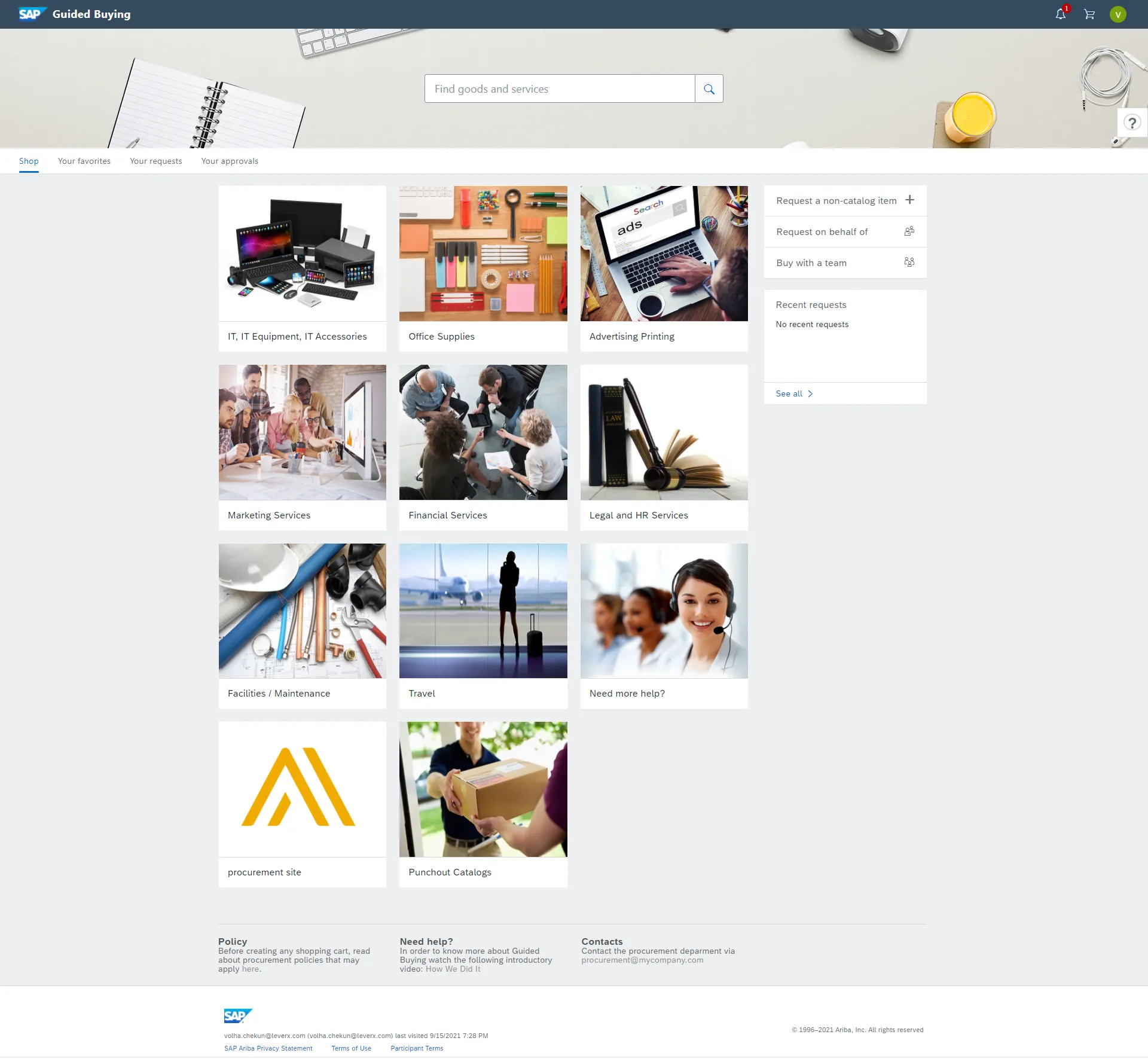
SAP Ariba helps minimize extra costs in your company's procurement processes by setting up and emphasizing intelligent cash flow requirements.

Lack of Visibility
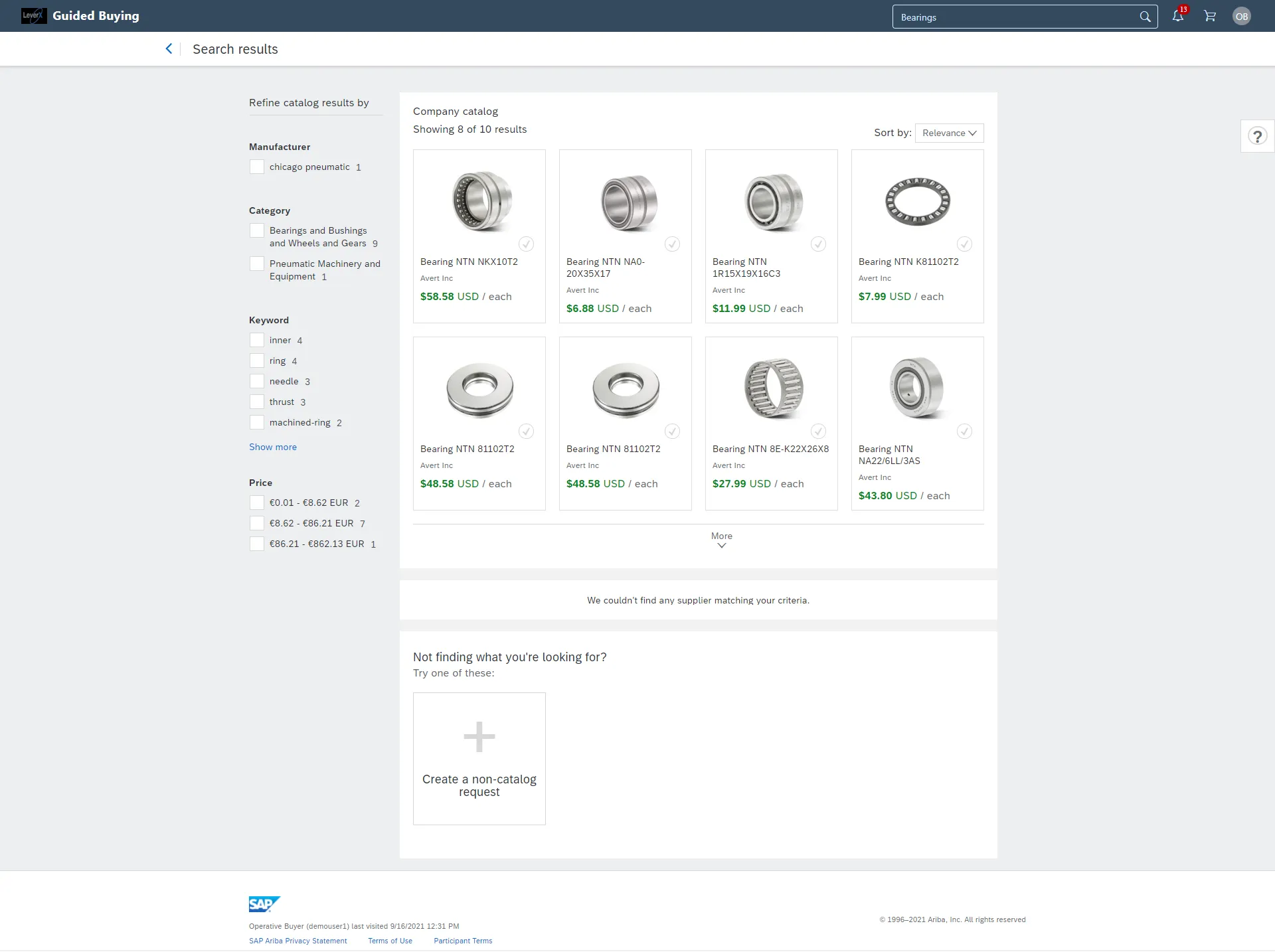
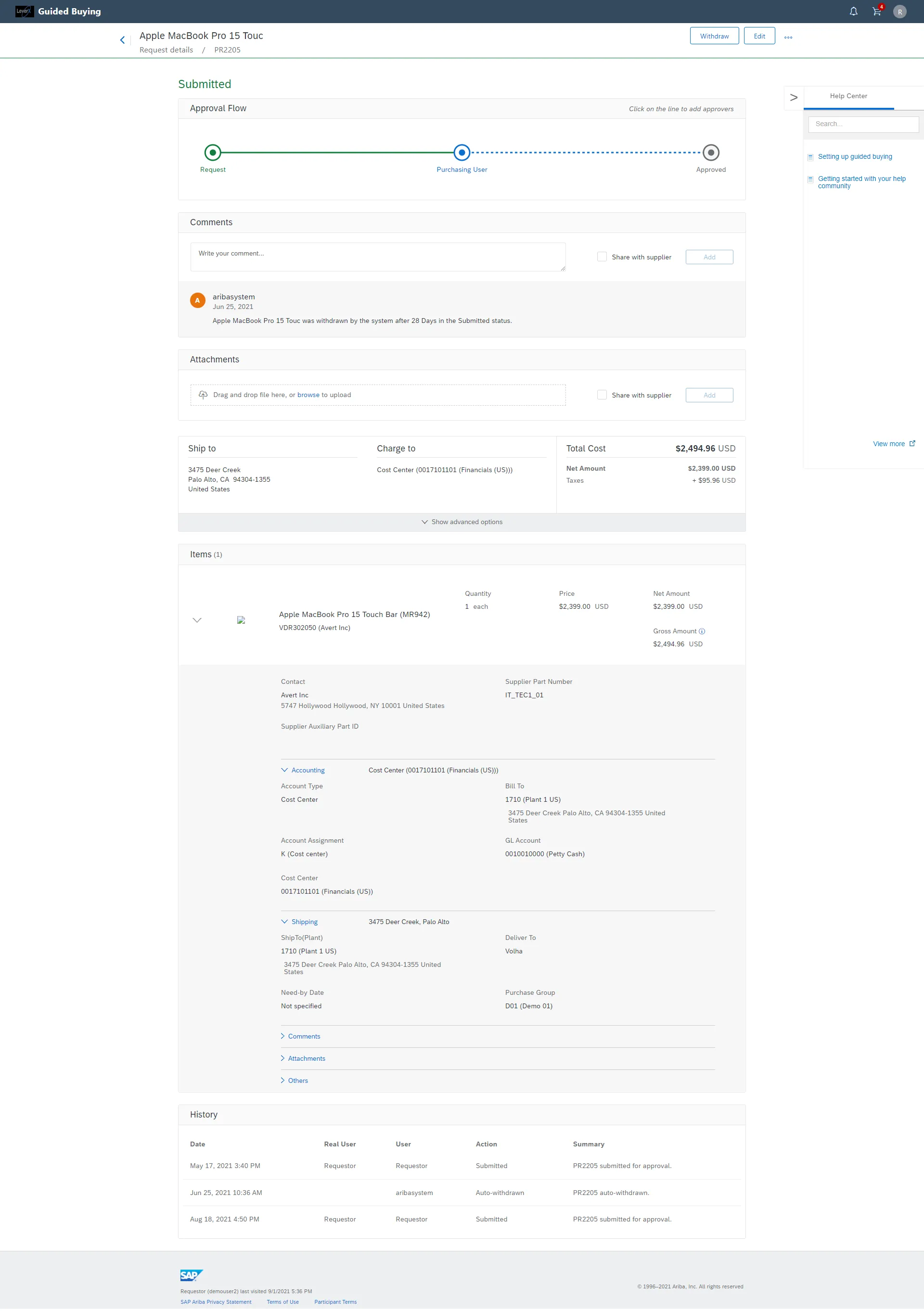
SAP Ariba enhances procurement visibility, providing insights into supplier performance, pricing, contract compliance, and spending. This enables better decision-making, collaboration, and control over procurement activities.

Lack of Data Insights
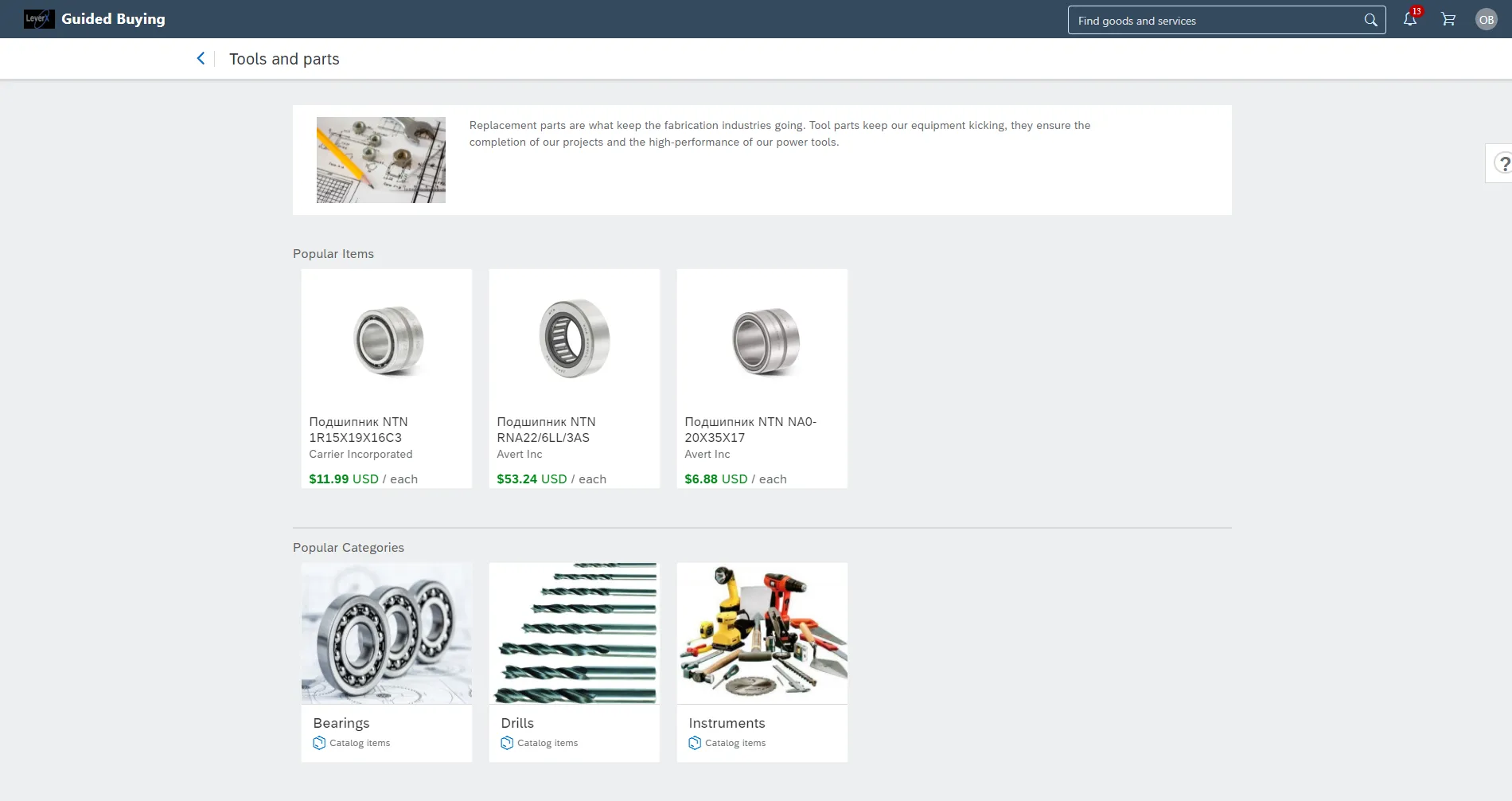
SAP Ariba offers robust analytics and reporting capabilities, allowing organizations to leverage procurement data for insights, such as spend analysis, supplier performance, savings opportunities, and benchmarking. It supports data-driven decision-making and the identification of cost-saving opportunities.

Inefficient Processes
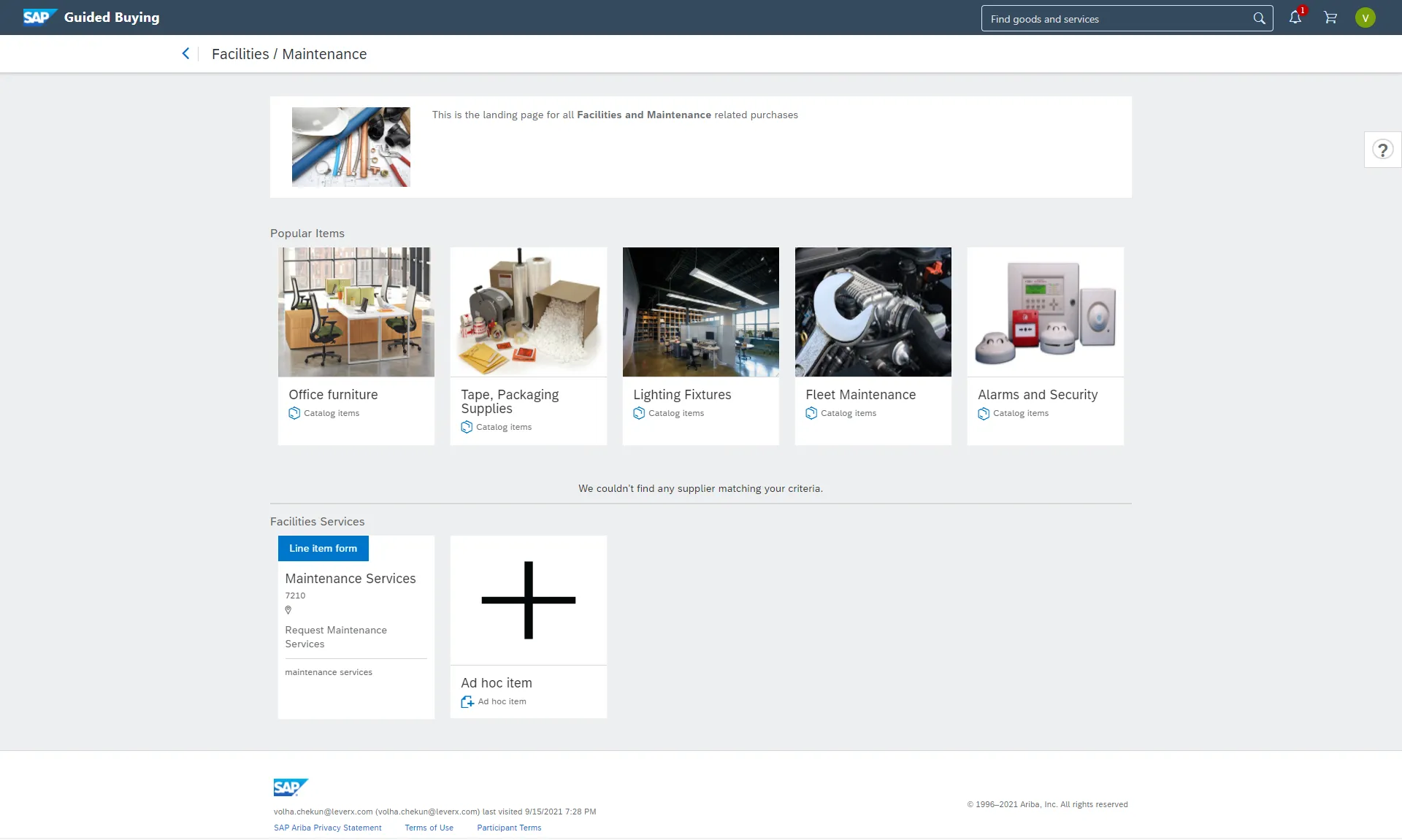
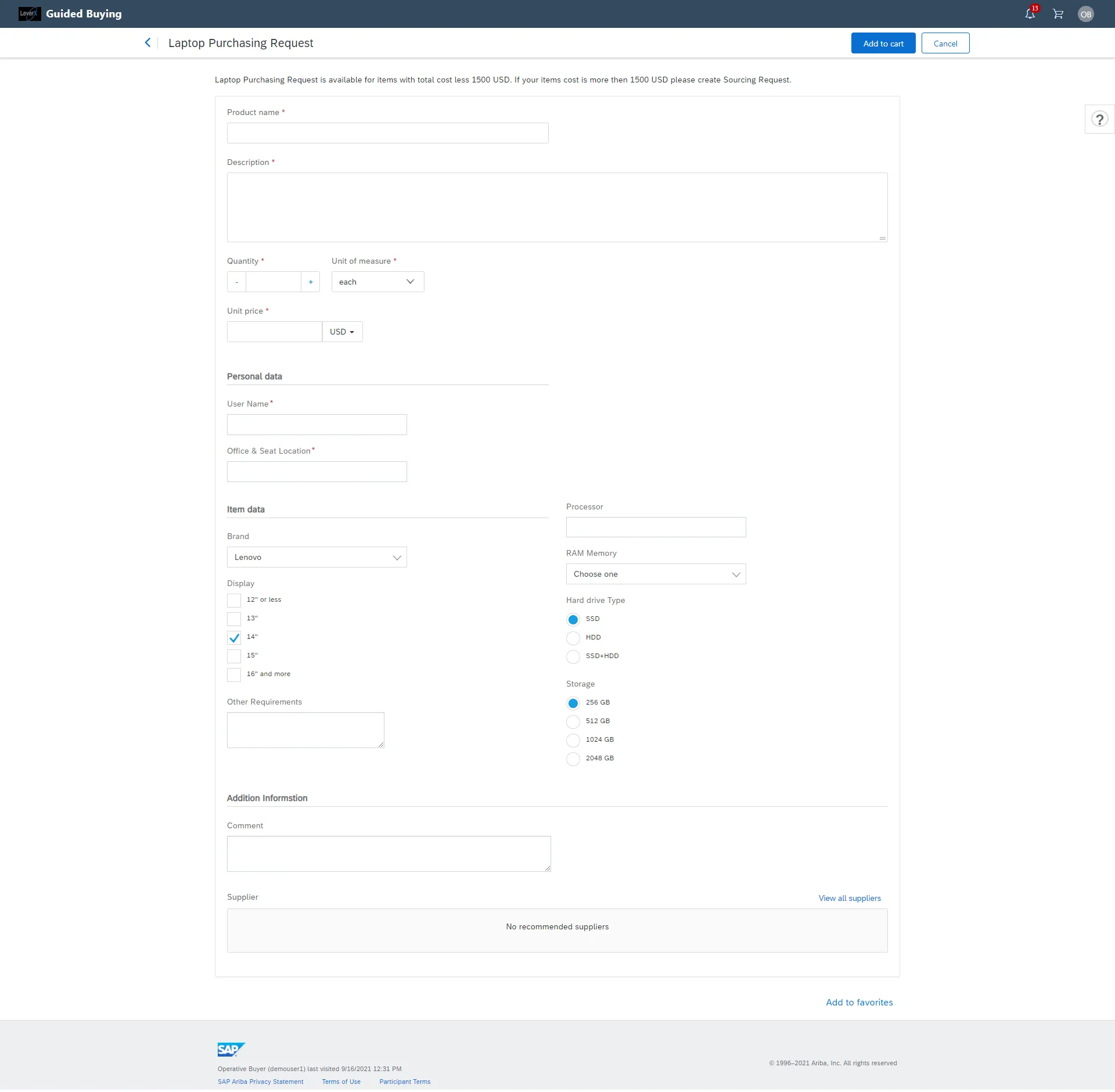
SAP Ariba automates and streamlines procurement processes, eliminating manual and paper-based tasks. It enables electronic requisitioning, approvals, purchase orders, and invoicing, improving process efficiency and cost savings.

Poor collaboration processes
SAP Ariba helps build collaboration plans that transform your vision into supply availability, automate repetitive tasks to minimize labor-related errors, and maintain real-time collaboration.

A lack of sustainability and purpose
Coordinate with sustainable and diverse suppliers, thus boosting investments flow. Attract more customers and ensure more significant levels of your employees' engagement.

Insufficient security strategies
Cover virtual procurement issues with digital tools that ensure information security at all levels, establish smooth collaboration across IT teams, and audit supplier cybersecurity

Inflexible and hard-to-adapt operating model
SAP Ariba is adaptable to various scenarios. Remain ready for the proliferation of digital tools and application of Agile techniques for enhanced value in a specific spend category.
Control Spending With an Intelligent Software Solution
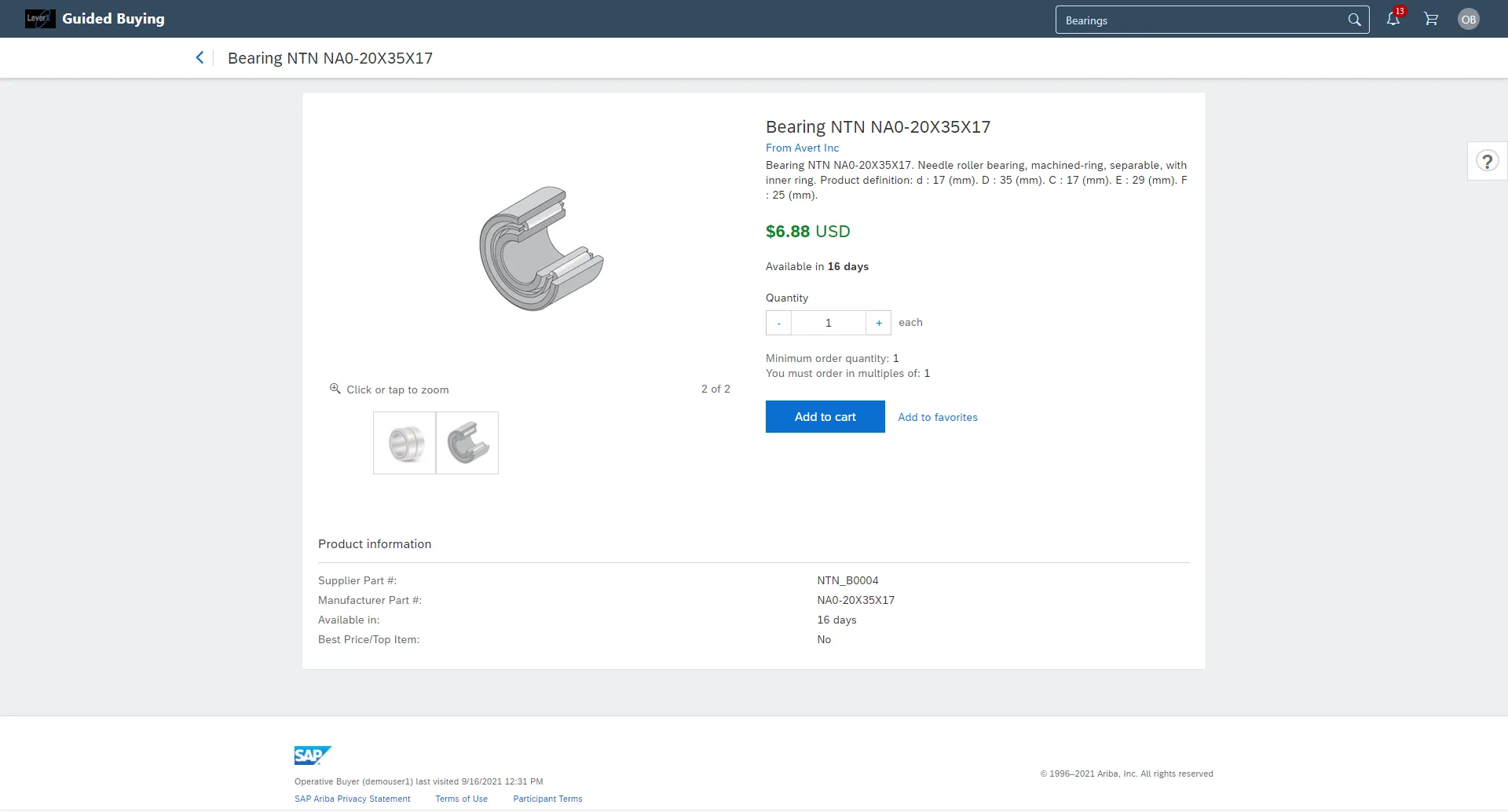
Increased transparency of procurement processes
Migration of the outdated system into SAP Ariba Cloud for a forest products manufacturer allowed for unifying procurement and logistics management processes, thus reducing human risk factors.

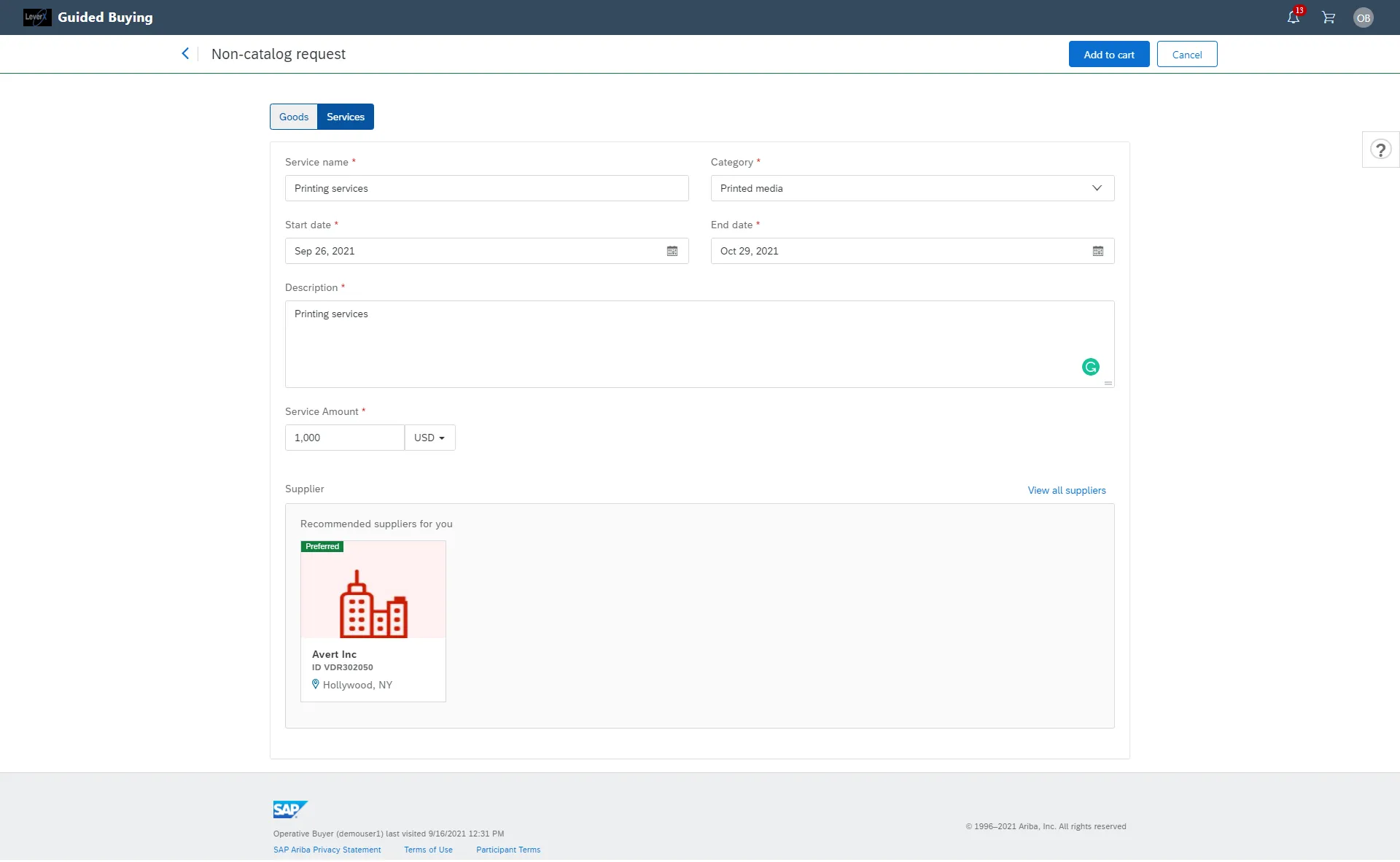
Auctions and Procurement Processes Simplification
The SAP Ariba Cloud solution helped a global manufacturer streamline procurement approval, facilitate tender procedures control, and enhance supplier selection in auctions.


Consulting
If you want to get started with SAP Ariba, would like to learn how to take better advantage of it, or want to customize it to better meet your needs, LeverX can help. We'll guide you in any SAP Ariba endeavor, ensuring you get the most out of the solution.

Implementation
Our team will assist you in deploying SAP Ariba solutions, configuring them to meet your business processes, and optimizing their performance.

Integration
LeverX integrates SAP Ariba solutions with your existing systems to ensure seamless data exchange and synchronization across your business processes.

Maintenance and support
With 24/7 professional support, our team ensures the stable operation of SAP Ariba solutions and provides quick resolution of any issues that may arise.

Application management
We continuously improve and refine your SAP Ariba solutions, monitor performance, and adapt the system to meet your evolving business needs.

Fiorization
Our experts will enhance your team's experience by implementing user-friendly and efficient interfaces based on SAP Fiori.

Security
LeverX provides comprehensive security services for SAP Ariba solutions, protecting against both external and internal threats to ensure data integrity.

SAP managed services
We offer a full range of managed services for SAP Ariba, including monitoring, technical support, updates, and optimization to keep your system effective and up-to-date.
Learn More About Our SAP Services
Industries We Serve
Leveraging our experience with SAP together with diverse industrial expertise, we’ll help you select solutions that will drive meaningful, long-term value for your company.


-min-2.jpg?length=500&upscale=true&name=cover_352%D1%85240%20(3)-min-2.jpg)
.webp?length=500&upscale=true&name=cover_300%D1%85175-min%20(4).webp)