Five real SAP ECC-to-S/4HANA migration programs from LeverX's case library: scope, duration, and before-and-after results, side by side.
A migration completed in three days sounds very different from one that took 11 months. Yet those figures may describe different parts of the work: a production cutover window in one case and the full migration project in another. Without that context, project references can create misleading expectations about schedules, scope, and results.
For organizations planning an SAP S/4HANA migration, the useful question is what makes a completed project comparable to their own. This article examines five LeverX projects across agricultural equipment distribution, manufacturing, telecommunications, utilities, and food retail. They cover SAP ECC conversion, post-acquisition ERP consolidation, and legacy ERP replacement, including a move to SAP Cloud ERP Private.
The comparison connects each client’s starting point with the delivery approach, timeline, and reported outcomes. It also identifies where public information is incomplete, helping you assess partner experience and build more realistic assumptions for your migration.
How Do the Five SAP Migration Projects Compare?
The projects below addressed different business needs. Read their timelines alongside their scope and reported outcomes, particularly where the reference distinguishes migration from cutover or post-go-live support.
|
Program |
Starting System |
Transition Approach |
Target Platform and Deployment |
Project Duration |
Cutover Window |
Reported Outcomes |
|
Eurasia Group Kazakhstan |
SAP ECC |
System conversion |
SAP S/4HANA 2021 using cloud infrastructure; commercial edition not specified |
8.5 months, April–December 2022 |
Not disclosed |
Maintenance costs down 10%; data consistency up 15% |
|
Optical fiber manufacturer |
On-premises SAP ECC |
Brownfield system conversion |
SAP S/4HANA; deployment not disclosed |
Not disclosed |
Three-day holiday window |
Existing system converted; manufacturing planning capabilities extended |
|
Global telecom provider |
SAP ECC and an acquired company’s legacy ERP environment |
Not disclosed |
SAP S/4HANA; deployment not disclosed |
10 months; engineering workflow development and customization reported separately as two months |
Not disclosed |
Global users brought onto a common ERP platform; engineering workflows automated |
|
Rigas Siltums |
SAP ECC |
Brownfield system conversion |
SAP S/4HANA; deployment not disclosed |
11 months, followed by four months of optimization and support |
Not disclosed |
Existing processes and integrations preserved; modernized platform serves around 100 employees |
|
Safia Cafe and Bakery |
Existing ERP; product not disclosed |
Not explicitly classified |
SAP Cloud ERP Private |
Not disclosed |
Not disclosed |
Warehouse automation, more detailed product costing, and integration with retail systems |
LeverX delivered all five projects. The facts and results come from the linked LeverX case studies and are self-reported, not independently audited. Some clients remain anonymous, and the references provide different levels of detail. “Not disclosed” means the information is absent from the public reference.
The collection includes no explicitly documented selective data transition or SAP Cloud ERP implementation. This article uses the current name SAP Cloud ERP Private while retaining historical SAP S/4HANA release numbers where reported.
What Migration Approaches Do These Case Studies Cover?
Before comparing delivery results, establish what the project changed. Converting an existing SAP ECC system differs from implementing a new ERP environment, even when both projects reach the same target platform.
Three transition approaches frame that distinction:
- System conversion, or brownfield: Convert a compatible SAP ECC system while retaining data, configuration, and business processes, with the adaptations required by the target platform.
- New implementation, or greenfield: Configure a new system and migrate the data needed for the agreed business scope.
- Selective data transition: Combine selected reuse and redesign, defining which configuration and historical or transactional data to retain, transform, or consolidate.
The target solution determines which options are available. SAP Cloud ERP, the public-cloud offering, requires a new implementation. SAP Cloud ERP Private and SAP S/4HANA on-premises support all three approaches, subject to technical prerequisites. SAP’s transition-path guidance explains the private-cloud options.

The delivery methodology is a separate consideration. SAP Activate structures project delivery; it does not determine whether the transition is brownfield, greenfield, or selective data transition.
Maintenance deadlines also influence planning. For SAP ERP 6.0 enhancement packages 6–8, mainstream maintenance runs through the end of 2027, with optional extended maintenance through 2030 at a premium of two percentage points on the maintenance basis. These dates do not apply to every ECC release, so check your installed version against SAP’s maintenance policy.
Eurasia Group Kazakhstan: SAP ECC Conversion in 8.5 Months
Starting point and challenge. Eurasia Group, the official John Deere dealer across Kazakhstan and Kyrgyzstan, ran an SAP ECC system that had received no substantial updates since 2014. Limited use of standard SAP procedures and integration difficulties meant the company needed to review its processes alongside modernizing the platform.
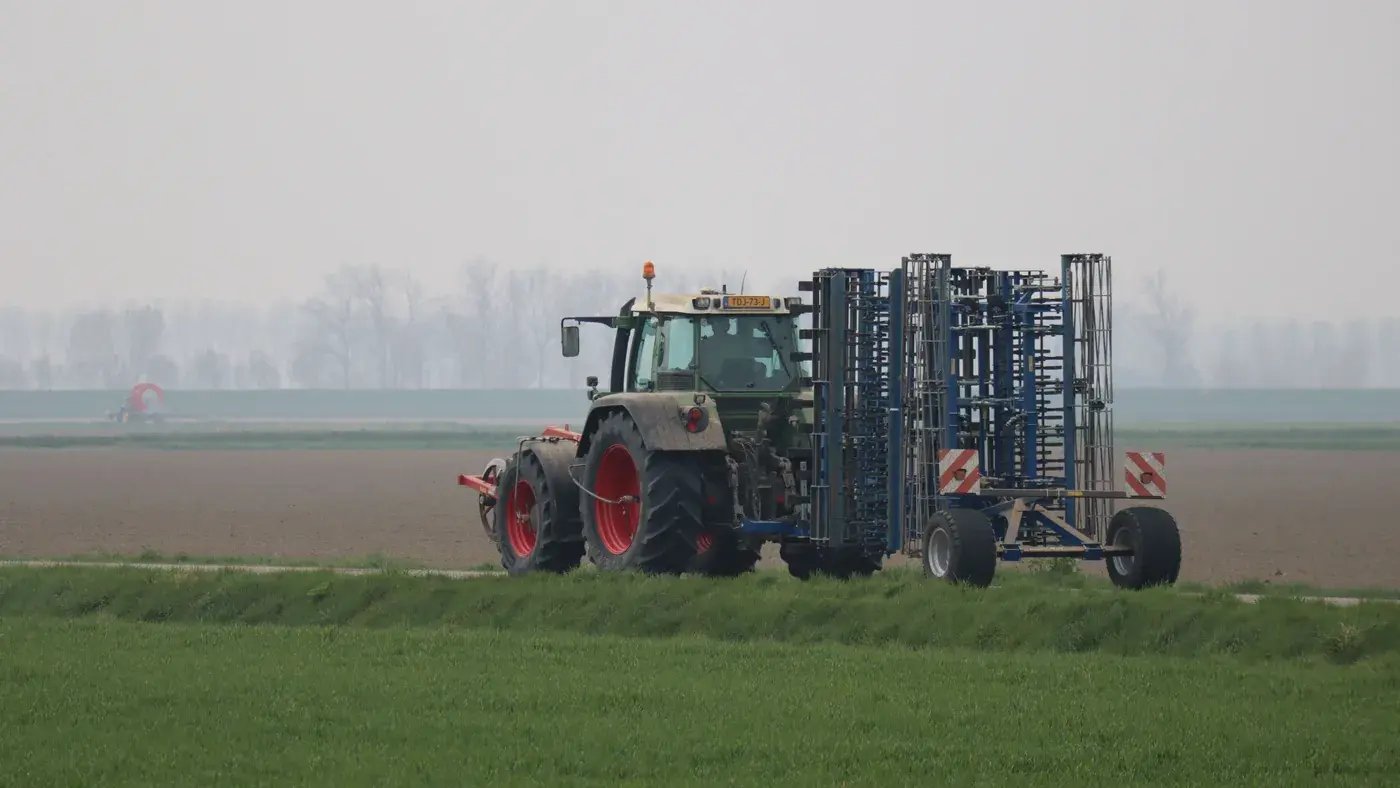
Approach and delivery. LeverX used SAP Activate to structure the conversion to SAP S/4HANA 2021, support package stack 02. The project brought together 13 LeverX experts and 25 Eurasia Group specialists.
The scope covered Finance and Controlling, Procurement and Materials Management, Sales and Distribution, Customer Service, Basis, and ABAP development. SAP Cloud for Customer launched concurrently, while the case study identifies SAP Fiori adoption as a planned next step.
Timeline. The project ran for 8.5 months, from April to December 2022. The target system used cloud infrastructure, although the reference does not identify a specific commercial cloud edition.
Reported outcomes. System maintenance costs decreased by 10%, and data consistency improved by 15%. The team reviewed outdated processes and existing custom code as part of the work to improve data consistency. The project also established regular full and incremental backups.
Disclosure limits. The reference does not provide a production cutover window or project budget. The 8.5-month duration, therefore, describes project delivery, not business downtime.
Optical Fiber Manufacturer: Brownfield Conversion Within a Three-Day Window
Starting point and challenge. For this global manufacturer of optical fibers, cables, and laser delivery systems, production continuity shaped the migration plan. Its on-premises SAP ECC environment supported multistage manufacturing, and the operating schedule left a three-day holiday window for production cutover.
Approach and delivery. LeverX performed a brownfield system conversion using SAP Activate. The scope included Finance and Controlling, Materials Management, Sales and Distribution, Production Planning, Quality Management, Human Capital Management, Master Data Governance, and Basis. Production Planning and Detailed Scheduling (PP/DS) extended scheduling and process-control capabilities.
Timeline. Production cutover took place within the three-day holiday window. The reference does not publish the total project duration, so this case cannot support an estimate of how long assessment, preparation, and testing took.
Reported outcomes. The project converted the existing ERP environment and introduced capabilities supporting manufacturing planning and control. The reference does not quantify changes in throughput, scheduling accuracy, or operating costs.
Disclosure limits. The target deployment model, project budget, and before-and-after business KPIs are not disclosed. The documented result is a conversion completed within the available production window, accompanied by planning enhancements.
Global Telecom Provider: ERP Unification in 10 Months
Starting point and challenge. Following the acquisition of a North American provider, this global telecom company needed to bring users from two organizations onto a common ERP platform. Its aging SAP ECC environment was difficult to customize and costly to upgrade. Legacy engineering processes also complicated CAD data access and change management.
Approach and delivery. LeverX supported the migration to SAP S/4HANA and modernized engineering workflows. The published case does not classify the transition as brownfield, greenfield, or selective data transition.
For engineering integration, LeverX recommended replacing SAP CAD Desktop with SAP Engineering Control Center (SAP ECTR). The team implemented Integrated Process Solution (IPS) to support engineering change workflows.
Timeline. The SAP S/4HANA migration took 10 months. The reference separately reports two months for SAP landscape customization and engineering change workflow development, without clearly establishing how those periods overlapped.
Reported outcomes. Global users were consolidated onto a single ERP platform. IPS enabled configurable workflows for documents, bills of materials, materials, and routings, along with rules to determine workflow agents.
Disclosure limits. Project costs, cutover duration, and quantified business improvements are not disclosed. The two reported delivery periods should not be added together without confirming the project schedule.
Rigas Siltums: An 11-Month SAP ECC Conversion
Starting point and challenge. AS Rigas Siltums is a district heating provider in Riga, Latvia, supplying and distributing more than 70% of the city’s heat energy. Its SAP ECC system was deeply integrated into core operations. Preserving established processes and historical data was therefore central to the migration.
Approach and delivery. LeverX selected a brownfield conversion to retain those investments while modernizing the platform. The project followed SAP Activate and used Customer-Vendor Integration (CVI) to align customer and vendor master data with the SAP S/4HANA business partner model.
The scope covered Finance, Controlling, Materials Management, Sales and Distribution, Plant Maintenance, Human Capital Management, Payroll, SAP Fiori, SAP BW/4HANA, and utilities processes associated with SAP IS-U. Analytics work aligned the existing reporting environment with the converted system.
Timeline. Migration took 11 months, followed by four months of post-go-live optimization and support. That distinction matters when planning staffing and budgets beyond the launch date.
Reported outcomes. The modernized platform serves around 100 employees across major departments. The reference reports that core processes and integrations were preserved, alongside improved access to information and a more consistent user experience.
Disclosure limits. Quantified business improvements, project budget, and cutover duration are not published. The reported user count describes the platform’s reach, not the company’s total workforce.
Safia Cafe and Bakery: Legacy ERP Replacement With SAP Cloud ERP Private
Starting point and challenge. Safia Cafe and Bakery, a confectionery business with more than 100 retail locations, needed its ERP environment to support growth, operational transparency, and production automation. The reference does not identify the previous ERP product.

Approach and delivery. LeverX implemented SAP Cloud ERP Private and connected the central system with existing point-of-sale systems. The team harmonized material master data, removed outdated items, introduced SAP Controlling for product costing, and implemented SAP Extended Warehouse Management (SAP EWM).
Warehouse automation combined data collection terminals with batch tracking. First-in, first-out (FIFO) and first-expiry, first-out (FEFO) strategies supported stock handling, while retail sales data informed production planning and demand forecasting. These connections linked activity at retail outlets with decisions at the central plant.
Timeline. Project duration and cutover details are not disclosed.
Reported outcomes. The case describes automated warehouse operations, more detailed product-cost calculations, and data exchange between retail outlets and the central plant. These operational changes are reported without before-and-after percentages.
Disclosure limits. The reference does not explicitly classify the transition approach or publish project costs, team size, or quantified business improvements. Legacy ERP replacement alone is not enough to assign a formal migration classification.
How Long Does an SAP Migration Take?
The three published migration durations in this collection range from 8.5 to 11 months. They provide examples of completed projects, but they do not establish a market benchmark. The optical manufacturer’s three-day figure covers production cutover, while Rigas Siltums reports post-go-live support separately.
To turn a reference into a useful planning input, identify which activities its schedule includes. Your estimate should distinguish assessment and preparation, conversion or implementation, testing, cutover, and stabilization.
It should also account for system scope, interfaces, custom code, data volume, rollout structure, and available business resources. Two projects with similar module lists may require very different levels of integration testing or customer involvement.

Which Migration Risks Should the Project Plan Address?
The cases illustrate different priorities: protecting a production window, preserving established processes, connecting acquired operations, and improving data flows. Your migration plan needs to translate comparable constraints into clear responsibilities and acceptance criteria.
The following are general evaluation criteria; the public references do not establish that every activity occurred in all five projects.
- Data quality and completeness. Define the master data, open transactions, and historical records to retain. Assign business owners to cleansing, financial balance reconciliation, record-count checks, and acceptance. Retaining data through brownfield conversion still requires validation and remediation.
- Custom code and interfaces. Identify incompatible developments and dependencies, decide what to adapt or retire, and test end-to-end processes across connected systems.
- Cutover and recovery. Rehearse the production sequence, validate its duration, and agree on go/no-go criteria, recovery arrangements, and rollback decision points.
- Business readiness. Complete user acceptance testing, role and authorization checks, training, and operational handover before go-live.
These controls give the team a basis for deciding whether the business is ready to launch. Completing the technical conversion within the planned window is only one part of that decision.
How Should You Evaluate a Migration Partner’s Case Studies?
A relevant reference connects a comparable starting landscape with a clear delivery scope and supported outcomes. Use the cases to guide a focused discussion with a potential partner:
- Compare scope and constraints. Look beyond industry labels to business processes, interfaces, data volumes, critical operations, and rollout complexity. Establish what the partner delivered directly.
- Confirm the transition approach and target platform. Distinguish among brownfield, greenfield, and selective data transition in terms of delivery methodology, hosting model, and commercial arrangements.
- Check the schedule boundaries. Ask whether the quoted duration includes assessment, testing, cutover, and stabilization. Confirm the customer’s staffing and decision-making responsibilities.
- Validate results and tooling claims. Establish who measured each KPI, against which baseline, and over what period. For accelerators, ask which specific tasks they automate and what evidence demonstrates time saved on comparable work. SAP Activate and CVI are not proprietary LeverX accelerators.
- Clarify support and obtain a reference. Define hypercare exit criteria, service responsibilities, and application management terms. Where public details are missing, request supporting information or a customer reference, subject to confidentiality.
The next step is to test those lessons against your own landscape. The LeverX SAP S/4HANA migration team can help define your scope, assess transition options, and identify the delivery requirements behind a realistic plan.
-min-1.jpg)