


main banner

Integrated Business Planning for Supply Chain (SAP IBP)

Carefully plan sales, operations, and finances with the convenience of a single solution, and take advantage of multiple scenarios created by ML algorithms to precisely respond to market changes for maximum profit.

SAP IBP Key Functions to Transform Your Supply Chain Management

Data science

Unified data model based on SAP S/4HANA

The unified data model ensures that all processes are synchronized, enhancing collaboration between departments.
Integration

Integrated planning

All planning stages are connected into a single system, enabling timely responses to changes in the supply chain.
Network_connected-1

Customizable, user-friendly interfaces

SAP IBP user interfaces are tailored to meet business needs, improving the simplicity of work.
Solution-1

SAP Best Practices application

Implementing proven solutions reduces setup time and improves results.
Bar-graph

ML-based statistical forecasting

Utilizing machine learning algorithms improves forecasting accuracy and minimizes errors.
AR

Modeling and practical scenario comparison

Modeling different scenarios allows enterprises to choose the most efficient course of action.
Clients

Collaboration tools

SAP IBP includes embedded collaboration tools. Additional collaboration through SAP Build Work Zone requires a separate license.
Puzzle

Foundation subscription with optional advanced applications

SAP IBP uses subscription-based licensing. New customers require the foundation subscription and can add separately licensed advanced applications based on their planning needs.
Cloud-1

Cloud architecture with timely, useful updates

SAP IBP's cloud delivery model reduces the need for customer-managed software upgrades. Access to specific capabilities depends on the licenses purchased.

Explore SAP IBP Planning Capabilities

SAP IBP supports sales and operations planning, demand forecasting, supply planning, inventory optimization, and supply chain monitoring. For new customers subscribing after April 20, 2026, the licensing model requires SAP Integrated Business Planning foundation, with advanced demand, advanced supply, and advanced inventory optimization applications available separately.
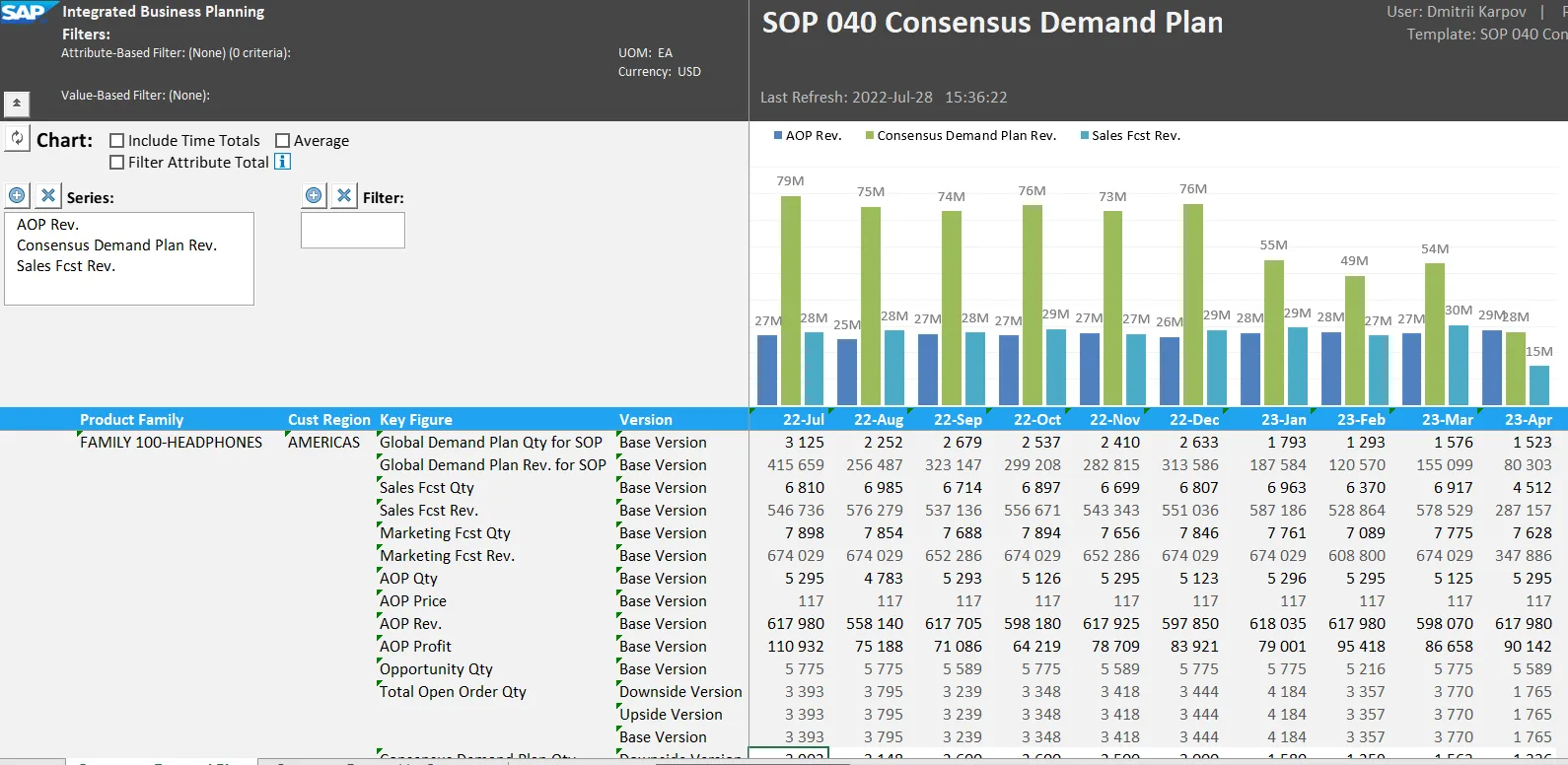
Sales and operations planning
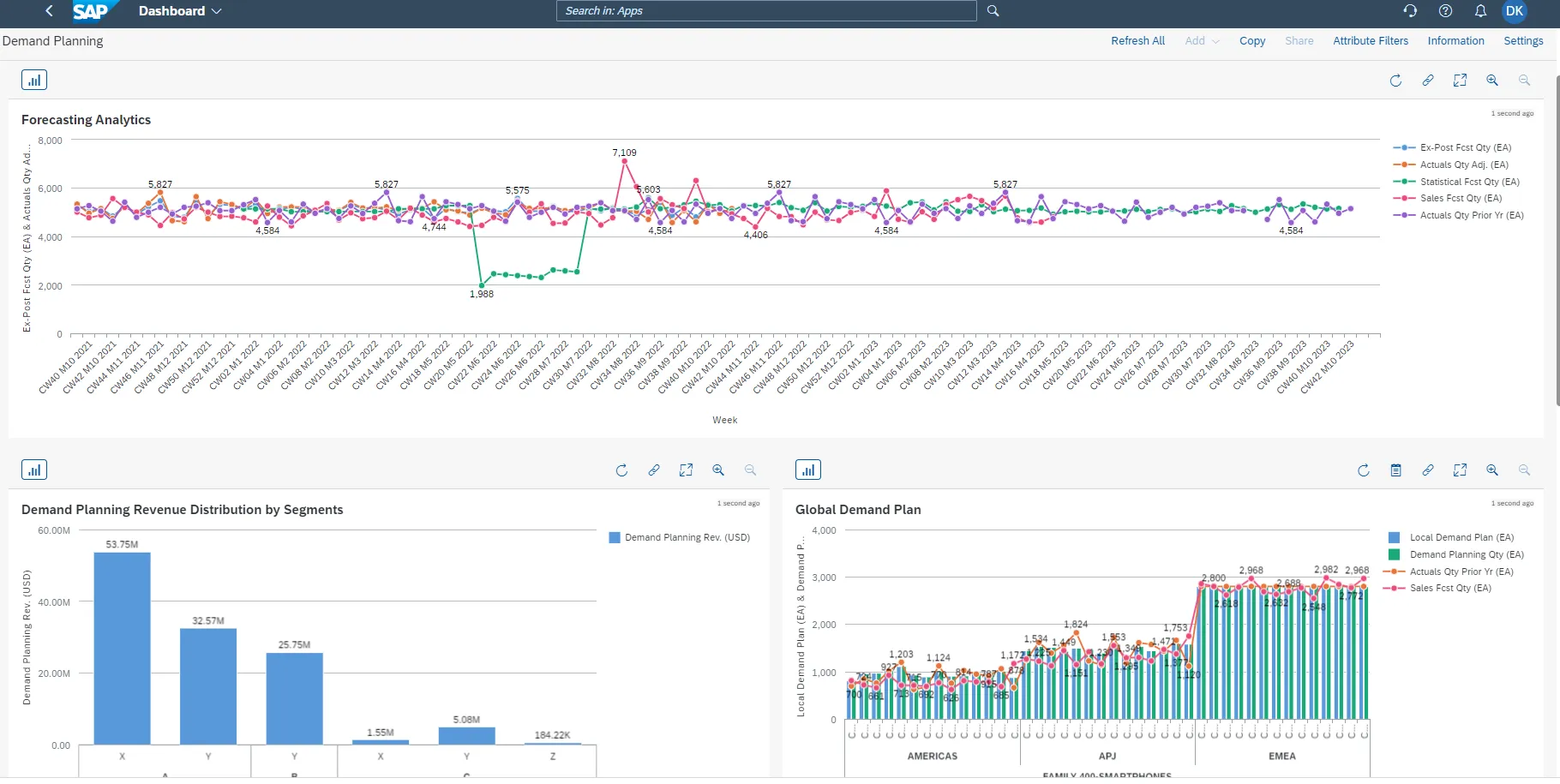
Demand planning
Inventory planning and optimization
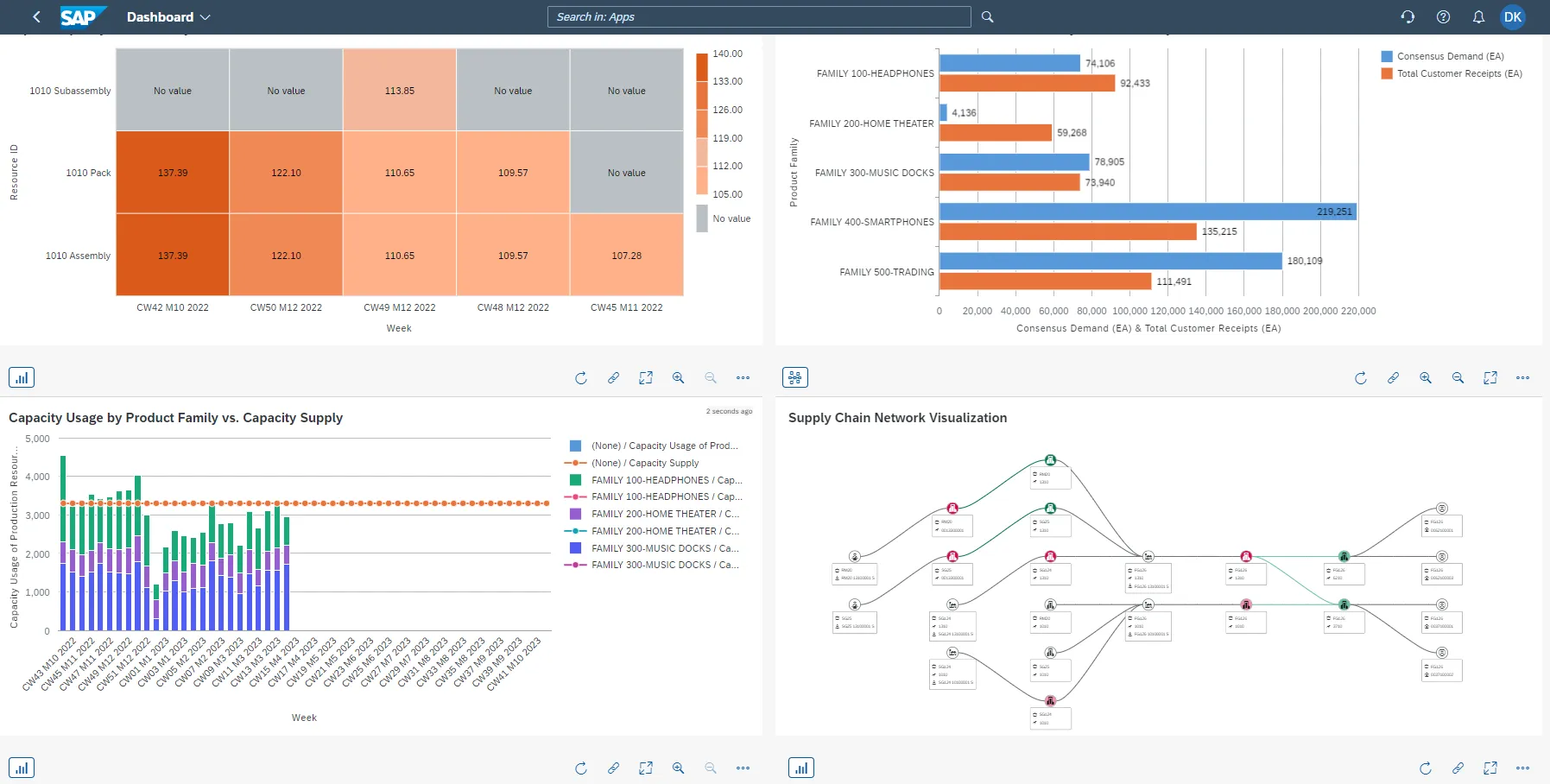
Response and supply planning
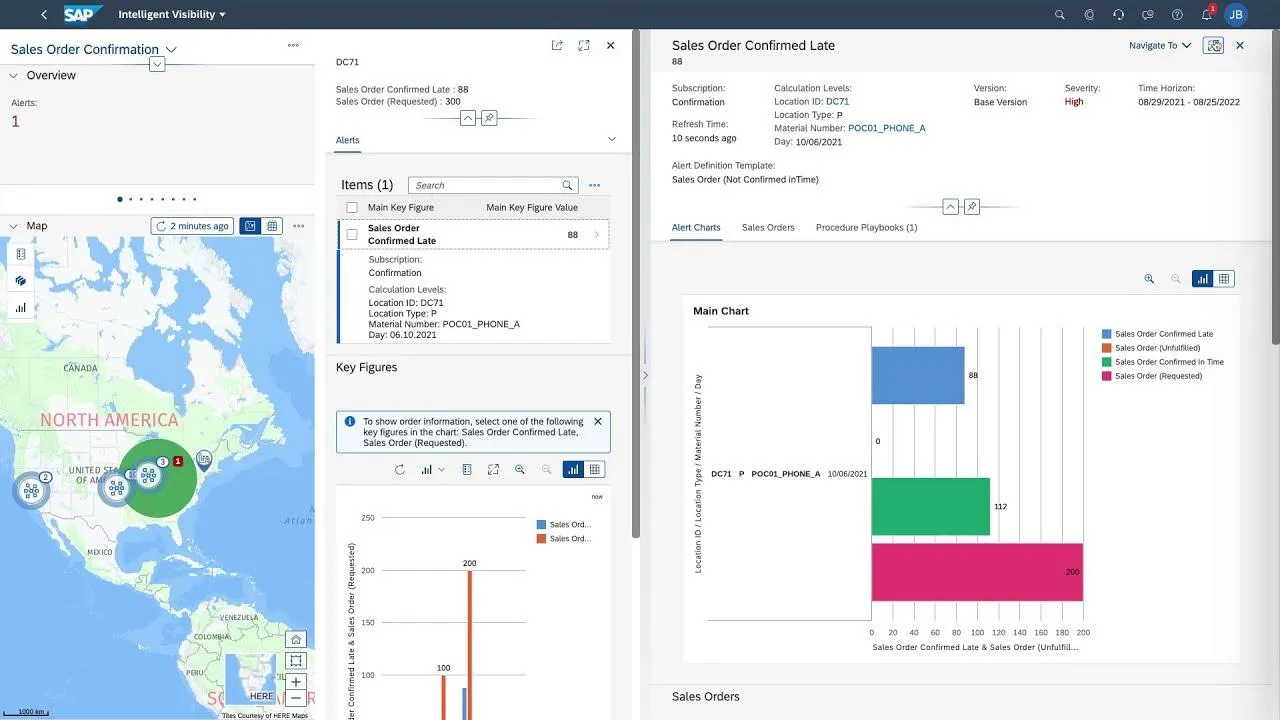
Supply chain monitoring

Sales and operations planning

With SAP IBP's sales and operations planning capabilities, you always know where there is a shortage and where there is an oversupply of stock, where warehouses are overcrowded or empty, where downtime is expected, and other crucial elements to your successful sales and operations questions.

What do you get?

  • A unified data model for demand, supply, and finance
  • “What-if” scenarios
  • A real-time picture of the financial impacts of different scenarios
  • A clear vision of upcoming risks and opportunities

Need help identifying the right SAP IBP capabilities?

Why Choose SAP IBP Over Other Supply Chain Management Solutions?

This solution provides businesses with quality task execution on time and within an agreed budget.
logo-1

Universal

SAP IBP and its planning capabilities cover the needs of any business dealing with supply chain issues.
logo-2

Advanced

The solution is comparatively new and is crafted to address the needs of modern supply chains affected by globalization and unpredictable market changes.
logo-3

Frequently updated

There are new releases nearly every quarter, so you can always be sure that the latest challenges are addressed.
logo-5

Fast implementation

You can start taking full advantage of the SAP IBP solution in the shortest time. The period before the active exploitation is +/- a month.
logo-6

Configurable

SAP IBP can be configured to support different planning processes and business requirements.
logo-7

Based on the Best Practices

With SAP IBP, you get pre-configured processes based on extensive research done by world-leading companies dealing with supply chains.

Customers' Success Stories

How We Can Help

We provide a full spectrum of services for SAP IBP:

Beneficial Integrations With SAP IBP

By connecting SAP IBP with other elements of your SAP landscape, you can enhance your planning operations and make them more responsive to reality.

  • SAP S/4HANA: Provides master, operational, and financial data, and gets approved planning results back from SAP IBP. It’s an opportunity to move away from static forecasting and adopt dynamic planning strategies.
  • SAP Transportation Management (SAP TM): Receives data from SAP IBP, compares it with the real picture of transportation execution, and sends the feedback to the planning system. It’s a good way to avoid unrealistic commitments and optimize transportation planning.
  • SAP BW/4HANA: Collects data from SAP IBP to process it and deliver outputs for further analysis and decision-making. There is no need for guesswork — improve your forecasting with insights based on real data.
  • SAP Extended Warehouse Management (SAP EWM): Uses planning outputs from SAP IBP to execute warehouse operations and gives back the data on real warehouse conditions and limitations. 
  • SAP Analytics Cloud (SAC): Takes the planning data from SAP IBP and presents it in interactive dashboards. You can use them to analyze performance and compare various supply chain scenarios.

Industries We Serve

Leveraging our experience with SAP together with diverse industrial expertise, we’ll help you select solutions that will drive meaningful, long-term value for your company.

Why Choose LeverX as Your SAP IBP Implementation Partner?

Proven track record

For over 20 years, we have helped businesses worldwide succeed with SAP. We’ve already completed 950+ projects for over 800 clients, including top names on the Fortune 500 list.

Industry experts

The LeverX team comprises professionals with hands-on knowledge in 30+ industries, including manufacturing, logistics, and oil 
and gas.

SAP partnership

We implement SAP projects end-to-end 
and collaborate with SAP on the development and enhancement of its existing solutions.

Quality and security

LeverX operates in compliance with international standards such as ISO 9001, ISO 27001, ISO 22301, and ISO 55001, ensuring reliability and quality in every project.

Investment in innovation

We actively integrate advanced technologies, such as Data Science, IoT, AI, Big Data, Blockchain, and others, to help clients efficiently address their business challenges.

Flexibility

Our team is available 24/7, which enables us to quickly deploy projects, maintain process transparency, and adapt each development phase to meet your specific requirements.

Implementation Roadmap

We follow the SAP Activate methodology, which breaks down the implementation of SAP Integrated Business Planning for Supply Chain into six essential stages:
  • Current Processes Evaluation: Assess existing business processes and identify the organization's needs.
  • Defining Technical Requirements: Create a detailed specification of the functional and technical needs of the new system. 

Discover

  • Setting Goals and Objectives: Establish and agree on the goals to be achieved throughout the project.
  • Assembling the Project Team: Appoint team members and define their roles and responsibilities.
  • Project Plan Development: Create a comprehensive plan that outlines project phases, timelines, resources, and key performance indicators.
  • Budget Determination: Estimate and approve the budget.
  • Specifications Preparation: Develop the technical and functional specifications for the development team.

Prepare

  • Ensuring Business Requirements are Met: Check that SAP IBP aligns with business requirements and project objectives.
  • Data Validation: Verify the accuracy and compliance of the data.

Explore

  • Data Migration: Transfer data from existing systems to the new one.
  • System Configuration: Set up the solution according to requirements and specifications.
  • Customization: Develop additional features and modules, if the standard solution does not meet all needs.
  • Integrations: Configure SAP IBP to work with other IT systems and applications.

Realize

  • Testing: Perform functional, integration, regression, and load testing to ensure that all works correctly.
  • User Training: Organize sessions to help users become familiar with the new system.

Deploy

  • System Readiness Check: Verify that the system is ready for operational use.
  • Launch: Officially transition to active use of SAP IBP.
  • Ongoing Support: Continuously monitor solution performance to identify and resolve any issues.

Run