










SAP Ariba Consulting and Implementation Services in the UK
Unify your procurement lifecycle into a single digital network. We deliver turnkey SAP Ariba solutions to ensure total contract visibility, automated invoicing, and seamless UK compliance.
LeverX is a global system integrator and SAP Gold Partner with more than twenty years of experience in enterprise software delivery. We implement procurement and supply chain solutions for manufacturing, retail, logistics, healthcare, and other sectors. Our teams have delivered projects for large international organisations and mid-sized companies with complex supplier networks.
We implement SAP Ariba to support sourcing, supplier management, contract lifecycle management, and invoice processing. Our specialists define the target procurement model, configure Ariba modules, and set up integrations with SAP S/4HANA, and external systems. We also adapt workflows to local regulatory requirements and reporting standards used in the UK.
What is SAP Ariba? Unified Source-to-Pay Excellence
SAP Ariba is a cloud-based strategic procurement platform that digitises the entire Source-to-Pay (S2P) lifecycle. By integrating Intelligent Spend Management, it eliminates fragmented manual workflows and unifies your entire vendor ecosystem into a single, high-performance digital network.
Through the SAP Business Network, British enterprises can manage everything from high-volume catalogues and complex contracts to automated invoice reconciliation - ensuring 100% visibility into corporate spend and total supplier accountability.
Why SAP Ariba is Critical for the UK Market Now
- Post-Brexit Supply Chain Resilience: Navigate UK-specific trade barriers and customs complexity through real-time visibility that ensures zero operational downtime across your global supplier network.
- HMRC & Regulatory Compliance: Hardwire Making Tax Digital and UK climate disclosure mandates into every transaction via automated, audit-ready reporting.
- Inflation & Margin Protection: Insulate your cash flow from UK market volatility by using intelligent analytics to eliminate spend leakage and secure up to 60% in operational savings.
- AI-Driven Risk Mitigation: Proactively identify supplier vulnerabilities and energy-cost fluctuations through automated risk scoring, ensuring total supply chain agility in the 2026 economic landscape.
What Practical Gains Come with SAP Ariba?
Here are other benefits you get:
Procurement data that stands up to regulatory scrutiny
Compliance reporting that no longer depends on manual checks
Supplier activity that follows defined rules, not individual decisions
Financial data that does not need reconciliation
Procure-to-pay cycles that move without manual handovers
Audit preparation that becomes part of daily operations
Not Sure Where to Start?
Start with Our Bespoke SAP Consulting
What are the Key Outcomes of Implementing SAP Ariba?
SAP Ariba Solutions for Your Different Needs
Most procurement issues come from gaps between systems. SAP Ariba removes these gaps by structuring the process into connected modules. Data remains consistent across each step.
Ariba Procurement
Ariba Procurement is a cloud-based solution that simplifies the purchasing process for businesses. It provides tools to streamline sourcing, supplier management, and automate approvals and invoicing, helping companies:
- Drive cost efficiencies
- Enhance compliance
- Make data-driven procurement decisions
SAP Ariba Contracts
Contracts often exist as static documents. SAP Ariba Contracts turns them into active records that control purchasing and invoicing. Each term can be checked against actual transactions.
- Create contracts using approved templates and clause libraries
- Route contracts through defined approval stages
- Maintain version history and track all changes
- Store signed contracts in a central repository
- Link contract terms to purchase orders and invoices
- Track contract validity dates and renewal actions

SAP Ariba Buying
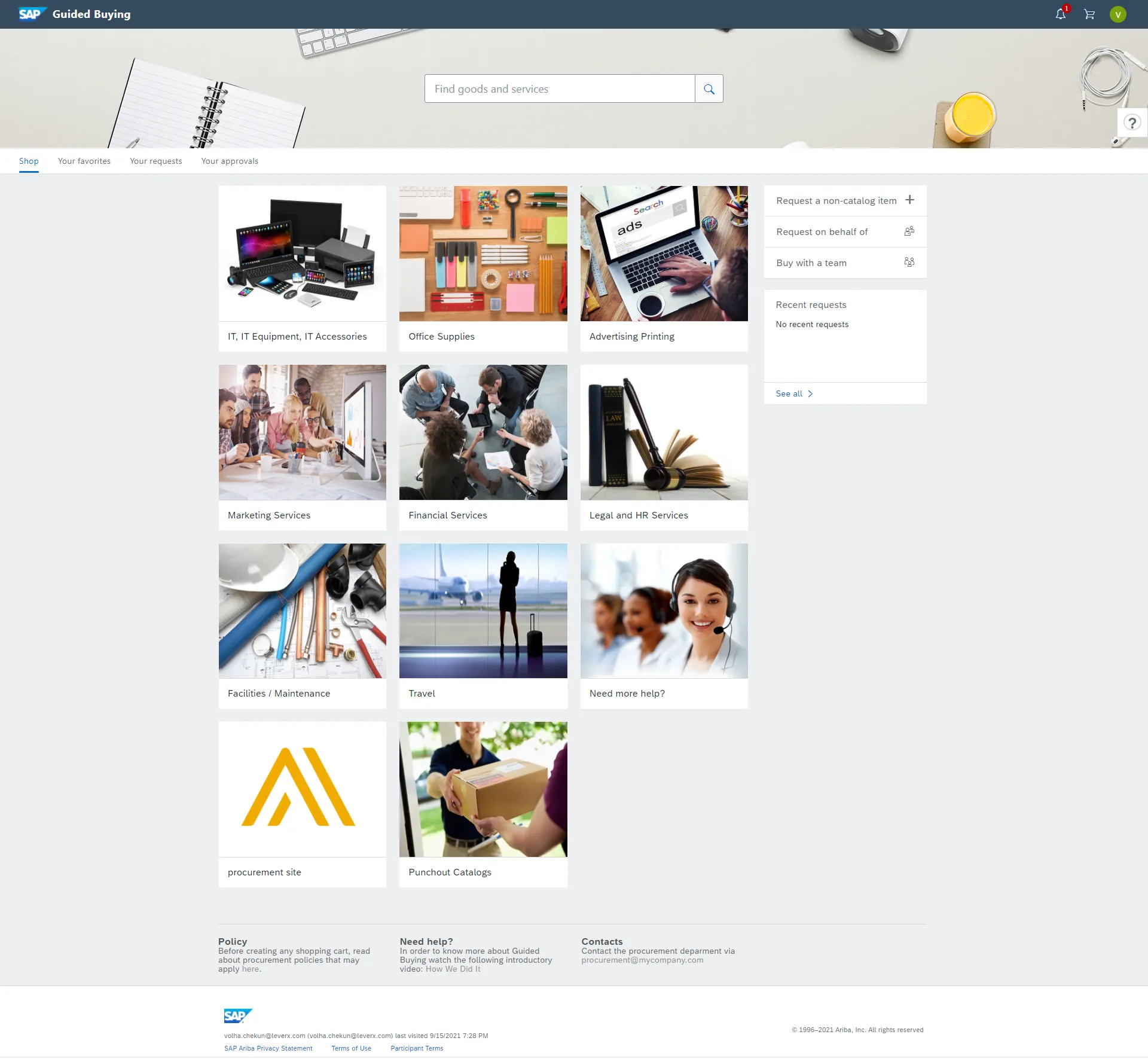
Uncontrolled purchasing usually starts with free-text requests and unapproved suppliers. SAP Ariba Buying replaces this with guided requests based on approved sources and defined rules.
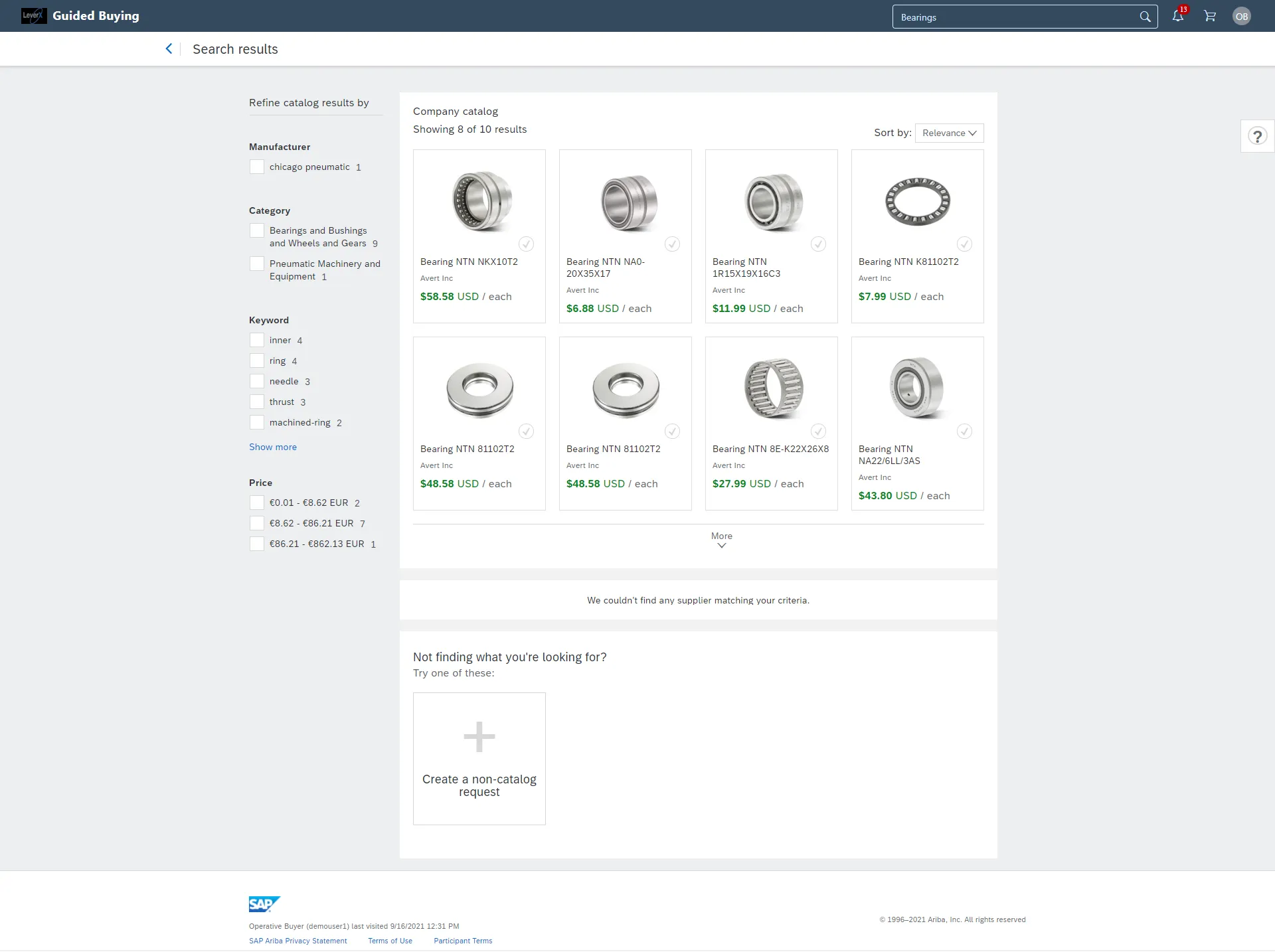
- Provide catalogue-based purchasing for standard goods and services
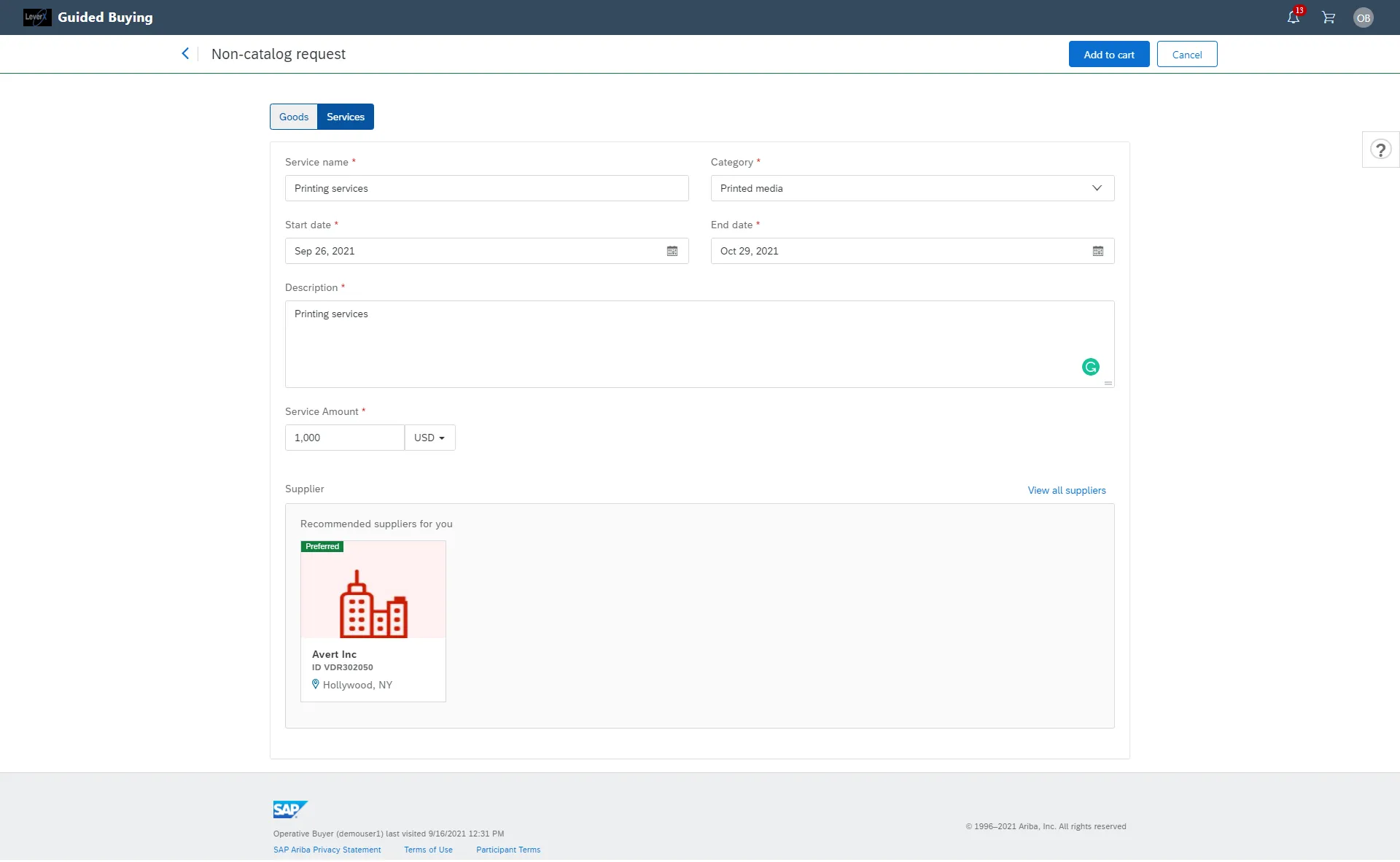
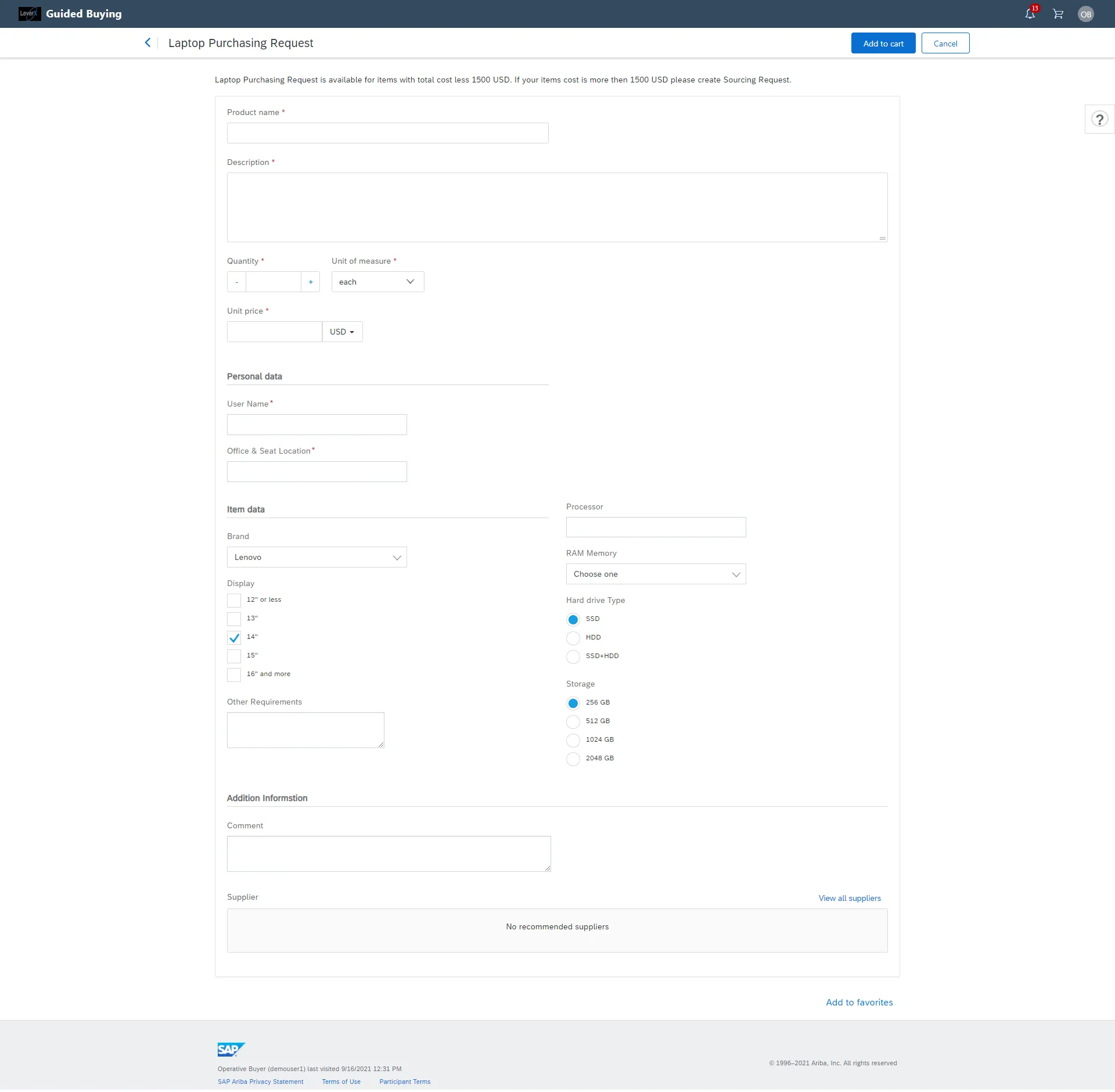
- Allow non-catalogue requests with structured input fields
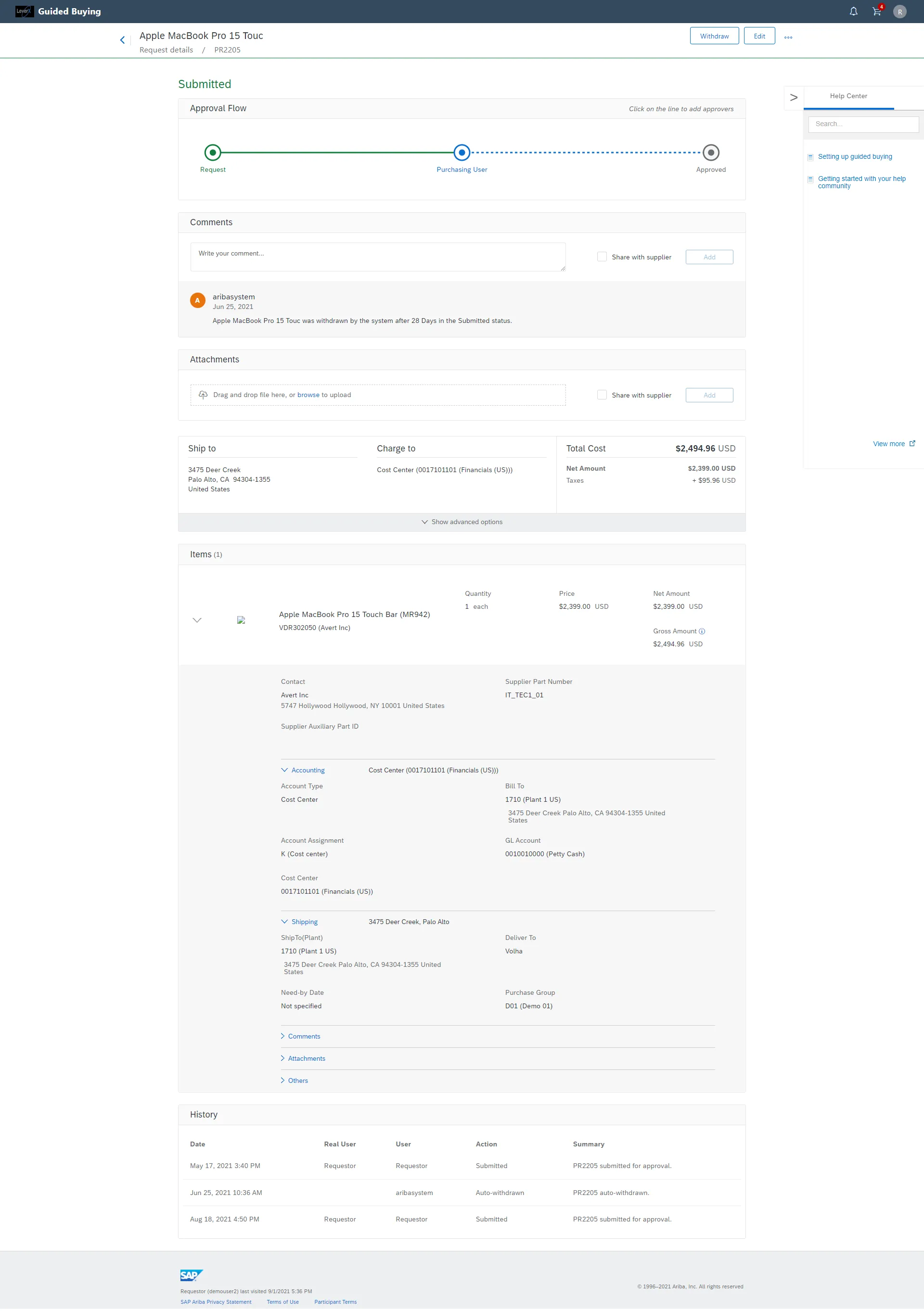
- Route requests through approval workflows based on value or category
- Generate purchase orders automatically after approval
- Track order fulfilment and confirmations
- Enforce supplier and contract compliance at the request stage

SAP Ariba Catalog
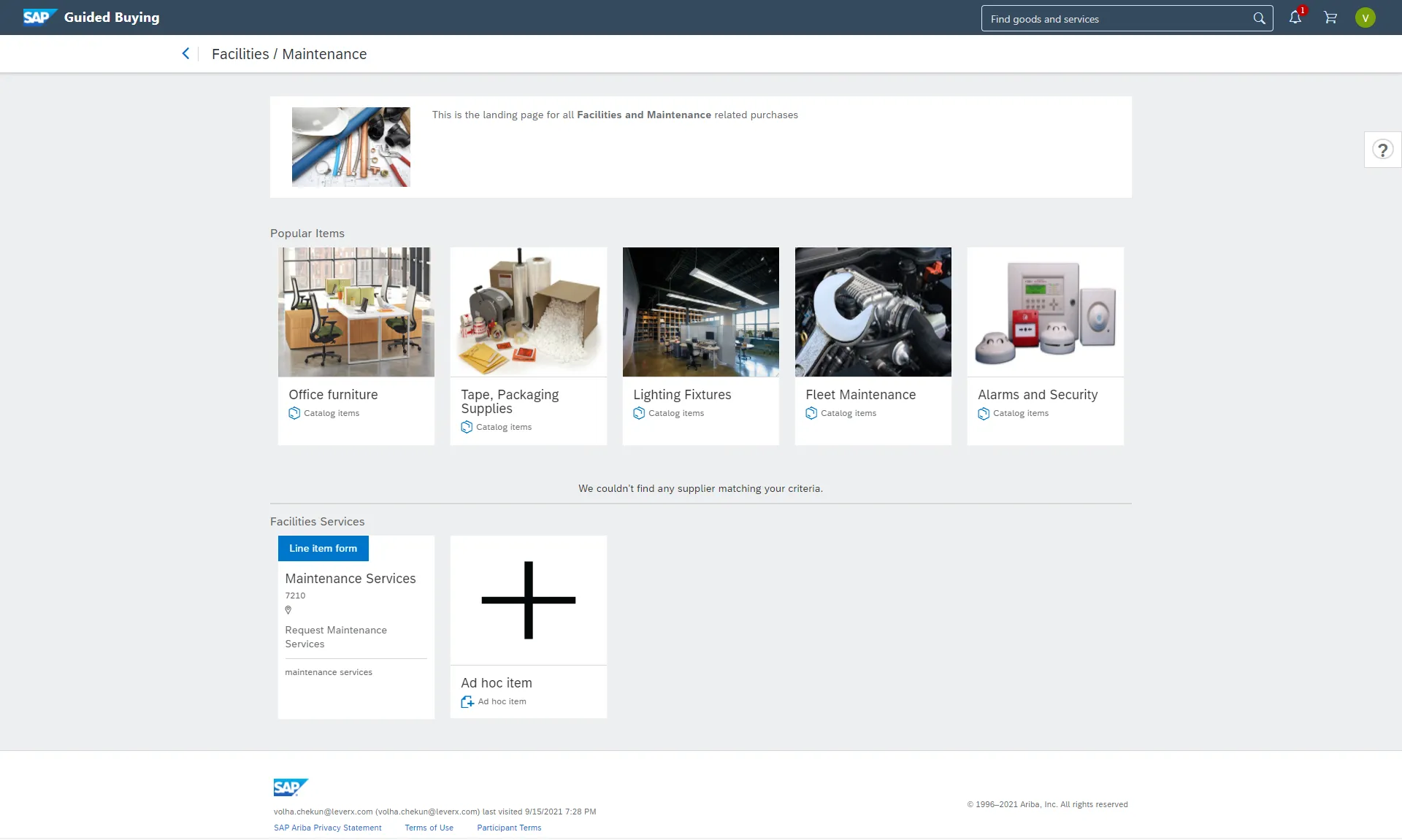
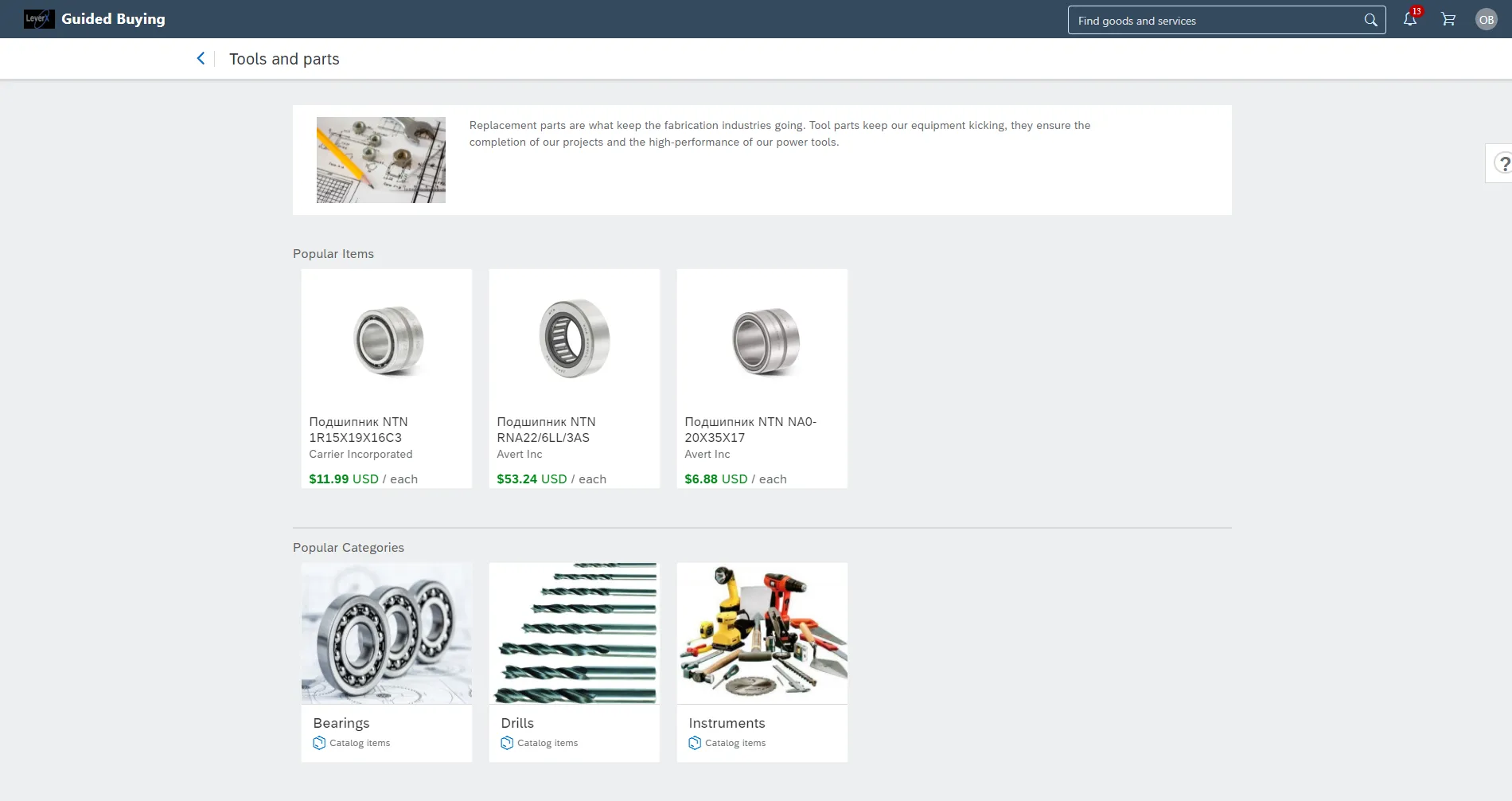
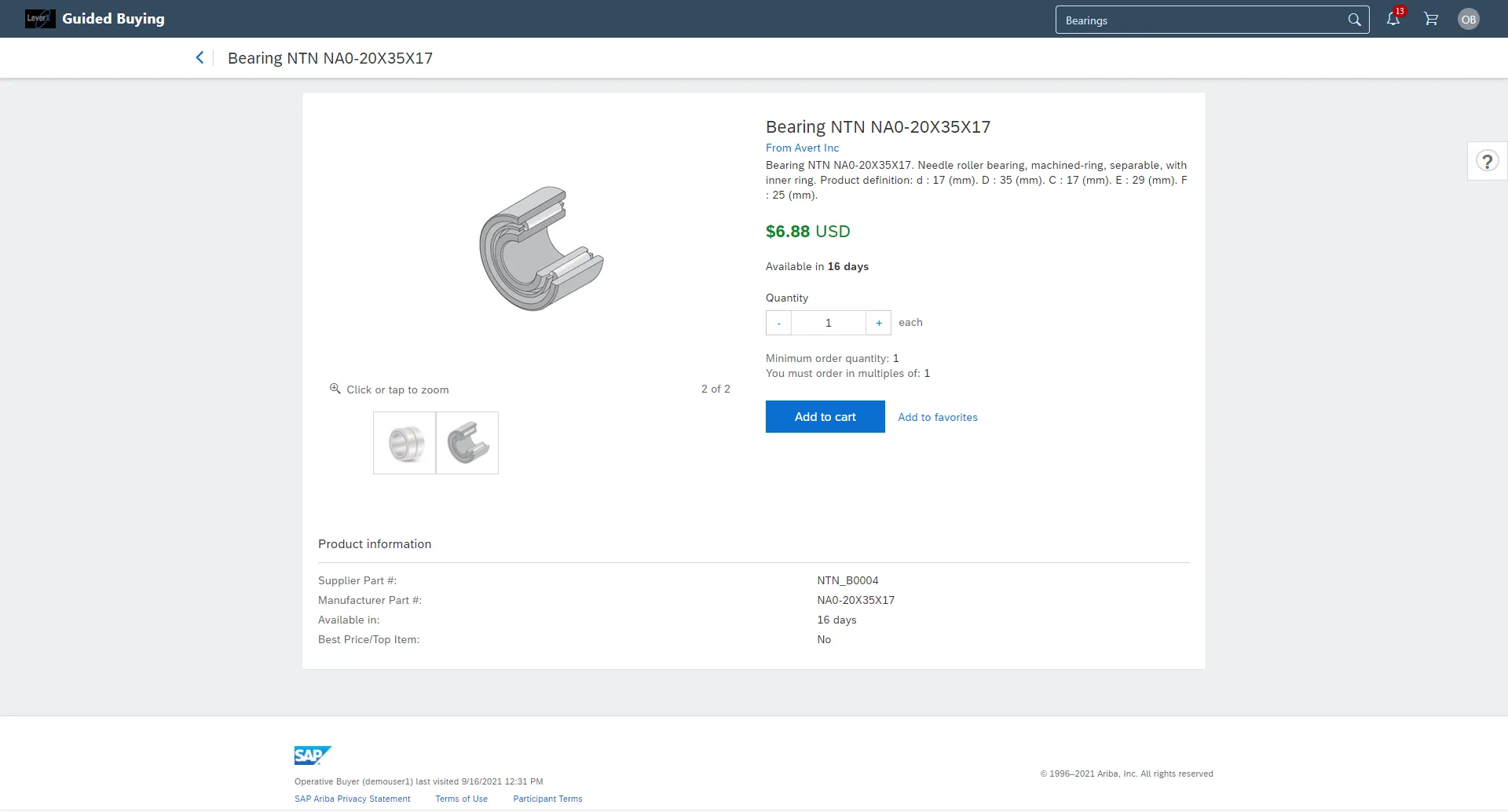
Purchasing slows down when employees search for items across multiple sources. SAP Ariba Catalog brings approved goods and services into one structured catalogue with controlled pricing and suppliers.
- Provide centralised catalogues with pre-approved suppliers
- Maintain item descriptions, pricing, and availability in one place
- Support punchout catalogues from external supplier systems
- Enforce contract pricing at the selection stage
- Enable quick item search and guided buying
- Reduce errors in item selection and order creation

SAP Ariba Invoice Management
Invoice processing often depends on manual checks across multiple systems. SAP Ariba Invoice Management matches invoices to existing procurement data before payment is approved.
- Receive invoices electronically via the Ariba Network
- Match invoices against purchase orders and goods receipts
- Apply tolerance rules for price and quantity differences
- Route exceptions for review and approval
- Provide status tracking for invoices and payments
- Transfer approved invoices to finance systems for settlement
SAP Ariba Supplier Management
Supplier data is often incomplete or stored in multiple systems. SAP Ariba Supplier Management creates a single, maintained record for each supplier with required documentation.
- Collect supplier data through structured registration forms
- Store compliance documents such as policies and certificates
- Manage supplier qualification and approval steps
- Track supplier performance using defined indicators
- Maintain up-to-date supplier records in one database
- Support periodic supplier reviews and updates

SAP Ariba Spend Analysis
Spend data is often spread across systems and formats. SAP Ariba Spend Analysis brings this data together and classifies it for reporting and review.
- Import spend data from SAP and external systems
- Classify transactions by category, supplier, and business unit
- Identify off-contract spend and exceptions
- Generate standard and custom reports
- Track spend trends over defined periods
- Support sourcing decisions with actual spend data

Supply Chain Collaboration for Buyers
Supply chain issues often appear after orders are placed. Supply Chain Collaboration for Buyers connects procurement with logistics data, allowing teams to track orders, deliveries, and supplier commitments in one system.
- Share forecasts and demand plans with suppliers
- Track order confirmations and delivery schedules
- Monitor shipment status and expected arrival dates
- Adjust orders based on supply chain changes
- Improve coordination between procurement and logistics teams
- Maintain visibility of supply risks and delays

SAP Ariba Network
Procurement communication often relies on email and manual document exchange. SAP Ariba Network replaces this with a shared platform for buyers and suppliers.
- Send purchase orders directly to suppliers through the network
- Receive order confirmations and shipping notices
- Exchange invoices in a structured electronic format
- Provide suppliers with visibility into order and payment status
- Maintain a record of all transactions exchanged
- Support standardised communication between trading partners
SAP Ariba Supplier Risk
Supplier risk is often assessed during onboarding and then not updated. SAP Ariba Supplier Risk tracks risk factors continuously and links them to procurement decisions.
- Assess supplier risk using predefined criteria during onboarding
- Monitor external and internal risk indicators
- Track risk alerts and required actions
- Maintain risk scores for each supplier
- Record mitigation steps and review outcomes
- Support reporting for audits and internal reviews

Seamless SAP Ariba Integration Across the Entire SAP Ecosystem
SAP Ariba ties into a number of SAP systems that handle purchasing, finance, and supplier activities. The sections below show what information passes between them and how these connections work in real use.
SAP S/4HANA: Core purchasing and financial data, such as vendor details, materials, purchase orders, service entry sheets, receipts, and invoices, are shared by Ariba with S/4HANA. Teams won't enter the same data twice thanks to this integration, and as accounting and procurement activities advance, both systems show the same numbers.
SAP Business Network: Because Ariba uses SAP Business Network for supplier communication, documents such as orders, confirmations, shipping notices, and invoices go through the network instead of manual exchange. Suppliers work in their own environment, and the data appears in Ariba without additional processing on the buyer’s side.
SAP Business Technology Platform (SAP BTP): Companies turn to BTP when the usual Ariba–SAP integrations don’t cover what they need. Through BTP, Ariba can be linked to other systems, and teams can add their own logic or small apps that work with Ariba’s data. BTP also handles integration logic in mixed system landscapes.
SAP Fieldglass: If an organisation manages both materials and external workforce services, Fieldglass can be linked to Ariba. Service-related documents — such as work confirmations or service entry sheets — can be handled alongside traditional procurement documents. This gives a single record of spend related to suppliers and contractors.
SAP Concur: With Concur connected to Ariba, travel and expense data show up next to procurement costs. Finance teams can check everything in one view instead of digging through separate reports.Unsure how SAP Ariba fits your operations? Start with a tailored Procurement Maturity Assessment
SAP Ariba Services We Offer
Strategic consulting
SAP Ariba implementation

SAP Ariba integration

Data preparation and AI readiness

Migration and business continuity

SAP Application Management Services

Why LeverX for SAP Ariba Services?
Proven Procurement Track Record
Strategic SAP Partnership
Global Expertise, UK Compliance
Data-Driven Innovation
Quality & Security Standards
Agility & Scalability
Success Stories
Retal Group: S/4HANA Implementation and Global Growth Strategy
Transition to SAP Ariba Cloud for Centralized Procurement Management

RĪGAS SILTUMS: Baltic Energy Sector S/4HANA Migration
Global Sports Leader: Optimising Procurement with SAP Ariba
WHAT OUR CUSTOMERS SAY
We Support Your Business Domain
INDUSTRIAL MANUFACTURING
CONSUMER PRODUCTS (FMCG)
RETAIL & WHOLESALE
PHARMACEUTICALS & LIFE SCIENCES
ENERGY & UTILITIES
PROFESSIONAL SERVICES & FINANCE
SAP Ariba Implementation Roadmap
Regardless of the starting point, we follow a structured approach to ensure processes are aligned, compliant, and traceable. Here is the way we work:
- Current procurement analysis: Review existing systems, workflows, supplier data, and compliance requirements.
- Requirements gathering: Collect functional, technical, and business requirements for sourcing, contracts, purchasing, and invoicing.
- Gap identification: Highlight process inefficiencies, manual steps, and areas lacking visibility.
- Readiness evaluation: Determine which Ariba modules can be implemented immediately and where customisation or integration is required.
Assessment
- Project strategy definition: Decide which Ariba modules to deploy, configure, or integrate.
- Resource estimation: Identify team size, skill requirements, tools, and timelines.
- Timeline and milestone planning: Define phased rollouts with measurable success criteria.
- Compliance and governance planning: Ensure workflows, approvals, and reporting meet UK regulations and internal policies.
Planning
- Process mapping: Define how sourcing, contracts, buying, supplier management, and invoices flow between modules.
- Integration design: Plan connections to SAP S/4HANA, SAP ERP, SAP BTP, and external systems.
- Security and access planning: Implement role-based access, approvals, and audit logging.
- Interface and Fiori design: Tailor user interfaces to match business operations and reduce manual errors.
Architecture and design
- Module selection: Identify key workflows or supplier scenarios for initial deployment.
- Execution: Configure Ariba modules in a test environment and run sample transactions.
- Validation and testing: Verify functionality, integration, compliance, and reporting accuracy.
- Adjustments and refinements: Update configuration, workflows, or integration based on pilot results.
Pilot and PoC
- System configuration: Implement all planned Ariba modules according to validated workflows.
- Integration and data migration: Transfer supplier, contract, and transactional data accurately.
- Testing and verification: Conduct functional, performance, and compliance tests before go-live.
- Post-launch monitoring: Track process performance, issue resolution, and user adoption after deployment.
Full-scale deployment and go-live
Frequently Asked Questions
How much time does it usually take to implement SAP Ariba?
Time is determined by scope rather than the tool itself. It may take several months or even weeks to roll out a small number of modules. Six to twelve months are typically needed for a complete transformation that includes integrations and process redesign. Data preparation, testing, and user adoption — rather than just configuration — are what drive the timeline.
Can SAP Ariba manage procurement across multiple countries and currencies?
Procurement becomes complex when each country follows different rules. Ariba handles this by structuring tax codes, currencies, and approvals at a regional level. Teams manage all transactions in one system while keeping local compliance intact. Reporting remains consistent across both local entities and central finance.
How is data quality maintained during migration?
Migration fails when poor data is moved without control. Before any transfer starts, we audit supplier, contract, and spend records. This way, classifications are standardized, gaps are filled, and duplicates are eliminated. Then, during import, validation rules verify every record, ensuring that the system begins with instantly usable data.
What support is available after Ariba goes live?
How does Ariba adapt to complex organisational structures?
CONTACT US
If you are looking for an SAP Global Strategic Supplier or Technology Partner for your business, fill out the form below, and we will contact you at short notice.
Contact Us
What happens next?
-
1
An expert will reach out to you to discuss your specific needs and requirements.
-
2
We'll sign an NDA to ensure any sensitive information is kept secure and confidential.
-
3
We'll work with you to prepare a customized proposal based on the project's scope, timeline, and budget.
years of expertise
projects
professionals
Contact Us