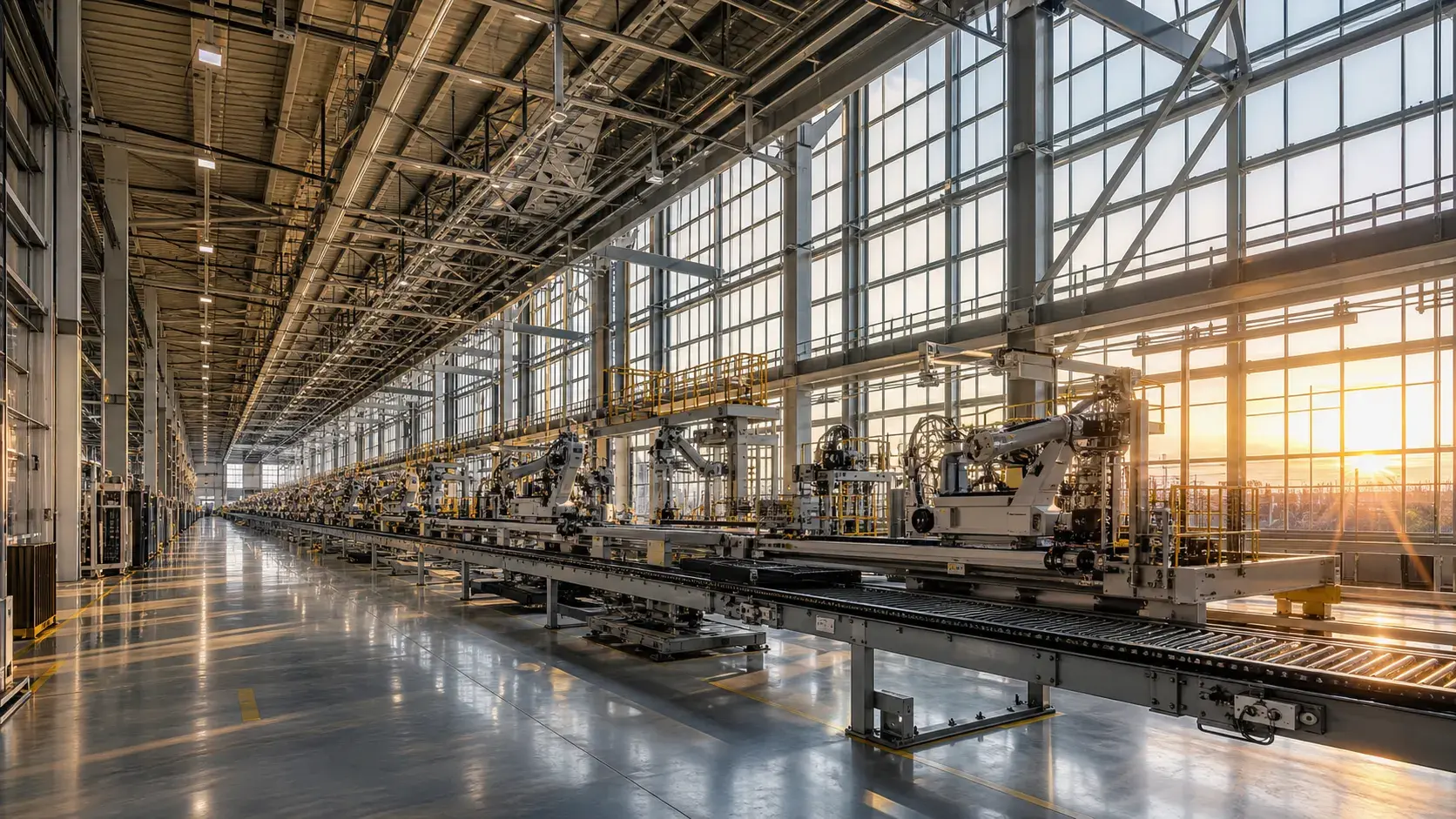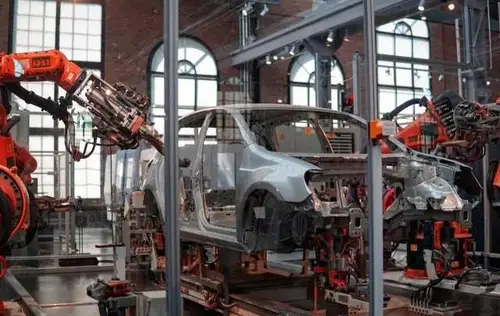











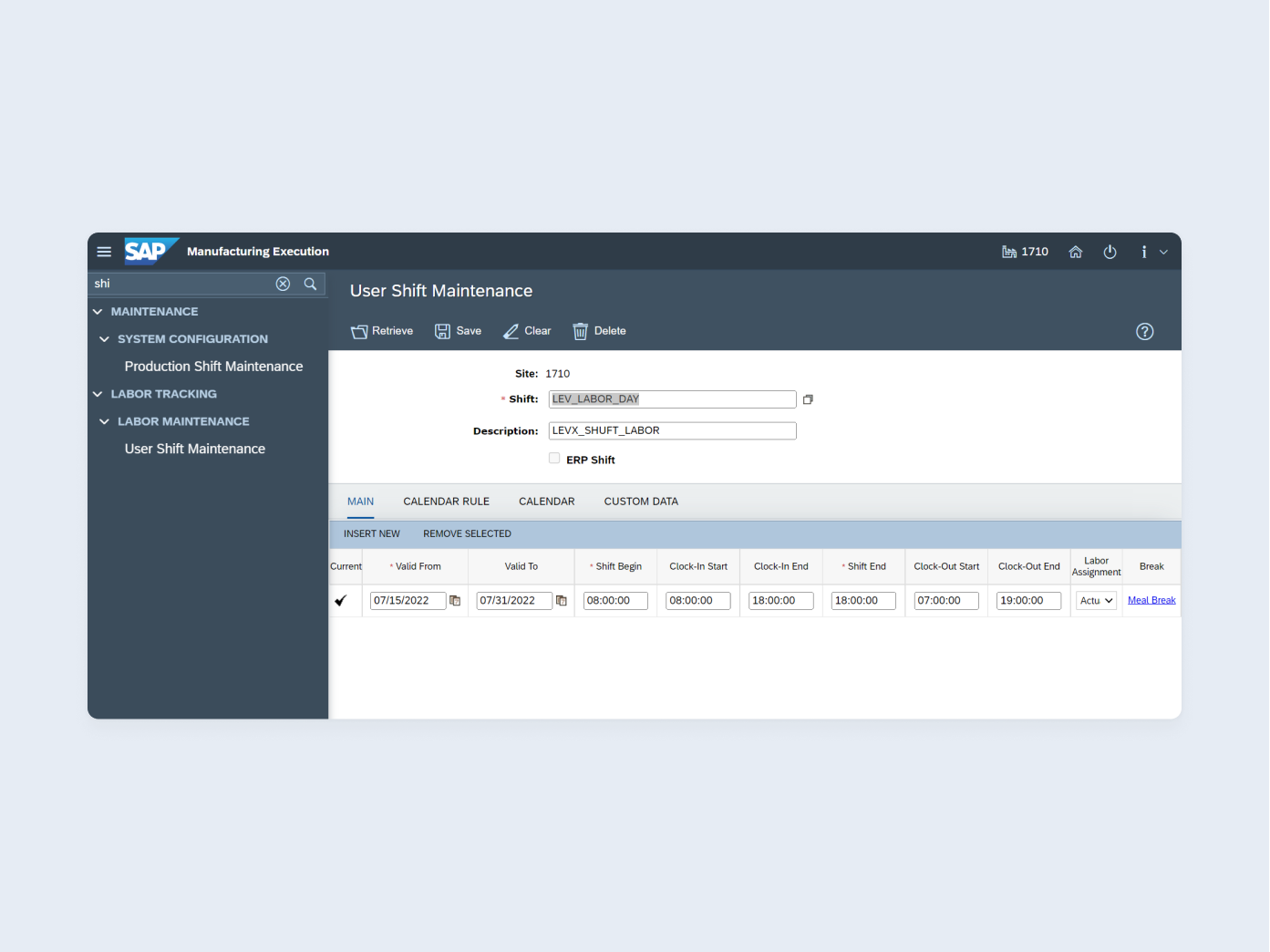
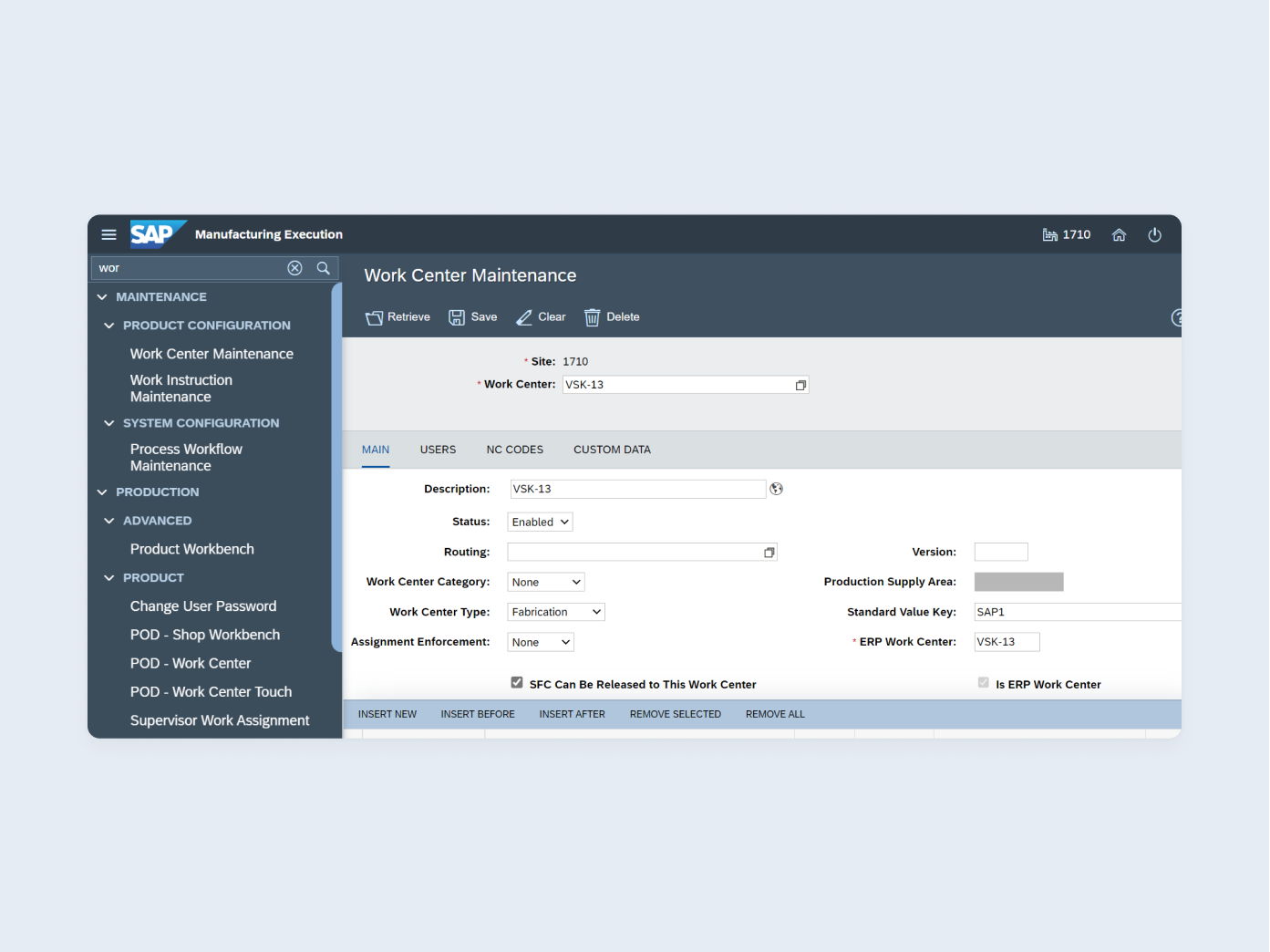
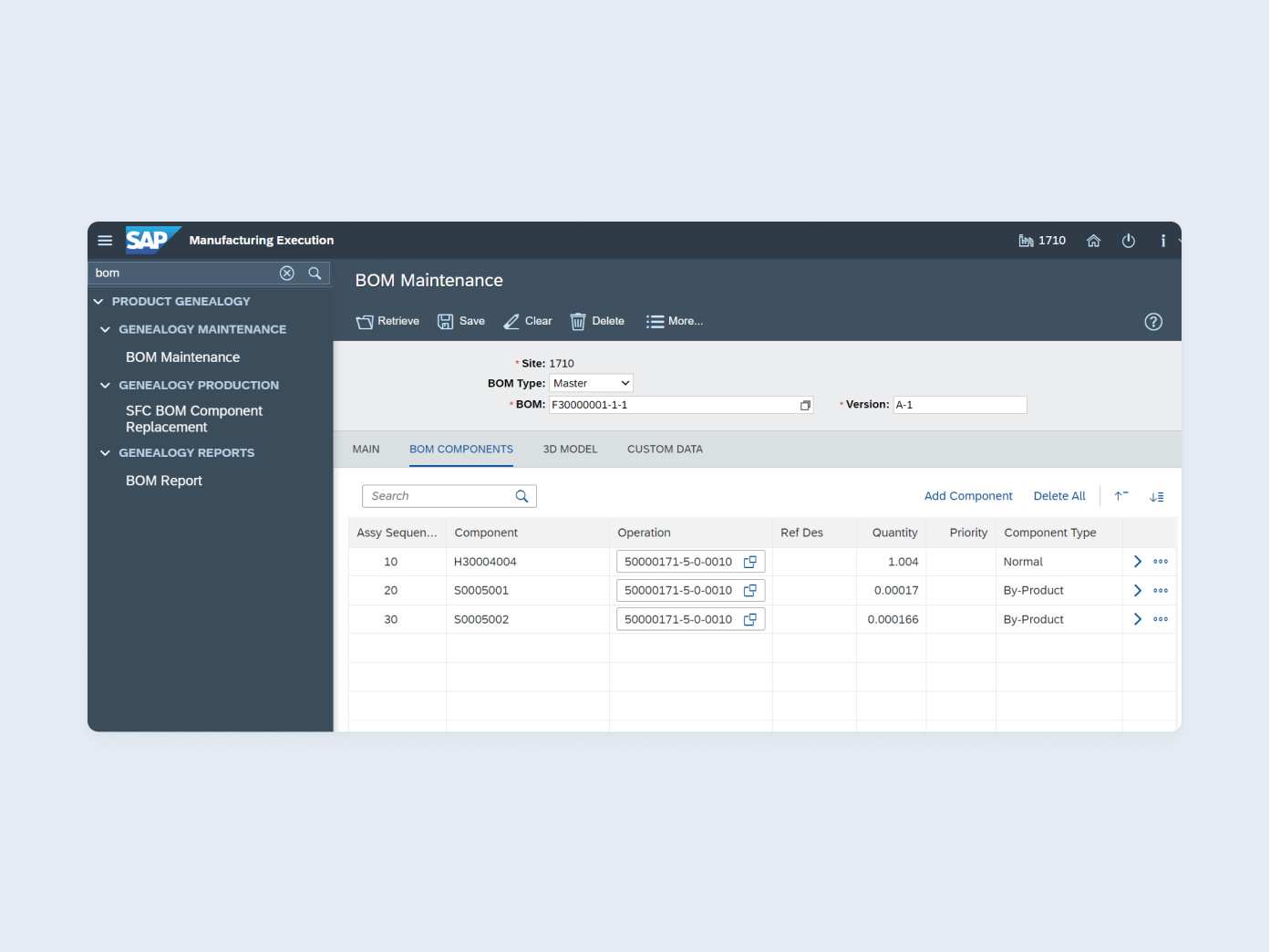
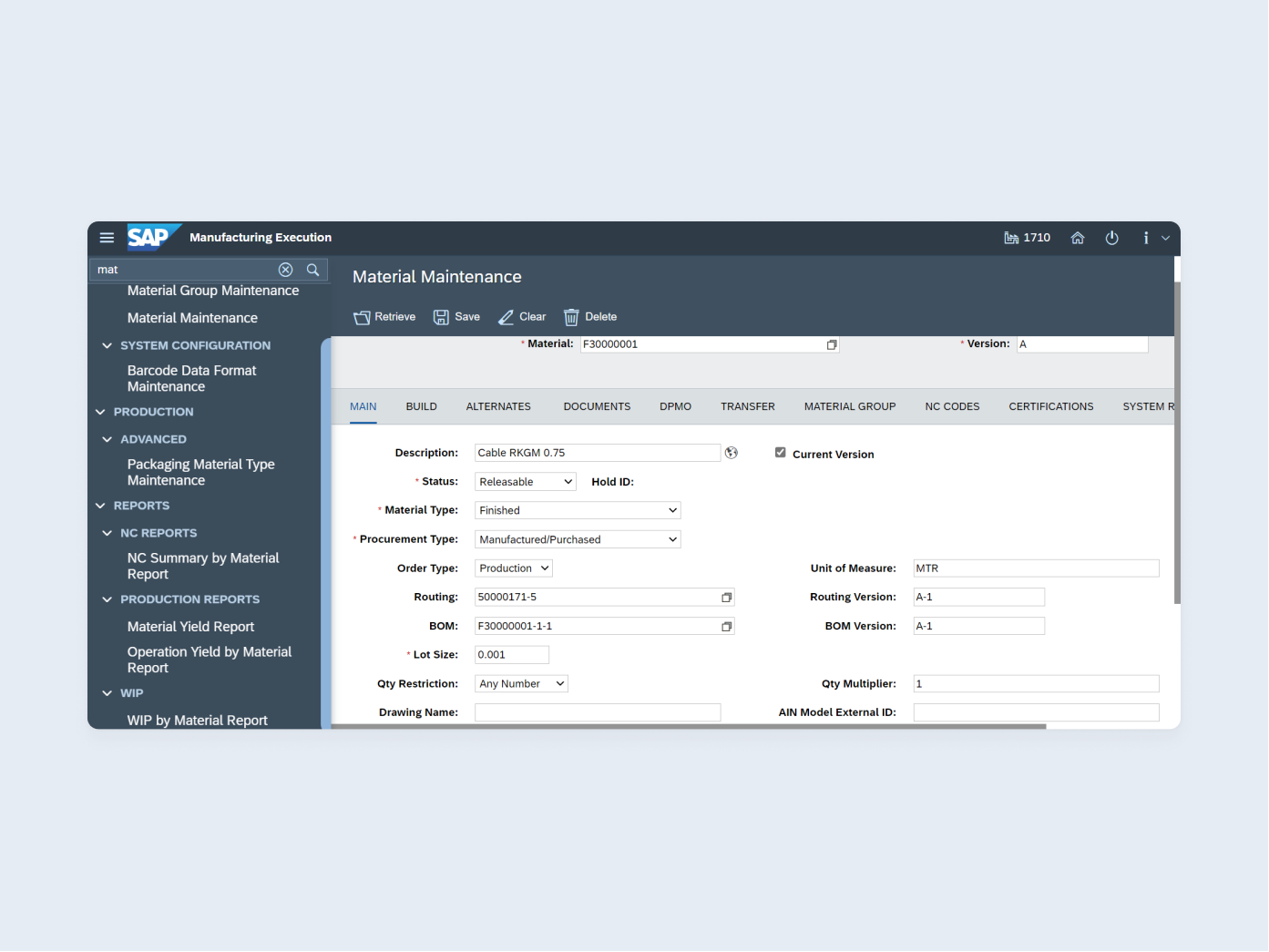
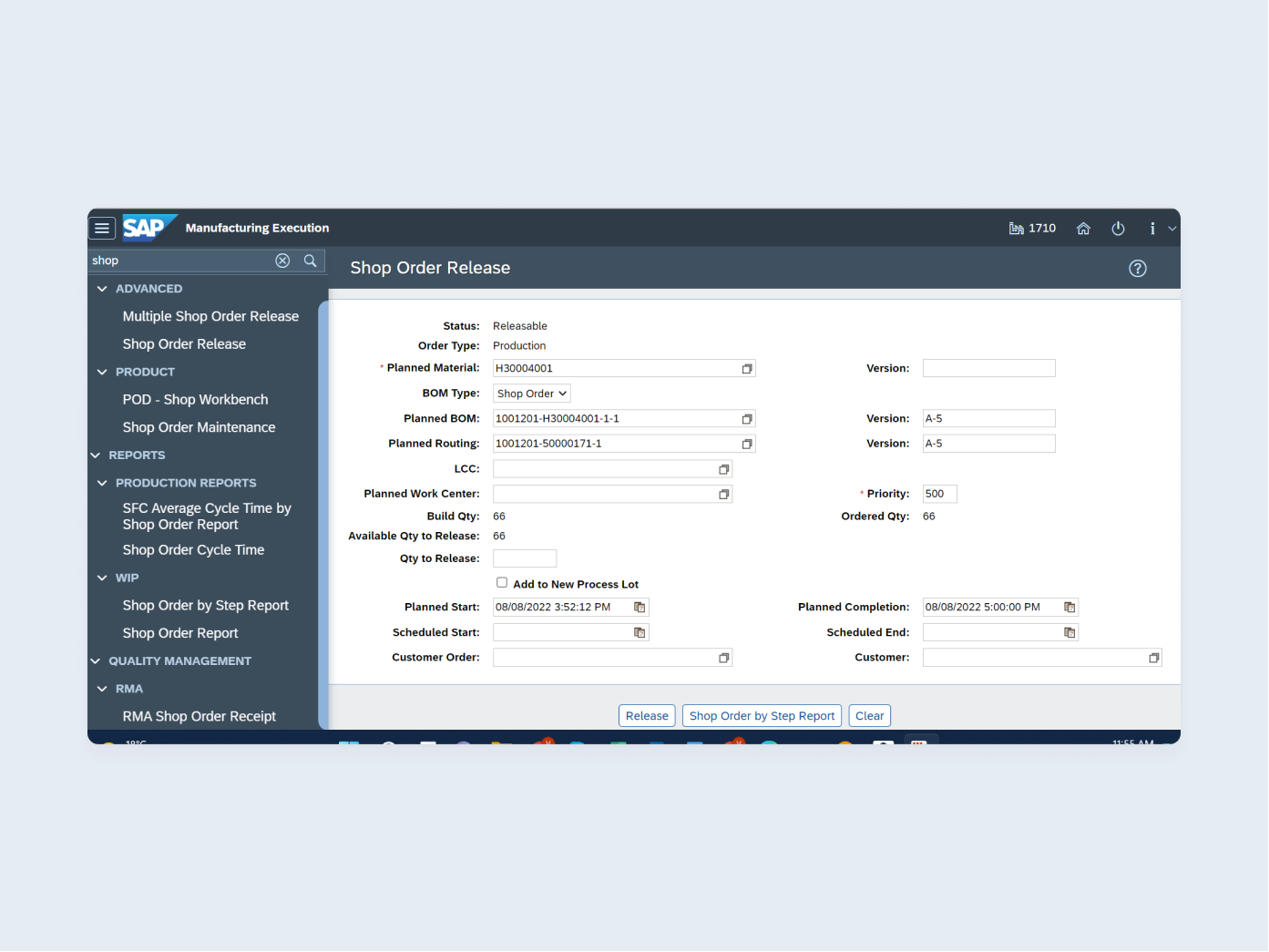
main banner

SAP Manufacturing Execution Systems (MES)

Connect production operations with real-time shop-floor data, quality management, and end-to-end traceability. For new SAP-based MES implementations, explore SAP Digital Manufacturing (SAP DM). For existing SAP Manufacturing Execution (SAP ME) environments, get expert support, system optimization, and migration guidance.

Improve Control Across Shop-Floor Operations

MES helps manufacturers turn real-time production data into better operational control across the shop floor.
Time

Faster response to production issues

Identify delays, deviations, and bottlenecks earlier so teams can react before they have a larger impact on output.
Control

Better production visibility

Give production teams a clearer view of work in progress, resource status, and current shop-floor activity.
Network_connected-1

Stronger traceability

Maintain a more complete record of materials, components, production steps, and quality events throughout the manufacturing process.
logo-4

More consistent execution

Support standardized production processes and operator guidance across shifts, lines, and production areas.
Vote

Improved quality control

Detect and document quality issues during production rather than relying only on downstream checks.
infrastructure

Better use of production resources

Use current information on equipment, labor, and production status to coordinate shop-floor resources more effectively.
LEVERX
Explore SAP Digital Manufacturing for a new MES project

What Business Issues Will You Overcome With MES?

This solution focuses on the establishment of clear and consistent processes. To achieve this, SAP MES carries out multiple daily activities.
Sophisticated Manufacturing Facility At Golden Sunset

Production execution

  • Coordinate shop-floor activities as production orders move through execution
  • Track work in progress and current production status
  • Support dispatching and execution-level sequencing

Data Collection

Production data collection

  • Capture production data from operators, equipment, and connected systems
  • Record production confirmations, material consumption, and other execution data
sap-basis-monitoring-dashboard-systemow-sap

Shop-floor visibility

  • Monitor production status, work in progress, and current execution conditions
  • Identify delays, deviations, and execution issues as they occur
Product Quality Control

Quality execution

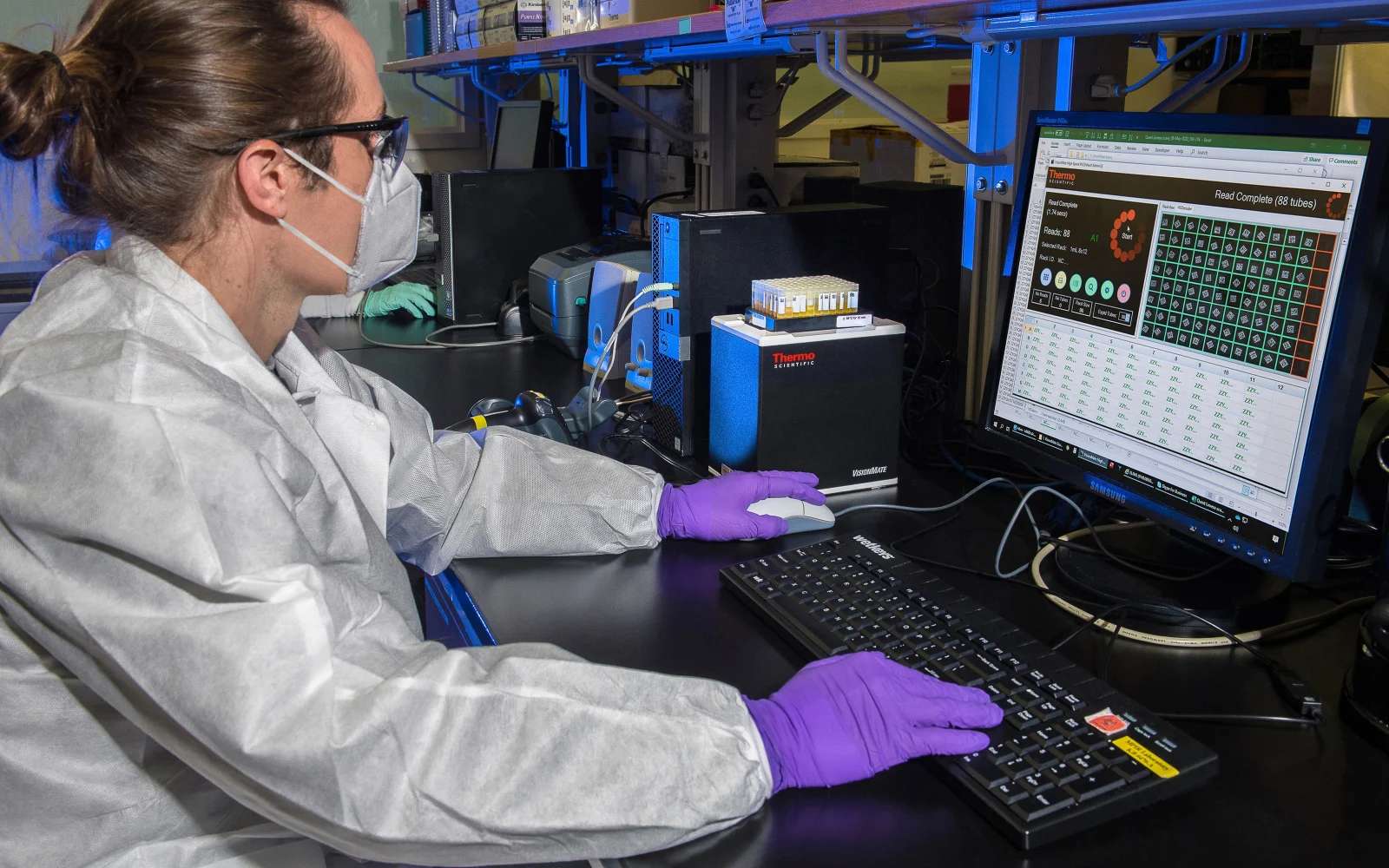
  • Support in-process inspections and quality checks
  • Track deviations and related production records
  • Document quality activities during execution

Analytics

Traceability

  • Track materials and components used in production
  • Maintain genealogy across production steps and finished products

Performance Analysis

Resource coordination

  • Monitor the availability and utilization of machines, lines, and work centers
  • Coordinate production resources based on current execution needs

SAP-License-Support

Operator support

  • Provide operators with production instructions and relevant execution information
  • Support consistent execution across shifts, lines, and production areas

How Does SAP MES Work?

1

Receipt and activation of the production order from the ERP system

2

Coordination of production activities with material availability and staging processes

3

Tracking capacity utilization across machines and production lines

4

Collection and analysis of production data

5

Transfer of production confirmations and material consumption data to SAP ERP or SAP S/4HANA, where the corresponding inventory and cost postings are processed

Plan your SAP ME-to-SAP DM transition

Integrations Across the MES Landscape

MES environments depend on connections with ERP, quality, warehouse, shop-floor, and equipment systems. The exact integration landscape depends on whether an organization is running an existing SAP ME environment or planning a new MES architecture. For new SAP-based MES projects, SAP DM should be evaluated as the target SAP platform.

  • SAP S/4HANA: Connects manufacturing execution with ERP processes by exchanging production, material, and confirmation data between the shop floor and SAP S/4HANA.

  • SAP Manufacturing Integration and Intelligence (SAP MII): In legacy SAP ME landscapes, SAP MII can support shop-floor data integration, tracking, dashboards, and reporting.

  • SAP Plant Connectivity (SAP PCo): In legacy SAP ME landscapes, SAP PCo can connect machines and production lines with manufacturing systems and capture production data from shop-floor equipment.

  • Production Connector for SAP DM: Connects SAP DM with shop-floor systems, machines, and equipment, enabling production data exchange between local manufacturing environments and SAP Digital Manufacturing.

  • SAP Extended Warehouse Management (SAP EWM): Connects warehouse processes with production supply to support staging and replenishment based on manufacturing demand.

How We Can Help

LeverX helps companies implement SAP Digital Manufacturing in new SAP-based MES projects, support and optimize existing SAP ME environments, and plan the transition between them.
SAP ME and SAP DM consulting

SAP ME and SAP DM consulting

We assess your manufacturing processes, existing systems, integration landscape, and business requirements to help define the right MES strategy.
Implementation

SAP DM implementation

For new SAP-based MES projects, our team can implement SAP DM and integrate it with your SAP and shop-floor landscape.
Support

SAP ME support and optimization

We provide application support for existing SAP ME environments, including incident resolution, configuration changes, integration support, existing extensions, performance and stability improvements, and landscape assessment.
sap-s4hana-finance-migration-errors-cover

SAP ME to SAP DM transition

Move from SAP ME and related SAP MII and SAP PCo components to SAP DM in phases while minimizing disruption to production and accounting for existing processes, integrations, and technical dependencies.
Integration

SAP ME and SAP DM integration

LeverX connects manufacturing execution systems with ERP, warehouse, quality, equipment, and other production systems to support consistent data exchange across the landscape.
Learn More About Our SAP Services

Industries We Serve

LeverX helps manufacturers across discrete and process industries implement SAP Digital Manufacturing, optimize existing SAP ME environments, and modernize shop-floor operations to meet industry-specific production, quality, and traceability requirements.

Our Partnerships

LeverX works with hardware providers such as Zebra, Honeywell, and others to support connected manufacturing and warehouse environments.

We can help select and supply barcode scanners, printers, industrial computers, RFID equipment, sensors, and other shop-floor hardware as part of an integrated manufacturing or warehouse solution.

Why LeverX?

Proven track record

For over 20 years, we have helped businesses worldwide succeed with SAP. We’ve already completed 1,500+ projects for over 900 clients, including top names on the Fortune 500 list.

Industry experts

The LeverX team comprises professionals with hands-on knowledge in 30+ industries, including manufacturing, logistics, and oil and gas.

SAP partnership

We implement SAP projects end-to-end 
and collaborate with SAP on the development and enhancement of its existing solutions.

Quality and security

LeverX follows internationally recognized ISO standards for quality management, information security, business continuity, and asset management.

SAP ME-to-SAP DM transition expertise

We help manufacturers assess existing SAP ME landscapes, map production processes to SAP Digital Manufacturing, address technical dependencies, and plan phased transitions with minimal disruption to operations.

Shop-floor integration expertise

We connect SAP ME and SAP Digital Manufacturing with SAP S/4HANA, production equipment, and other shop-floor systems, addressing legacy integration dependencies and supporting phased transitions.

SAP ME to SAP Digital Manufacturing Transition Roadmap

Move from SAP ME to SAP Digital Manufacturing in phases while minimizing disruption to production and accounting for existing processes, integrations, and technical dependencies.
  • Landscape assessment: Review the existing SAP ME, SAP MII, SAP PCo, ERP, integration, and shop-floor environment.
  • Process assessment: Identify business-critical manufacturing processes, customizations, interfaces, and technical dependencies.
  • Transition scope and readiness: Define the initial transition scope, key stakeholders, project responsibilities, dependencies, and risks.

Assess

  • Process mapping: Evaluate existing SAP ME processes against standard SAP Digital Manufacturing capabilities through fit-to-standard workshops.
  • Gap identification: Determine which processes can be reproduced with standard SAP Digital Manufacturing capabilities and where redesign or alternative approaches are required.

Map

  • Target architecture: Define the future SAP DM landscape and system responsibilities.
  • Integration design: Plan integrations with SAP S/4HANA or SAP ERP, warehouse, quality, equipment, and other connected systems.
  • Transition planning: Define the sequence for moving processes, production areas, or sites.

Design

  • System configuration: Configure SAP Digital Manufacturing for the agreed production scenarios.
  • Integration and iterative testing: Build and adapt interfaces for the target landscape, validating data flows and production scenarios throughout implementation.
  • Data transition: Define and execute the required master, configuration, and operational data transition based on the target design.

Configure and integrate

  • Testing: Validate production processes, integrations, data flows, and business-critical scenarios.
  • User readiness: Prepare users for the new manufacturing execution environment.
  • Cutover: Move selected processes, production lines, or sites according to the transition plan.

Validate and cut over

  • Stabilization: Monitor the new environment and resolve post-transition issues.
  • Process optimization: Refine manufacturing processes based on operational experience.
  • Ongoing support: Maintain and improve the SAP Digital Manufacturing landscape after transition.

Optimize