










main banner

SAP Ariba Sourcing

Simplify sourcing and focus on what really matters — growing your business.

Key Benefits of SAP Ariba Sourcing 

Network_connected-1

Centralized workspace

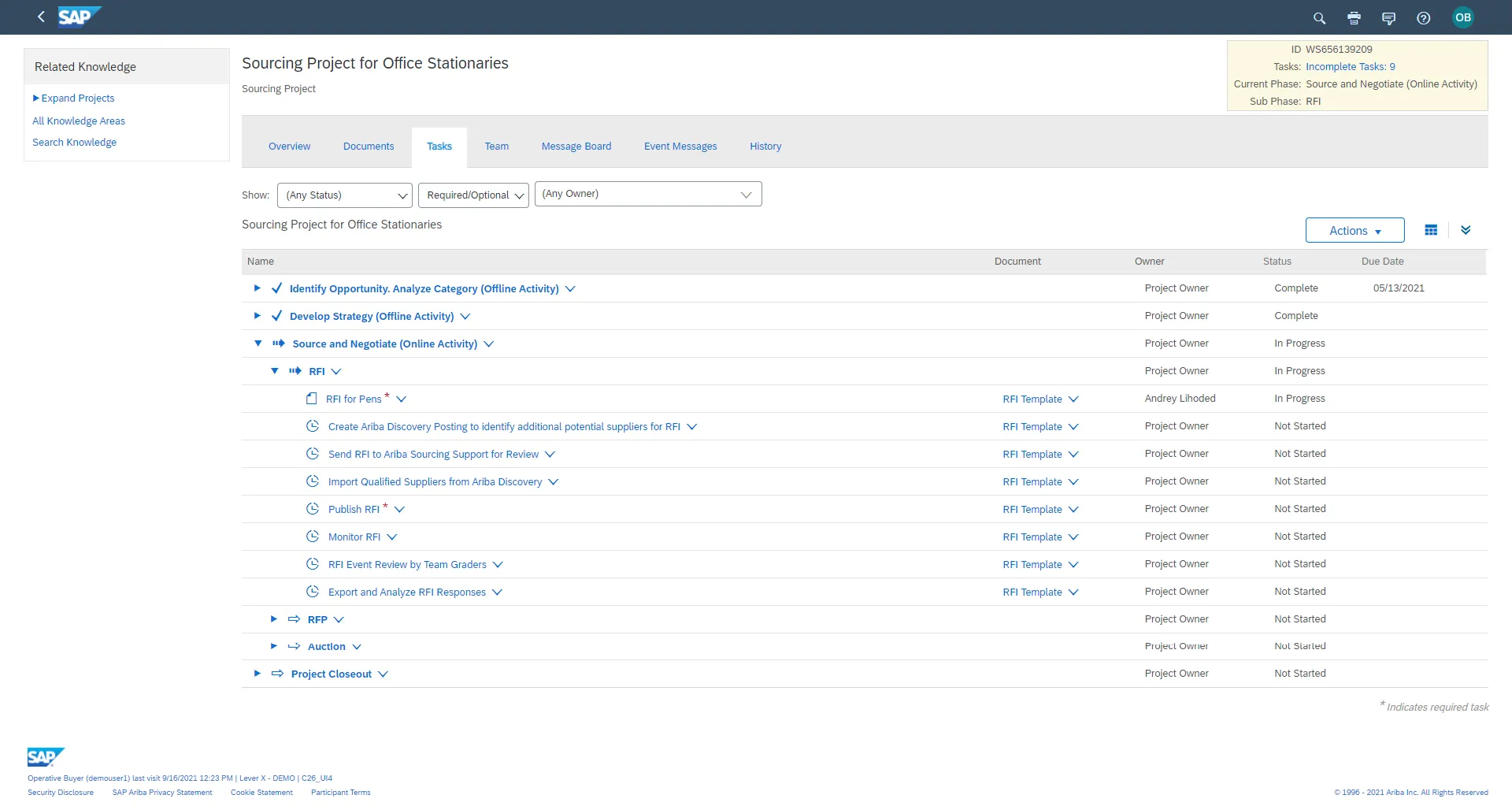
With Ariba Sourcing, the main sourcing tasks sit in one place. RFx documents, supplier messages, and bids are handled in the same environment, so teams aren’t digging through emails or updating several spreadsheets at once.
Control

Transparent spend and supplier picture

The system shows how money is being spent and how suppliers are performing. This makes it easier to identify categories that could be sourced more effectively or suppliers that stand out, for better or worse.
Touch-1

Same process for every event

Ariba uses a single workflow across departments. Everyone follows the same steps, which makes the overall source-to-contract path easier to manage and avoids the “everyone does it differently” problem.
Time

Quicker turnaround times

Part of the routine work — preparing RFx packages, gathering responses, and lining up bids for review — is handled by the system. This usually shortens the cycle and leaves more time for actual analysis.
integration

Consistent data across systems

Since Ariba Sourcing exchanges information with S/4HANA and SAP Business Network, material and supplier data stay aligned, and teams aren’t correcting codes or comparing several versions of the same file.
Vote

Simpler audit trail

Approvals, documents, and all event activity are recorded automatically. When someone needs to review a past event, the information is already there instead of spread across folders or old email threads.
LEVERX
HOW WILL IMPLEMENTING SAP ARIBA SOURCING AFFECT YOUR BUSINESS? LET’S FIND OUT DURING OUR FREE CONSULTATION

Where Traditional Sourcing Falls Short

Sourcing teams often deal with the same set of problems — long back-and-forth cycles, information spread across different files, and supplier bids that are tough to compare. SAP Ariba Sourcing brings order to that workflow, and when LeverX handles the setup and integrations, companies can move away from manual routines and toward a sourcing process that’s simply easier to manage day to day.
Lengthy sourcing cycles
Before teams start using SAP Ariba Sourcing, a lot of the work still runs through emails and scattered documents. Putting together RFx files, collecting supplier responses, and getting the right people to sign off often takes much longer than anyone expects.
Limited visibility into ongoing events
Without a single place to manage everything, it’s difficult to keep track of where each sourcing event stands. Teams end up guessing who replied, what’s still pending, or why the process has stalled.
Hard-to-compare supplier responses
Suppliers submit bids in different formats — PDFs, spreadsheets, and email text. Evaluating them side by side becomes a manual, error-prone task, and important details can be missed.
Inconsistent use of sourcing steps
Different teams run events their own way. Some follow the full process, others skip steps or use outdated templates. This creates uneven quality and makes it difficult to maintain sourcing standards across the company.
Weak connection between negotiated terms and final contracts
When negotiation results are stored in separate files or emails, they don’t always make it into the final contract. The terms agreed during the event may not match what ends up being signed.
High dependence on manual effort
A lot of time gets lost on basic tasks: finding the right supplier files, figuring out which version is current, pulling numbers into a comparison table, and keeping some record for later. When all of this is done manually, the whole process drags on, and there’s barely any time left actually to look at the data and make decisions.

Key Features of SAP Ariba Sourcing

Electronic RFx management and structured bid evaluation

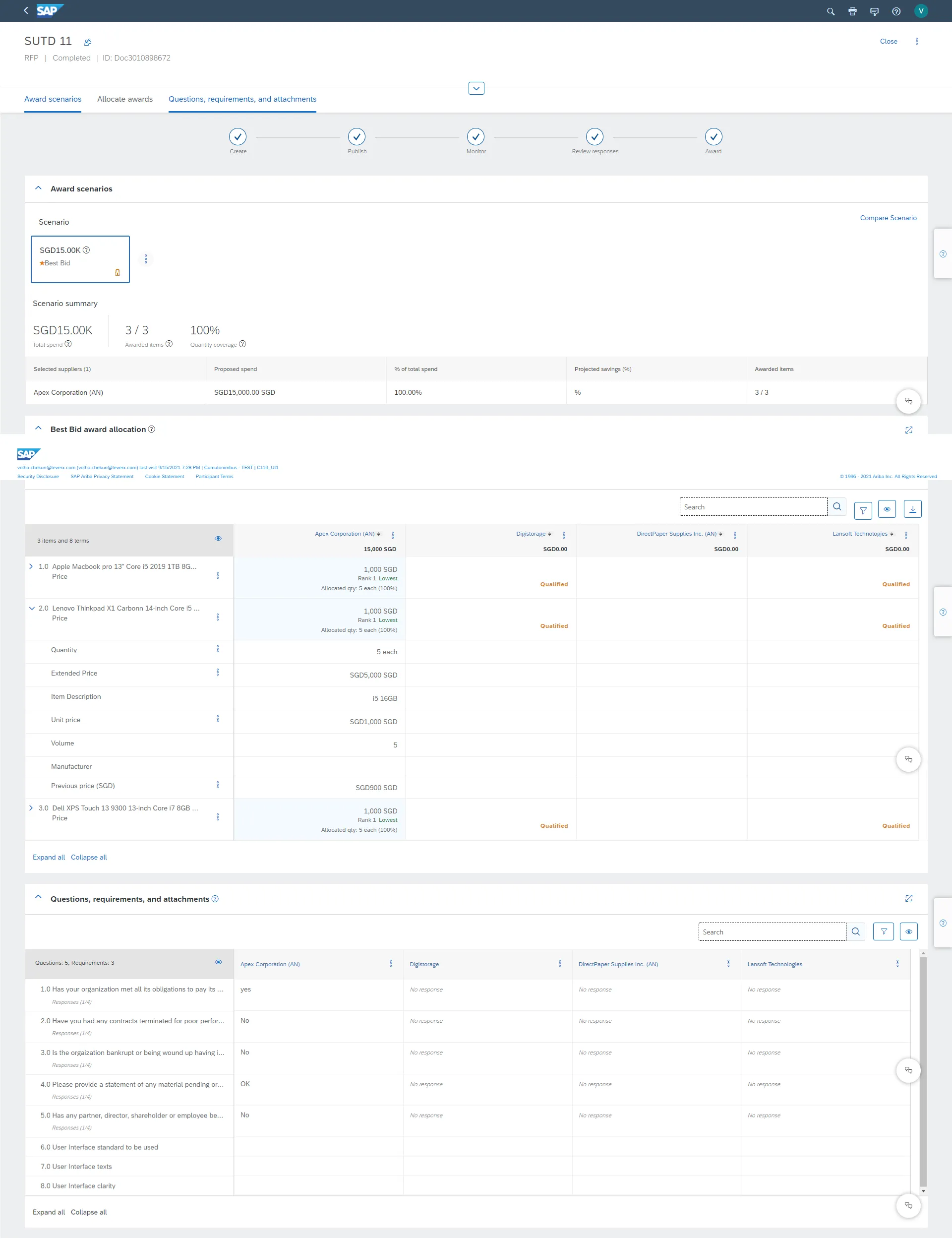
Create RFx packages, publish them to suppliers, and review responses in a single format. The system eliminates unstructured files and provides consistent data for evaluating technical and commercial proposals.

Engineering-driven sourcing

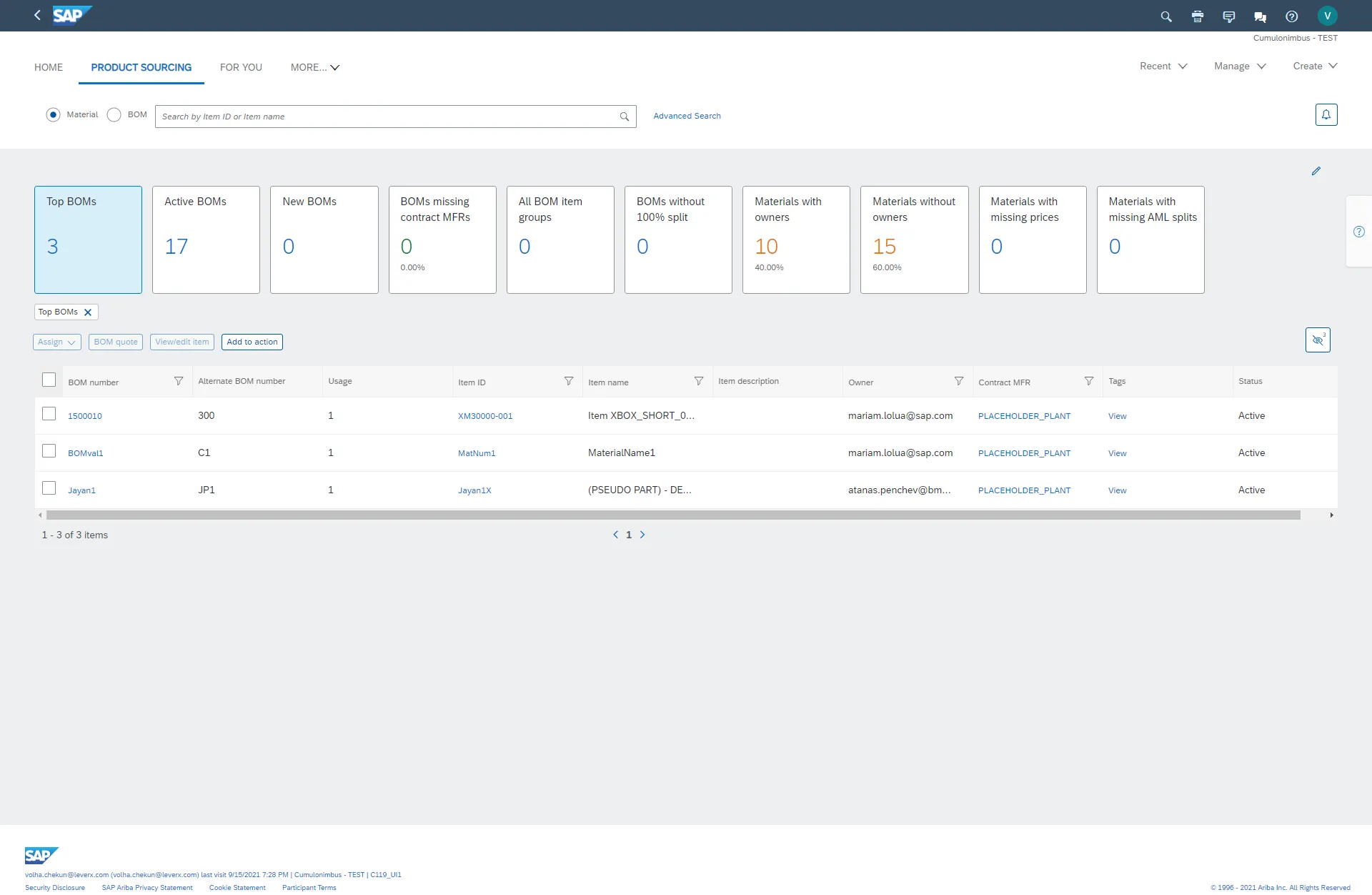
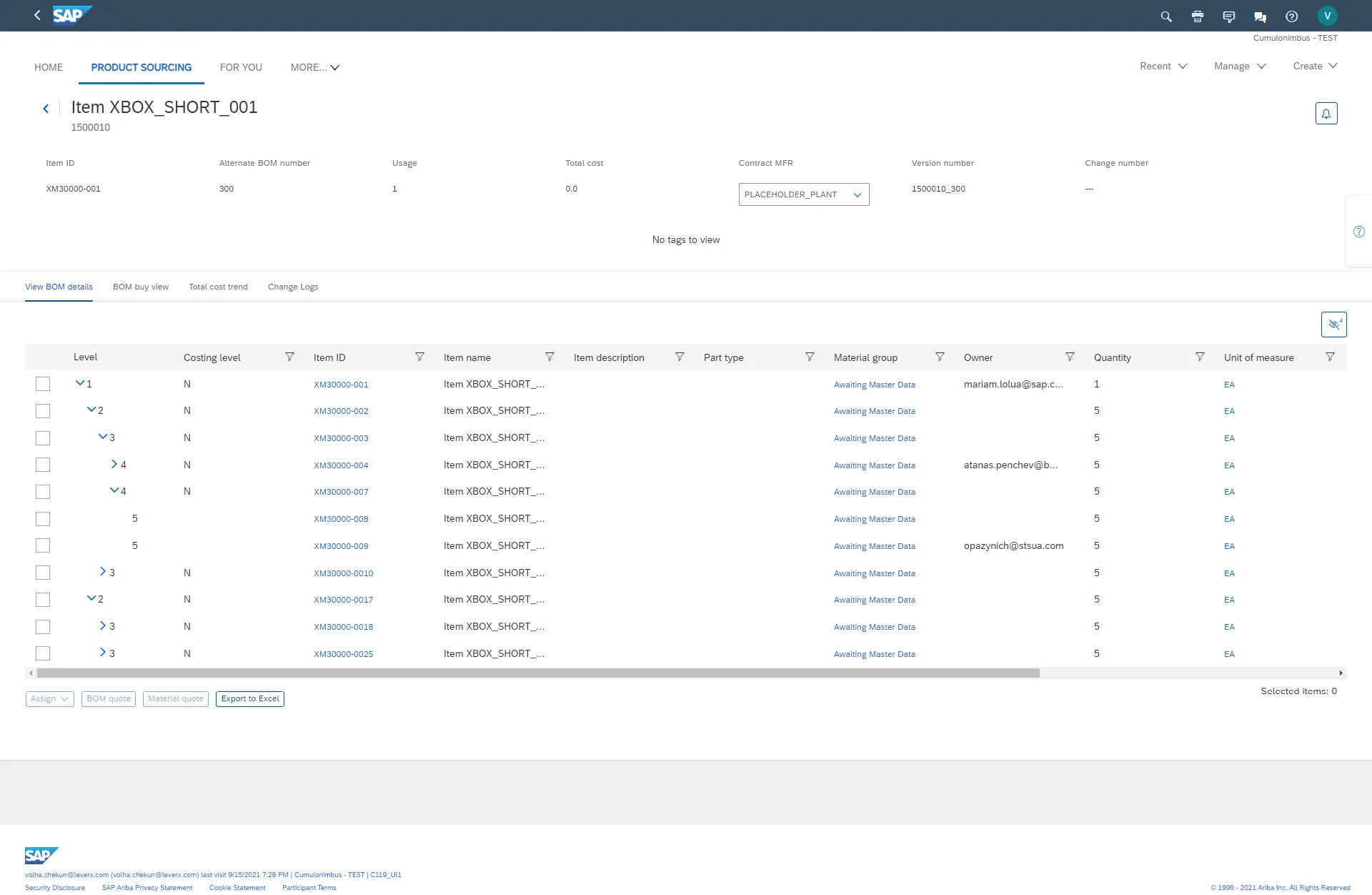
SAP Ariba Sourcing can pull BOMs, material master data, and revision control data directly from PLM systems. This allows sourcing teams to compare component-level changes and evaluate cost impact using current engineering data, not outdated spreadsheets.

Consolidated supply and price insights

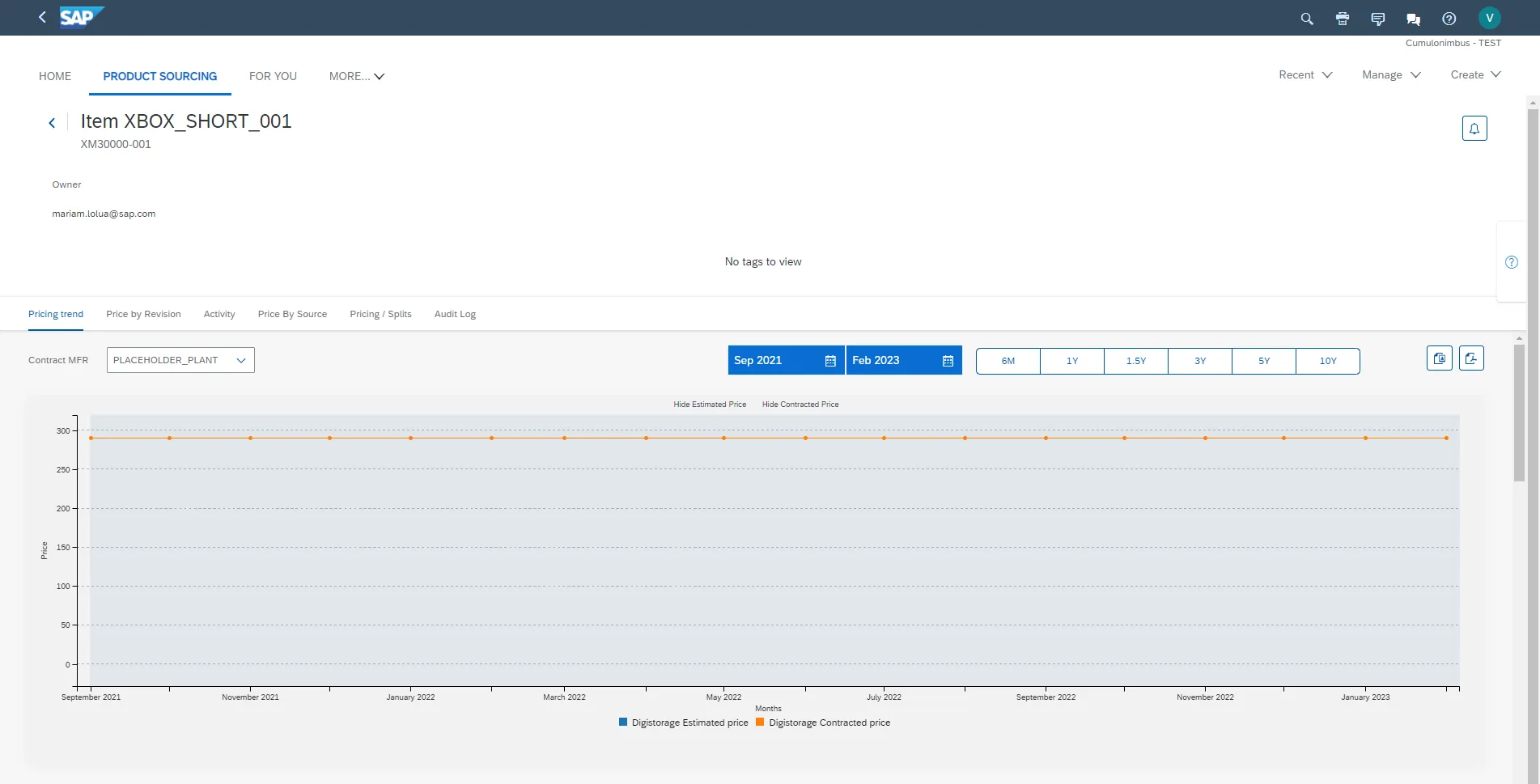
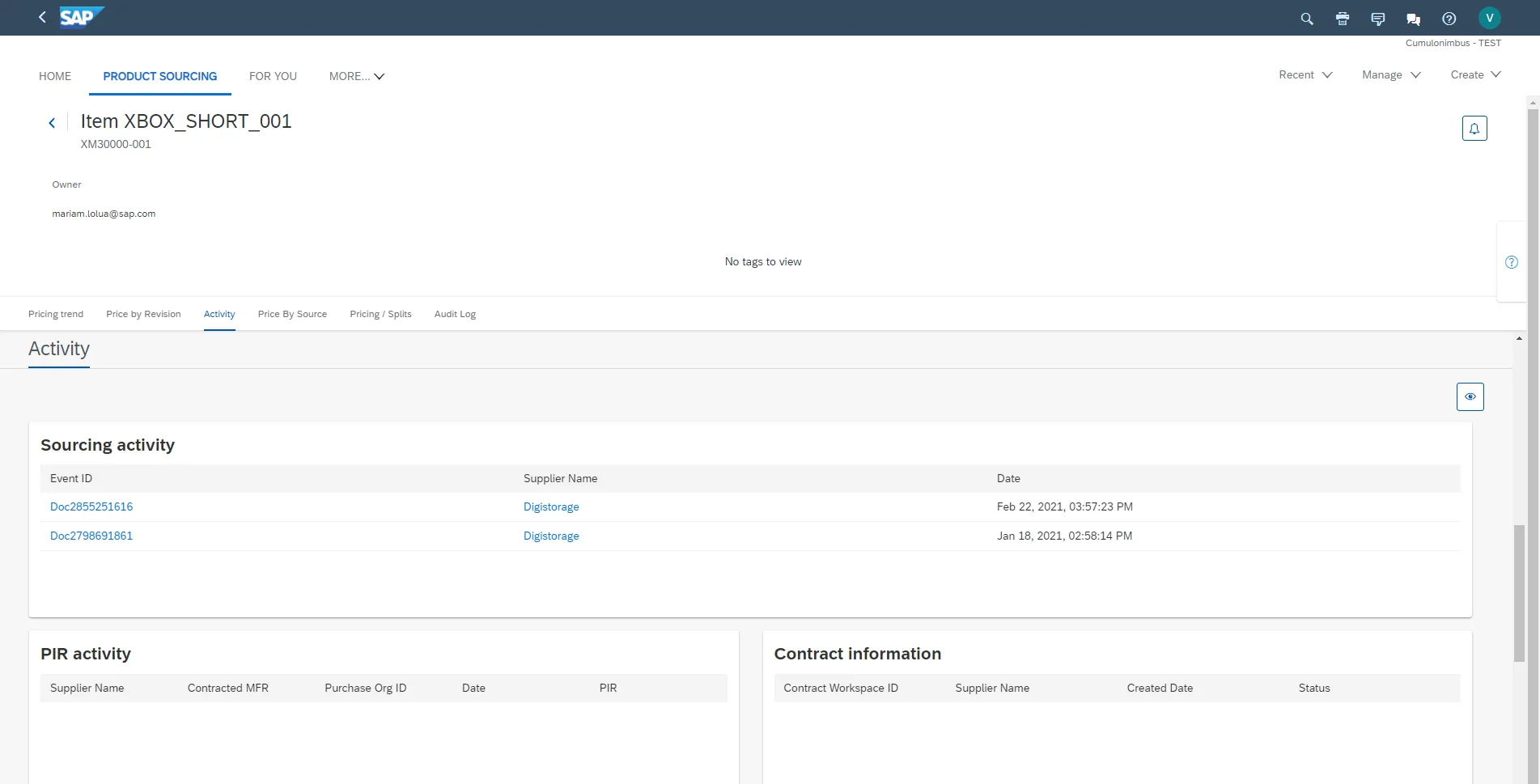
The system brings together material price history, supplier activity, and sourcing event data in one view. This gives teams a clear picture of the supply base and supports more informed sourcing decisions.

Total landed cost calculation

Calculate total costs, including logistics and taxes, to effectively compare prices across different commercial terms.

Cost breakdown analysis

Identify potential savings by configuring cost breakdowns using detailed costing information gathered from suppliers.

Services We Offer

LEVERX
READY TO TRANSFORM YOUR BUSINESS WITH SAP ARIBA SOURCING? CONTACT US TO GET STARTED!

Integration Capabilities of SAP Ariba Sourcing Across the SAP Ecosystem

Linking Ariba Sourcing with your other SAP systems keeps the process moving without extra steps. Teams work with the same data, sourcing results move straight into purchasing and contract activities, and there’s no need to re-enter information by hand. Here’s a quick look at the key SAP systems Ariba Sourcing works with and what these integrations mean in day-to-day operations.

  • SAP S/4HANA: Ariba Sourcing pulls its materials, suppliers, and price history from S/4HANA. It doesn’t require anything to be rebuilt. After the event, the selected supplier and the agreed terms go back into S/4HANA. That way, the data used during sourcing matches what purchasing and finance see later.
  • SAP Business Network: SAP Business Network is the main channel for working with suppliers during sourcing. Invitations, RFx files, questions, and responses go through the network instead of long email threads. Suppliers submit their bids in their own workspace, and the information appears in Ariba Sourcing in a clean, uniform format. This cuts down on manual work and makes it easier to compare offers fairly.
  • SAP Business Technology Platform (SAP BTP): When standard Ariba Sourcing integrations aren’t enough, SAP BTP fills the gap. It can connect Ariba to legacy or specialized systems, handle data preparation, or apply custom evaluation logic. BTP also coordinates data movement in hybrid setups, keeping sourcing information consistent.
  • SAP Product Lifecycle Management (PLM): If sourcing needs to follow engineering changes closely, Ariba Sourcing can connect to a PLM system through standard or BTP-based integration. This pulls BOMs and updates straight into the sourcing view, so teams aren’t working from outdated spreadsheets. It also makes it easier to compare BOM versions and see how design changes influence cost.
  • SAP Ariba Contracts: Results from SAP Ariba Sourcing flow naturally into contract management. Awarded suppliers, negotiated pricing, and terms can populate contract workspaces, reducing manual input and shortening cycle times. This integration ensures a smooth transition from sourcing decisions to legally binding agreements.
  • SAP Fieldglass: When companies source external workforce services or complex service packages, SAP Fieldglass can work alongside Ariba Sourcing. Specifications created in Fieldglass can be used during sourcing events, and awarded rates or service providers can be transferred back. This gives procurement and HR teams a unified view of service-related spend.
  • SAP Concur: Concur and Ariba Sourcing don’t talk to each other directly. Once Concur data is in S/4HANA, indirect spend is gathered in one view. It becomes easier for sourcing teams to see where the money goes and identify indirect categories that could benefit from sourcing.

Customers’ Success Stories

We Support Your Business Domain

Leveraging our experience with SAP together with diverse industrial expertise, we’ll help you select solutions that will drive meaningful, long-term value for your company.

Why Choose LeverX as Your SAP Implementation Provider?

Proven track record

For over 20 years, we have helped businesses worldwide succeed with SAP. We’ve already completed 950+ projects for over 800 clients, including top names on the Fortune 500 list.

Industry experts

The LeverX team comprises professionals with hands-on knowledge in 30+ industries, including manufacturing, logistics, and oil 
and gas.

SAP partnership

We implement SAP projects end-to-end 
and collaborate with SAP on the development and enhancement of its existing solutions.

Quality and security

LeverX operates in compliance with international standards such as ISO 9001, ISO 27001, ISO 22301, and ISO 55001, ensuring reliability and quality in every project.

Investment in innovation

We actively integrate advanced technologies, such as Data Science, IoT, AI, Big Data, Blockchain, and others, to help clients efficiently address their business challenges.

Flexibility

Our team is available 24/7, which enables us to quickly deploy projects, maintain process transparency, and adapt each development phase to meet your specific requirements.

SAP Ariba Sourcing Implementation Roadmap

We follow the SAP Activate methodology, which breaks down the implementation of SAP Ariba Sourcing into six essential stages:
  • Current Processes Evaluation: Assess existing business processes and identify the organization's needs.
  • Defining Technical Requirements: Create a detailed specification of the functional and technical needs of the new system.

Discover

  • Setting Goals and Objectives: Establish and agree on the goals to be achieved throughout the project.
  • Assembling the Project Team: Appoint team members and define their roles and responsibilities.
  • Project Plan Development: Create a comprehensive plan that outlines project phases, timelines, resources, and key performance indicators.
  • Budget Determination: Estimate and approve the budget needed for implementing SAP Ariba Sourcing.
  • Specifications Preparation: Develop the technical and functional specifications for the development team.

Prepare

  • Ensuring Business Requirements are Met: Check that SAP Ariba Sourcing aligns with business requirements and project objectives.
  • Data Validation: Verify the accuracy and compliance of the data.

Explore

  • Data Migration: Transfer data from existing systems to SAP Ariba Sourcing.
  • System Configuration: Set up SAP Ariba Sourcing according to requirements and specifications.
  • Customization: Develop additional features and modules, if the standard solution does not meet all needs.
  • Integrations: Configure SAP Ariba Sourcing to work with other IT systems and applications.

Realize

  • Testing: Perform functional, integration, regression, and load testing to ensure that all aspects of SAP Ariba Sourcing work correctly.
  • User Training: Organize sessions to help users become familiar with the new system.

Deploy

  • System Readiness Check: Verify that the system is ready for operational use.
  • Launch: Officially transition to active use of SAP Ariba Sourcing.
  • Ongoing Support: Continuously monitor SAP Ariba Sourcing to identify and resolve any issues.

Run