








SAP Consulting for UK Consumer Goods Leaders
We design and implement SAP systems that support accurate demand planning, controlled production, and compliant reporting across UK operations. We connect S/4HANA, retail partner systems, and data platforms to keep supply chains stable and auditable.
LeverX is an SAP Gold Partner with more than twenty years of experience delivering ERP and data platform projects across manufacturing, retail, and distribution. We support consumer goods companies in the UK with SAP S/4HANA implementation, system conversion, and landscape optimisation. Our teams configure core processes for demand planning, production, warehousing, and financial reporting based on how the business operates.
We integrate SAP S/4HANA with SAP Business Technology Platform services and external retail systems used by UK partners. This includes data exchange with major retailers, customer data management, and analytics for sales and inventory control. Our specialists also address UK-specific requirements, including VAT handling, regulatory reporting, and traceability of goods across the supply chain.
Why SAP Matters for UK Consumer Goods Operations
Retail shelves do not wait for internal reports. They change based on daily sales. Consumer goods companies often react to data that is already outdated. Stock moves in one system. Finance closes in another. Demand planning sits in spreadsheets.
This separation creates a timing gap. Decisions arrive after the market has already moved. SAP addresses this by linking operational data into one controlled structure. SAP S/4HANA records transactions across sales, supply chain, and finance in the same system. SAP Consumer Products functions support pricing, promotions, and product hierarchies used in fast-moving retail environments. SAP Business Technology Platform connects external retail and e-commerce systems and standardises data exchange.
The result is not transformation as a concept. It is operational alignment across functions that normally run at different speeds.
UK consumer goods companies apply SAP consulting and implementation to solve specific operational requirements:
-
Retail data synchronisation. Capture sales and stock data from UK retail partners and align it with internal planning cycles.
-
Production planning based on demand signals. Adjust manufacturing schedules using near real-time sales and inventory data from S/4HANA.
-
Direct-to-consumer order processing. Process online orders and returns within the same system used for wholesale distribution.
-
UK regulatory reporting. Generate VAT reports and product traceability records directly from transactional data.
What Changes When SAP Runs Your UK Consumer Goods Operations
Automated reporting for packaging and materials
Supplier visibility across multiple tiers
Controlled product classification for food regulations
Customs processing for UK and EU trade flows
Structured ESG and carbon reporting
Operational response to supply disruptions
Not sure what SAP changes in your operations? We map your current processes and show where SAP fits.
SAP Solution Landscape for Consumer Packaged Goods
SAP Cloud ERP
Supports day-to-day execution of procurement, sales, and production processes. All transactions are recorded in real time within one ERP system used across UK operations.

SAP S/4HANA Finance
SAP Central Finance
SAP Asset Management
How We Can Help
Strategic advisory and consulting
End-to-end implementation

Ecosystem integration and extensions

Data management and governance
AI-powered analytics and operational insight
Customers' Success Stories
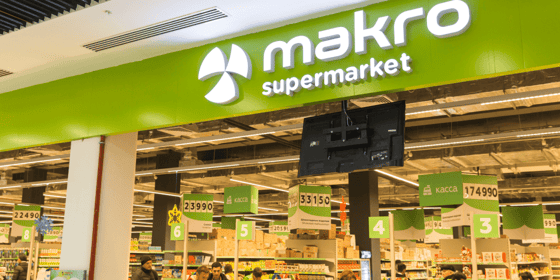
Accounting Process Transformation For a Large Supermarket Chain

SAP Customization Project for a Large Food Retailer
Revolutionizing Distributors' Sales Performance

Implementation of SAP S/4HANA Private Cloud for Safia
Why Choose LeverX
Proven track record
Deep UK industry knowledge
SAP partnership and product expertise
Quality, security, and UK compliance
Engineering approach to innovation
Flexible delivery and ongoing support
WHAT OUR CUSTOMERS SAY
Our Approach to SAP for Consumer Packaged Goods in the UK
Assessment
- Operational landscape review: Analyse existing ERP systems, supply chain flows, retail integrations, and data structures.
- Regulatory scope definition: Identify UK-specific requirements such as VAT, Plastic Packaging Tax, and product traceability.
- Data quality check: Review product, supplier, and financial data for duplication and inconsistencies.
- Risk identification: Highlight gaps in reporting, compliance, and system performance that may affect implementation.
1.
Planning
- Implementation strategy selection: Define system conversion, new implementation, or hybrid approach based on current landscape.
- Process alignment: Map business processes such as demand planning, production, and distribution to SAP standard functionality.
- Integration planning: Define connections with UK retailers, logistics providers, and external platforms.
- Timeline and resource planning: Establish milestones, delivery phases, and team structure with measurable outcomes.
2.
Architecture design
- System architecture definition: Design SAP S/4HANA landscape, including core modules and required extensions.
- Data model structuring: Define product hierarchies, SKUs, and supplier data aligned with UK reporting needs.
- Compliance configuration: Plan VAT handling, packaging data tracking, and audit requirements within system design.
- Integration architecture: Design APIs and interfaces for data exchange with retail and supply chain systems.
3.
Pilot and validation
- Scope selection: Choose key processes such as order-to-cash or production planning for initial implementation.
- Configuration and setup: Deploy selected modules in a controlled environment.
- Testing and validation: Verify transaction accuracy, integration flows, and compliance reporting.
- Refinement: Adjust system configuration based on test results and operational feedback. regulatory requirements.
4.
Full implementation and support
- System deployment: Roll out SAP S/4HANA and connected solutions across all business units.
- Data migration: Transfer and validate master and transactional data from legacy systems.
- End-to-end testing: Confirm performance, security, and compliance before go-live.
- Ongoing support: Monitor system behaviour, apply UK regulatory updates, and optimise processes after deployment.
5.
FAQ
What changes in system design when using a “clean core” approach in SAP S/4HANA?
Most SAP systems accumulate custom code over time. This slows down upgrades and complicates testing. A clean core approach keeps S/4HANA close to standard and moves custom logic to SAP BTP. This separates stable ERP processes from changeable extensions. As a result, system updates can follow SAP release cycles with fewer regressions. It also reduces the effort required to introduce new regulatory changes in the UK environment.
How does SAP calculate and report UK Plastic Packaging Tax without manual input?
PPT reporting depends on accurate packaging data at product level. SAP stores material composition, including recycled content, within product master data. During production and sales transactions, the system calculates packaging weight and tax exposure. These figures are then aggregated into reports aligned with HMRC requirements. This removes the need to collect data from spreadsheets or external systems.
How does SAP ensure traceability across the supply chain for UK food safety requirements?
Traceability starts with batch-level data. SAP records each batch of raw materials, links it to production orders, and tracks its movement through warehouses and distribution. This creates a full record from supplier to finished product. If a quality issue occurs, the system identifies affected batches and their destinations. This allows companies to act based on system data rather than manual investigation.
How does SAP support internal controls and audit requirements under UK SOX practices?
Financial control depends on consistent transaction recording and traceability. SAP S/4HANA stores financial and operational data in one system with a shared data model. Each transaction includes user details, timestamps, and document flow. This creates a verifiable audit trail across processes. It allows audit teams to review data directly in the system without relying on reconciled reports.
How does SAP handle customs processes and trade rules between the UK and EU?
Contact Us
What happens next?
-
1
An expert will reach out to you to discuss your specific requirements and objectives.
-
2
We’ll sign an NDA to ensure any sensitive information is kept secure and strictly confidential.
-
3
We’ll work with you to prepare a customised proposal based on the project’s scope, timeline, and budget.
years of expertise
projects
professionals
Contact Us
CONTACT US
If you are looking for an SAP Global Strategic Supplier or Technology Partner for your business, fill out the form below, and we will contact you at short notice.