

SAP Activate explained: phases, delivery approaches, and how the methodology supports SAP S/4HANA implementations.
Let’s be honest, an ERP implementation that lasts for years, consumes all resources, and still fails to meet business objectives is more than unwelcome. In the old days, we approached SAP projects as skyscrapers created from scratch: we had a blank piece of paper before our eyes and wishes of good luck from architects.
Today, this approach leads to disaster: you get into a trap of technical debt and will most likely release the system to production when your original requirements become outdated. This is why SAP Activate was designed to change the situation. Instead of building from scratch, you start working with a preconfigured system and business processes that are ready to be initiated—everything aligned with industry standards. The Activate methodology in SAP allows you to adopt a new deployment model focused on prompt time-to-value and minimized technical debt.
Defining the Main Characteristics of SAP Activate
SAP Activate is a delivery framework that is used to assist in the implementation, migration, integration, and continuous improvement of SAP solutions, including SAP S/4HANA.
The approach was developed by SAP and launched in 2015 alongside SAP S/4HANA to solve the implementation gap; it was backed by data from numerous implementations to identify the most successful approaches. The creators emphasized standardization over customization and prioritized a hybrid approach, Agile with a Waterfall hull, which helps during planned and rapid deployment tasks.
So, SAP Activate is your navigator during the digital transformation of SAP S/4HANA. It encompasses three main components to make sure you stay on the right track.
Best practices
You get a library of preconfigured templates for documentation, configurations, and business processes. The templates are based on verified industry standards and successful implementations. It’s important that SAP doesn’t limit itself to a "one-size-fits-all" template; you will find industry packages with specific best practices, which consider:
- Specialized workflows, for example, covering the processes for meter reading and billing in the utilities sector.
- Unique data structures, such as equipment and vehicle records in the automotive package.
- Compliance and regulation settings, which meet rigorous legal standards like FDA requirements for food, drugs, and medical devices.
Guided configuration tools
There is a toolkit of automated scripts, wizards, and activity-driven user interfaces to help you facilitate the initial setup and continuous configuration. It’s convenient to select the needed processes (like "Inventory Management" or "Automated Billing") and the corresponding settings are applied automatically.
To keep guided configuration organized, there are two “command centers”:
- SAP Cloud ALM — a platform for the deployment of cloud projects that tracks updates and changes in real time
- SAP Solution Manager (SolMan) — a platform for complex on-premises setups with a need for deep technical control
In combination with SAP BTP, the platforms are indispensable for the ongoing support of your systems after their launch. The so-called “continuous configuration” allows you to adopt changes gradually and manage them in a centralized manner, keeping the core software and daily operations stable.

SAP Activate methodology structure
This component provides a modular implementation structure to support cloud, on-premises, and hybrid deployment models. In any scenario, all stakeholders get a validated sequence of steps and tasks that result in the global ERP transformation. The peculiarity lies in the combination of Waterfall planning and Agile sprints, allowing for prompt system refinements in small cycles, well-defined timelines, and a clear budget structure.
What is the difference between SAP ASAP and Activate methodology, and what is SAP Launch
SAP Activate didn’t occur in a vacuum; it evolved from the legacy SAP ASAP framework and the early cloud, now legacy, SAP Launch model. The evolution was inevitable: ASAP was designed for on-premises projects with numerous customizations and long implementation cycles, while SAP Launch only covered the initial setup and adoption of SAP cloud solutions.
Let’s consider more differences in these implementation approaches.
| Feature | SAP ASAP | SAP Launch | SAP Activate |
| Implementation mindset | Based on Waterfall, with a complex work from scratch | Standardized cloud with minimal customization and rapid deployment | Hybrid delivery with preconfigured templates |
| Project start point | Gathering theoretical requirements “on paper” | Starting with a limited set of features that are already built | Immediate system validation with access to a functional environment |
| Flexibility level | Low, any adjustments create substantial budget excesses | Moderate, standard rollouts are rapid, but it’s hard to address complex or unique requirements | High, sprints and backlogs help adapt to changing needs |
Navigating the SAP Activate Methodology Phases
Instead of handling everything at once, you can progress in your digital transformation gradually, with the help of SAP Activate phases. There are six steps with clear finish lines that you should cross before moving to the next one.
Discover
The SAP Activate discover phase is a stage to evaluate the alignment between software capabilities and business objectives, define the future digital strategy, and determine the best path to move forward, such as RISE with SAP or on-premises deployment.
Key deliverables:
- A high-level roadmap
- A scope of specific SAP modules to be implemented
- Access to a temporary trial environment
Prepare
During the SAP Activate prepare phase, we proceed to more practical details: set the rules and responsibilities for a project team, prepare the technical environment, and make sure everyone moves in the same direction. At this stage, a project manager intensively works with a project team, department heads, IT administrators, and change management leads to make sure everyone is ready for the upcoming updates.
Key deliverables:
- A project charter with goals, roles, and responsibilities
- A comprehensive project plan
- An initial system technical setup
- A change management plan
- Project kickoff materials
Explore
The explore phase in SAP Activate determines how the software will function for an organization. The stakeholders participate in fit-to-standard workshops to understand how SAP processes work and identify potential gaps, which are to be added to the project backlog.
Key deliverables:
- Fit-to-standard assessment
- A project backlog list with described gaps, technical requirements, and extensions
- Confirmed process documentation
- A solution scope sign-off
- Financial business case with ROI and TCO calculations
Realize
Now it’s time to build. A project team creates a working system based on the plans that were created during the previous stages. The work is organized in sprints, during which the team can demonstrate the progress.
Key deliverables:
- A fully set-up system
- Completed and tested custom developments
- Documentation with test scripts and results
- User training guides and video materials
Deploy
The SAP Activate deploy phase is about the final transition to the new environment, encompassing a final data migration, a system check, and user training.
Key deliverables:
- A final cutover plan
- Completed user training
- A fully live production system
Run
When the system goes live, the final stage of the Activate methodology steps in SAP takes effect. The main goal is to stabilize the new environment, and that’s when an SAP implementation company should provide a support period to resolve any arising issues before they affect the work. When the system is stable, it is time for continuous improvement.
Key deliverables:
- Hypercare support for a short period of time
- A formal operational readiness review
- Establishment of the SAP Center of Excellence (SAP CoE) with defined responsibilities of an internal team
- A documented continuous improvement plan
- A post-implementation review session
- Benefits realization tracking
Core Delivery Methods
Activate is an SAP methodology that is flexible in project delivery. There are three delivery approaches that can be applied.
Fit-to-standard
As previously indicated, when comparing SAP ASAP vs. SAP Activate, in the first case, there’s a lot of work from scratch when a project team creates a blueprint of their future system. The fit-to-standard approach in the Activate methodology implies that an organization matches its vision with the proven standards. It doesn’t mean the future system will be average, though. The main idea is to automate the routine and save time.
For example, an organization can promptly implement a standard functionality for finance and warehouse processes and save time for customizing a pricing algorithm that is proven to be its competitive advantage in the market.
Agile
This one is quite famous and based on three ingredients: a backlog with a prioritized list of requirements, features, and gaps; sprints allowing to deliver value every few weeks; and Scrum that helps maintain the same rhythm within the project team.
Hybrid approach
The methodology also provides an opportunity to combine the predictability of Waterfall and the flexibility of Agile. In practice, there’s a clear work scope, budget, and a fixed date of going live. However, during the Realize phase, sprints are used to deliver results in cycles.
More About Deployment Models
SAP Activate adapts to different environments, adapting to their limitations and opportunities.
SAP Cloud ERP (SAP S/4HANA Cloud Public Edition)
This is a pure cloud deployment format, where you share the cloud environment with other users and start with a pre-configured system. The main characteristics are prompt onboarding, simplicity, and rigorous standardization. SAP provides continuous automated updates, so SAP Activate is focused on their smooth acceptance while keeping business operations uninterrupted.
SAP Cloud ERP Private (SAP S/4HANA Private Edition)
This is a tailored cloud offering from SAP, where there is a dedicated environment in the cloud that can undergo deeper technical modifications. In this case, the methodology covers all the aspects from technical migration to process optimization while focusing on keeping the core manageable. The flexibility of settings and customizations is achieved by means of SAP BTP.
SAP S/4HANA on-premises
When organizations require total control over their digital environment, the on-premises model provides it. Since the model implies heavy customizations and massive datasets, SAP Activate provides detailed checklists for all the numerous tasks.
The Role of SAP Activate Roadmap Viewer
SAP provides a roadmap for all deployment models. It encompasses specific tasks for different roles, templates, checklists, and other process accelerators, as well as defines quality standards to be met before moving to the next project phase.
To stay organized among many activities and ensure certified solution delivery, SAP Activate Roadmap Viewer is applied. It’s an interactive library of tasks and templates that receives all the latest instructions directly from SAP. So, if you are planning a data migration tomorrow, all the latest security standards are in your roadmap today.
Strategic Benefits That You Don’t Want To Miss
SAP Activate is tied closely to the real challenges organizations face:
- Migration and implementation complexity: you start with a pre-configured system without wasting months on meetings trying to lay a foundation; the usage of quality gates at the end of every phase makes the work structured and leads to solid results.
- Minimizing technical debt: you keep the core standard and spend on innovation instead of fixing code after every system update.
- Eliminating hidden delays and unexpected cost increases: projects become transparent with the help of SAP Cloud ALM and the Roadmap Viewer, while Agile sprints make the outcomes of each building step more predictable.
- Limiting the risk of human error: users are naturally involved in every sprint, which facilitates change management and decreases training costs.
Stories To Share: How LeverX Helps Organizations With SAP S/4HANA Implementation and Migration
At LeverX, we amplify business transformations with functional SAP solutions and know in practice how to apply the considered methodology across various niches and markets.
Migration to SAP S/4HANA for a Baltic heat energy company
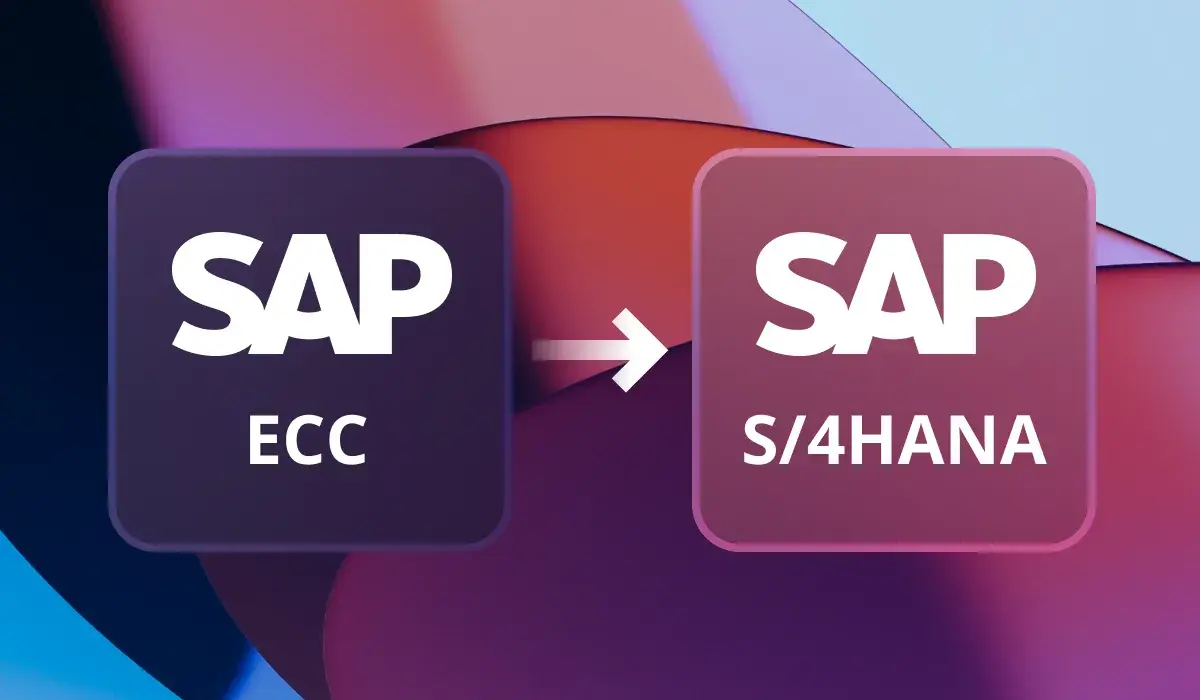
LeverX helped the organization migrate from legacy SAP ECC to SAP S/4HANA, which was needed for further digital modernization and following a green course.
Migration to SAP S/4HANA for a global manufacturer of optical fibers
We moved the customer’s digital ecosystem to the new environment from SAP ECC and helped the company enhance control over manufacturing processes, quality compliance, and productivity.
SAP S/4HANA landscape transformation for an IT infrastructure solutions and services provider
The LeverX specialists delivered an effective working environment to support the organization’s evolution.
The Verdict
When implementing a digital transformation, it’s important to make sure that the project doesn’t just end but delivers real value. The Activate methodology in SAP helps move the focus from merely technical work to achieving a productive organizational change and business outcomes.
There is no need to rely on luck; you receive a reasonable level of predictability and an opportunity to mitigate risks and protect your investments.


-min-Jul-12-2022-09-46-40-14-AM.jpg)