








main banner

SAP Asset Strategy and Performance Management (SAP ASPM)

Eliminate unplanned downtime, unify maintenance data, and reduce costs to achieve operational excellence.

Challenges in Maintenance Strategy Management

Inefficient resource allocation

Maintenance work isn’t always prioritized correctly. Teams spend time and money on low-risk equipment, while critical assets don’t get enough attention, driving up costs and lowering productivity.

Lack of a centralized platform

Without a single system for tracking and analyzing maintenance strategies, data remains fragmented. As a result, teams struggle to see the whole picture or measure the effectiveness of different methods.

Stuck in reactive models

Most companies are still stuck with time-based or reactive maintenance models. Unreliable data and analytical tools make it difficult to adopt risk-oriented or predictive approaches.

Unclear asset priorities

Maintenance priorities are lost when asset importance is unclear. This creates the risk of unexpected breakdowns and production downtime.

Uneven strategy implementation

Gaps in data quality and performance monitoring can arise because different plants or teams use their own procedures. This results in uneven results and a lack of optimization opportunities.

Minimal use of real-time and IoT data

Without real-time sensor data and up-to-date equipment status information, companies cannot promptly detect potential failures. Access to this data enables them to predict maintenance needs and prevent breakdowns before they occur.
Let’s discuss how to bring data-driven maintenance to your operations

Frank Lozinski

Account Manager

Business Benefits of SAP ASPM

Companies implementing SAP ASPM gain better control over maintenance decisions, asset performance, and long-term costs. Here are six key ways the solution brings value to businesses.
Operative-system

Less unplanned downtime

When maintenance teams stay ahead of problems instead of waiting for equipment to fail, they can make quick fixes before small issues turn into big ones. This keeps machines running and production on schedule.
Save-money-1

Lower maintenance costs

ASPM makes it possible to plan maintenance work precisely, cutting unnecessary tasks. With fewer emergency fixes and better resource use, total maintenance spending decreases.
Quality

Higher reliability and safety

The system analyzes risk factors and asset conditions to identify weak points before they cause trouble. This improves plant reliability and supports safer operations.
Network_connected-1

Full transparency and control

All maintenance strategies are managed through one platform. Teams can see what’s working, what’s not, and adjust plans based on real performance data.
Vote

Compliance with ISO 55000

ASPM follows the ISO 55000 family of standards for asset management. This helps companies align their maintenance practices with global benchmarks for reliability and ongoing improvement.
Solution-1

Decisions based on data

ASPM is closely linked to the Internet of Things and analytics software that transforms raw equipment data into valuable insights. All maintenance decisions made by managers will be based on facts, not assumptions.

Functional Components and Submodules of SAP ASPM

SAP ASPM brings together several integrated modules that allows reliability and maintenance teams to design, test, and refine service strategies across the entire asset base. All these elements are important for smarter, faster, and more regular maintenance.
Criticality analysis
Failure modes and effects analysis (FMEA)
Maintenance strategy development
Strategy optimization
Performance tracking
Integration layer

Criticality analysis

The module identifies the assets that have the greatest impact on production and business objectives. Understanding asset criticality enables teams to allocate time and budget to the areas that matter most.

Integration of SAP ASPM Within the SAP Ecosystem

SAP ASPM delivers the best results when it runs together with other SAP solutions. Linked into the broader ecosystem, it creates one connected space for equipment data, performance analysis, and maintenance planning across the company.

  • SAP Analytics Cloud (SAC): SAC presents ASPM data visually through interactive dashboards and visual reports. SAC helps decision makers track key performance indicators, compare strategy results, and identify trends across facilities and assets. This information makes maintenance planning more transparent, directly linking it to business goals.
  • SAP Asset Central Foundation (ACF): ACF is the core system that holds all asset information across the SAP landscape. It brings together technical details, equipment structures, and digital twins in one place. With every connected solution (including ASPM) using the same master data, maintenance strategies are based on information that’s complete and current.
  • SAP S/4HANA Plant Maintenance (PM): Linking ASPM with SAP S/4HANA PM turns planning into real work. When a risk is flagged, a work order can be created automatically. This connection keeps maintenance organized and allows for avoiding unplanned stops.
  • SAP Business Network Asset Collaboration (BNAC): BNAC connects companies with equipment makers and service providers. Through this network, teams can share maintenance plans, documentation, and updates directly with their partners. Integration with ASPM keeps everyone aligned and ensures that service work follows the most updated standards.
  • SAP Predictive Asset Insights (PAI): ASPM enables companies to refine their maintenance strategies and focus on what truly matters. PAI complements it by using live equipment data to spot warning signs early. Together, they help organizations prevent breakdowns instead of reacting to them, which costs and keeps assets dependable.
LEVERX
Get professional guidance on seamlessly integrating SAP ASPM with your current systems

Our SAP ASPM Services

At LeverX, we help companies bring SAP ASPM to life — from the first idea to a working, value-driven system. Our experts blend deep technical expertise with hands-on industry experience to ensure your maintenance strategies generate measurable business results.
Consulting

ASPM readiness and strategy consulting

We begin with an in-depth assessment of your existing maintenance processes, evaluating planning methods, system landscape, and improvement areas. Based on this analysis, we design a tailored roadmap to align SAP ASPM with your business goals and enhance equipment reliability.

Implementation

System design and implementation

Our consultants set up SAP ASPM to match your processes and connect it with SAP EAM, S/4HANA, and other key systems. You get a unified setup that helps your teams plan, act, and track performance in one place.
iot (2)

Reliability and risk modeling

We work with your engineers to define maintenance strategies using criticality analysis and FMEA. These models help focus effort and budget on the assets that really affect performance and safety.

software-integration

Integration with IoT and analytics

We link ASPM with sensor data and analytics tools like SAP Analytics Cloud. This gives you a live view of how assets behave and makes it easier to spot problems before they cause downtime.

change-management-package

User training and change support

We train your teams to use ASPM effectively and make data-based decisions. Our goal is to help people understand the system and optimize its functionality, so it becomes a real part of their daily work.

Support

Continuous support and optimization

After launch, we stay involved. We review results, fine-tune settings, and adjust workflows as your business evolves. The system grows with you, staying accurate, efficient, and useful over time.

Industries That Benefit From SAP ASPM

This is a step-by-step process for converting equipment data into useful maintenance information using SAP PdMS.
cover_300х175 (2)

Energy and utilities

Energy companies rely on SAP ASPM to optimize maintenance schedules using real-time insights into equipment usage and efficiency. It allows avoiding outages, cutting repair costs, and extending the lifespan of key assets.
Manufacturing

Manufacturing

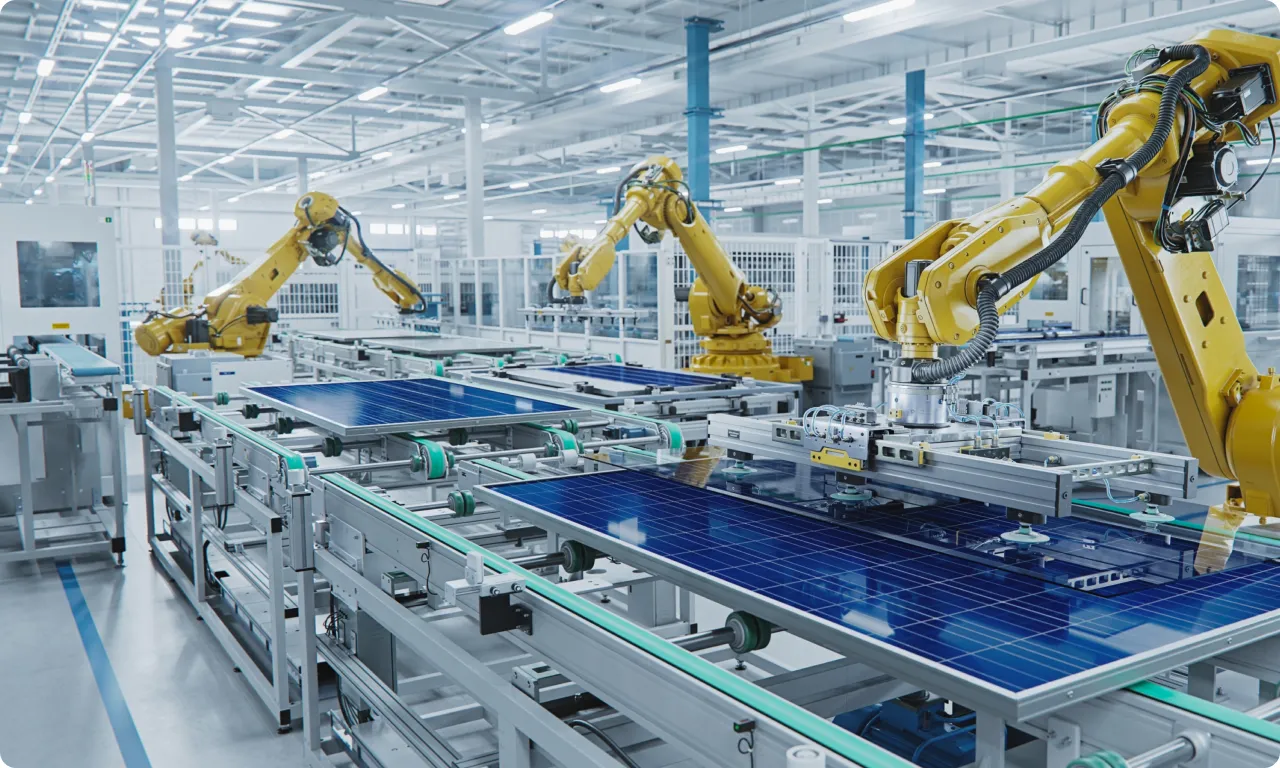
Manufacturers apply ASPM to keep production lines in order. The system combines data from machines and schedules, making it easier to plan work and prevent downtime.

gas-i-oil-main

Oil and gas

For oil and gas operations, ASPM brings structure to maintenance across remote or high-risk sites, helping coordinate teams, reduce travel, and maintain safety standards.

transportation-industry-with-sap-tm-small

Transportation and logistics

Transport companies use ASPM to keep fleets running without delays. Tracking the condition of vehicles enables companies to plan repairs on time and avoid unexpected breakdowns.

metals-and-mining-ind

Mining and heavy industry

Mining companies use SAP ASPM to monitor the health of heavy machinery and anticipate potential failures before they occur. It supports risk-based planning and helps avoid costly stops caused by equipment failure.

chemicals

Chemicals

Chemical plants use ASPM to monitor production assets and meet strict safety requirements. It allows companies to perform maintenance without interrupting continuous processes.

building-min

Public infrastructure

Municipalities and utility providers leverage SAP ASPM to oversee and maintain public assets, including transit systems and essential facilities. The system helps plan maintenance that keeps essential services running.

Why LeverX

Proven track record

For over 20 years, we have helped businesses worldwide succeed with SAP. We’ve already completed 1,500+ projects for over 900 clients, including top names on the Fortune 500 list.

Industry experts

The LeverX team comprises professionals with hands-on knowledge in 30+ industries, including manufacturing, logistics, and oil and gas.

SAP partnership

We implement SAP projects end-to-end 
and collaborate with SAP on the development and enhancement of its existing solutions.

Quality and security

LeverX operates in compliance with international standards such as ISO 9001, ISO 27001, ISO 22301, and ISO 55001, ensuring reliability and quality in every project.

Investment in innovation

We actively integrate advanced technologies, such as Data Science, IoT, AI, Big Data, Blockchain, and others, to help clients efficiently address their business challenges.

Flexibility

Our team is available 24/7, which enables us to quickly deploy projects, maintain process transparency, and adapt each development phase to meet your specific requirements.

SAP ASPM Implementation Roadmap

A well-executed ASPM implementation brings maintenance strategy, risk analysis, and performance monitoring together in a single, integrated system. LeverX supports companies at every stage of this journey — from initial assessment to continuous improvement. To ensure seamless adoption of SAP ASPM, LeverX applies a structured implementation methodology based on the proven SAP Activate framework.

Assessment and goal setting

  • Review your current maintenance practices, data readiness, and system landscape.
  • Set clear goals for achieving ASPM and determine how you will measure success.
  • Understand how ASPM interacts with your existing SAP systems.

Solution design and architecture

  • Design an ASPM setup that reflects real asset operations.
  • Define criticality levels, key performance indicators (KPIs), and risk indicators.
  • Plan data flow between ASPM, EAM, IoT, and analytical tools.

Implementation and integration

  • Configure ASPM modules such as Criticality Analysis and FMEA.
  • Connect with other SAP systems.
  • Validate system performance and automate maintenance workflows.

Initial strategy loading and modeling

  • Create data-driven maintenance strategies based on asset risk and cost.
  • Test alternative maintenance models to establish the most suitable ones.
  • Adjust strategies using real-time and historical data.

Visualization and user enablement

  • Create dashboards in SAC to track key metrics.
  • Train teams to interpret information and effectively apply it.
  • Standardize strategy review and update processes.

Continuous improvement and support

  • Monitor ASPM performance and refine configurations over time.
  • Review KPIs regularly and optimize maintenance strategies.
  • Provide ongoing support and system updates to ensure long-term value.