












main banner

SAP Business AI Platform Consulting

We implement the SAP Business AI Platform for US enterprises that require autonomous intelligence to operate directly within their core business logic - not around it

LeverX — Your Partner for SAP Business AI Platform Implementation

LeverX is a global system integrator and SAP Gold Partner with 20+ years of experience delivering large-scale technology programs for North American Fortune 500 companies.

We connect advanced AI to daily operations by auditing automation readiness, designing high-performance data architectures, and configuring key platform components - including Joule Studio, SAP Business Data Cloud, and SAP Integration Suite - to ensure AI agents act exclusively on accurate, governed data.

Operating from major US hubs like New York, Austin, and Miami, our local consultants bridge the gap between SAP and non-SAP environments, managing complex integrations to execute end-to-end autonomous workflows securely and without manual handoffs.

1,500+
successful projects
15
offices, 10+ countries
2,200+
employees
500+
certified experts

Why Choose SAP Business AI Platform?

SAP Business AI Platform is not short on capability. The gap is always between what the platform can do and what an organization can extract from it. These are the six areas where a well-implemented deployment produces measurable operational change.
Routine work moves to agents, not headcount

Invoice reconciliation, supplier screening, and ticket routing are not strategic tasks. They consume skilled staff time because no system has been configured to handle them autonomously. SAP Business AI Platform enables organizations to assign these repeatable, rule-based processes to AI agents that run them continuously, without queues or handoffs.

AI decisions are grounded in your actual business data

General-purpose AI models have no knowledge of your contract terms, your approval hierarchies, or your supplier relationships. SAP Knowledge Graph encodes that organizational context, connecting AI reasoning directly to S/4HANA metadata and real business relationships. The result is that agents act on what is true for your organization, not on statistical inference.

Every AI action is traceable by design

Regulated industries need to know what data an AI used, when it acted, and why. The platform maintains a full audit trail for every agent decision, which makes AI-driven processes auditable under the same standards applied to any other business system. Governance is not an add-on here; it is part of the architecture.

AI spending becomes a managed cost, not a variable one

Organizations running multiple AI tools across departments often have no clear picture of what each process costs to run. The platform’s centralized AI Units model gives IT and finance leaders visibility into consumption by process and business area, making it possible to allocate resources deliberately rather than discover costs after the fact.

External systems contribute data without custom builds

Most enterprise environments combine SAP with Salesforce, Workday, AWS-hosted applications, and other platforms. SAP Business Data Cloud pulls data from these sources into a unified, governed layer that AI agents can query. Agents operate across the full data landscape without requiring point-to-point integrations for every connection.

Business teams can build and deploy agents without a development backlog
Joule Studio provides a low-code environment where business analysts can configure, test, and deploy AI agents directly. This reduces the dependency on developer capacity for every new automation initiative, and it shortens the time between identifying a process candidate and putting an agent into production.

Not Sure Where to Start?
Start with Our Bespoke SAP Consulting

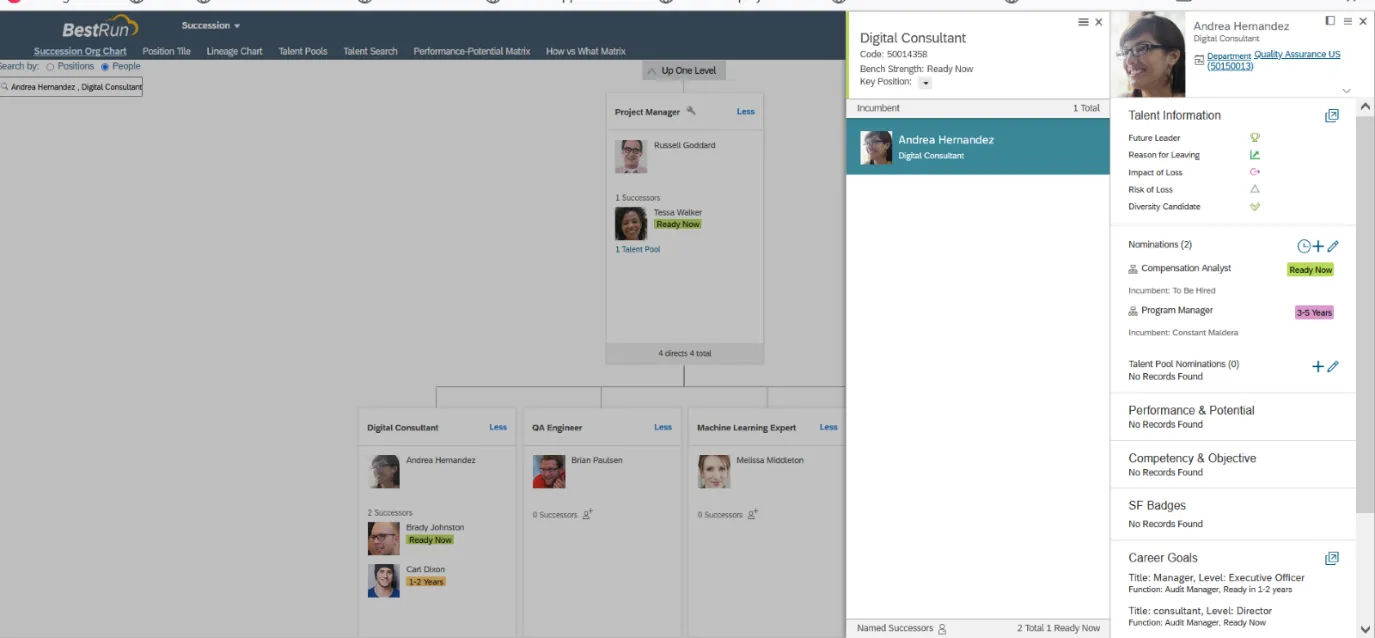
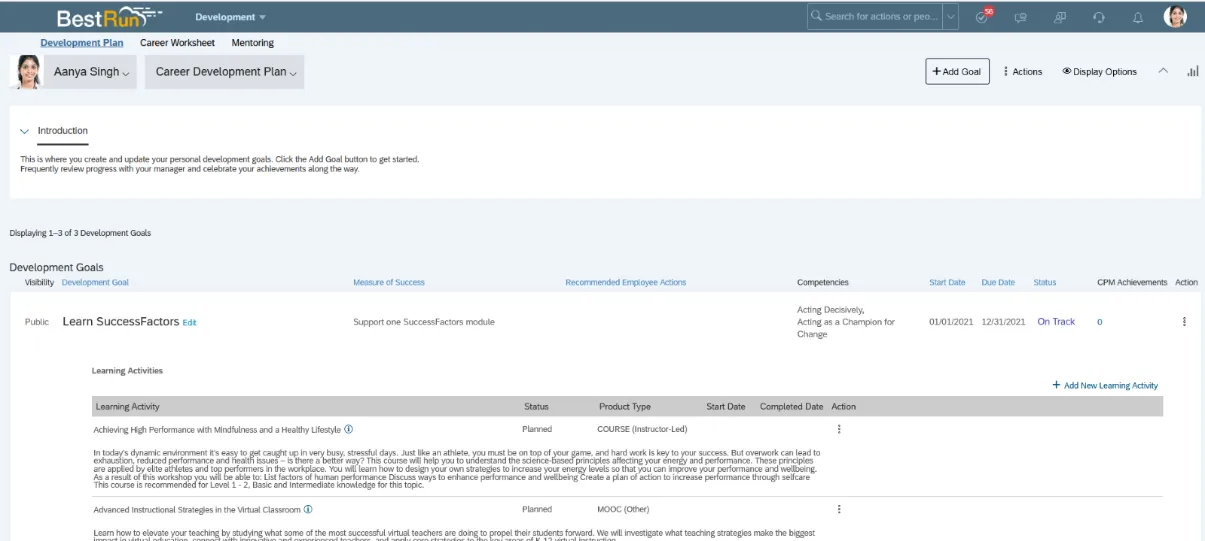
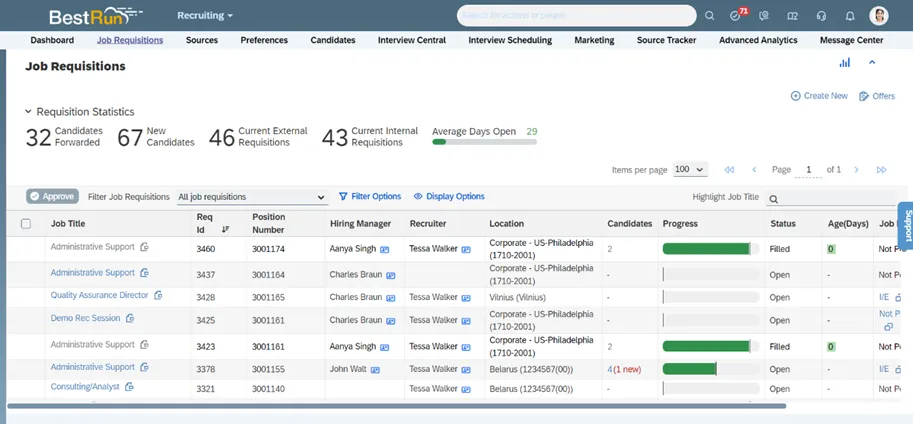
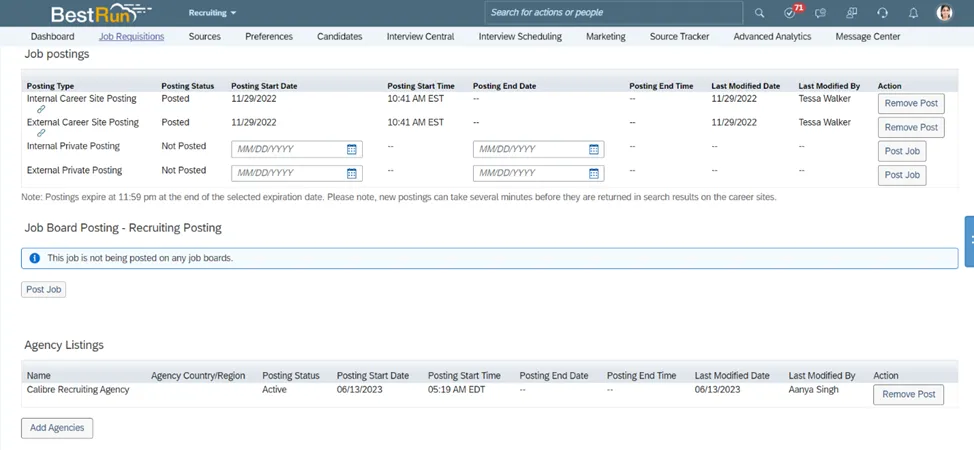
Mastering the Hire-to-Retire Journey with SAP SuccessFactors

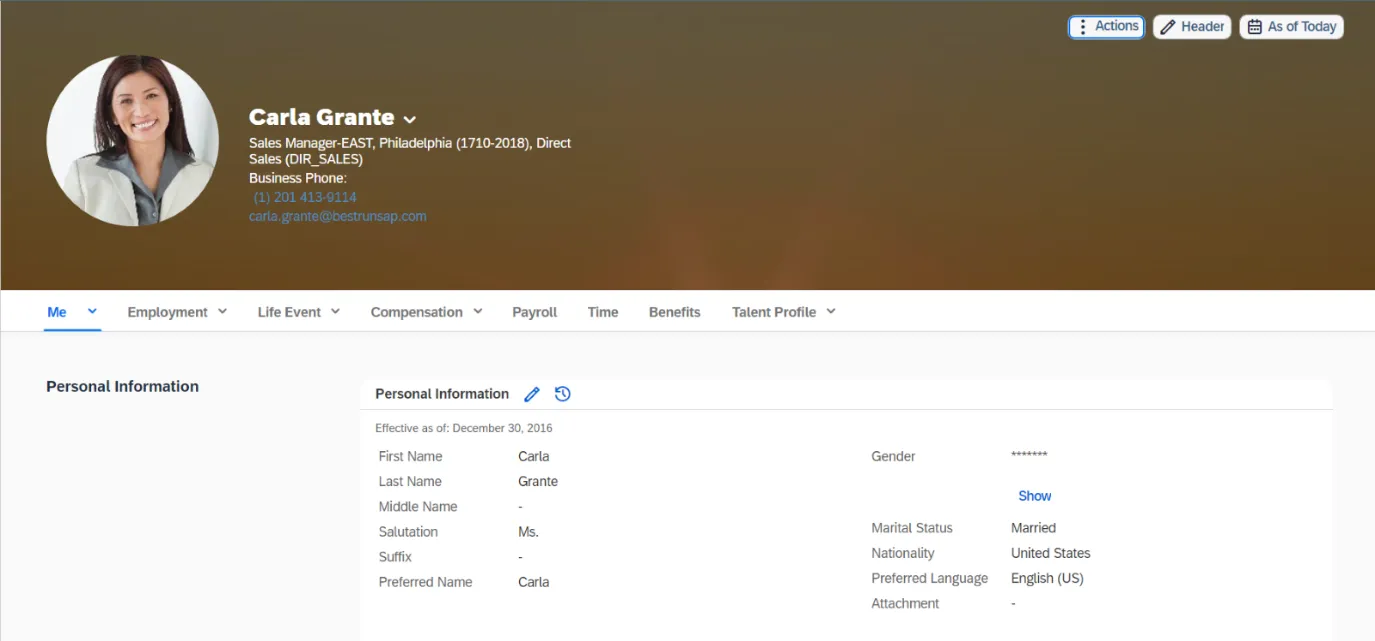
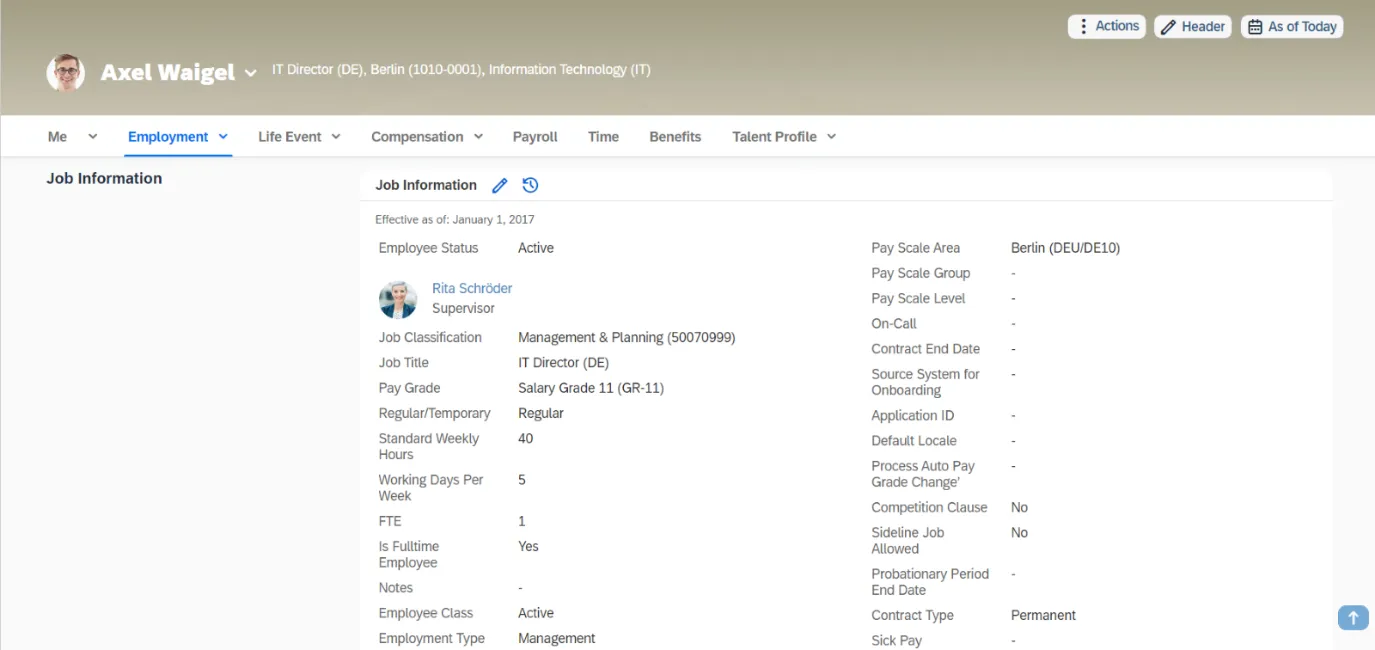
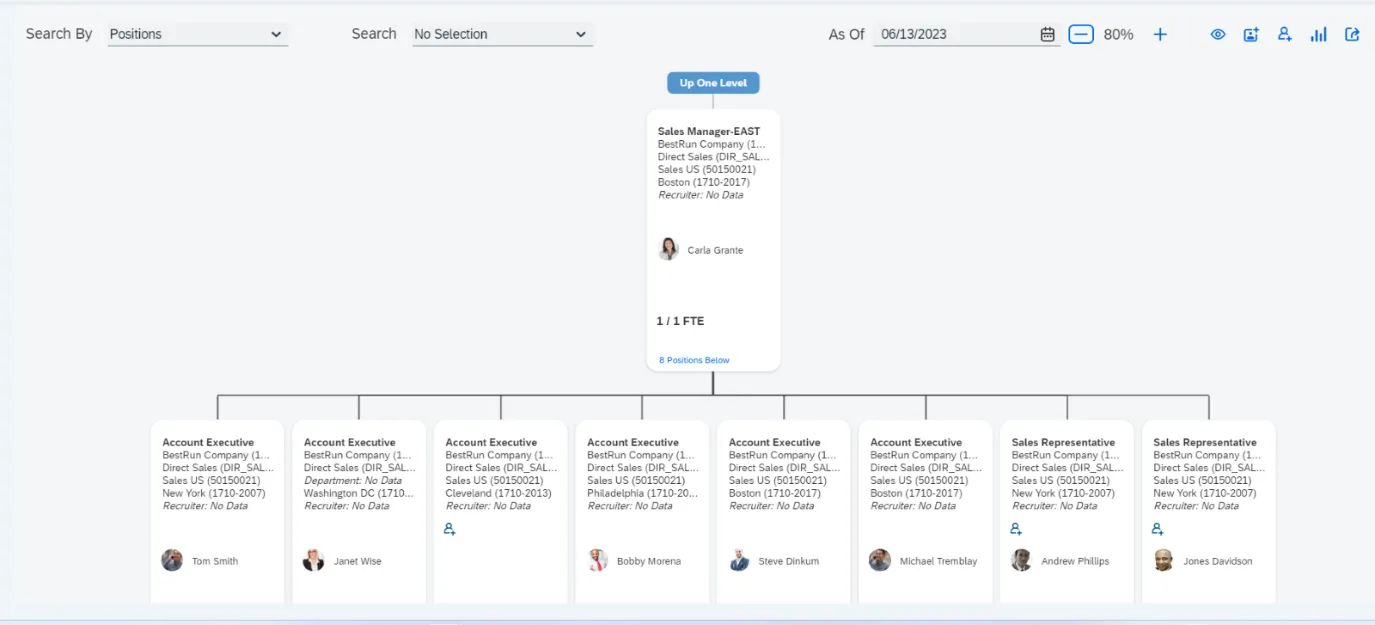
We synchronise your entire people strategy into a single, high-performance landscape. By aligning every stage of the employee lifecycle with SAP Best Practices, we help you eliminate technical debt and deliver a superior experience that attracts, develops, and retains top-tier talent.
Self-Service Management
SAP Successfactors

HMRC & GDPR Compliance

Precision Payroll Excellence

Strategic Reward & Compensation

Retention & Engagement

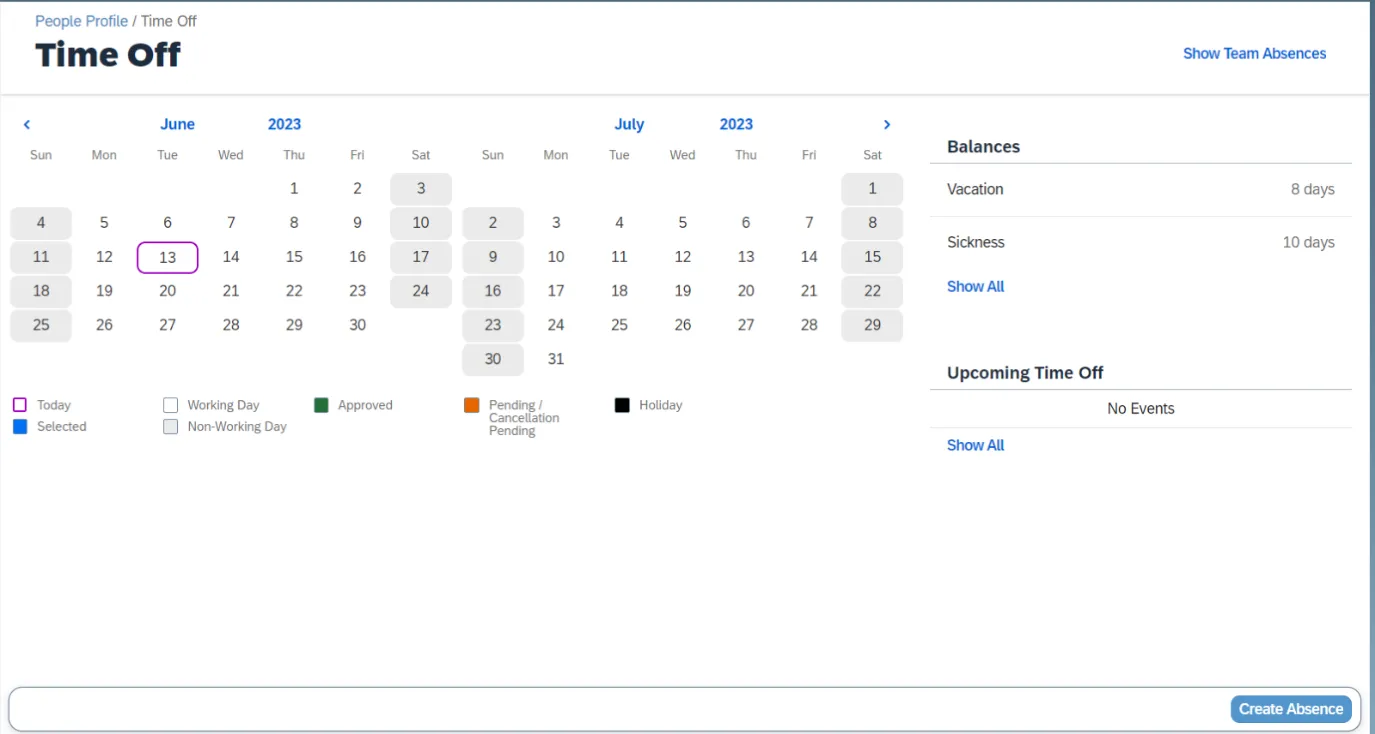
Time Management

Unified Global Employee Records

  • Self-Service Management
  • HMRC & GDPR Compliance
  • Precision Payroll Excellence
  • Workplace Well-being
  • Strategic Reward & Compensation
  • Retention & Engagement
  • Time Management
  • Unified Global Employee Records
Workplace Well-being

The Core Capabilities Behind SAP Business AI Platform

Every AI outcome this platform produces comes from a specific component doing a specific job. Here is what each one does and what it means for your organization.

Joule Studio

Joule Studio is the environment where AI agents, applications, and automated workflows are designed, configured, and extended. It connects to your existing SAP systems and provides a structured workspace for building production-ready agents grounded in business context, not isolated from it.

  • Configure and deploy AI agents without writing custom application code from scratch
  • Extend existing SAP applications with agent-based capabilities built on the same data foundation
  • Test agent behavior against real business scenarios before moving to production
  • Manage the full agent lifecycle, from initial design through updates and retirement, in one environment

AI-Recruiting-in-SAP-SuccessFactors-cover

SAP Business Data Cloud

Data quality determines agent quality. SAP Business Data Cloud unifies data from SAP and third-party sources into a single governed layer, so every agent and application works from the same factual foundation.

  • Harmonize structured data from S/4HANA, Ariba, SuccessFactors, and external platforms into one accessible layer
  • Apply data governance policies at the source level, before data reaches any AI model
  • Give analysts and developers access to AI-ready datasets without duplicating or moving raw data between systems
SAP-Implementation-Partner-for-Healthcare-cover

SAP Knowledge Graph

This is the component that gives AI agents organizational awareness. SAP Knowledge Graph encodes the relationships between your business entities: suppliers, contracts, cost centers, approval structures, and process dependencies. Agents query this layer to understand context before acting.

  • Ground AI reasoning in your actual organizational structure, not generic enterprise assumptions
  • Connect process logic, business policies, and master data relationships in a single semantic layer
  • Reduce incorrect or incomplete agent outputs caused by missing organizational context
AI-in-SAP-EWM-cover

SAP Integration Suite

AI agents that cannot reach the systems they need to act on are not useful in production. SAP Integration Suite provides the connectivity layer that links agents, applications, data sources, and external platforms across the enterprise landscape.

  • Connect SAP and non-SAP systems, including Salesforce, Workday, and AWS-hosted applications, through a managed integration layer
  • Route data and events between systems without building point-to-point custom integrations for each connection
  • Support end-to-end workflow execution across system boundaries so agents can complete multi-step processes without manual handoffs
SAP-ECC-2027-Deadline-Nordics-cover

AI Agent Hub

As AI deployments scale, visibility becomes a control problem. AI Agent Hub is the central management layer that gives IT and operations leaders a consolidated view of every active agent, every model in use, and every MCP server the platform connects to.

  • Monitor agent activity, performance, and resource consumption across the full deployment
  • Apply access controls, usage policies, and security rules to AI agents using the same governance frameworks applied to other enterprise systems
  • Identify underperforming or redundant agents before they accumulate unnecessary operational cost
Data management

SAP Predictive Models

Not every AI task requires a large language model. SAP Predictive Models are purpose-built for structured business data: demand forecasting, cash flow prediction, supply chain risk scoring, and similar quantitative decisions where accuracy and explainability matter more than conversational capability.

  • Apply predictive analytics directly to operational datasets in S/4HANA and connected sources
  • Produce outputs that are explainable and auditable, not opaque probability scores from a black-box model
  • Use models designed for business data patterns rather than adapting general-purpose models to enterprise datasets
cover_352х230 (31)

How We Turn Platform Capability Into Business Outcomes

Deploying SAP Business AI Platform is a technical task. Deciding where it should operate, on which data, inside which processes, and under whose oversight, is a consulting task. This is where we work.

We identify where automation produces returns, not just activity

Not every process benefits from AI. Before any configuration begins, we analyze your operational workflows to find the specific areas, typically in procurement, finance, or supply chain, where agent-based automation reduces processing time, eliminates manual intervention, or cuts error rates in ways that have a direct financial impact. We document those findings before any platform work starts.

We establish the data foundation that agents actually need

An AI agent is only as accurate as the data it reads. If your SAP core carries duplicate records, inconsistent master data, or unresolved data quality issues, agents will produce outputs that reflect those problems. We assess and address data readiness as a prerequisite, not an afterthought, so the platform operates on a foundation that supports reliable decisions.

We build agents that complete processes, not just initiate them

There is a practical difference between a chatbot that surfaces information and an agent that processes an invoice, applies matching rules, flags exceptions, and routes the result to the correct approval step. We design and configure agents that execute complete workflows autonomously, within the boundaries and business logic your organization has defined.

We configure governance so AI deployments are auditable by default

Organizations in regulated industries need to demonstrate what data an AI used, what decision it made, and when. We configure the platform's audit and access control capabilities so that every agent action is traceable, every data source is documented, and the deployment meets the governance requirements your compliance and security teams apply to other business systems.

We give you cost visibility before consumption becomes a problem

AI workloads have a cost structure that is easy to underestimate. We set up the platform's AI Units monitoring so that resource consumption is visible by process, by department, and by agent, from the point of deployment. This makes it possible to manage AI spending with the same discipline applied to any other operational budget line.

We reduce time-to-deployment and prepare your teams to operate independently

Joule Studio's low-code environment shortens the path from process identification to working agent. We use it to accelerate the build phase, and we run structured training alongside implementation so that your business analysts and process owners can configure, test, and update agents themselves, without routing every change through a development team.

How We Support SAP Business AI Platform Adoption End to End

SAP Business AI Platform only creates value when it is designed, connected, and operated as part of real business processes. The work is not limited to implementation. It starts earlier and continues after go-live. 

Our services cover the full path from strategy to ongoing operations.
AI-Recruiting-in-SAP-SuccessFactors-cover

AI strategy and use case consulting

Before any platform work begins, we establish where AI deployment is worth the investment. We analyze your existing SAP processes, map them against the platform's capabilities, and produce a prioritized case selection with supporting ROI calculations. The output is a concrete implementation roadmap, not a general recommendation to "adopt AI."
AI-in-SAP-EWM-cover

Platform deployment and configuration

We handle the full technical deployment of SAP Business AI Platform, including environment setup, Joule Studio configuration, and the connection of platform components to your existing SAP landscape. Every deployment is configured to match your process requirements and governance standards from the start, so the platform is operational rather than installed.
SAP-Joule-AI-cover

System integration

AI agents need access to the systems they act on. We design and build the integration architecture that connects SAP Business AI Platform to S/4HANA, SAP BTP services, and the external platforms your organization runs, whether that includes Salesforce, Workday, or cloud infrastructure outside the SAP ecosystem. Agents operate across your full system landscape without gaps in connectivity.
cover_352х230 (31)

Data strategy and knowledge graph implementation

Agents produce accurate outputs when they work from accurate, well-structured data. We assess your current data state, address quality and consistency issues in your SAP core, and implement SAP Knowledge Graph to encode the business relationships, process logic, and organizational context that AI reasoning depends on. This is the foundational work that determines whether your agents are reliable in production.
Data integration

AI agent development

We design and build autonomous agents in Joule Studio that are configured for your specific workflows, your business rules, and your approval structures. This includes agents for procurement processing, financial reconciliation, contract review, and other repeatable operational tasks where human involvement currently creates delays or capacity constraints. Each agent is tested against real process scenarios before deployment.
SAP-ECC-2027-Deadline-Nordics-cover

Managed support and optimization

After deployment, AI systems require the same ongoing attention as any other enterprise platform. We provide continuous monitoring of agent performance, AI Units consumption, and model behavior, with structured support for updates, retraining, and configuration changes as your processes evolve. Organizations that need round-the-clock coverage can access 24/7 support as part of a managed service arrangement.

Not Sure Where to Start?
Request a Bespoke SAP Business AI Discovery Workshop

Why Partner with LeverX for SAP Business AI?

Proven Track Record

For over 20 years, we have helped global enterprises succeed with SAP. We have completed 1,500+ projects for more than 900 clients, including leading brands on the Fortune 500 list, ensuring reliable execution for complex IT initiatives.

Industry Experts

Our team brings hands-on engineering knowledge across 30+ verticals, including manufacturing, logistics, and oil & gas. This deep industry context is critical for AI projects, ensuring your automated agents reflect real operational logic.

SAP Partnership & Co-Engineering

As an SAP Gold Partner, we implement projects end-to-end and actively collaborate with SAP on developing and enhancing core platform functionalities, giving our clients direct access to technical best practices.

Quality and Security Compliance

LeverX strictly adheres to internationally recognized ISO 9001, ISO 27001, and ISO 22301 frameworks. These rigorous security controls are essential when deploying autonomous AI agents that access sensitive US enterprise data.

Investment in AI Innovation

We actively apply machine learning, predictive analytics, and agent-based automation to real-world client environments. Our production AI experience directly informs and accelerates how we deploy the SAP Business AI Platform.

Delivery Flexibility

We adapt our engagement model to your specific budget and timeline—whether you need to augment an internal SAP team, execute a full deployment from scratch, or access 24/7 US-based managed services to monitor active AI agents long-term.

CUSTOMERS' SUCCESS STORIES

Industries We Serve

Leveraging our experience with SAP together with diverse industrial expertise, we’ll help you select solutions that will drive meaningful, long-term value for your company.

Where the Platform Produces Operational Results

SAP Business AI Platform is not built for one type of business. These are the sectors where AI agent deployment addresses specific, recurring operational problems.

Manufacturing

AI agents monitor equipment performance data continuously and flag failure risk before downtime occurs. Inventory replenishment and production line adjustments run on predictive models rather than manual review cycles.

Retail and wholesale

Demand forecasting runs on current sales data and external signals, keeping stock levels aligned with actual purchasing patterns. AI agents handle replenishment decisions and can personalize commercial interactions at scale.

Finance and Banking

Account reconciliation and period-close processes that currently require manual intervention can be automated and exception-driven. AI monitors transaction data for errors and inconsistencies in real time, without waiting for end-of-period review.

Energy and resources

Complex infrastructure monitoring and regulatory compliance reporting are areas where AI agents reduce manual workload significantly. Resource consumption optimization runs continuously rather than through periodic manual analysis.

Life sciences

Supply chain quality control and regulatory compliance documentation are two areas where accuracy requirements are non-negotiable. AI agents track data integrity across the supply chain and accelerate the documentation work that slows product timelines.

Logistics

Route planning and fleet management decisions that currently depend on human judgment can be handled by agents working on live operational data. The result is reduced transportation cost and shorter delivery cycles without expanding the planning team.

Consumer goods

AI agents track market signals and supplier performance data simultaneously, giving commercial teams faster visibility into trend shifts and supply chain risk. Supplier relationship management becomes proactive rather than reactive.

Professional services

Project profitability analysis, resource allocation, and workload distribution are tasks that consume significant management time. AI agents process staffing and project data to surface resourcing conflicts and margin risks before they become problems.

Public sector

Document processing and citizen-facing service workflows are high-volume, rules-based operations suited to agent automation. AI reduces processing backlogs and improves response consistency without adding headcount.

Implementation Roadmap

We follow the SAP Activate methodology, which breaks down the implementation of SAP SuccessFactors into six essential stages:
  • Current Processes Evaluation: Assess existing business processes and identify the organization's needs.
  • Defining Technical Requirements: Create a detailed specification of the functional and technical needs of the new system. 

Discover

  • Setting Goals and Objectives: Establish and agree on the goals to be achieved throughout the project.
  • Assembling the Project Team: Appoint team members and define their roles and responsibilities.
  • Project Plan Development: Create a comprehensive plan that outlines project phases, timelines, resources, and key performance indicators.
  • Budget Determination: Estimate and approve the budget.
  • Specifications Preparation: Develop the technical and functional specifications for the development team.

Prepare

  • Ensuring Business Requirements are Met: Check that SAP SF aligns with business requirements and project objectives.
  • Data Validation: Verify the accuracy and compliance of the data.

Explore

  • Data Migration: Transfer data from existing systems to the new one.
  • System Configuration: Set up the solution according to requirements and specifications.
  • Customization: Develop additional features and modules, if the standard solution does not meet all needs.
  • Integrations: Configure SAP SF to work with other IT systems and applications.

Realize

  • Testing: Perform functional, integration, regression, and load testing to ensure that all works correctly.
  • User Training: Organize sessions to help users become familiar with the new system.

Deploy

  • System Readiness Check: Verify that the system is ready for operational use.
  • Launch: Officially transition to active use of SAP SF.
  • Ongoing Support: Continuously monitor solution performance to identify and resolve any issues.

Run