












SAP Engineering Control Center
Connect CAD and SAP with ECTR to streamline engineering workflows, improve data consistency and accelerate product development with LeverX
LeverX is an SAP Gold Partner helping UK organisations connect engineering and enterprise systems through SAP Engineering Control Center (SAP ECTR). We enable seamless CAD integration, improve engineering data consistency and support controlled, end-to-end product development across UK and global teams.
We support organisations across key SAP ECTR transformation areas:
- SAP Engineering Control Center implementation and consulting
- Seamless CAD integration with SAP systems
- Engineering data and document management
- Product structure and change management
- Engineering release and life cycle process automation
- Integration of SAP ECTR with SAP PLM and SAP S/4HANA
- Cross-functional collaboration between engineering and manufacturing
- Improved data consistency, traceability and life cycle control
CONTACT US
If you are looking for an SAP Global Strategic Supplier or Technology Partner for your business, fill out the form below, and we will contact you at short notice.
Connect Engineering and Enterprise with SAP ECTR
In today’s digital product life cycle, engineering data needs to move quickly, remain accurate and stay connected across departments. SAP Engineering Control Center (ECTR) provides a standard integration layer between CAD systems and the SAP digital core.
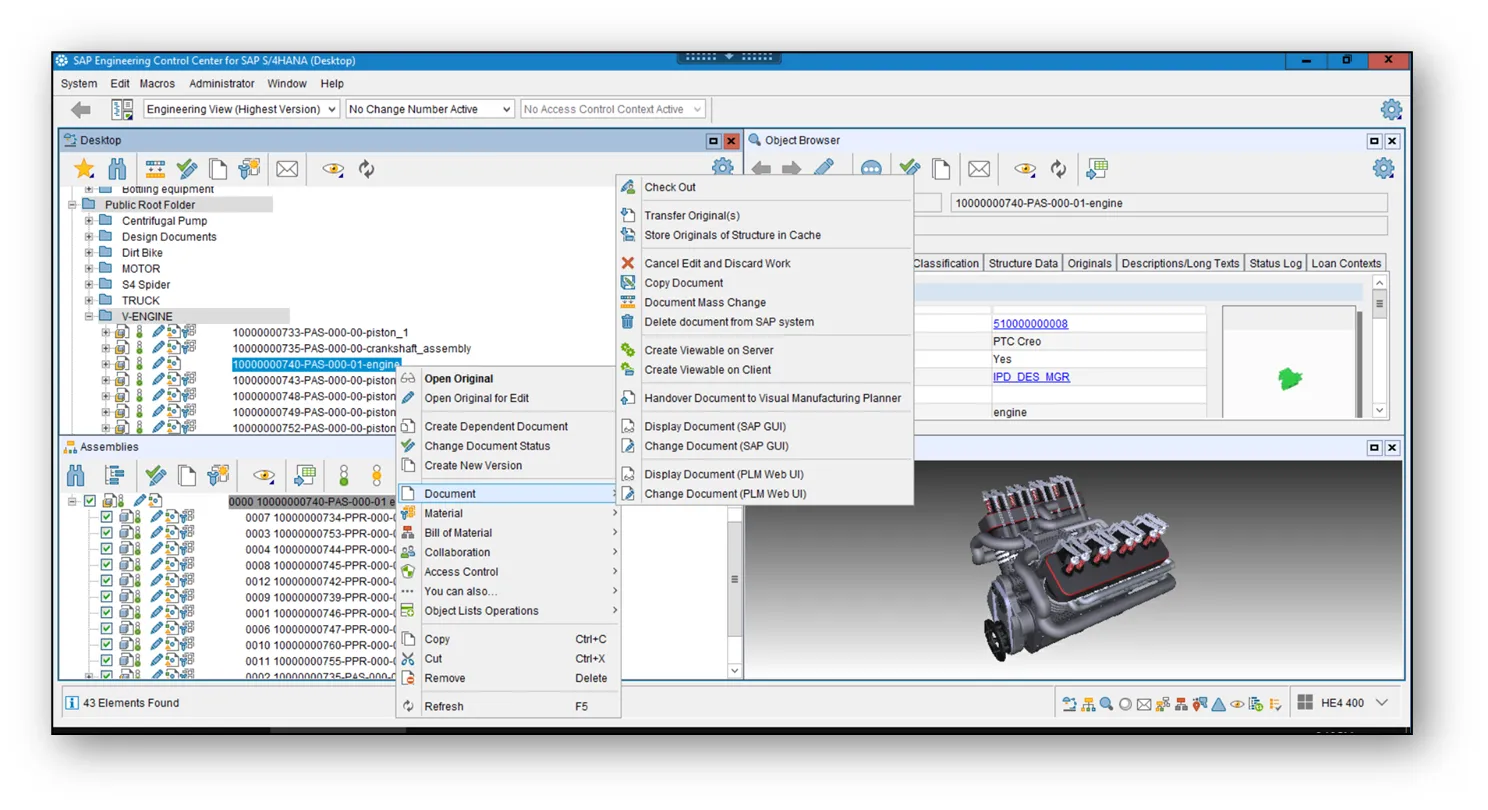
As a central entry point for engineering information, ECTR supports SAP Product Lifecycle Management (PLM), SAP Enterprise Product Development (EPD) and SAP Enterprise Product Engineering (EPE) strategies. It enables design data, including 2D and 3D models, drawings, metadata and assembly structures, to flow into SAP and support processes across production, procurement, quality and service.
With SAP ECTR, organisations can:
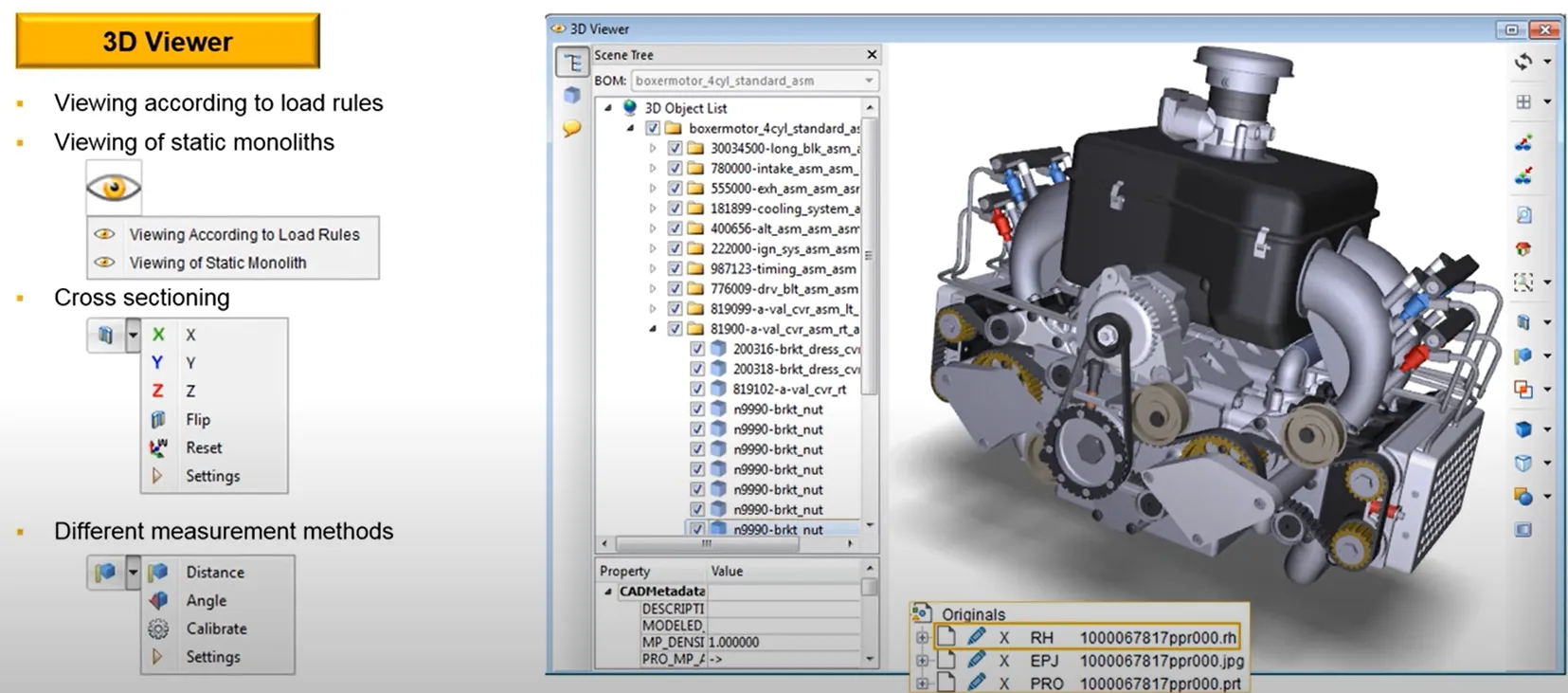
- View and manage CAD data directly within SAP
- Automatically create SAP objects from CAD files, including materials, specifications, documents and BOMs
- Connect design, planning and production through CAD data and SAP workflows
- Establish controlled, end-to-end engineering processes across the product life cycle
Supported CAD Integrations With SAP ECTR
MCAD:
- NX
- SOLIDWORKS
- Solid Edge
- Creo
- Inventor
- AutoCAD
- CATIA

ECAD:
- Altium
- Siemens EDA
- Cadence Allegro
- Cadence OrCAD
- Zuken
- EPLAN
- SOLIDWORKS Electrical
- AutoCAD Electrical
The Strategic Benefits of CAD-to-SAP ECTR Integration
SAP ECTR connects engineering data with key business processes across planning, procurement, production, sales and more. By transferring data from leading CAD systems directly into SAP, ECTR helps organisations reduce manual work, improve data accuracy and streamline engineering-to-production processes.
This can help organisations achieve:
Reduce costs and development effort
Improve engineering efficiency
Accelerate production handover
Core Functions and Capabilities of SAP ECTR
Import and manage 2D/3D CAD files
Bring 2D drawings and 3D models from leading CAD systems directly into SAP DMS for centralised engineering data management.
Where SAP ECTR Is Used
SAP ECTR connects engineering information with downstream processes throughout the product life cycle, helping teams work with consistent and up-to-date product data.
Engineering
Connect 2D/3D CAD data with SAP to create and maintain BOMs, materials and technical documents. Reduce manual handovers and keep engineering information aligned with enterprise data.
Production handover
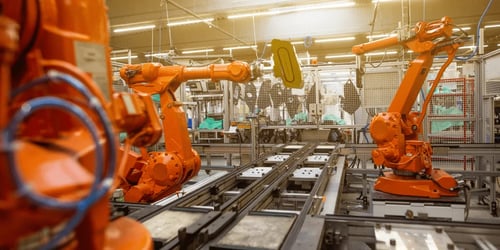
Transfer approved 3D models, assemblies and work instructions from engineering to the shop floor. Give production teams access to current information and help minimise errors, delays and rework.
Visualisation
Use SAP Visual Enterprise integration to create visual BOMs (vBOMs), exploded views and 3D-based work instructions. Make product information easier for manufacturing teams to understand and use.
Change management
Manage design revisions and engineering changes using SAP Engineering Change Records and SAP Enterprise Product Engineering. Track updates, approvals and their impact across product structures for greater control and traceability.
RELATED CASE STUDIES
R&D and engineering modernization for a consumer goods manufacturer
LeverX modernised the customer’s R&D, engineering and Product Lifecycle Management processes, helping them manage product life cycles more efficiently, maintain high product quality and continue to innovate.

SAP Visual Enterprise integration for a large equipment manufacturer
LeverX helped a leading underground technology and utility construction equipment manufacturer streamline its end-to-end processes.

Unification of a telecom enterprise
LeverX supported the client’s migration from SAP ERP to SAP S/4HANA, helping bring global users onto a common system.

Services We Offer
Consulting
Implementation
Integration

Support

Application management
Industries We Serve
Why Choose LeverX for SAP ECTR
Proven track record
Industry experts
SAP partnership
Quality and security
Investment in innovation
Flexibility
Implementation Roadmap
- Current processes evaluation: Assess existing business processes and identify the organization's needs.
- Defining technical requirements: Create a detailed specification of the functional and technical needs of the new system.
Discover
- Setting goals and objectives: Establish and agree on the goals to be achieved throughout the project.
- Assembling the project team: Appoint team members and define their roles and responsibilities.
- Project plan development: Create a comprehensive plan that outlines project phases, timelines, resources, and key performance indicators.
- Budget determination: Estimate and approve the budget.
- Specifications preparation: Develop the technical and functional specifications for the development team.
Prepare
- Ensuring business requirements are met: Check that SAP ECTR aligns with business requirements and project objectives.
- Data validation: Verify the accuracy and compliance of the data.
Explore
- Data migration: Transfer data from existing systems to the new one.
- System configuration: Set up the solution according to requirements and specifications.
- Customization: Develop additional features and modules, if the standard solution does not meet all needs.
- Integrations: Configure SAP ECTR to work with other IT systems and applications.
Realize
- Testing: Perform functional, integration, regression, and load testing to ensure that all works correctly.
- User training: Organize sessions to help users become familiar with the new system.
Deploy
- System readiness check: Verify that the system is ready for operational use.
- Launch: Officially transition to active use of SAP ECTR.
- Ongoing support: Continuously monitor solution performance to identify and resolve any issues.
Run
FAQ
What is SAP Engineering Control Center (ECTR)?
SAP ECTR connects CAD systems with SAP, allowing organisations to manage engineering data, documents, BOMs and product structures within a central SAP environment.
How can SAP ECTR benefit engineering and manufacturing teams?
SAP ECTR reduces manual data entry, improves data consistency and connects engineering information with downstream processes such as production, procurement and quality.
Can SAP ECTR integrate with my existing CAD systems?
Contact Us
What happens next?
-
1
An expert will reach out to you to discuss your specific requirements and objectives.
-
2
We’ll sign an NDA to ensure any sensitive information is kept secure and strictly confidential.
-
3
We’ll work with you to prepare a customised proposal based on the project’s scope, timeline, and budget.
years of expertise
projects
professionals
Contact Us