












SAP S/4HANA Upgrade Services
We deliver SAP S/4HANA upgrades that move your system from basic support compliance to a platform ready for analytics, ESG reporting, and AI-driven processes.
LeverX is a global system integrator and SAP Gold Partner with more than twenty years of experience delivering SAP system upgrades and ERP modernisation programmes. Our teams work with organisations across manufacturing, retail, logistics, and healthcare. We support upgrade projects in the UK with a focus on system stability, regulatory alignment, and continuity of business operations.
We approach SAP S/4HANA upgrades at three levels. A technical upgrade keeps the system on a supported release and resolves compatibility issues. A functional upgrade activates new capabilities such as embedded analytics or updated financial processes. A transformation upgrade restructures the system architecture, including migration of custom developments to SAP BTP. This approach reduces dependency on core modifications and prepares the system for future updates and AI-based tools such as Joule.
Why Upgrade SAP S/4HANA and Why Now
Many SAP S/4HANA systems run on versions that already include newer functions which remain inactive. Finance teams continue exporting data for reporting. ESG data is collected outside the system. Custom code grows because standard functions are not reviewed after each release. The system works, but it does not reflect the current SAP roadmap.
This gap increases over time. Each missed upgrade adds more effort to maintain compatibility and test changes. At the same time, regulatory and reporting requirements in the UK continue to change. An upgrade creates a controlled point to address both. It allows you to activate standard SAP features, review existing extensions, and move selected developments to SAP BTP using the clean core approach. This reduces dependency on custom code and prepares the system for SAP AI services.
For organisations operating in the UK, the upgrade is driven by specific requirements:
- HMRC reporting standards. Digital tax reporting requires structured and consistent financial data stored directly in SAP.
- UK SOX alignment. Financial processes must support audit trails, role-based access, and documented controls.
- Net Zero and ESG reporting. SAP provides tools to capture emissions and sustainability data within core processes.
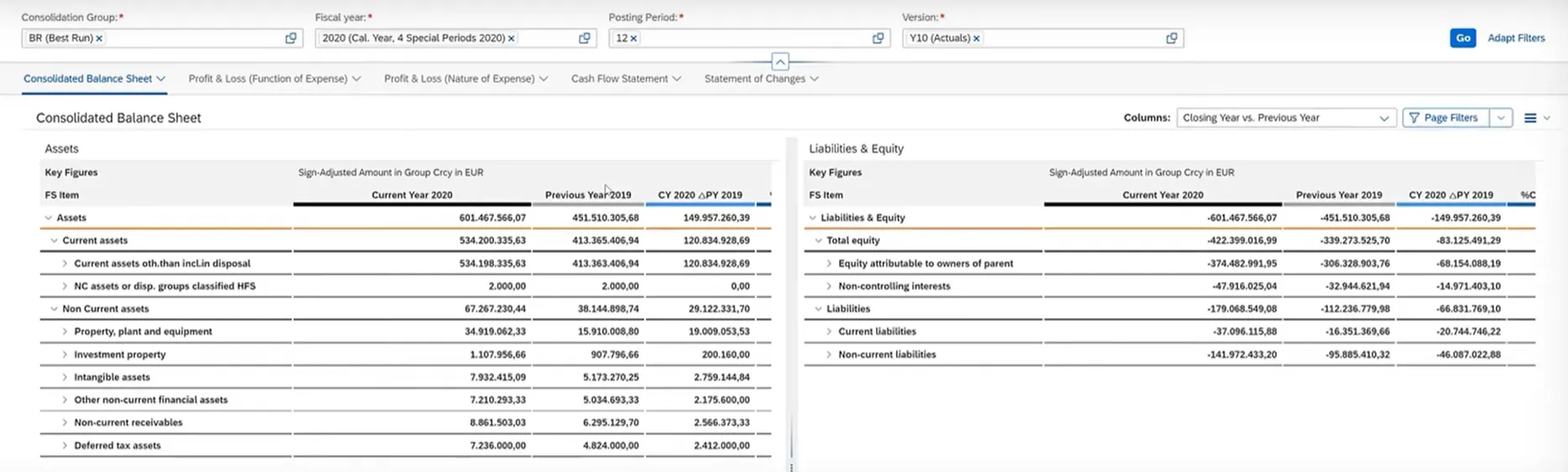
- Embedded analytics in S/4HANA. Built-in analytical apps reduce the need to export data to external reporting tools.
- Readiness for SAP AI services. Clean core architecture and SAP BTP extensions are required to use tools such as Joule.
CONTACT US
If you are looking for an SAP Global Strategic Supplier or Technology Partner for your business, fill out the form below, and we will contact you at short notice.
Engineering High-Velocity HR: Why SAP SuccessFactors?
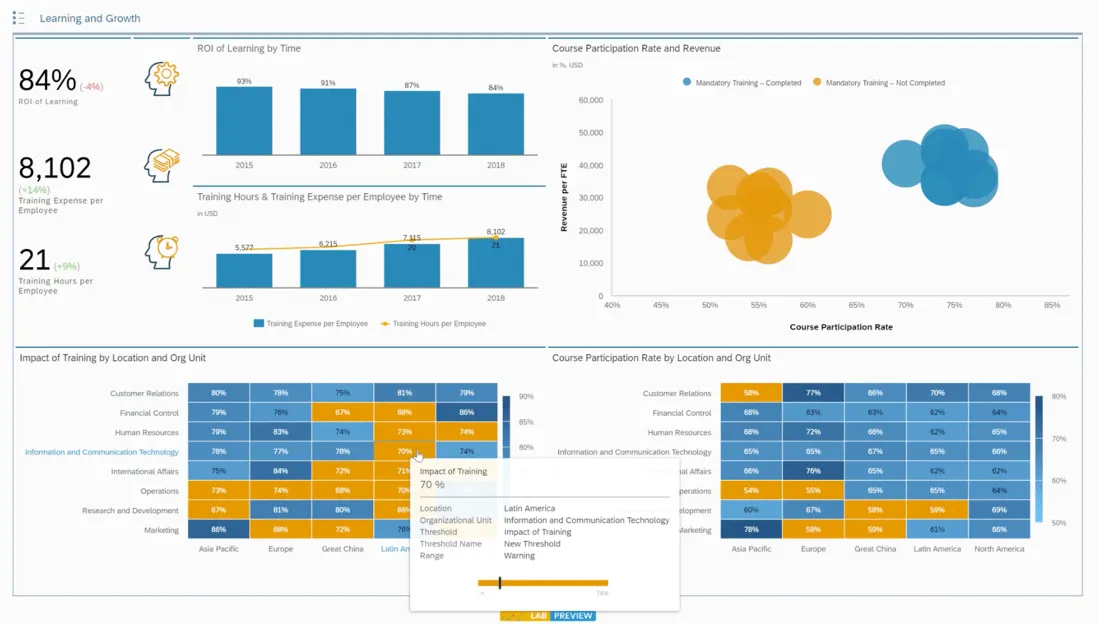
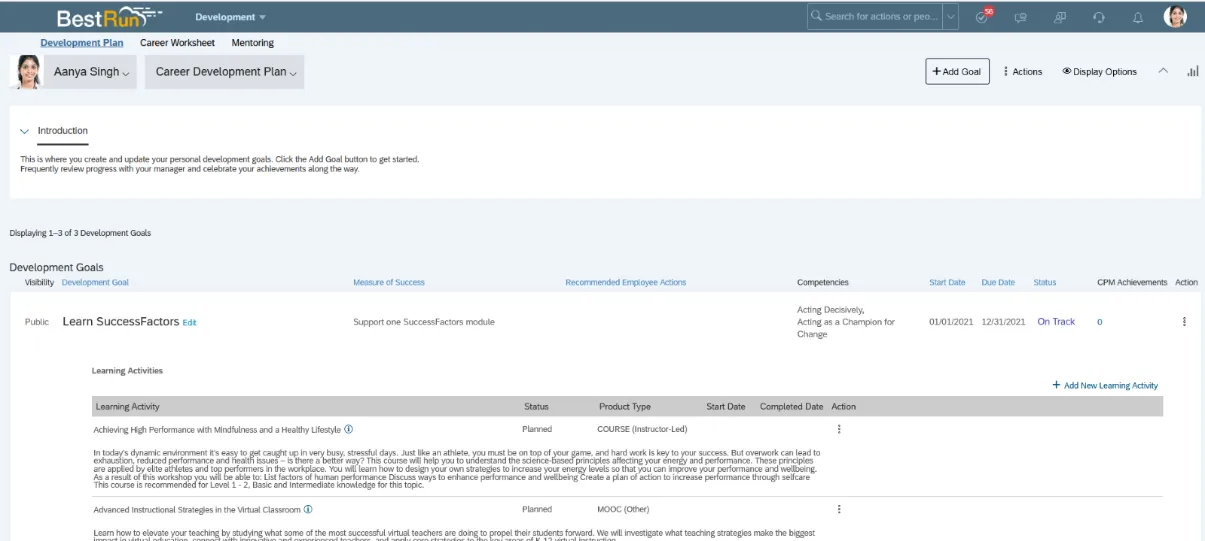
Unlock the true power of your human capital with bespoke SAP SuccessFactors consulting. LeverX moves beyond standard implementation to deliver a comprehensive HR digital transformation, evolving transactional workflows into high-impact competitive advantages.
We specialise in architecting the SuccessFactors HXM suite to meet the specific complexities of the UK landscape through:
- Strategic AI Orchestration: Implementing an AI-ready data foundation for predictive hiring, autonomous talent matching, and intelligent workforce sensing.
- UK-Centric Compliance: Engineering precision into your operations with HMRC-compliant payroll and native frameworks for local regulatory reporting.
- Clean Core Architecture: Leveraging SAP BTP to build flexible, "side-by-side" extensions that keep your HR core agile and upgrade-ready.
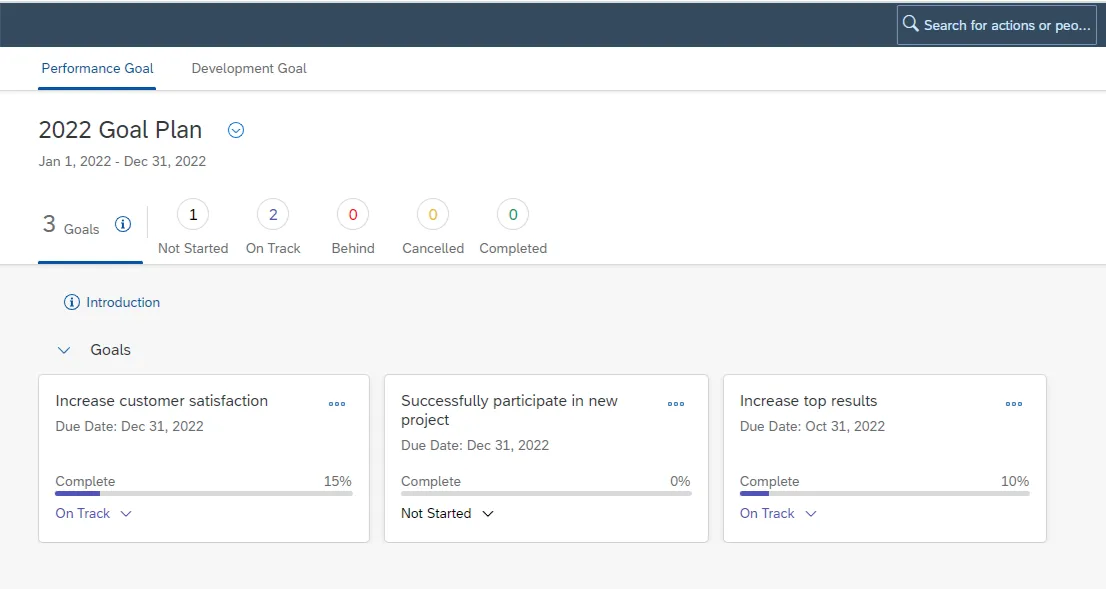
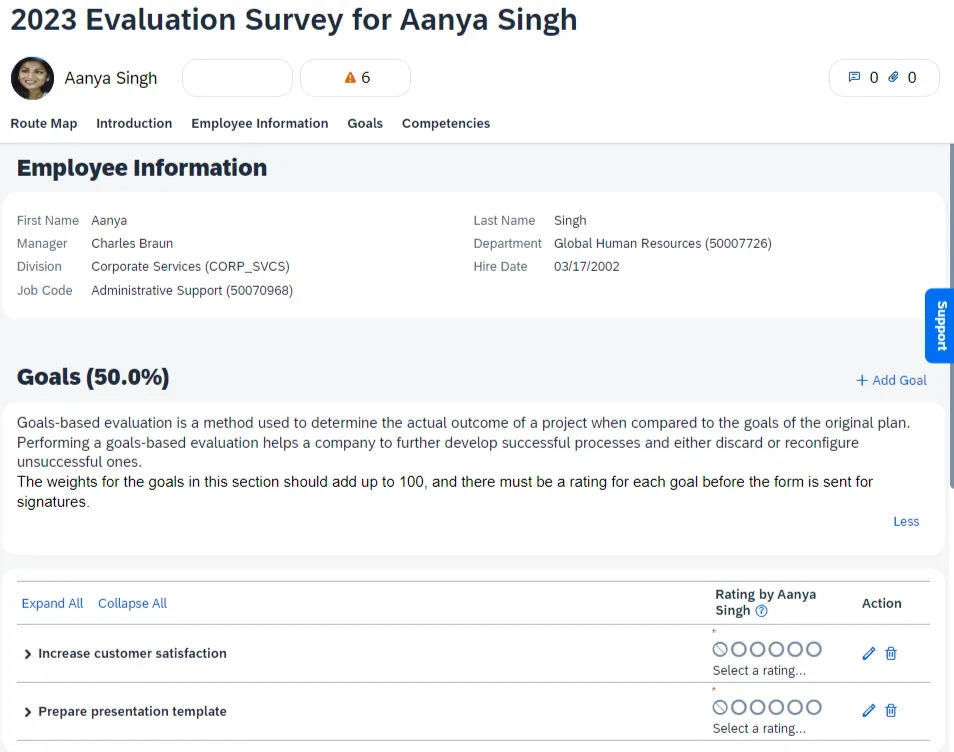
- Performance ROI: Transforming the employee experience into a measurable business outcome by aligning individual goals with global corporate strategy.
- Future-Proof Scalability: Designing elastic HXM environments that adapt to market volatility and support rapid business expansion.
Collaborate with SAP SuccessFactors strategists to ensure your organisation remains resilient and competitive in an increasingly complex corporate landscape.
What Do Businesses Gain From an SAP S/4HANA Upgrade?
HMRC and Making Tax Digital (MTD) readiness
Compliance with UK operational resilience requirements
ESG and Net Zero reporting
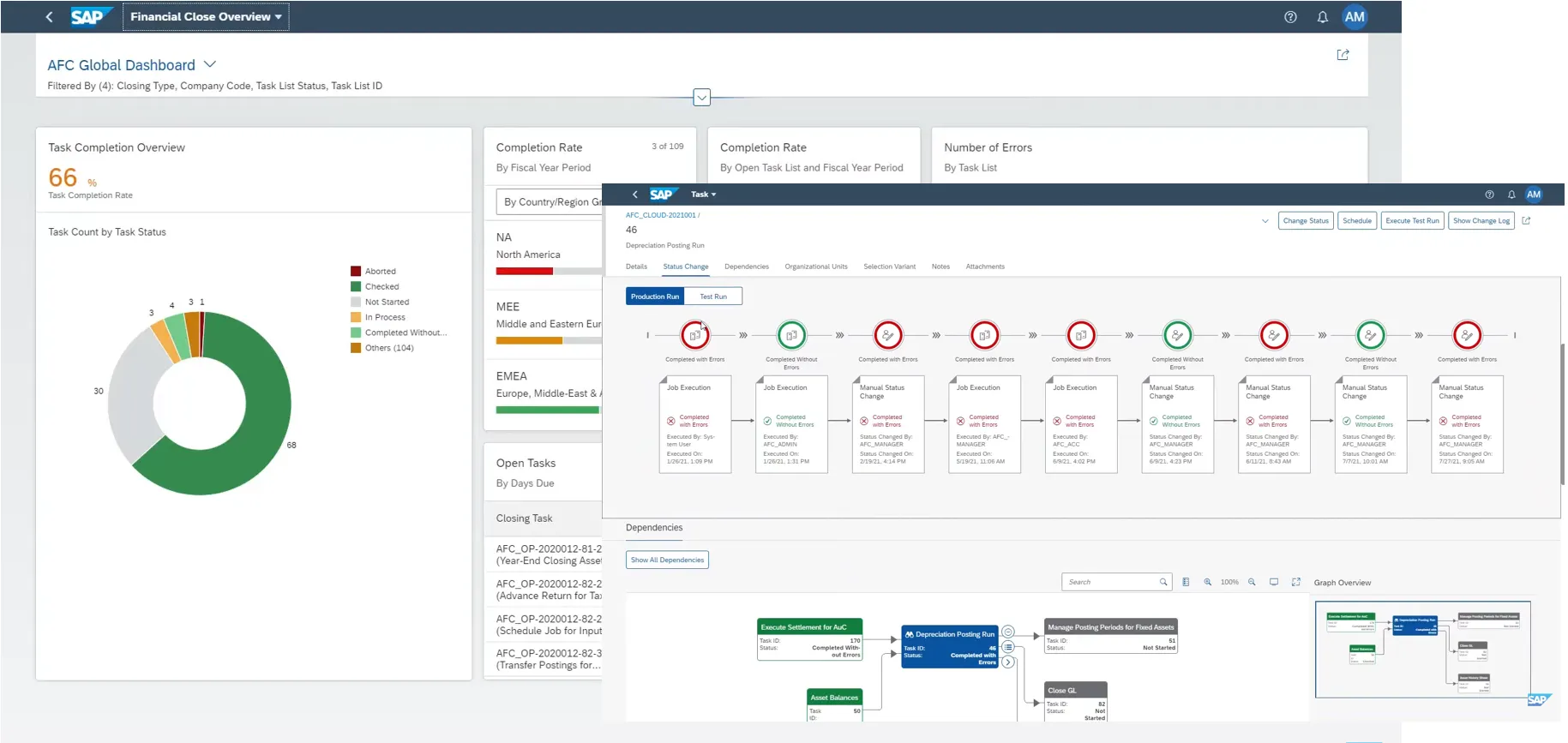
Readiness for AI adoption
Reduced cost of system maintenance
Faster reporting with embedded analytics
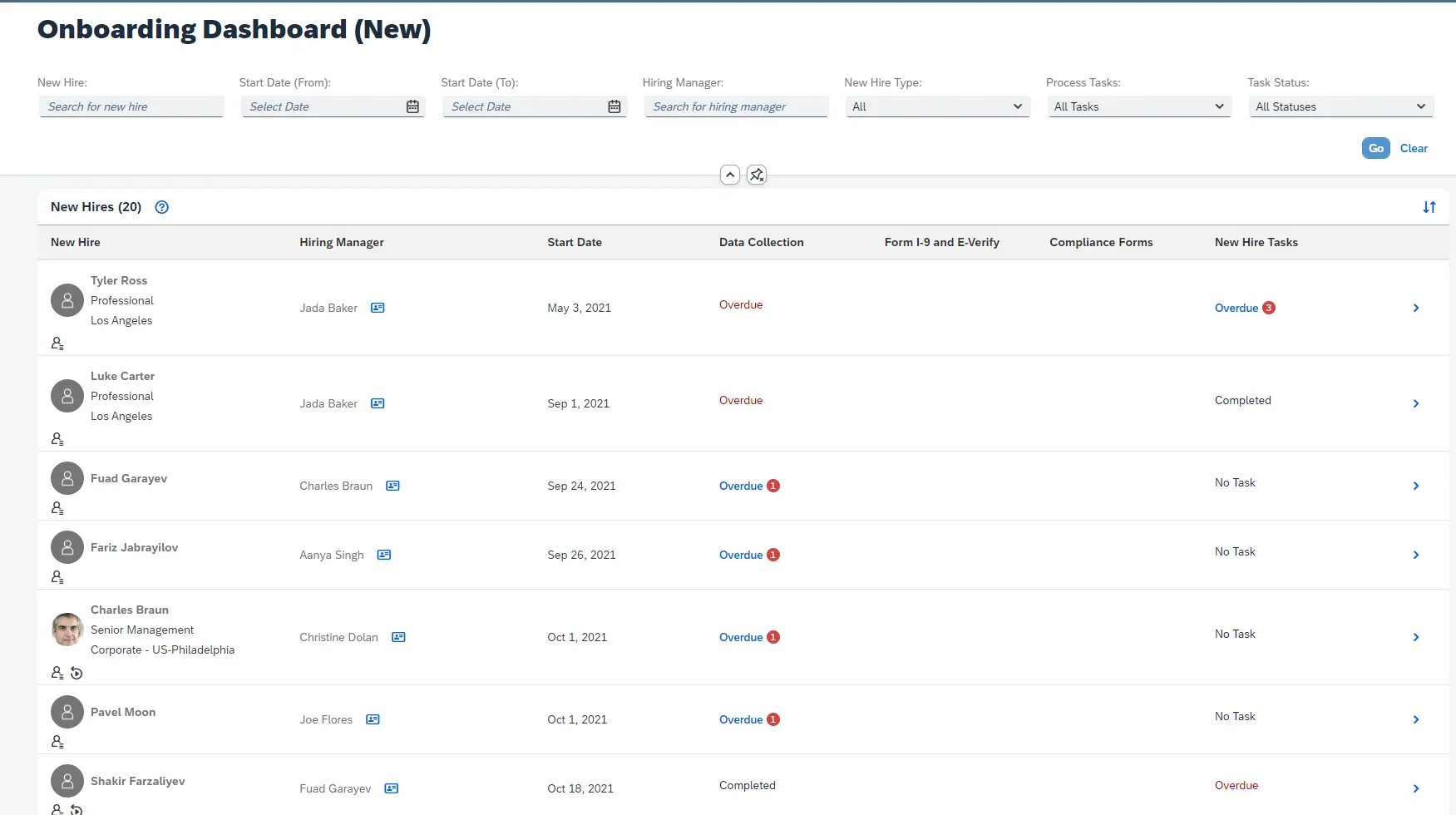
Mastering the Hire-to-Retire Journey with SAP SuccessFactors
HMRC & GDPR Compliance
Precision Payroll Excellence
Strategic Reward & Compensation
Retention & Engagement
Time Management
Unified Global Employee Records
- Self-Service Management
- HMRC & GDPR Compliance
- Precision Payroll Excellence
- Workplace Well-being
- Strategic Reward & Compensation
- Retention & Engagement
- Time Management
- Unified Global Employee Records
Not sure if your SAP system needs an upgrade or just support? We’ll review your system.
Core Aspects of a Structured SAP S/4HANA Upgrade
Upgrade scope and system baseline
An upgrade starts with a clear definition of the current system state and the required target version. This determines how much change is needed and where the main effort will sit.
A well-defined scope reduces rework during the project and keeps the upgrade aligned with business priorities.
-
Analysis of the current SAP version, add-ons, and integrations
-
Identification of incompatible components and required adjustments
-
Selection of upgrade approach, such as system conversion or selective data transition
-
Alignment of upgrade objectives with reporting and operational needs
System architecture and clean core approach
The upgrade introduces a decision point on how the system is structured. Keeping the core system close to standard SAP reduces long-term maintenance effort.
A clear architecture also improves system stability and simplifies future updates.
-
Separation of standard SAP functions from custom developments
-
Identification of extensions that can be moved to SAP BTP
-
Reduction of modifications within the S/4HANA core
-
Definition of development principles for future changes
Local compliance and operational alignment
An upgraded system must reflect current UK regulatory and operational requirements. This includes financial reporting, tax handling, and workforce-related processes.
Accurate configuration reduces compliance risks and supports consistent operations.
-
Configuration aligned with UK GAAP and statutory reporting
-
Support for Making Tax Digital requirements and HMRC interfaces
-
Adjustments to payroll based on National Insurance and pension rules
-
Integration with UK-specific external systems and services

Data structure and migration quality
Data preparation defines how reliable the upgraded system will be. Inconsistent or outdated data can affect reporting and system performance.
A structured approach to data improves accuracy and reduces post-upgrade corrections.
-
Cleansing of duplicate and inconsistent records
-
Standardisation of master data across business units
-
Validation of financial and operational data for audit purposes
-
Controlled migration and reconciliation after data transfer
How We Help With SAP S/4HANA Upgrades in the UK
Strategic upgrade advisory
Technical upgrade and functional modernisation
SAP BTP development and Clean Core design
Data readiness and AI enablement
UK compliance and security configuration
Cutover support and continuous optimisation
Book a working session to assess risks and plan your SAP S/4HANA upgrade.
Our Approach to SAP S/4HANA Upgrade
Every SAP S/4HANA upgrade starts from a different baseline. Some systems run on older S/4 releases. Others still operate on ECC with extensive custom code. In the UK, projects also need to address HMRC reporting, audit controls, and data handling standards.
We follow a structured approach to control technical risk and keep the system aligned with business and regulatory requirements. Here is how we structure SAP S/4HANA upgrade projects:
System assessment and compliance review
- System landscape analysis: Review SAP ECC or S/4HANA environment, including modules, custom code, and integrations.
- SAP Readiness Check execution: Identify incompatible objects, add-ons, and required technical adjustments.
- Process and data review: Analyse finance, procurement, and logistics processes for inconsistencies or outdated logic.
- UK compliance screening: Check VAT handling, HMRC reporting structures, and data processing against UK GDPR expectations.
- Risk mapping: Identify upgrade blockers related to code, data quality, or external integrations.
1.
Upgrade planning and scenario definition
- Upgrade path selection: Define Brownfield, Greenfield, or selective data transition based on system condition.
- Scope definition: Determine which modules, processes, and data sets are included in the upgrade.
Custom code strategy: Decide which developments will be retained, replaced, or removed. - Timeline and dependency planning: Build a phased schedule with clear milestones and validation points.
- Testing and compliance planning: Define testing scope for financial reporting, integrations, and audit controls.
2.
Architecture alignment and system preparation
- Clean Core preparation: Separate standard SAP processes from custom logic to reduce upgrade complexity.
- Infrastructure validation: Ensure database, hosting, and network layers support the target S/4HANA release.
- Security and access design: Align roles and authorisations with audit and control requirements.
- Integration readiness: Prepare interfaces with banking systems, HMRC APIs, and external platforms.
- Data preparation: Clean and harmonise master and transactional data before migration.
3.
Upgrade execution and system validation
- Technical conversion: Perform system upgrade, including database migration and code adaptation.
- Functional validation: Test financial postings, supply chain processes, and reporting outputs.
- Integration testing: Validate data exchange with external systems and services.
- User acceptance testing: Confirm system behaviour with business users across key processes.
- Defect resolution: Fix identified issues before production deployment.
4.
Cutover, go-live, and stabilisation
- Cutover planning: Define sequence for data transfer, system switch, and user access activation.
- Production deployment: Move upgraded system into live environment with controlled downtime.
- Post-go-live monitoring: Track system performance, transaction processing, and error logs.
- Compliance verification: Confirm reporting accuracy and audit trail consistency after go-live.
- Support and optimisation: Resolve issues and adjust configurations based on real usage patterns.
5.
Customers' Success Stories
SAP S/4HANA Optimization and Regional Rollout for Retal Group

SAP S/4HANA Migration for Eurasia Group Kazakhstan

FUCHS’s Digital Transformation of Business Workflows

Implementation of SAP S/4HANA Private Cloud for Safia

Why Choose LeverX for SAP S/4HANA Upgrades
Proven delivery experience
Direct involvement in SAP development
LeverX works with SAP on product development and improvement. Our engineers contribute to SAP solutions and understand how new releases are structured. This allows us to apply new features correctly and avoid common implementation issues.
Clean core approach in practice
Data preparation for reliable operations
Industry and UK-specific expertise
Continuous support and delivery capacity
WHAT OUR CUSTOMERS SAY
CUSTOMERS' SUCCESS STORIES
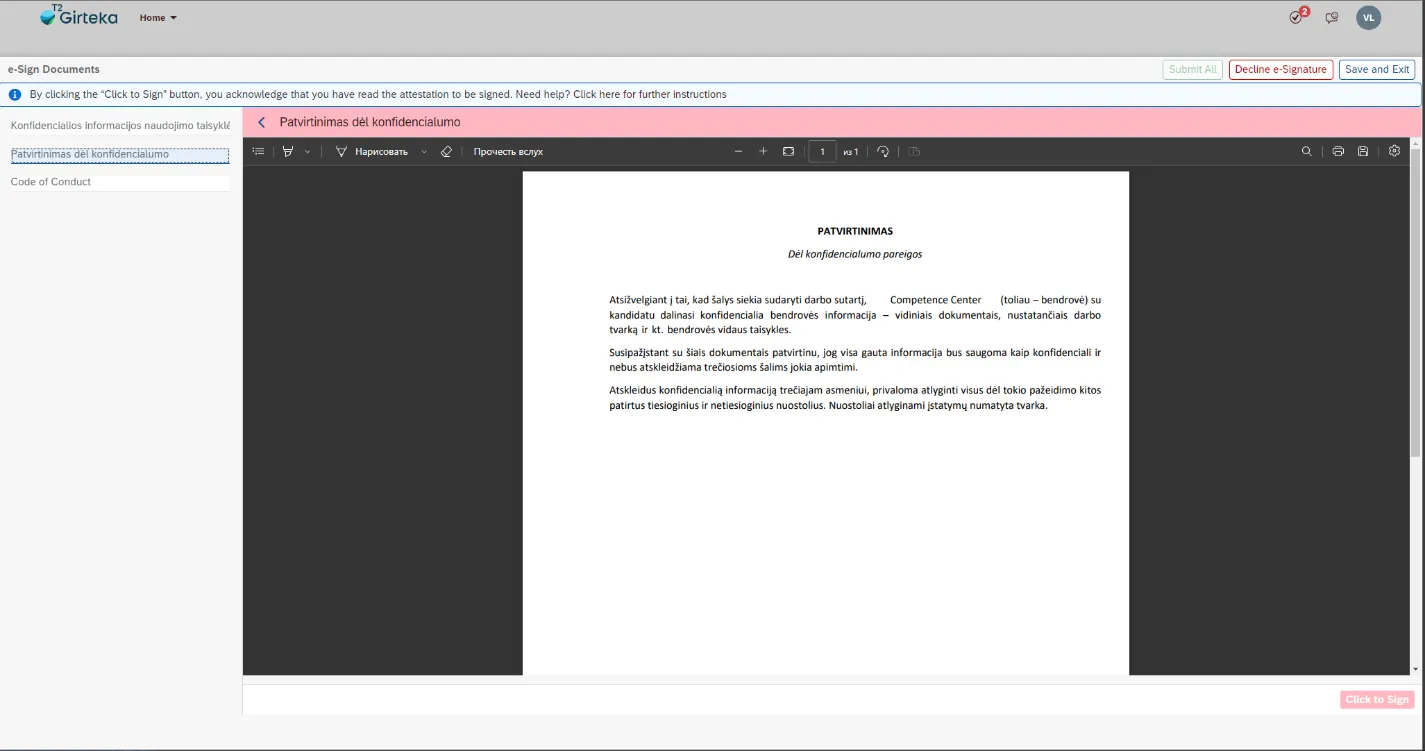
Girteka: SAP SuccessFactors as a Sustainable Digital HR solution for Employee Self-Service
Many fast-growing companies encounter management issues as their teams expand internationally. Learn from this case study how Girteka and LeverX team solved this issue by implementing the SAP SF solution and other 3rd party systems to synchronize internal HR data to improve internal HR processes for Girteka.

SAP Customization Project for a Large Food Retailer
The LeverX team improved the customer’s existing SAP systems. The modification and development done by our experts allowed the client to increase profits from product sales and marketing processes efficiency.

Risk Management Software Development for a Large Metal and Mining Company
LeverX took part in the development of a risk management solution that would enhance the client’s existing system and drive better, more accurate results to the business.
Industries We Serve
Industries Where SAP S/4HANA Upgrades Deliver the Most Value
Manufacturing
Retail
Logistics and supply chain

Life sciences and pharmaceuticals

Automotive

Financial services
Implementation Roadmap
System assessment and compliance review
- System landscape analysis: Review SAP ECC or S/4HANA environment, including modules, custom code, and integrations.
- SAP Readiness Check execution: Identify incompatible objects, add-ons, and required technical adjustments.
- Process and data review: Analyse finance, procurement, and logistics processes for inconsistencies or outdated logic.
- UK compliance screening: Check VAT handling, HMRC reporting structures, and data processing against UK GDPR expectations.
- Risk mapping: Identify upgrade blockers related to code, data quality, or external integrations.
1.
- Setting Goals and Objectives: Establish and agree on the goals to be achieved throughout the project.
- Assembling the Project Team: Appoint team members and define their roles and responsibilities.
- Project Plan Development: Create a comprehensive plan that outlines project phases, timelines, resources, and key performance indicators.
- Budget Determination: Estimate and approve the budget.
- Specifications Preparation: Develop the technical and functional specifications for the development team.
Prepare
- Ensuring Business Requirements are Met: Check that SAP SF aligns with business requirements and project objectives.
- Data Validation: Verify the accuracy and compliance of the data.
Explore
- Data Migration: Transfer data from existing systems to the new one.
- System Configuration: Set up the solution according to requirements and specifications.
- Customization: Develop additional features and modules, if the standard solution does not meet all needs.
- Integrations: Configure SAP SF to work with other IT systems and applications.
Realize
- Testing: Perform functional, integration, regression, and load testing to ensure that all works correctly.
- User Training: Organize sessions to help users become familiar with the new system.
Deploy
- System Readiness Check: Verify that the system is ready for operational use.
- Launch: Officially transition to active use of SAP SF.
- Ongoing Support: Continuously monitor solution performance to identify and resolve any issues.
Run
Frequently Asked Questions
How does SAP S/4HANA handle Making Tax Digital requirements in practice?
S/4HANA supports Making Tax Digital through SAP Document and Reporting Compliance and standard VAT reporting structures. VAT data is captured at transaction level and stored in structured tables used for digital submissions. The system can generate VAT returns in the format required by HMRC APIs.
This removes the need to extract data into external tools for submission. It also reduces manual adjustments before filing. However, configuration must match the company’s VAT structure, including partial exemption and group reporting scenarios.
What changes are required to meet UK SOX-style audit expectations?
An upgrade does not automatically ensure compliance with UK SOX requirements. The system must be configured with proper internal controls after the upgrade.
This includes defining segregation of duties, controlling access to financial transactions, and logging user activity. SAP GRC or embedded access control functions are typically used for this purpose. Audit readiness depends on how these controls are designed and tested after the system is upgraded.
What happens to historical financial data during an upgrade?
Historical data is not lost during a system conversion. It is either migrated in full or selectively retained, depending on the chosen approach.
In most UK projects, financial records are preserved to meet audit and statutory reporting requirements. Data structures may change, but document chains and transaction history remain accessible. This is critical for audits, especially when prior periods are reviewed under HMRC or external audit processes.
What role does the upgrade play in ESG and Net Zero reporting?
S/4HANA provides the data structure required to collect and organise sustainability metrics. Financial and operational data can be linked to emissions and resource usage.
When connected to SAP sustainability tools, the system supports calculation and reporting of carbon data. The upgrade ensures that source data is consistent, which is required for external ESG disclosures and internal tracking.
What are the main risks during an SAP S/4HANA upgrade, and how are they controlled?
The main risks are linked to custom code incompatibility, data inconsistencies, and integration failures. These issues usually appear during testing or immediately after go-live if not addressed earlier.
Risk control starts with system analysis and code remediation before the upgrade. Test cycles must cover financial postings, integrations, and reporting outputs. Cutover planning is also critical, as it defines how data is transferred and when systems are switched. When these steps are structured properly, the upgrade can be executed without interrupting core business processes.
Contact Us
What happens next?
-
1
An expert will reach out to you to discuss your specific requirements and objectives.
-
2
We’ll sign an NDA to ensure any sensitive information is kept secure and strictly confidential.
-
3
We’ll work with you to prepare a customised proposal based on the project’s scope, timeline, and budget.
years of expertise
projects
professionals
Contact Us