










SAP Consulting for the UK Automotive Industry
UK automotive companies face increasing pressure on cost control, compliance, and production flexibility. We implement SAP to align core operations and support consistent decision-making.
LeverX is a global system integrator and SAP Gold Partner with more than twenty years of experience in SAP consulting and implementation. Our teams deliver SAP programmes across manufacturing, automotive, logistics, and retail. This includes projects for OEMs and suppliers operating in complex, multi-entity environments.
We work with automotive companies in the UK to implement SAP Cloud ERP and align it with local regulatory and operational requirements. This includes compliance with UK Rules of Origin under the Trade and Cooperation Agreement and integration with HMRC processes for customs and reporting. Our specialists design system architectures, configure production, supply chain, and finance processes, and manage data migration. We also integrate SAP with SAP BTP, Catena-X networks, and shop-floor systems. This creates a consistent data structure across production, finance, and partner ecosystems.
Why SAP Matters for Automotive in the UK
A production plan only works if it reflects what is actually happening on the shop floor. In many UK automotive companies, that link is weak. Planning sits in one system. Manufacturing data sits in another. Supplier updates arrive late or in inconsistent formats. As a result, teams adjust schedules manually and react to issues after they occur.
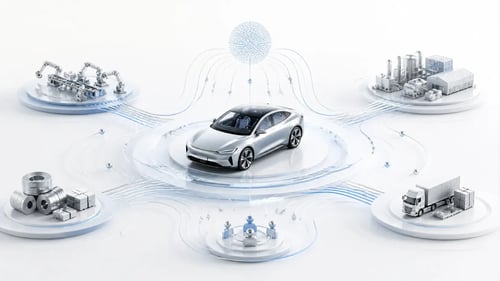
SAP replaces this fragmented setup with a single operational view. It connects planning, production, supply chain, and finance in one system. Data moves in real time between these functions. This structure supports what SAP defines as the Digital Automotive Enterprise. It combines SAP Cloud ERP (SAP S/4HANA Cloud) with SAP BTP and data exchange networks such as Catena-X. The goal is simple. Align internal operations with supplier and production data without manual intervention.
Key business drivers for UK automotive companies adopting SAP:
-
Accurate production planning. Use live shop floor data to adjust schedules and reduce delays.
-
End-to-end supply chain tracking. Track components from supplier to assembly line with consistent data records.
-
Cost visibility across operations. Link production activity with financial data to monitor costs at each stage.
-
Direct connection to factory systems. Capture machine and sensor data through SAP BTP to support automated reporting.
-
Structured data exchange with partners. Share and receive data through networks such as Catena-X using defined standards.
What Do UK Automotive Companies Gain from SAP?
Automated compliance with UK Rules of Origin (TCA)
Customs processing aligned with HMRC requirements
End-to-end component traceability with Catena-X
Real-time production monitoring with OEE metrics
Support for Industry 4.0 and automated operations
Structured approach to environmental and Net Zero reporting
SAP is broad. Automotive operations are complex. We help you understand where they connect in your environment.
Which SAP Solutions Run Automotive Operations in the UK
SAP S/4HANA Finance
Records financial transactions in real time. It keeps operational and financial data aligned without reconciliation steps.

SAP Global Trade Services (GTS)
SAP Analytics Cloud (SAC)
SAP Document and Reporting Compliance

SAP S/4HANA Cloud for Treasury and Risk Management
How We Support SAP Transformation in UK Automotive
Strategic advisory for UK automotive operations

SAP Cloud ERP (S/4HANA Cloud) implementation and transition

System integration and shop-floor connectivity

Data analytics and ecosystem connectivity

Custom development and automotive-specific solutions
Why Choose LeverX
Proven track record
SAP partnership
Industry expertise with UK context
Quality and security standards
Focus on innovation in automotive
Flexible delivery model
Customers' Success Stories
S/4HANA Manufacturing Logistics Implementation For a Leading Automaker

SAP S/4HANA Digital Core for High-Volume Automotive Manufacturing
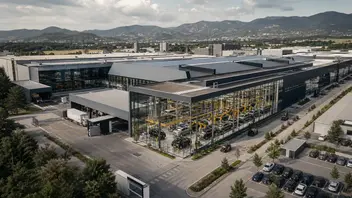
SAP EWM for Automotive: Enterprise-Scale Warehouse Management
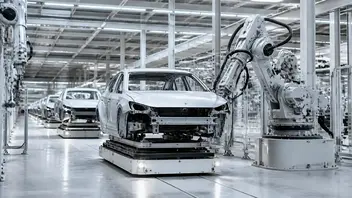
SAP Workflow Implementation for an Automobile Manufacturer
WHAT OUR CUSTOMERS SAY
Our SAP Implementation Roadmap for Automotive in the UK
Assessment and regulatory alignment
- Current system review: We analyse ERP landscapes, production systems, and integration points across plants and suppliers.
- Regulatory mapping: We identify UK-specific requirements, including HMRC reporting, Rules of Origin, DVSA standards, and ESG obligations.
- Data readiness check: We assess master data quality across materials, suppliers, and production structures.
- Risk identification: We highlight gaps in traceability, compliance, and system dependencies before design starts.
1.
Solution planning and programme design
- Target architecture definition: We define how SAP Cloud ERP, SAP BTP, and industry components will work together.
- Migration strategy: We decide on greenfield, brownfield, or hybrid transformation depending on legacy systems.
- Workload planning: We structure project phases across production sites, business units, and countries.
- Compliance design: We embed UK tax, customs, and sustainability requirements into the solution blueprint.
2.
Architecture and integration design
- Core system design: We structure SAP S/4HANA around finance, supply chain, and manufacturing processes.
- Integration planning: We design connections to MES systems, IoT devices, supplier platforms, and Catena-X.
- Data architecture: We define how production, logistics, and financial data will be stored and exchanged.
- Security design: We implement access control and compliance alignment with UK GDPR and industry standards.
3.
Pilot implementation and validation
- Scope selection: We choose one plant, process, or business unit for controlled implementation.
- System configuration: We set up SAP processes for production, logistics, and finance in a test environment.
- Data migration trial: We validate master data transfer from legacy systems.
- Process testing: We simulate production flows, supply chain movements, and reporting scenarios under real conditions.
4.
Full deployment and operational support
- Rollout execution: We expand SAP across plants, subsidiaries, and supplier networks.
- System integration: We activate full connectivity between SAP, shop-floor systems, and external platforms.
- Stabilisation phase: We monitor performance, data accuracy, and process execution after go-live.
- Ongoing optimisation: We refine configurations based on production data, regulatory updates, and business changes.
5.
Frequently Asked Questions
How does SAP support compliance with UK vehicle approval requirements?
Vehicle approval is not only about documentation. It is about linking that documentation to actual production data. SAP stores approval records and connects them to materials, batches, and finished vehicles. This includes data required by the Vehicle Certification Agency. When a regulator requests proof, teams can trace it back to a specific unit without manual searches. This reduces the risk of gaps between engineering data and compliance records.
How does SAP handle the shift towards electric vehicles?
Electric vehicles introduce new data points that must be tracked from day one. SAP records battery components, supplier details, and material origin for each unit. This supports traceability and future recycling requirements. Production planning also changes, as EV and traditional models often share assembly lines. SAP schedules these operations based on capacity and material availability. Financial data reflects the different cost structure of EV programmes, including battery sourcing and compliance costs.
Where do SAP projects in automotive usually face difficulties?
Most issues appear at the point where business processes meet system design. Data from legacy systems is often incomplete or duplicated. This leads to inconsistencies after migration if not addressed early. Another risk is disruption to production during system changes. This is managed through staged testing that reflects actual shop-floor conditions. Clear process definitions also matter, because unclear requirements lead to rework during implementation.
What drives the cost of SAP implementation in the UK?
Costs depend on system scope, user numbers, and integration needs. Additional factors include data migration, custom development, and regulatory setup. Cloud subscription fees are usage-based. A precise assessment ensures clarity on total investment and avoids surprises.
Contact Us
What happens next?
-
1
An expert will reach out to you to discuss your specific needs and requirements.
-
2
We'll sign an NDA to ensure any sensitive information is kept secure and confidential.
-
3
We'll work with you to prepare a customized proposal based on the project's scope, timeline, and budget.
years of expertise
projects
professionals
Contact Us
CONTACT US
If you are looking for an SAP Global Strategic Supplier or Technology Partner for your business, fill out the form below, and we will contact you at short notice.