







SAP Consulting for Pharmaceuticals and Life Sciences in the UK
We deliver SAP consulting and implementation for pharmaceutical and life sciences organisations in the UK, with a focus on compliant data flows and controlled supply chains. Our teams set up systems that support clinical, production, and regulatory processes.
LeverX is an SAP Gold Partner with more than twenty years of experience delivering SAP implementation projects across industries. We work with pharmaceutical, biotechnology, and medical technology companies in the UK to design and deploy SAP landscapes that support controlled processes and audit requirements. Our teams have delivered projects for large enterprises and complex organisations with strict compliance obligations.
We implement SAP S/4HANA and use SAP Business Technology Platform to connect research, manufacturing, and supply chain systems. Our specialists configure data models, define process flows, and set up integrations with clinical and quality management solutions. We also support alignment with UK regulatory frameworks (MHRA/GxP) by ensuring traceability, data consistency, and system validation requirements are met.
Why SAP Matters for Life Sciences in the UK
Pharmaceutical and life sciences companies operate on controlled data. Every batch record, clinical result, and quality check must be complete, traceable, and audit-ready. When this data sits across disconnected systems, teams rely on manual reconciliation. This slows release cycles and increases the risk of inconsistencies during inspections.
SAP solutions change how this data is handled. Manufacturing, quality, and supply chain processes follow the same data structure. Each transaction is recorded with a timestamp and user reference. This creates a consistent audit trail across functions. In the UK, this structure supports regulatory inspections and cross-border reporting requirements. It also reduces the need to reconcile data between systems before submissions or releases.
Key drivers for SAP adoption in the UK life sciences sector:
-
Reduced validation effort. Preconfigured SAP processes limit custom development and simplify system validation activities.
-
Batch traceability. End-to-end tracking links raw materials, production orders, and finished goods within one dataset.
-
Regulatory alignment. System controls support audit trails, electronic signatures, and documented process execution.
-
Customs and trade control. Integration of logistics and documentation supports UK–EU goods movement and declaration processes.
What Do Life Sciences Companies in the UK Gain from SAP Solutions?
MHRA compliance and GxP execution
Audit trails and electronic signatures
Regulatory reporting and market access
Supply chain transparency
Data management and system consistency
Risk reduction in regulated operations
Not sure how SAP fits into your processes? We can review your setup and explain which SAP components actually work.
Which SAP Solutions Support Life Sciences Operations in the UK?
SAP Portfolio and Project Management (PPM)

SAP Product Lifecycle Management (PLM)

SAP Product Lifecycle Costing (PLC)

SAP Recipe Development (RD)

SAP Enterprise Product Development (EPD)

How We Deliver SAP for Life Sciences in the UK
Strategic consulting
End-to-end SAP implementation

Systems and ecosystem integration

Data management
Advanced analytics and AI
Customers' Success Stories
Solution Development for Integrating Regulatory Compliance in the End-To-End Product Development
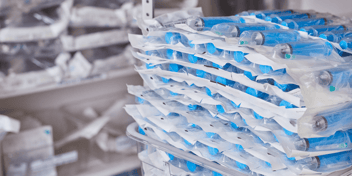
SAP S/4HANA & SAP BTP Solution Development
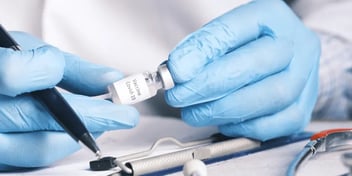
PLM Transformation in Hygiene & Infection Prevention

Automating Biochemical Experiments for a Silicon Valley Innovator
Why LeverX for SAP in UK Banking and Finance
Proven track record
Deep UK industry knowledge
SAP partnership
Certified quality, security, and compliance
Investment in innovation
Flexible delivery model
WHAT OUR CUSTOMERS SAY
Our Approach to SAP for Pharmaceuticals and Life Sciences in the UK
Assessment
- System and process review: We analyse existing SAP and non-SAP systems, including laboratory, manufacturing, and quality platforms.
- Regulatory scope definition: Then, we identify GxP-relevant processes and MHRA-regulated data flows.
- Integration mapping: We document how data moves between R&D, production, and supply chain systems.
- Risk identification: Our experts highlight gaps in validation coverage, audit trails, and data consistency.
1.
Planning
- Target architecture definition: We define the SAP landscape based on SAP S/4HANA and SAP Business Technology Platform.
- Validation strategy planning: Then, we outline Computer System Validation activities aligned with GAMP 5 expectations.
- Delivery roadmap design: Our experts structure phases for deployment, integration, and validation activities.
- Compliance alignment planning: We map UK GDPR, MHRA requirements, and internal quality standards into project milestones.
2.
Architecture design
- Process design in SAP: We model core processes such as batch release, quality control, and clinical supply management.
- System landscape design: Then, we define how SAP S/4HANA, SAP BTP, and connected systems interact.
- Data model design: Our experts structure master data for materials, products, and clinical records.
- Validation-by-design setup: We embed traceability between requirements, configuration, and test cases.
- Security and access design: Our engineers define role-based access and audit logging for regulated data handling.
3.
Implementation and validation (pilot phase)
- Controlled configuration build: We configure selected SAP processes in a sandbox or pilot environment.
- Integration testing: Our experts validate data exchange between SAP and external systems such as lab and clinical platforms.
- Validation execution: We run documented test scripts covering functional and regulatory requirements.
- Audit trail verification: Our engineers confirm that system logs capture user actions, timestamps, and change history.
- Feedback adjustments: We refine configuration and validation artefacts based on test results.
4.
Full deployment and operational readiness
- Scaled system rollout: We extend validated configurations across all relevant business units.
- Data migration execution: Our team migrates master and transactional data with reconciliation controls.
- End-to-end testing: We validate complete processes from R&D through manufacturing and distribution.
- Go-live preparation: Our experts confirm documentation, approvals, and validation sign-off before production use.
- Operational handover: We transfer system ownership with clear procedures for support and change control.
5.
Post-go-live support and compliance control
- System monitoring: Our team tracks system performance, data consistency, and process execution in production.
- Change control management: Then, we assess and document all system changes for validation impact.
- Regulatory readiness maintenance: Our engineers keep audit documentation aligned with MHRA and internal QA requirements.
- Continuous optimisation: We refine processes, integrations, and reporting structures based on operational data.
6.
Frequently Asked Questions
How does validation actually work when a system must pass MHRA inspection?
Validation in life sciences is not a final step. It starts with system design. LeverX defines validation scope before configuration begins. Each requirement is linked to a test case. Each test case is linked to documented evidence. Execution results are stored with user, time, and system logs. The structure supports inspection expectations set by the Medicines and Healthcare products Regulatory Agency.
What happens to legacy data when it is moved into SAP?
Data migration begins with classification. Not all data follows the same control rules.
LeverX separates GxP-relevant records from operational history. Data is cleaned and mapped before loading into SAP systems such as SAP S/4HANA. Reconciliation reports confirm that source and target records match at field level. This keeps audit trails continuous across systems.
Why do SAP systems shorten the path from production to market release?
Release delays often come from manual verification across multiple systems. Each check adds time and risk of inconsistency. SAP replaces this with structured workflows in a single environment. Batch results, quality checks, and approvals follow a defined sequence. Each step is recorded automatically. This reduces time spent preparing release documentation.
How are cross-border supply chain requirements handled after Brexit?
Post-Brexit logistics adds documentation steps to every shipment between the UK and EU. These steps are often handled outside core ERP systems.
LeverX configures SAP logistics tools to include customs data, product classification, and transport records. SAP Transportation Management and related components generate structured documentation during shipment processing. This keeps trade records aligned with UK and EU requirements.
Contact Us
What happens next?
-
1
An expert will reach out to you to discuss your specific needs and requirements.
-
2
We'll sign an NDA to ensure any sensitive information is kept secure and confidential.
-
3
We'll work with you to prepare a customized proposal based on the project's scope, timeline, and budget.
years of expertise
projects
professionals
Contact Us
CONTACT US
If you are looking for an SAP Global Strategic Supplier or Technology Partner for your business, fill out the form below, and we will contact you at short notice.