Learn about SAP S/4HANA migration in the UK market, covering strategies, risks, and step-by-step implementation guidance.
SAP will end mainstream maintenance for ECC 6.0 in January 2027. After that date, your system will not receive security patches, compliance updates, or new integrations. For UK businesses, that is not an abstract IT risk: Making Tax Digital mandates real-time VAT reporting, post-Brexit customs rules require granular supply chain data, and HMRC's audit trail expectations are tightening. ECC was not built for any of that.
SAP S/4HANA runs on SAP's in-memory HANA database with a compressed data model that eliminates aggregation tables. That architecture allows financial consolidation, inventory queries, and MRP runs that take hours in ECC to complete in minutes. It also opens direct integration with SAP BTP, embedded analytics, and AI-driven forecasting tools that ECC cannot support regardless of how it is configured.
In this article, we cover the business case specific to UK-regulated enterprises, how to select the right migration path for your organisation, and a six-step implementation roadmap from scoping to go-live. Keep reading.
What Changes When Your Core System Can Actually Keep Up
The conversation around SAP ECC end of life is often framed as a deadline problem. It is more accurately a capability gap that the deadline makes impossible to ignore. UK enterprises running ECC in 2025 are operating a financial and operational core that was architected before real-time data processing, cloud-native integration, and AI-assisted planning became standard expectations in enterprise software.
An ECC 6.0 end of life strategy that simply extends support through a third-party vendor delays the problem; it does not resolve it.
SAP ECC 6.0 to SAP S/4HANA migration
What the 2027 deadline actually means in practice
SAP ends mainstream maintenance for ECC 6.0 in January 2027. After that point, SAP will not issue legal change packages for new UK tax or customs regulations, will not patch newly discovered security vulnerabilities, and will not update integrations with third-party platforms.
Extended maintenance is available at additional cost until 2030, but it covers break-fix only. No new functionality. No compliance updates. Organisations that choose extended maintenance are effectively freezing their system at its current capability level while their regulatory and operational requirements continue to move.
The UK compliance argument is specific, not general
HMRC's Making Tax Digital programme is expanding. MTD for Income Tax Self Assessment begins in April 2026 for sole traders and landlords, with broader business application to follow. VAT-registered businesses are already operating under MTD, with requirements for digital audit trails and API-based submission to HMRC systems.
ECC handles VAT reporting through batch processes and manual extraction steps that introduce reconciliation risk. S/4HANA's Universal Journal consolidates all financial entries into a single ledger, which means VAT data, cost centre postings, and profit centre data are recorded simultaneously at the point of transaction, with a complete and unbroken audit trail available in real time.
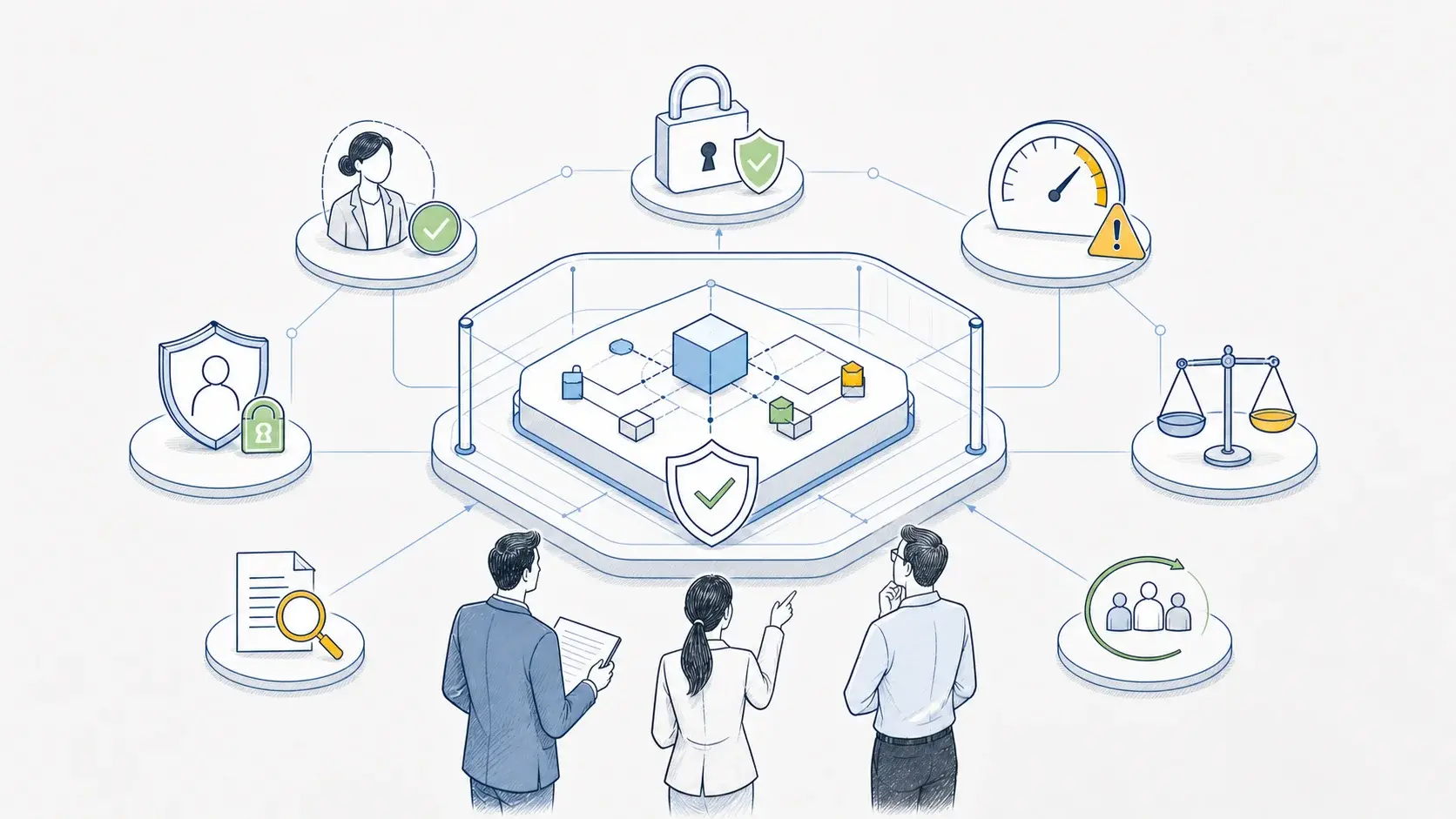
On data residency, UK GDPR requires that personal data processed by enterprise systems meets adequacy standards when transferred outside the UK. SAP's UK data centres, available through its Business Technology Platform (BTP) and RISE with SAP programme, allow organisations to specify that data remains within UK jurisdiction. That option does not exist with an on-premise ECC deployment managed without a defined data residency policy.
What S/4HANA's architecture enables that ECC cannot
The performance difference between ECC and S/4HANA is architectural, not incremental. ECC uses an aggregation-based data model that separates transactional and analytical data into different tables. Running a margin analysis or MRP simulation requires reading across multiple aggregated tables, which is why those processes run overnight in batch. S/4HANA uses SAP HANA's in-memory columnar database, which eliminates aggregation tables entirely. The same margin analysis runs in seconds against live transactional data.
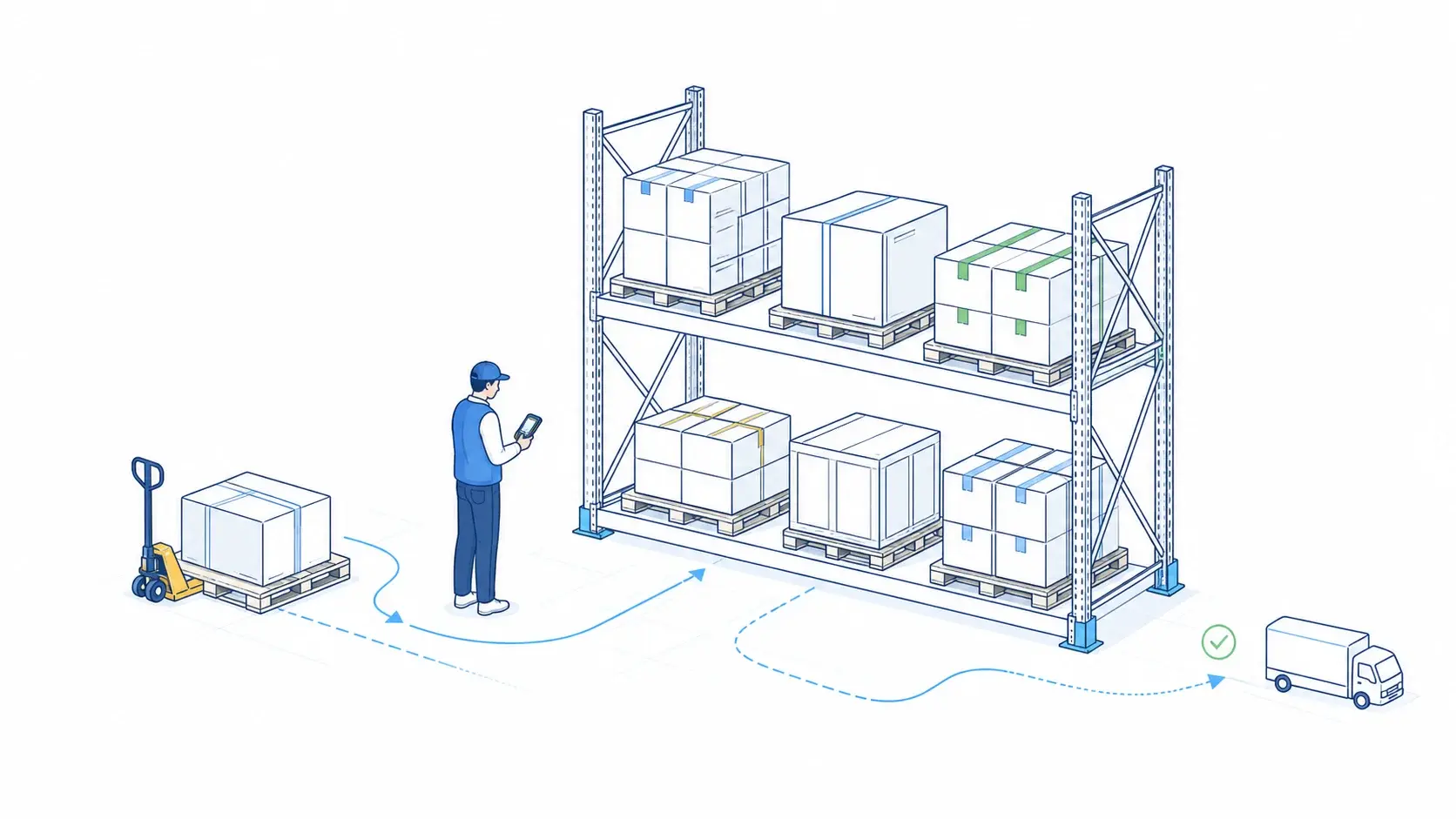
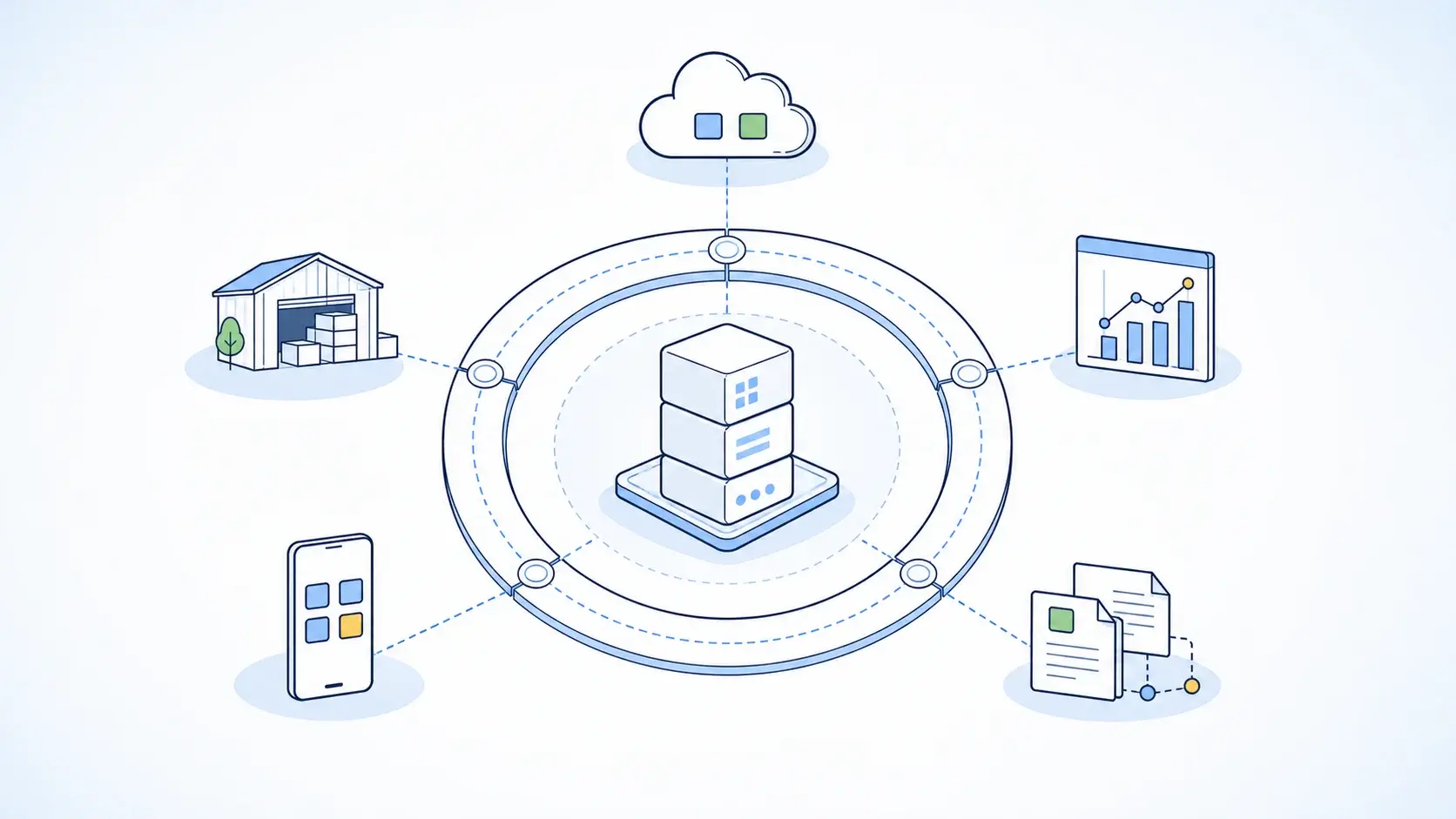
That architecture also determines what you can connect. SAP BTP, which hosts SAP's AI services, integration suite, and extension framework, is designed to run alongside S/4HANA. UK manufacturers using S/4HANA can connect demand sensing models that read live sales orders and inventory positions and adjust production planning parameters without a manual planning cycle.
UK retailers can run real-time markdown optimisation against current stock levels. These are not features available on ECC through configuration; they require the underlying data architecture that only S/4HANA provides.
Assess your current SAP ECC landscape to identify migration risks and readiness gaps before moving to S/4HANA
The total cost of ownership case
Running ECC on ageing on-premise infrastructure carries costs that rarely appear in a single budget line. Organisations typically maintain:
- Separate OLTP (online transaction processing) and OLAP (online analytical processing) environments, each requiring licensing, hardware refresh, and administration
- Custom ABAP code built over years of system extensions, which requires testing against every support package
- Integration middleware connecting ECC to third-party platforms, often maintained by specialist contractors
- Parallel reporting tools such as BW (Business Warehouse) or Business Objects, which exist because ECC cannot produce the analytical output the business needs natively
Migrating to S/4HANA on RISE with SAP consolidates infrastructure onto a single managed cloud contract, moves hardware refresh responsibility to SAP, and eliminates the need for a separate analytical layer. The migration project itself carries cost, but the steady-state operating model is materially simpler than what most UK organisations are running today.

How Do You Choose the Right SAP S/4HANA Migration Approach?
There is no single correct path from ECC to S/4HANA. SAP defines three distinct migration approaches, and the right choice depends on the age and condition of your current system, how much historical data your business processes require, and whether your existing ECC configuration still reflects how the organisation actually operates.
Choosing the wrong approach does not make migration impossible, but it does make it more expensive and more disruptive than it needs to be.
Comparing approaches: Brownfield, Greenfield, and Bluefield
Greenfield: Starting with a clean system
A greenfield implementation builds S/4HANA from scratch. Your existing ECC system is not converted; instead, the project team configures S/4HANA against your current business requirements, using SAP's Best Practices as a baseline and deviating only where your processes genuinely require it.
This approach suits organisations where the gap between how ECC is configured and how the business actually works has grown wide over time. Many UK enterprises have ECC systems that were implemented in the late 1990s or early 2000s and have since accumulated layers of custom ABAP development, modified SAP standard processes, and workarounds built to handle requirements the original implementation did not anticipate.
When that custom code base reaches a certain volume, converting it to S/4HANA costs more than rebuilding the configuration correctly.
Greenfield is also the appropriate choice when an organisation wants to adopt SAP's standard processes rather than carry existing ones forward. S/4HANA's standard processes are designed around the HANA data model and support embedded analytics, automated matching, and integration with BTP natively. Organisations that build heavily against those standards from the start get more from the platform than those that replicate ECC processes in a new system.
The trade-off is that historical transactional data does not migrate automatically. Most organisations that take the greenfield path archive ECC data separately and run the systems in parallel for a defined period, or load summary balances into S/4HANA at go-live. That decision requires careful planning, particularly for UK businesses with audit and statutory reporting obligations that require access to several years of transactional history.
Brownfield: Converting what you have
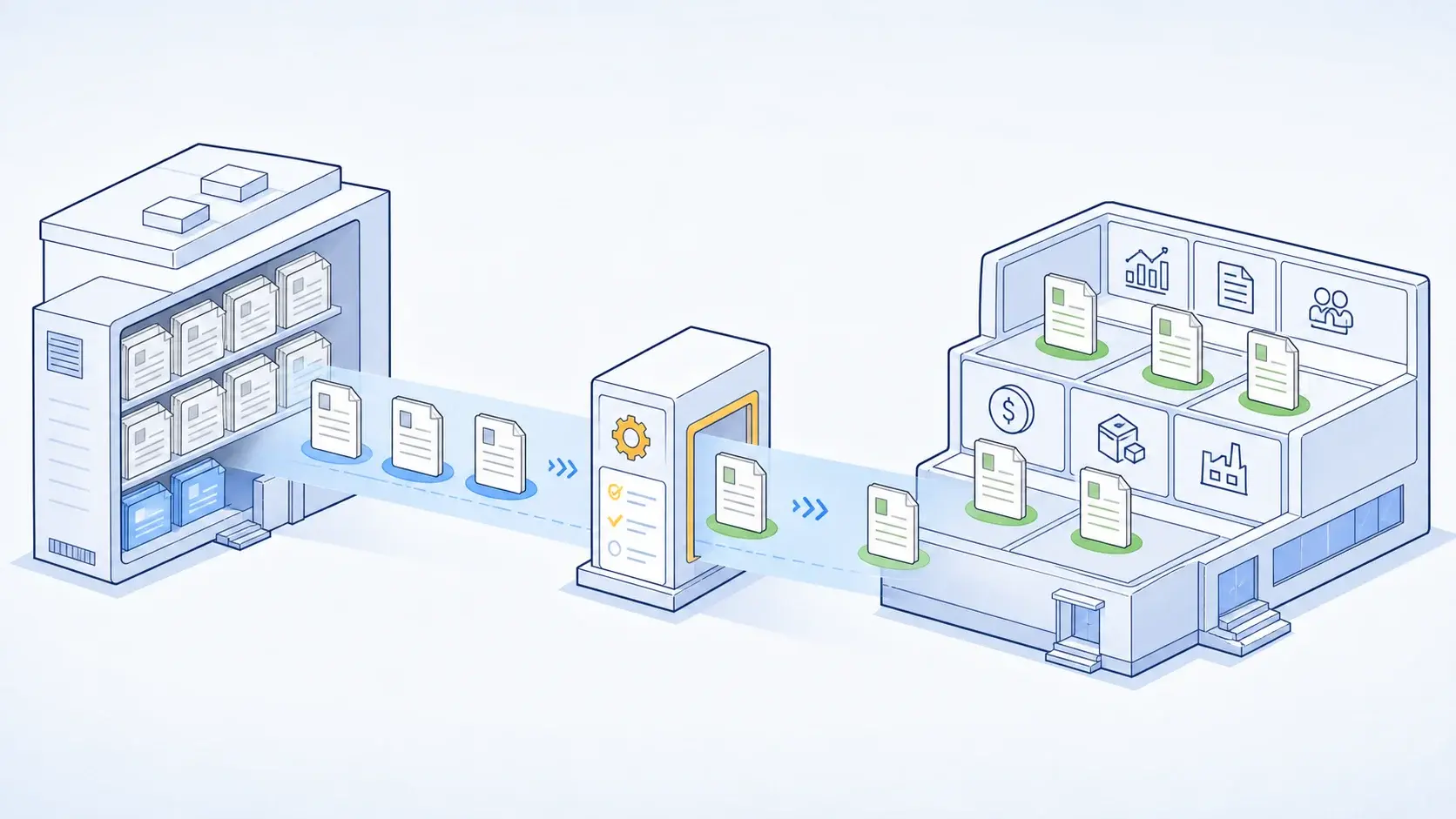
A brownfield conversion, which SAP formally calls a System Conversion, migrates your existing ECC system directly to S/4HANA. The technical configuration, master data, open transactional data, and historical records all move across. The system that goes live on S/4HANA is, in most respects, the same system that was running on ECC, now operating on the HANA database with S/4HANA's simplified data model applied.
This is the lower-disruption option for organisations where the ECC system is well-maintained, the custom code base is manageable, and the business processes in the system still reflect current operations. It is also the natural choice when continuity of historical data is a hard requirement, which in UK financial services, manufacturing, and public sector contexts it frequently is.
The conversion process requires a custom code adaptation phase before go-live. SAP's tooling, specifically the Custom Code Migration Worklist and the ABAP Test Cockpit, identifies which Z-code will not function on S/4HANA and what changes are required. For organisations with large custom code bases, this phase can be substantial. The key metrics to assess before committing to brownfield are:
- Volume of custom ABAP objects, particularly reports, user exits, and BAdI implementations
- Number of modified SAP standard objects, which require individual review
- Active use of deprecated ECC functionality such as Classic GL, which must be migrated to Universal Journal
- Degree to which existing configuration reflects current business structure, including any post-merger or post-Brexit organisational changes
Brownfield does not mean the organisation is locked out of process improvement. Many UK businesses use the conversion project as the point at which they simplify charts of accounts structures, consolidate company codes, or rationalise profit centre hierarchies that have grown organically over years.
Choosing between a system conversion and a new implementation
Bluefield: Selective data transition
Selective data transition, sometimes referred to as the shell conversion or landscape transformation approach, sits between Greenfield and Brownfield. It creates a new S/4HANA system and migrates a defined selection of data from ECC, allowing the organisation to restructure its data model, consolidate legal entities, or separate business units during the migration rather than before or after it.
This approach is technically the most complex of the three. It requires SAP Landscape Transformation tooling and, in most cases, specialist expertise beyond a standard S/4HANA implementation team. It is the appropriate choice for UK organisations in specific situations:
- Conglomerates operating multiple ECC clients or systems across different UK entities that need to consolidate into a single S/4HANA tenant
- Businesses that have undergone acquisition or divestiture and need to migrate only the relevant portion of an ECC system
- Organisations that need to restate their chart of accounts or legal entity structure at the point of migration, which is structurally difficult in a brownfield conversion
- Companies with a complex mix of well-maintained and heavily customised processes, where some areas warrant a clean build and others can convert directly
The selective approach carries the highest project cost and the longest timeline of the three paths. It is not a default choice; it is the right choice when the structural complexity of your current ECC landscape makes the other two options genuinely unworkable.
How a Typical S/4HANA Migration Actually Runs
Every S/4HANA project follows a different timeline. But the core stages remain broadly consistent across Greenfield, Brownfield, and hybrid transitions. What changes is the level of redesign, the volume of data involved, and the amount of system restructuring required at each stage.
The six phases below reflect how a well-run S/4HANA project progresses.
Step 1: Readiness assessment and discovery
The starting point is the SAP readiness check, a tool that analyses your existing ECC system and produces a structured report covering simplification items, custom code volume, active business functions, and add-on compatibility with S/4HANA. For UK organisations, this phase also includes reviewing localisation compatibility: UK-specific add-ons for payroll, VAT, Intrastat reporting, and HMRC-connected tools each carry their own S/4HANA compatibility status and upgrade path.
The readiness output directly informs approach selection. A system with high custom code volume and many simplification items points toward greenfield. A well-maintained system with a contained custom footprint is viable for brownfield conversion.
Step 2: Clean Core assessment and custom code strategy
SAP's clean core principle requires that customisations extend S/4HANA without modifying its standard codebase. In brownfield projects, the ABAP Test Cockpit generates a list of custom objects that will not function on S/4HANA without modification. Each object requires a decision: adapt the code, rebuild the functionality as a side-by-side extension on SAP BTP, or retire it if the underlying process is no longer active.
Moving customisations to BTP rather than rebuilding them inside S/4HANA decouples the custom logic from the SAP update cycle. Extensions running on BTP do not require retesting against every S/4HANA support package, which reduces ongoing maintenance overhead.
Step 3: Data cleansing and migration preparation
Data quality at go-live determines operational stability in the weeks that follow. Master data errors that staff worked around in ECC surface immediately in S/4HANA, where automated processes depend on clean and consistent records. The priority areas for UK businesses are typically:
- Vendor and customer master data, including VAT registration numbers verified against HMRC records
- Material master records, particularly where duplicate entries and inconsistent descriptions have accumulated
- Open items in accounts payable and receivable, which must be fully reconciled before cutover
- Chart of accounts and cost centre structures, which brownfield projects carry across but which frequently benefit from rationalisation at this stage.
Step 4: Functional configuration and process transformation
In greenfield projects, this phase covers the full configuration cycle: organisational structure, financial settings, logistics processes, and UK localisation. In brownfield projects, the focus is on resolving simplification items and migrating from Classic GL to Universal Journal.
The Universal Journal migration consolidates ECC's separate FI, CO, and reconciliation ledger tables into a single table, ACDOCA, in S/4HANA. This eliminates the periodic reconciliation steps that finance teams run in ECC and makes real-time profitability reporting available without a separate extraction process.
SAP Fiori role design also sits in this phase and should be scoped early; the mapping between ECC authorisation objects and Fiori catalogues is not automatic and requires deliberate configuration.
Step 5: Testing, including UK localisation validation
End-to-end process testing must confirm that integrated scenarios, such as purchase order to payment and payroll to general ledger posting, run correctly through the new system.
UK-specific localisation includes dedicated test cycles for MTD VAT return generation and API submission to HMRC, UK payroll including PAYE (Pay As You Earn) real-time information submissions, Intrastat and customs processes under the Windsor Framework, CHAPS, and Bacs payment file formats. User Acceptance Testing should include finance, procurement, HR and operations leads as well as the project team.
Step 6: Cutover and go-live
The cutover plan outlines the sequence and timing of each task, including system shutdown, final data extractions, execution of the migration load, post load reconciliation checks, and go-live confirmation. For customer-facing fulfilment operations for UK businesses, the go-live date should take account of order volumes, payroll cycles and VAT return deadlines.
Hypercare should run for a minimum of four weeks post go-live. The most common issues in this period are authorisation gaps, interface errors, and output determination failures, all of which are resolvable quickly with the project team still engaged.
Book a strategy session to define your SAP S/4HANA migration path, select the right approach, and structure a roadmap
What Creates Risk During an SAP S/4HANA Migration? And How to Measure Success?
The long-term results of SAP S/4HANA migration programmes often depend on the following factor: how early organisations identify operational risks and define measurable implementation targets.
Most large SAP environments contain years of accumulated complexity. This includes custom ABAP developments, third-party integrations, duplicated master data, local reporting logic, and process variations between departments or subsidiaries. During migration, these dependencies become visible very quickly.
This is why experienced SAP programmes treat migration as both a technical and operational transition. The objective is not only to move ECC workloads onto a new platform. The objective is to reduce future maintenance effort, simplify reporting structures, and avoid recreating the same limitations inside S/4HANA.
The main risks usually appear before go-live
Migration delays rarely come from a single technical failure. In most cases, project timelines extend because multiple smaller issues accumulate during preparation and testing phases.
For example, undocumented custom code may interrupt integration testing. Poor-quality master data may create reconciliation problems during finance validation. Infrastructure decisions may conflict with internal security policies late in the project. None of these issues are unusual in large SAP landscapes.
The table below outlines the risks most commonly seen in UK SAP S/4HANA programmes and the approaches organisations use to reduce them.
Common SAP S/4HANA Migration Risks
|
Risk area |
What typically causes the problem |
Practical mitigation approach |
|
SAP skills availability |
Demand for experienced SAP S/4HANA consultants, architects, and ABAP developers continues to exceed supply in the UK market. |
Start staffing and partner selection early. Combine internal SAP teams with external delivery capacity where necessary. |
|
Scope growth during implementation |
Business units often attempt to redesign additional processes after migration has already started. |
Define scope boundaries during the planning stage. Apply formal change governance throughout the programme. |
|
Legacy custom code complexity |
Older ECC environments frequently contain undocumented Z-programmes and heavily modified business logic. |
Run custom code analysis before conversion. Retain only developments that remain operationally necessary. |
|
Data quality and duplication |
Inconsistent supplier, customer, and material records create errors during migration and reporting validation. |
Clean and standardise master data before testing and cutover phases begin. |
|
UK localisation and compliance gaps |
VAT processing, payroll integrations, and local reporting structures may not function correctly after migration. |
Include UK-specific business scenarios in integration testing and user acceptance testing. |
|
Infrastructure and hosting constraints |
Internal governance policies may restrict where operational or customer data can be hosted. |
Align cloud architecture and hosting decisions with UK GDPR and internal security requirements early in the project. |
Migration success should be measured operationally
Technical go-live is only one milestone in an SAP S/4HANA programme. The more important question is whether the new environment improves operational execution after deployment.
This usually becomes visible in finance operations, reporting speed, system maintenance effort, and process execution time. Well-structured migration programmes define these targets before implementation begins so that results can be measured after go-live.
The exact outcomes differ between organisations. They depend on the starting ECC landscape, the migration approach, and the level of process redesign introduced during the programme. However, several improvements appear consistently after successful S/4HANA adoption.
Typical SAP S/4HANA Operational Outcomes
|
Operational area |
Typical result after migration |
operational impact |
|
Financial closing processes |
Faster reconciliation and shorter month-end close cycles |
Reduced manual finance workload and quicker reporting availability |
|
Operational reporting |
Real-time reporting through SAP HANA in-memory processing |
Reduced dependency on overnight batch jobs and delayed analytics |
|
Database footprint |
Lower database size through HANA compression and system consolidation |
Reduced infrastructure and storage overhead |
|
User interaction |
Faster execution of operational tasks through SAP Fiori applications |
Reduced navigation complexity and shorter onboarding time |
|
Inventory visibility |
Improved access to stock and planning data across supply chain operations |
Better inventory control and reduced excess stock levels |
|
System maintenance |
Reduced dependency on heavily customised ERP structures |
Simpler future upgrades and lower long-term support effort |
The long-term structure of the system matters more than the go-live weekend
Some organisations focus heavily on migration speed. In practice, the long-term maintainability of the SAP environment usually matters more than the deployment timeline itself.
An S/4HANA system that still depends on fragmented integrations, excessive custom code, and weak data governance will remain expensive to maintain after migration. The programme should therefore focus not only on conversion, but also on simplification.
This is one of the main reasons organisations increasingly move custom developments outside the ERP core, standardise business processes where possible, and introduce stronger governance around master data and integrations during migration programmes.
Why the Partner You Choose Matters as Much as the Path You Take
Executing an S/4HANA migration requires more than technical capability. It requires a team that understands the regulatory environment your system operates in, has delivered migrations of comparable complexity, and remains available after go-live when production issues surface.
For UK enterprises, that combination is specific enough to be worth examining carefully before selecting an implementation partner.
LeverX is an SAP-certified partner with direct delivery experience across Greenfield, Brownfield, and selective data transition projects for UK-based organisations.
We support SAP S/4HANA migration programmes with a focus on system stability and controlled transition. The work starts with analysis of ECC architecture, custom code, integrations, and UK-specific reporting requirements. This defines the migration scope before implementation begins.
A key focus is reducing unnecessary technical complexity. Many ECC systems contain custom developments that duplicate standard SAP functionality. LeverX applies a Clean Core approach and evaluates what should remain inside SAP and what should move to SAP Business Technology Platform (SAP BTP). This reduces long-term maintenance effort and simplifies future updates.
Post go-live, LeverX's hypercare support operates within UK business hours, with defined response times during the first weeks of production. Finance teams running their first month-end close on S/4HANA and procurement teams processing live purchase orders have access to the people who configured the system during the hours they need them.
Ready to assess your ECC landscape? Book a free consultation with LeverX's UK SAP team to review your current system, identify the right migration approach, and establish a clear picture of scope, timeline, and cost.
Before You Start: A Pre-Migration Readiness Checklist
Use this checklist to assess whether your organisation is technically and operationally ready for an SAP S/4HANA migration. It focuses on system readiness, data quality, compliance, and financial alignment.
1. SAP technical readiness completed
Has SAP Readiness Check 2.0 been executed?
It should identify simplification items, add-on compatibility issues, and required Fiori applications before any migration work starts.
2. Custom code impact assessed
Has legacy ABAP custom code been analysed using SAP tools such as ABAP Test Cockpit (ATC)?
The outcome should clearly show which developments can be retired, which must be adapted, and which should move to SAP Business Technology Platform (SAP BTP).
3. Business case formally approved
Has the CFO approved the migration business case?
The model should include total cost of ownership, infrastructure shift from CAPEX to OPEX where relevant, and expected long-term operational cost impact for the UK entity.
4. Data residency and UK GDPR confirmed
Is the hosting model aligned with UK GDPR requirements?
This includes validation of data storage location, typically within UK-based hyperscaler regions such as AWS London or Azure UK South, depending on the chosen infrastructure.
5. UK compliance requirements validated
Is there a defined plan for UK-specific regulatory processes?
This includes HMRC Making Tax Digital requirements, Construction Industry Scheme (CIS), and payroll-related integrations where applicable.
6. Data quality and archiving strategy defined
Has master data been reviewed for duplication and inconsistencies?
Is there an agreed approach for archiving obsolete transactional data to reduce system load and simplify the migration to SAP HANA?
Final note
If any of these points remain unclear or incomplete, migration planning will likely extend in time and scope. These areas define the baseline for a controlled SAP S/4HANA transition in the UK landscape.