For financial leaders across the UK and global enterprise markets, balance sheet reconciliation remains one of the most labor-intensive and risk-prone stages of the financial close process. As organizations expand across multi-entity structures, international subsidiaries, and complex regulatory frameworks - including HMRC Making Tax Digital (MTD), Companies Act 2006, FRS 102, and IFRS - traditional spreadsheet-driven reconciliation models struggle to scale.
SAP balance sheet reconciliation automation enables CFOs, Financial Controllers, and Finance Transformation Leaders to move from reactive manual matching to an intelligent, exception-driven close. By combining SAP S/4HANA Finance, SAP Business AI, SAP Build Process Automation, and SAP BTP capabilities, enterprises can transform balance sheet reconciliation from a manual, spreadsheet-driven activity into an automated, exception-based process with improved audit readiness and faster financial close cycles.
This guide explores the architecture, use cases, AI capabilities, implementation approach, and business benefits of automating balance sheet reconciliations across SAP S/4HANA environments.
Executive Summary and Key Takeaways
- The Core Objective: Shift from period-end batch matching to continuous accounting, automating low-risk, high-volume balance sheet account reconciliations in real time and isolating exceptions for human review.
- The S/4HANA Architectural Advantage: SAP S/4HANA Finance eliminates sub-ledger to general-ledger reconciliation runs by storing all financial, managerial, asset, and transactional data in a single, real-time source of truth: the Universal Journal (ACDOCA).
- The Complete Tech Stack: End-to-end reconciliation automation combines SAP S/4HANA Finance (core ledger), SAP Advanced Financial Closing (orchestration), SAP Business AI (exception prediction and document matching), SAP Build Process Automation (approvals and workflows), and SAP Business Technology Platform (BTP) (clean-core extensions, integrations, and automation services).
- Clean Core Extensibility: All custom matching rules, validation adapters, and third-party bank connectors are built on SAP BTP to preserve an unmodified ERP digital core.
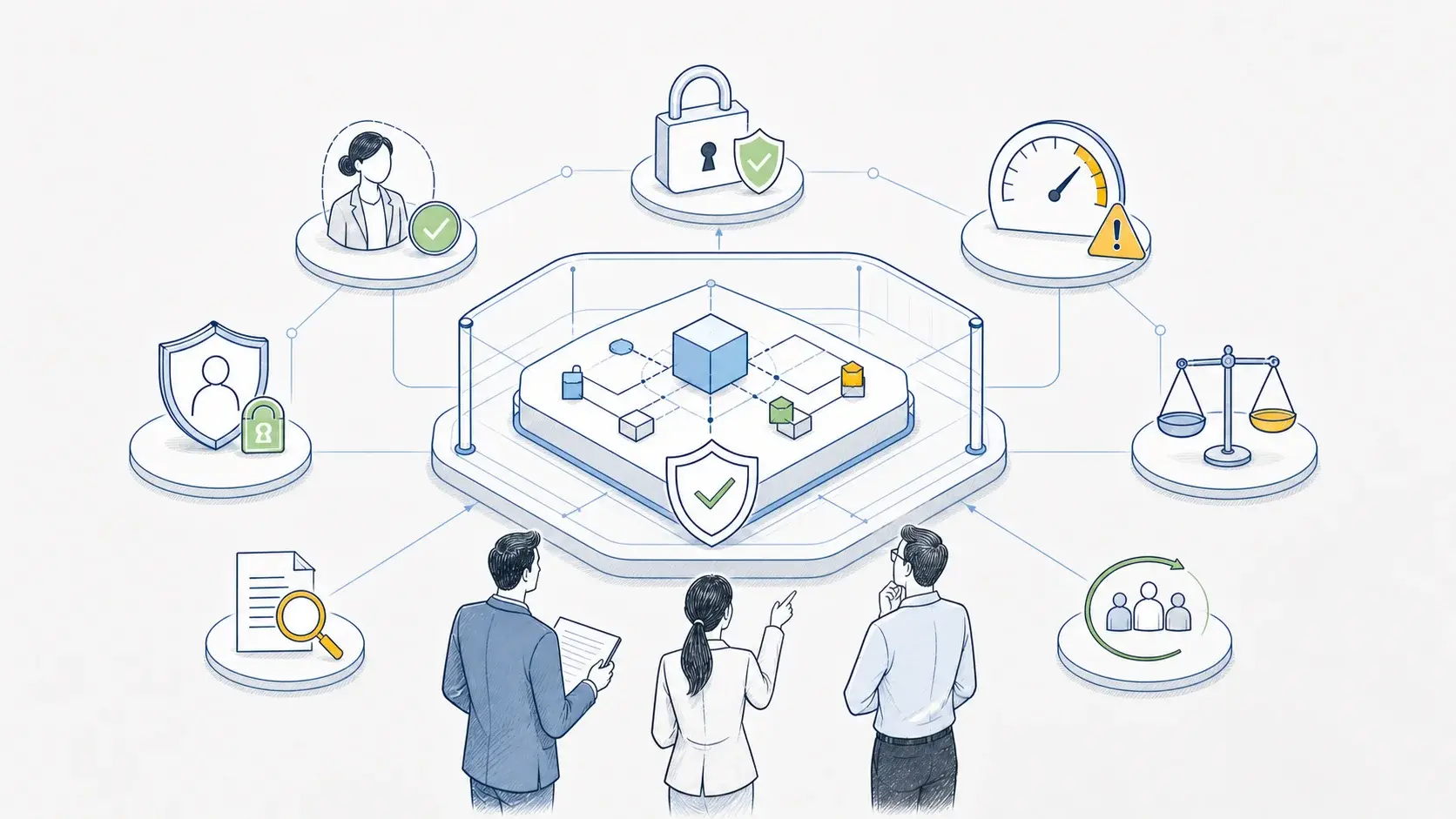
- UK Statutory Alignment: Preserves unbroken digital audit trails compliant with HMRC MTD, supports dual-ledger accounting (FRS 102 / IFRS), and guarantees UK GDPR data residency via UK hyperscaler cloud hosting (AWS London / Microsoft Azure UK South).
Ready to Automate Balance Sheet Reconciliations in SAP?
Accelerate financial close, reduce manual reconciliation effort, and improve audit readiness with LeverX. Our SAP Finance experts help enterprises automate reconciliation processes with SAP S/4HANA Finance, SAP Business AI, and SAP BTP.
What Is SAP Balance Sheet Reconciliation Automation?
Modern corporate accounting demands absolute data integrity across every financial reporting period. SAP balance sheet reconciliation automation is the technology-driven process of continuously matching, substantiating, validating, and certifying balance sheet general ledger (GL) accounts within an SAP ERP ecosystem. It replaces offline spreadsheet calculations, paper-based approval routing, and manual binder archiving with automated, rule-based workflows integrated directly into the financial ledger.
Rather than waiting until the end of the month to begin verifying account balances, an automated framework continuously pulls live general ledger data, reconciles line items against external or internal supporting feeds, and isolates non-matching items for immediate resolution. This transforms balance sheet governance from a periodic manual activity into a proactive, continuously controlled process.
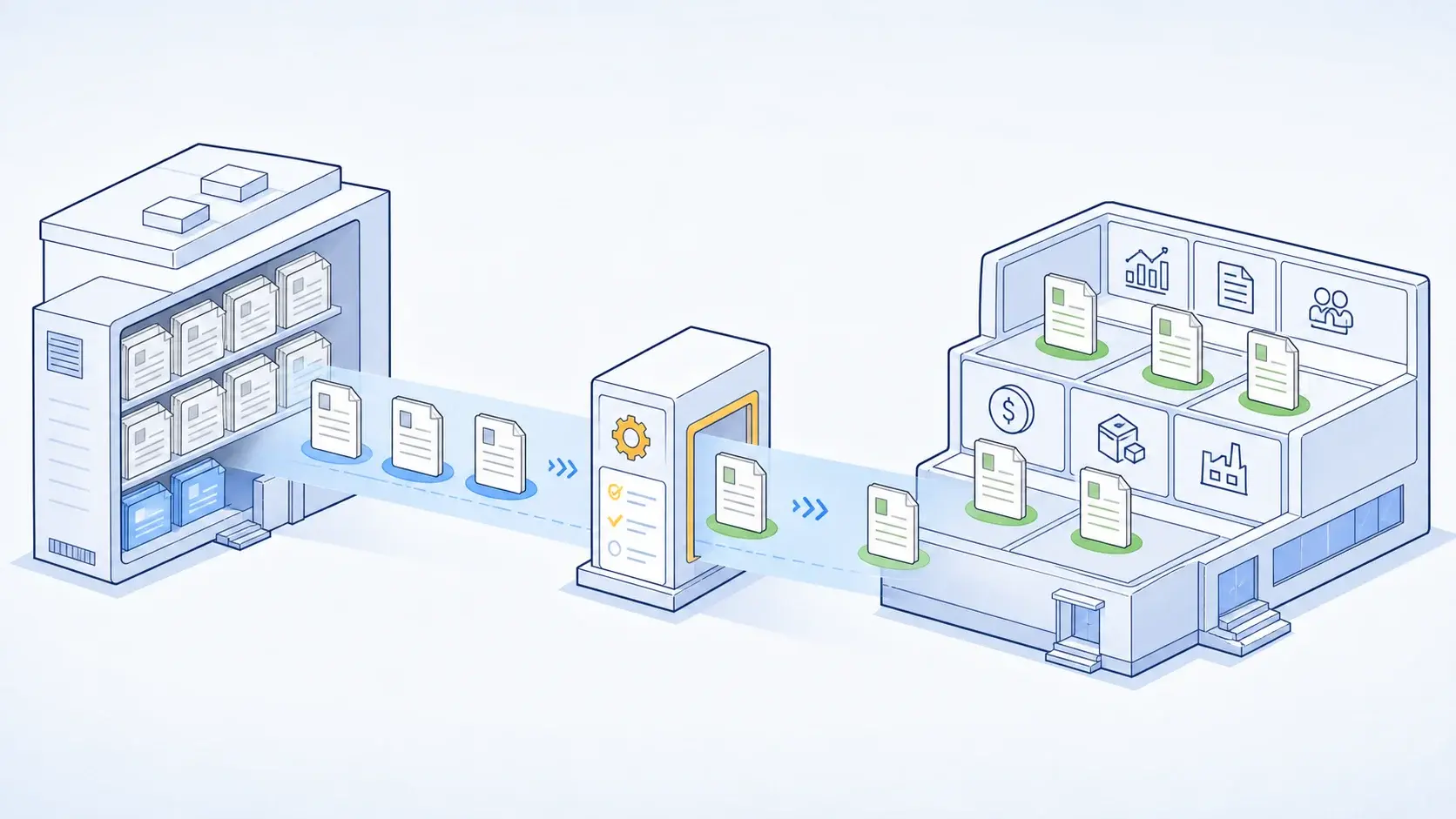
To understand how SAP balance sheet reconciliation automation works in practice, organizations must look beyond individual matching activities and consider the complete reconciliation lifecycle. By combining SAP financial data, AI-driven validation, automated workflows, and digital certification, enterprises can create a controlled process that improves accuracy and reduces manual intervention.
The Automated Balance Sheet Reconciliation Lifecycle
|
Stage |
Process Phase |
Operational Action in SAP Environment |
|
1. Extraction |
GL Balance Extraction |
Real-time general ledger balances and line-item details pulled directly from ACDOCA in SAP S/4HANA Finance. |
|
2. Ingestion |
Supporting Document Ingestion |
Automated gathering of electronic bank statements, vendor feeds, sub-ledger exports, and internal schedules. |
|
3. Validation |
AI Data Validation and Rules |
OCR and SAP Business AI parse unstructured supporting documents, verifying currencies, tax, and master data. |
|
4. Matching |
Auto-Matching and Exception Detection |
Rule-based engines reconcile compliant items automatically; non-matching variances are flagged and isolated. |
|
5. Certification |
Account Certification and Audit Logging |
Verified accounts route through digital approval workflows, attaching substantiation evidence to an unalterable audit trail. |
This automated lifecycle enables finance teams to move from manual account reviews toward an exception-based operating model. Instead of spending time investigating every transaction, accountants can focus on resolving high-value discrepancies while routine reconciliations are processed automatically.
Evolution: Manual Spreadsheets to Continuous Accounting
As reconciliation capabilities mature, organizations progress from spreadsheet-driven processes to intelligent automation and continuous accounting models. This evolution reduces financial close pressure, improves visibility, and creates a more proactive approach to balance sheet governance.
|
Maturity Level |
Operational Characteristics |
Financial Close Impact |
|
Legacy / Manual Close |
Spreadsheet-driven; manual line-item matching; email sign-offs; offline paper archives. |
High risk of error; 10 to 15-day close cycle; heavy audit friction. |
|
Intelligent Reconciliation |
Rule-based auto-matching in SAP; digital workflows; AI-driven exception detection. |
60% reduction in manual effort; 5 to 7-day close cycle; exception-only focus. |
|
Automated Continuous Close |
Real-time continuous transaction matching; auto-certification of zero-balance accounts; AI copilot assistance. |
80%+ automated matching; 1 to 3-day close cycle; Day-1 real-time reporting. |
By adopting continuous reconciliation practices, enterprises can reduce financial close complexity, strengthen balance sheet governance, and establish a scalable SAP finance operating model. Combining automation, AI-driven exception management, and digital audit controls enables finance teams to move from reactive reconciliation cycles to proactive financial management.
Why Manual Reconciliations Slow the Financial Close
Before exploring the technical solution architecture, enterprise leaders must examine the systemic root causes of month-end delays. Relying on legacy, spreadsheet-based balance sheet reconciliations introduces operational inefficiencies, increases administrative effort, and creates significant audit exposure for corporate finance teams.
When accounting teams rely on manual data extraction, disparate sub-ledgers, and offline spreadsheets, every stage of the financial close suffers from friction and delay. The following comparison highlights how SAP automation transforms traditional reconciliation activities into a controlled, scalable, and audit-ready process:
The True Cost of Manual Reconciliation Operations
|
Operational Challenge |
Manual / Legacy Process |
SAP Automated Target State |
|
Data Gathering |
Manual CSV exports from sub-ledgers into Excel spreadsheets. |
Real-time automated data flow via Universal Journal (ACDOCA). |
|
Transaction Matching |
Line-by-line visual matching in spreadsheets by accounting staff. |
Automated rule-based & AI matching handling 80% to 90%+ of line items. |
|
Substantiation Evidence |
PDF attachments emailed across departments or stored in local folders. |
Centralized, secure digital document links attached directly to GL accounts. |
|
Version Control |
Multiple spreadsheet versions (v1_final_v2.xlsx) creating data corruption. |
Single, real-time source of truth inside SAP S/4HANA Finance. |
|
Workflow Approvals |
Manual signature hunting via email chains or physical sign-off binders. |
Automated Fiori/Build workflow routing based on risk and threshold rules. |
|
Audit Preparation |
Weeks spent retrieving historical spreadsheets and paper receipts for auditors. |
Instant, immutable digital audit trails accessible directly by external auditors. |
These operational limitations create broader finance transformation challenges that extend beyond individual reconciliation tasks. As transaction volumes increase and reporting requirements become more complex, manual account substantiation processes become increasingly difficult to control, scale, and audit.
Key Pain Points of Legacy Account Substantiation
- Sub-Ledger to General Ledger Disconnects: In legacy ERP systems (such as SAP ECC), Financial Accounting (FI) and Controlling (CO) reside in separate database tables. Accounting teams spend days performing secondary reconciliation runs between general ledgers and sub-ledgers (AP, AR, Asset Accounting, Inventory).
- High Risk of Spreadsheet Corruption: Offline spreadsheets lack database integrity controls, user authorization frameworks, and automated validation logic. A broken formula or transposed figure in an account reconciliation spreadsheet can corrupt corporate financial disclosures.
- Lack of Real-Time Close Visibility: Financial Controllers and CFOs lack real-time oversight of reconciliation status across global operating units, leading to unexpected period-end delays, unverified suspense items, and constant manual status meetings.
- Audit Fatigue and Statutory Non-Compliance: External auditors require complete historical evidence showing who prepared, reviewed, and approved every balance sheet account reconciliation. Manual evidence gathering consumes significant accounting resources during annual audit cycles and increases compliance risks under frameworks such as the Companies Act 2006 and ICAEW professional standards.
How SAP Automates Balance Sheet Reconciliation
Removing these operational bottlenecks requires transitioning from batch-driven manual matching to a structured, 8-stage digital workflow. Automating the balance sheet reconciliation lifecycle transforms the record-to-report (R2R) process from an exhaustive, period-end manual crunch into a continuous, controlled digital execution.
By connecting financial data extraction, AI validation, automated matching, and digital approvals, organizations can create a repeatable reconciliation process with greater accuracy, control, and audit visibility. Each stage in the automated lifecycle operates with full transparency, linking transactional inputs directly to audited balance sheet outputs:
The 8-Stage Automated Reconciliation Lifecycle
|
Stage |
Process Phase |
Operational Action in SAP Environment |
|
1 |
GL Balance Extraction |
Real-time line-item data pulled directly from S/4HANA ACDOCA table. |
|
2 |
Supporting Document Ingestion |
Ingests electronic bank statements, vendor feeds, and internal sub-ledgers. |
|
3 |
AI Data Validation |
SAP Business AI parses document text, verifies currencies, and validates VAT/Tax IDs. |
|
4 |
Automated Matching |
Rule-based engine reconciles 80%+ of compliant transactions automatically. |
|
5 |
Exception Detection |
System flags non-matching items, pricing variances, or unknown timing differences. |
|
6 |
Workflow Approvals |
SAP Build Process Automation routes exception tasks to mobile SAP Fiori apps. |
|
7 |
Account Certification |
Digital sign-off logged with mandatory substantiation evidence attached. |
|
8 |
Financial Close Execution |
Reconciled account status updates SAP Advanced Financial Closing dashboard. |
By automating each stage of the reconciliation lifecycle, finance teams can shift from manual account investigation to exception-based management. Routine reconciliation activities are processed automatically, while accounting specialists focus on resolving complex discrepancies and maintaining financial governance.
Automate SAP financial close and reconciliation with LeverX experts
Core SAP Technologies Behind Automated Reconciliation
To execute this 8-stage lifecycle at enterprise scale, organizations require more than individual automation tools. A successful reconciliation framework combines SAP financial data, AI capabilities, workflow orchestration, and audit controls into a unified architecture.
Each technology layer addresses a specific challenge within the reconciliation process - from extracting financial data and identifying exceptions to approving accounts and maintaining audit evidence.
The Enterprise Reconciliation Technology Stack
|
Architecture Tier |
Solution Component |
Strategic System Function |
|
Digital Core Layer |
Universal Journal (ACDOCA), real-time GL ledger, and sub-ledger integration. |
|
|
Intelligence Layer |
Machine learning for exception prediction, document intelligence, and anomaly detection. |
|
|
Orchestration Layer |
SAP Advanced Financial Closing |
Global close task scheduling, dependency tracking, and real-time Gantt monitoring. |
|
Workflow Layer |
Low-code approval workflows, automated escalation rules, and Fiori notifications. |
|
|
Substantiation Layer |
SAP Account Reconciliation Capabilities |
Supports automated account certification, reconciliation workflows, exception management, and digital audit evidence tracking. |
|
PaaS Platform Layer |
Clean Core extensibility, third-party API integration, and analytics integration. |
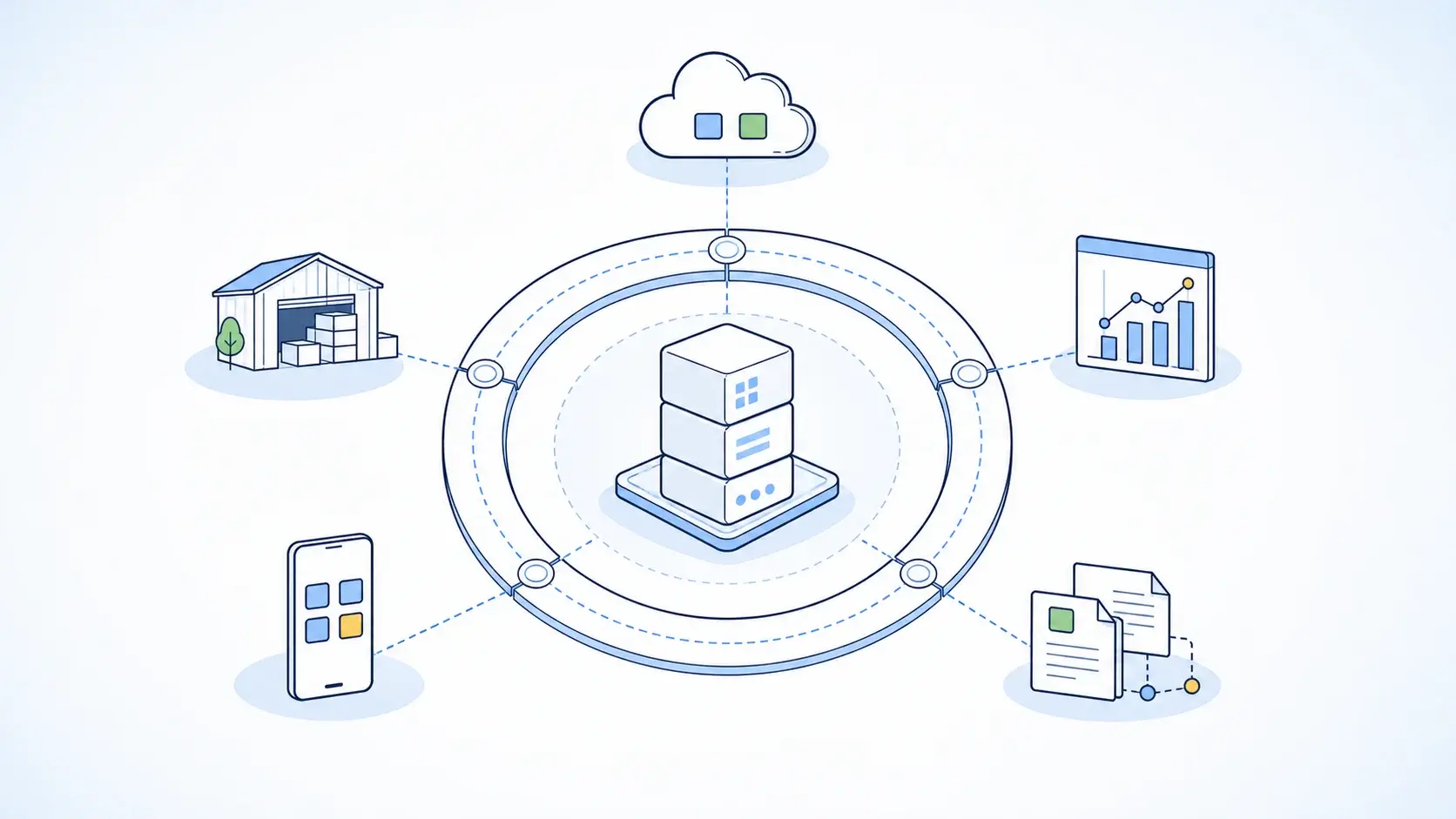
The technology stack creates a connected reconciliation ecosystem where SAP S/4HANA Finance remains the digital financial core, while AI, automation, and cloud extensions provide intelligence, orchestration, and scalability.
The following components demonstrate how each SAP capability contributes to a modern automated reconciliation operating model:
SAP S/4HANA Finance and The Universal Journal (ACDOCA)
The foundational digital core. SAP S/4HANA Finance eliminates traditional sub-ledger reconciliation runs by storing all financial accounting, managerial controlling, asset accounting, material ledger, and market analysis data in a single, unified database table: the Universal Journal (ACDOCA).
- Elimination of FI/CO Reconciliations: Because financial accounting and managerial controlling entries post simultaneously, general ledger and sub-ledger balances are perpetually in sync.
- Real-Time Line-Item Granularity: Accountants can drill down instantly from high-level balance sheet summary lines to underlying operational transaction documents.
SAP Business AI and SAP Joule
SAP embeds artificial intelligence directly into core financial workflows to automate complex data matching and decision-making:
- Document Intelligence and Matching: Machine learning models analyze historical transaction patterns to match open items where reference numbers or dates differ slightly.
- Exception Prediction and Risk Scoring: AI algorithms evaluate balance sheet accounts in real time, assigning risk scores based on transaction volatility, account age, and historical variance patterns.
- SAP Joule Copilot: Financial Controllers can query account balances conversationally (e.g., "Joule, show me all un-reconciled cash clearing accounts in the UK subsidiary with variances over £10,000").
SAP Advanced Financial Closing
SAP S/4HANA Cloud for Advanced Financial Closing serves as the central command center for orchestrating, scheduling, and monitoring all period-end close activities across multi-entity enterprise structures.
- Centralized Task Monitoring: Provides real-time visibility into the status of all closing activities, tracking completion percentages, open dependencies, and SLA breaches.
- Automated Job Execution: Automatically triggers background reconciliation routines in SAP S/4HANA as upstream closing dependencies are met.
SAP Build Process Automation
SAP Build Process Automation combines visual workflow design, business decision rules, and Robotic Process Automation (RPA) on SAP BTP.
- Automated Approval Workflows: Routes high-risk or non-matching balance sheet account reconciliations to designated financial managers based on authorization thresholds.
- Mobile Fiori Task Management: Enables executives to review substantiation documentation, inspect variance explanations, and approve account certifications on mobile devices.
SAP Account Reconciliation Capabilities
SAP provides native financial control and automation capabilities that help organizations streamline account reconciliation, improve substantiation processes, and maintain audit-ready financial governance across enterprise SAP landscapes.
-
Automated Account Certification: Enables digital review and certification workflows for balance sheet accounts, reducing manual sign-offs and improving financial control.
-
Intelligent Transaction Matching: Uses SAP automation and AI-driven capabilities to identify matching transactions, detect exceptions, and reduce manual reconciliation effort.
-
Digital Audit Evidence Management: Centralizes reconciliation documentation, approval records, and supporting evidence to improve audit transparency and compliance readiness.
Enterprise Reconciliation Scenarios
Applying this technology stack across specific accounting domains demonstrates how SAP automation manages complex balance sheet structures, high transaction volumes, and multi-entity financial environments. Rather than treating reconciliation as a periodic manual control activity, enterprises can establish a continuous reconciliation framework where accounts are automatically matched, exceptions are prioritized, and audit evidence is generated throughout the financial cycle.
Automated balance sheet reconciliation delivers measurable improvements across key financial areas, including cash management, intercompany accounting, sub-ledger validation, accrual governance, and asset control:
1. Bank Account Reconciliations
High transaction volumes across multiple international bank accounts, credit card clearing facilities, and payment gateways require continuous reconciliation against general ledger cash accounts. SAP S/4HANA automatically ingests electronic bank statements (CAMT.053, MT940) and matches incoming and outgoing transactions against accounting records.
Automated matching engines reconcile 90%+ of cash items, while SAP Business AI improves matching accuracy by identifying historical patterns and predicting reconciliation criteria for transactions with missing or inconsistent references.
2. Intercompany Account Reconciliations
Cross-border, multi-currency transactions between parent companies, subsidiaries, and shared service centers create significant reconciliation complexity due to timing differences, currency fluctuations, and transfer pricing adjustments.
Continuous intercompany matching in SAP S/4HANA reconciles buyer and seller transactions at line-item level, identifies mismatches early, and reduces manual investigation during period-end close. SAP Group Reporting supports automated intercompany eliminations during consolidation processes.
3. Accounts Payable and Accounts Receivable Sub-Ledgers
Ensuring vendor payables (AP) and customer receivables (AR) sub-ledgers align with General Ledger control accounts has traditionally required extensive manual validation.
With SAP S/4HANA Universal Journal (ACDOCA), financial postings maintain native alignment between operational sub-ledgers and financial accounting records. SAP reconciliation capabilities enhance financial control by validating open items, identifying exceptions, and maintaining digital reconciliation evidence across enterprise finance processes.
4. Accrual and Deferral Accounts
Managing unbilled expenses, prepaid costs, and deferred revenue requires accurate calculation, supporting documentation, and timely review during each financial close cycle.
SAP S/4HANA Accrual Engine automates recurring accrual calculations, while SAP Build Process Automation routes supporting schedules through predefined approval workflows, ensuring consistent governance and faster period-end certification.
5. Inventory and Fixed Asset Accounts
Reconciling inventory valuations from SAP Extended Warehouse Management (EWM), Material Ledger, and operational systems against GL balances can become increasingly complex across large enterprise environments.
Real-time integration between SAP EWM, Asset Accounting, Material Ledger, and ACDOCA maintains continuous financial alignment. Automated reconciliation workflows identify stock valuation differences, asset discrepancies, and unusual movements for targeted review.
Business Benefits and KPI Impact
Deploying automated reconciliation scenarios across critical financial domains creates measurable improvements in financial control, reporting speed, and operational efficiency. By replacing spreadsheet-driven account reviews with SAP-powered automation, enterprises can reduce manual effort, improve data accuracy, and establish a continuous close operating model.
The impact extends beyond faster reconciliation. Automated workflows improve audit readiness, reduce financial risk, and allow finance teams to shift from transactional data preparation toward higher-value analysis and business decision support.
KPI Impact Comparison: Manual vs. SAP Automated Close
|
Performance Metric |
Manual Spreadsheet Model |
SAP Automated Target State |
Business Impact |
|
Financial Close Cycle Time |
10 to 15 business days |
1 to 3 business days |
Up to 80% acceleration in period-end close. |
|
Automated Account Matching Rate |
0% (Manual keying) |
80% to 95%+ straight-through |
Eliminates thousands of hours of manual matching. |
|
Manual Journal Entries |
High volume of corrective entries |
60% to 80% reduction |
Prevents manual posting errors and audit flags. |
|
External Audit Duration |
Weeks spent retrieving files |
Days (Self-service audit portal) |
Reduces external audit fees by 25% to 35%. |
|
Un-reconciled Variance Exposure |
High risk of hidden write-offs |
Near 0% (Real-time tracking) |
Protects balance sheet integrity and prevents fraud. |
|
Accounting Team Productivity |
40%+ time spent on manual data keying |
Reallocated to strategic analysis |
Improves employee retention and operational agility. |
By combining SAP S/4HANA Finance, AI-driven matching, workflow automation, and continuous monitoring, organizations can significantly accelerate financial close performance while strengthening governance and control. The result is a scalable reconciliation framework designed for complex enterprise environments, multi-entity reporting, and evolving regulatory requirements.
Clean Core Architecture for Finance Automation
Achieving these KPI improvements must not come at the expense of system stability or cloud upgrade mobility. Deploying financial close automation without creating long-term technical debt requires adhering to a Clean Core strategy. Hardcoding custom reconciliation rules or modifying standard ABAP logic inside the core ERP creates brittle systems that break during routine cloud software upgrades.
Instead, custom matching rules, third-party connectors, and workflow extensions sit externally on SAP Business Technology Platform (SAP BTP), interacting with SAP S/4HANA Finance via standard OData APIs:
Clean Core Automation Topology
|
Architecture Tier |
System Component |
Primary Technical Responsibility |
|
Front Office and Collaboration |
SAP Fiori, Mobile Apps, Email |
Surfaces approval tasks, exception alerts, and executive close dashboards. |
|
Reconciliation and Audit Vault |
SAP S/4HANA Finance and SAP BTP Automation Services |
Automated reconciliation workflows, account certification, exception tracking, and digital audit evidence management. |
|
PaaS Extension Layer |
SAP BTP |
Hosts SAP Build workflows, custom validation adapters, and SAP AI Core. |
|
Integration Layer |
SAP Integration Suite / BTP Event Mesh |
Connects external bank feeds, non-SAP ERPs, and APIs securely. |
|
Digital ERP Core |
SAP S/4HANA Finance |
Universal Journal (ACDOCA) single source of truth without core modification. |
By separating automation intelligence from the ERP core, enterprises achieve a scalable finance architecture that supports continuous reconciliation, faster innovation cycles, and a future-ready SAP landscape.
Common Implementation Challenges and Mitigation Strategies
Even within a decoupled Clean Core architecture, enterprise financial close automation projects encounter specific organizational, technical, and operational friction points. Applying proven mitigation strategies ensures project success:
- Poor Master Data Quality and Inconsistent Account Structures: Inconsistent charts of accounts across global entities prevent automated matching rules from executing cleanly. Mitigation: Harmonize the global Chart of Accounts (COA) and standardize Business Partner master data using SAP Master Data Governance (MDG) prior to close configuration.
- Heavy Spreadsheet Dependency and Cultural Resistance: Accounting personnel accustomed to legacy Excel templates may resist adopting automated Fiori workflows. Mitigation: Implement structured change management programs, deliver intuitive Fiori training, and demonstrate how automation eliminates repetitive overtime work during period-end.
- Fragmented Multi-ERP Landscapes: Operating multiple disparate legacy ERP systems (SAP ECC, non-SAP ERPs) creates data silos during group reconciliation. Mitigation: Deploy SAP Central Finance to replicate financial transactions from legacy systems into a single S/4HANA Universal Journal in real time.
Best Practices for SAP Reconciliation Automation
Anticipating these implementation challenges allows leadership to establish clear operational guidelines from day one. To maximize return on investment and build a scalable financial close architecture, enterprise finance teams should follow these implementation best practices:
- Target High-Volume, High-Effort Accounts First: Focus initial automation efforts on balance sheet accounts with high transaction volumes and high manual labor requirements - such as bank accounts, intercompany balances, AP/AR clearing, and accruals.
- Enforce a Strict "Clean Core" Extensibility Strategy: Build custom matching logic, external integrations, and approval workflows on SAP BTP rather than modifying the core ERP.
- Establish Standardized Account Reconciliation Policies: Standardize account substantiation rules, mandatory documentation requirements, and approval authorization levels across all global subsidiaries prior to technical configuration.
- Leverage AI for Exception-Based Management: Configure automated confidence scoring so that compliant, high-confidence accounts clear automatically, allowing accounting staff to focus exclusively on resolving high-risk variances.
LeverX Advice: Start with balance sheet accounts that require the highest reconciliation effort - such as bank accounts, intercompany balances, and accruals.
These high-volume, high-frequency processes typically deliver the fastest operational ROI, reduce manual close friction immediately, and establish a proven, scalable foundation for automating the broader financial close cycle across your enterprise.
Future Trends: The Autonomous Financial Close
Adopting these best practices establishes a solid foundation for next-generation accounting capabilities. The landscape of financial close automation is advancing rapidly beyond rule-based matching toward autonomous finance operations:
- Predictive Close Management: Machine learning models analyze live operational transactions to predict potential month-end reconciliation bottlenecks days before the period closes, recommending corrective actions automatically.
- Generative AI Copilots (SAP Joule): Financial Controllers can interact with accounting ledgers conversationally, instructing AI copilots to analyze complex multi-currency variances, draft audit notes, and generate executive P&L summaries.
- Agentic AI and Autonomous Dispute Resolution: Autonomous AI agents will independently investigate intercompany variances - communicating directly with vendor bots, requesting corrected credit notes, and executing clearing entries automatically.
- Continuous Real-Time Close: As automated transaction matching operates continuously 24/7, the concept of a multi-day "month-end close sprint" will vanish, enabling real-time, daily balance sheet certification.
Why Choose LeverX for SAP Finance Transformation
Navigating this transition toward autonomous accounting requires an experienced architectural partner that combines deep financial process expertise with technical mastery across the SAP ecosystem.
As an official SAP Gold Partner and Global System Integrator with over 20 years of technical engineering excellence, LeverX helps mid-market and global enterprises automate financial operations, optimize R2R processes, and achieve rapid close cycles.
Key Capabilities of LeverX Delivery
|
LeverX Competency Pillar |
Technical Scope & Enterprise Value |
|
SAP Gold Partner Status |
20+ years of SAP engineering excellence delivering enterprise-scale finance transformation programs across global SAP landscapes. |
|
Fortune 500 Enterprise Experience |
Proven track record supporting complex SAP finance transformations for Fortune 500 organizations with multi-entity, multi-country, and high-volume financial operations. |
|
S/4HANA Center of Excellence |
Advanced expertise across SAP S/4HANA Finance, Universal Journal (ACDOCA), Group Reporting, Advanced Financial Closing, and finance process automation. |
|
UK Regulatory and Compliance Expertise |
Alignment with HMRC MTD, Companies House reporting, UK GDPR, FRS 102, and IFRS financial governance requirements. |
|
SAP BTP and Business AI Expertise |
Building intelligent automation solutions using SAP BTP, SAP Business AI, SAP Build Process Automation, and cloud-native extensions. |
|
Clean Core Architecture |
Engineering scalable side-by-side SAP BTP extensions while keeping SAP S/4HANA core systems upgrade-ready. |
|
Managed Application Services (AMS) |
24/7 monitoring, automation optimisation, workflow tuning, and continuous SAP landscape support. |
The LeverX Service Offering:
- Finance Architecture and Close Assessment: We evaluate your existing close schedules, account reconciliation bottlenecks, and system architecture to design a high-ROI automation blueprint.
- End-to-End Solution Implementation: Certified SAP Finance consultants deploy and configure SAP S/4HANA Finance, SAP Advanced Financial Closing, SAP Business AI, SAP Build Process Automation, and SAP Analytics Cloud to automate reconciliation workflows and accelerate financial close.
- Central Finance and Multi-ERP Integration: We build real-time financial replication pipelines connecting legacy SAP ECC and third-party ERP systems to a centralized S/4HANA closing core.
- Clean Core and BTP Extension Engineering: We engineer custom financial extensions, approval workflows, and system connectors on SAP Business Technology Platform (SAP BTP), keeping your ERP core clean and upgrade-ready.
- Ongoing Managed Services and AI Optimization (AMS): Post-go-live, our dedicated support teams fine-tune matching rules, optimize background job schedules, and provide 24/7 technical assistance.
Frequently Asked Questions
What is SAP balance sheet reconciliation automation?
SAP balance sheet reconciliation automation is the technology-driven process of using digital workflows, machine learning (SAP Business AI), and SAP finance capabilities (SAP S/4HANA Finance, SAP BTP, and SAP automation services) to continuously match, validate, substantiate, and certify general ledger accounts without manual spreadsheet processing.
How does SAP automate account reconciliations?
SAP automates reconciliations by pulling real-time GL balances directly from the Universal Journal (ACDOCA), ingesting electronic supporting documents (bank feeds, sub-ledger reports), applying rule-based auto-matching algorithms, and routing non-matching exceptions to managers via automated SAP Fiori workflows.
How does SAP Business AI improve the financial close?
SAP Business AI improves the financial close by analyzing historical transaction patterns to predict matching criteria for open items, identifying unusual GL posting anomalies, scoring account risk levels, and providing conversational AI assistance via SAP Joule.
What is the difference between balance sheet reconciliation and the financial close?
Balance sheet reconciliation is a specific accounting control process that verifies the accuracy of general ledger asset, liability, and equity accounts against supporting evidence. The financial close is the broader, multi-step business cycle that includes reconciliations, journal entries, valuations, consolidation, and financial statement publishing.
How long does an SAP reconciliation automation project take?
Implementation timelines typically range from 12 to 24 weeks, depending on system complexity, the number of legal entities, master data quality, integration requirements, and whether the scope includes SAP S/4HANA Finance configuration, SAP BTP extensions, and workflow automation.
Disclaimer: This article provides general information only. SAP capabilities and implementation approaches may vary by business requirements, system landscape, and regulatory context. Organizations should evaluate their specific needs with qualified SAP specialists.