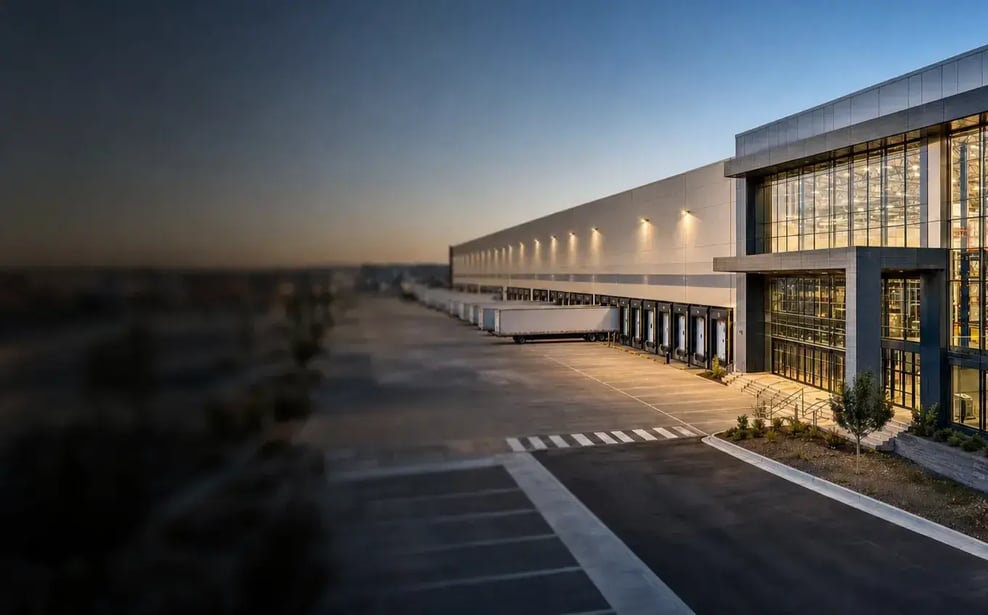




AI-Assisted SAP EWM Implementation for Autonomous Warehousing by LeverX
SAP EWM implementation by LeverX brings next-level automation to your logistics. We embed AI directly into your warehouse workflows to drive autonomous decision-making, optimize labor, and maximize throughput.
LeverX is an SAP Gold Partner with 20+ years of experience delivering supply chain solutions for Fortune 500 companies. We support organisations in designing and implementing SAP EWM landscapes that improve warehouse performance, operational visibility, and overall supply chain efficiency.
We use proven frameworks and accelerators to enable faster SAP EWM deployment with reduced risk and higher consistency. Our compliance expertise ensures alignment with regional and global standards, supported by US-based teams providing hands-on delivery and on-site collaboration nationwide.
- Pre-built SAP EWM frameworks and accelerators
- Faster warehouse deployment and efficiency gains
- Strong compliance with regional and global standards
- US-based delivery with on-site collaboration capability
- Nationwide presence across key hubs (FL, MI, IL, TX, CA)
What is SAP EWM?
SAP Extended Warehouse Management (SAP EWM) is a high-performance solution designed to solve complex inventory challenges and orchestrate end-to-end warehouse operations. Deployed standalone or embedded within SAP S/4HANA, SAP EWM streamlines global goods movement, slashes operational costs, and supports high-volume, multi-channel distribution.
LeverX delivers advanced SAP EWM implementation services to drive warehouse autonomy, providing automated slotting, predictive labor management, and real-time execution monitoring.
With SAP EWM, You Can
- Optimize Inventory Accuracy: Coordinate complex inbound, outbound, and internal stock movements within a single, unified digital core.
- Reduce Total Operational Spend: Cut costs through intelligent space utilization, automated cross-docking, and streamlined putaway workflows.
- Synchronize Warehouse & Yard: Eliminate costly dock delays and trailer bottlenecks using Advanced Shipping and Receiving (ASR).
- Solve Labor Shortages: Maximize workforce productivity and lower overhead by automating task interleaving and resource scheduling.
- Enhance Supply Chain Resilience: Respond to disruptions instantly with automated predictive analytics and real-time stock monitoring.
- Gain Material Transparency: Analyze fulfillment costs, shelf-life data, and tracking metrics at the individual product or batch level.
- Ensure Full US Compliance: Maintain rigorous adherence to OSHA standards, FDA regulations (where applicable), and US labor laws.
Centralized overview of inbound and outbound freight processes, integrating transportation and warehouse activities. Allow to monitor multiple freight orders and loading and unloading points in your warehouse.
A dashboard with inbound delivery data to ensure accurate and timely goods receipt. Allow to adjust delivery data, pack items and create warehouse tasks.
Load_Unload: Load or Unload Freight Orders
Execute and confirm loading and unloading operations for freight orders directly at the dock.
Manage Stock: Manage Physical Stock
Real-time view and adjustment of physical across storage bins and handling units listed by product.
Pack Stock: Pack Warehouse Stock
Efficiently pack warehouse stock from one handling unit (HU) or storage bin into another HU.
Pick_by_cart: Pick by Cart
Optimized picking process using carts for efficient multi-order fulfillment in the warehouse. Allows to pick multiple orders in a single trip
Run_Outb: Run Outbound Process
End-to-end management of outbound deliveries from picking to goods issue.The dashboard with information about outbound deliveries that are planned for one day or several days. Allows to create warehouse tasks, post goods issues or set exceptions.
Warehouse KPIs: Warehouse KPIs
Monitor key warehouse performance indicators in real-time for better operational insight.
Warehouse Mon: Warehouse Monitor
The central tool to manage warehouse processes, documents and alerts. Enable comprehensive monitoring and control of warehouse tasks, resources, and stock movements.
Launchpad: Fiori Launchpad Overview
Personalized and role-based entry point to SAP applications using Spaces, Pages, Cards, and Tiles — improving navigation, boosting user productivity, and enhancing the user experience with intuitive layouts and quick access to key tasks.
Why Choose SAP EWM?
Explore how SAP Extended Warehouse Management, powered by Agentic AI and predictive analytics, transforms legacy fulfillment into a self-optimizing, fully autonomous supply chain asset.
Fast-track your SAP EWM implementation with native WCS/WES integration. Seamlessly orchestrate fleets of autonomous mobile robots and automated guided vehicles directly from your digital core.
Prepare your operations for full automation. SAP EWM seamlessly orchestrates lightless, workerless zones and autonomous night shifts, synchronization-testing robotics and automated storage systems (ASRS) to enable continuous 24/7 fulfillment.
Eliminate manual warehouse re-zoning. AI continuously analyzes incoming order streams and shifting US consumer demand to dynamically re-allocate high-velocity inventory on the fly, shaving miles off picking paths and maximizing daily throughput.
Break down legacy operational silos. Your SAP EWM implementation serves as a single, AI-orchestrated command center, seamlessly unifying warehouse management, transport logistics, yard operations, and AMR fleets into one synchronized, frictionless execution layer.
SAP EWM Implementation Challenges We Help Solve
Limited visibility into performance weakens continuous improvement efforts.
End-to-End SAP EWM Services
Warehouse assessment and business value analysis
SAP EWM consulting and solution design

SAP EWM implementation

Migration from SAP WM and legacy warehouse systems

SAP EWM integration and warehouse automation

AI-Assisted SAP EWM Optimisation and Ongoing Support
Start with a Warehouse Assessment to eliminate architecture and migration risks
Advanced SAP EWM Capabilities
Advanced Inventory (Digital Core)
A high-performance system providing a 360-degree inventory view by integrating all warehouse movements into a single, real-time data stream.
- Unified Bin Management: Total visibility across all locations, from bulk zones to high-rack storage.
- Real-Time Stock Control: Zero data lag; every movement instantly updates inventory levels.
- Granular Visibility: Trace any item by serial number, batch, or owner within seconds.

Inbound and Outbound Optimization
Streamline the entire goods lifecycle, from initial dock receipt to final shipping dispatch.
- Real-Time AI Slotting: AI analyzes order patterns to dynamically re-allocate high-velocity stock, shortening picking paths.
- Opportunistic Cross-Docking: Reduce handling costs by automatically routing incoming freight directly to outbound staging lanes, bypassing storage entirely.
- Advanced Quality Inspection: Embedded QIE triggers autonomous, compliant quality checks across inbound, internal, and outbound workflows.

Internal Flows and Replenishment
Automate internal logic to eliminate stockouts and guarantee continuous product availability.
- Self-Learning Replenishment: System triggers stock moves from reserve to forward-picking zones based on predictive demand.
- Predictive Cycle Counting: Replace annual facility shutdowns with automated, ongoing inventory audits.
- Value-Added Services (VAS): Manage kitting, labeling, and compliance packaging natively within your core fulfillment workflow.

Material Flow System (MFS)
Connect your warehouse software directly to hardware programmable logic controllers (PLCs) for ultra-low latency automation.
- Direct PLC Communication: Instant task exchange with conveyors and cranes without third-party middleware.
- Dynamic Routing: Automated calculation of the absolute shortest path for pallets and parcels across sorting lines.
- Smart Error Handling: Real-time flow redirection to bypass hardware downtime, conveyor jams, or physical bottlenecks.

Robotics & AGV Integration
Orchestrate autonomous fleets and robotic arms as a natural, scalable extension of your digital warehouse workforce.
- Fleet Orchestration: Synchronized coordination of AGV/AMR fleets for automated replenishment and goods-to-person picking.
- Joule AI Logistics: Advanced AI agents predict and prevent congestion in high-density automated zones.
- Clean Core BTP Integration: Leverage SAP Business Technology Platform for standard-driven onboarding of robotic hardware without core customizations.

AS/RS Management
Leverage automated storage and retrieval systems to maximize cubic space utilization and precision picking.
- High-Bay Warehouse Control: Maximize storage density through automated, precision-guided cranes and shuttles.
- Multi-Deep Storage: Support for deep-lane space strategies with autonomous pallet reshuffling.
- Fast/Slow Mover Logic: Automatically reposition high-velocity inventory closer to outbound dispatch zones.
Engineered Labor Standards (ELS)
Implement clear, objective performance metrics to optimize workforce output and baseline total labor costs.
- Performance Benchmarking: Compare real-time shift execution speeds against defined US industry standards.
- Travel Distance Reduction: Factor in real travel times across the warehouse floor when calculating labor KPI scores.
- Fair Incentives: Drive employee retention with transparent incentive structures built on precise, automated performance data.

Resource Orchestration
Dynamically assign warehouse tasks based on real-time employee location, certification, and equipment availability to kill idle time.
- Autonomous Interleaving: Combine inbound and outbound tasks (e.g., unload, then putaway) to eliminate empty runs.
- Wearable & Smart Device Integration: Connect EWM directly to RF guns, voice-picking headsets, and smart glasses to streamline hands-free execution.
- Real-Time Resource Tracking: Live visual oversight of workforce allocation to eliminate operational underutilization.

Labor Planning and Demand
Predict future staffing requirements by aligning your labor schedules with incoming order volumes and US seasonal peaks.
- Shift Optimization: Maximize productivity and lower overhead by forecasting workforce demand per shift.
- Bottleneck Analysis: Pinpoint specific zones where regional labor shortages threaten daily fulfillment throughput.
- Indirect Task Tracking: Account for hours spent on necessary non-warehouse activities like cleaning, meetings, and OSHA training.
Yard Management
Extend warehouse visibility past the dock doors to ensure trailers are spotted, staged, and unloaded exactly when needed.
- Automated Gate Control: Check-in, check-out, and track vehicle arrivals and departures via geofencing.
- Door & Dock Scheduling: Optimize spotter movements and dock door allocation based on order priority and carrier type.
- Trailer Tracking: Total real-time visibility of all assets currently on-site, in staging lanes, or at the dock.

Advanced Shipping and Receiving (ASR)
Enable the latest S/4HANA architecture for seamless, frictionless data synchronization between warehouse operations and transport freight.
- Unified Freight Processing: Eliminate legacy Transportation Units (TUs) by processing Freight Orders directly within the warehouse core.
- Load Optimization: Plan complex loading sequences based on delivery routes, axle weights, and vehicle volume constraints.
- Real-Time Status Sync: Instant data synchronization between indoor picking teams and outdoor logistics carriers.

Dock Appointment Scheduling
Empower carriers with self-service booking to streamline arrivals, prevent yard congestion, and eliminate costly detention fees.
- Collaborative Carrier Portal: Drivers self-book arrival slots, dramatically reducing terminal wait times.
- Capacity Constraint Matching: Automatically align carrier appointment requests with the warehouse’s physical handling limits.
- Automated Driver Alerts: Direct mobile notifications to incoming drivers regarding gate readiness and dock assignments.

Next-Gen Warehouse Capabilities with SAP EWM
Inbound and outbound processes
Make your shipping and transportation more efficient with SAP EWM. Streamline the process end-to-end, from receipt through quality check to delivery, by taking advantage of intelligent storage optimization recommendations and optimal route calculations (the latter is achieved through SAP TM integration).

Inventory management
Ensure constant inventory transparency for efficient ongoing control with real-time inventory monitoring. Track each crucial aspect of your inventory management, including transfers, stock adjustments, scheduled inventory checks, and counting, to ensure process accuracy.

Warehouse task management
Enhance your warehouse management by executing smart control over warehouse procedures. By grouping customer orders into ‘waves’ by specific criteria, SAP EWM bundles individual tasks into smooth workflows and assigns them to the right workers based on their skills and current location. In this way, you can balance workloads more efficiently.

Labor management
Streamline labor management with smart performance monitoring and reporting tools. For each order, the system calculates an expected time for completion given such factors as travel distance, package weight, and the specific activity performed. By continuously comparing the estimated time with the actual result, the system provides accurate performance reports.
Order processing
Automate cross-docking procedures with SAP EWM’s intelligent detection when there’s an urgent outbound need for the goods received. Create tasks to move them to dispatch, bypassing storage, putaway, and picking steps.
Cross-docking and value-added services
Accelerate fulfillment by automatically directing goods to the appropriate site during outbound; SAP EWM provides instructions for workers to perform tasks like kitting, labeling, assembly, or special packaging quickly and efficiently.
Yard management
Coordinate truck movements, schedule dock appointments, and track goods in real-time. SAP EWM integrates yard logistics for seamless operations.
Integration and connectivity
Connect with ERP, SAP S/4HANA, and automation tools like RFID and conveyors. SAP EWM ensures a fully integrated, connected warehouse.
Analytics and reporting
Track KPIs and operational data with SAP EWM’s analytics tools. Identify opportunities for improvement and continuously optimize performance.
AI-Assisted Optimization for Warehouse Operations
AI can complement an SAP EWM implementation, but the use cases should be selected based on operational value, data availability, and technical feasibility.
LeverX can evaluate opportunities in four areas.
AI-assisted process analysis
Analyze available process data and warehouse KPIs to help identify bottlenecks, recurring exceptions, and potential improvement opportunities.
Data preparation and quality checks
Use appropriate automation and AI-assisted tools to support data profiling, cleansing activities, mapping reviews, and the investigation of data inconsistencies.
Operational insights and predictive analytics
Combine warehouse execution data and analytics to help teams understand inventory patterns, resource utilization, throughput trends, and potential operational issues.
Inventory and slotting optimization
Evaluate inventory movement, order patterns, and product characteristics to identify opportunities to improve slotting strategies, replenishment planning, and picking routes.
Labor and resource optimization
Analyze warehouse workloads, task completion, and throughput patterns to help managers identify resource constraints and improve workforce allocation and task planning.
Integration with robotics and warehouse automation
Assess how SAP EWM can exchange information with supported robotics, warehouse control systems, conveyors, and automated storage and retrieval systems to support coordinated warehouse execution.
Choose the Right SAP EWM Deployment Model
Decentralized or standalone SAP EWM
Embedded SAP EWM
-
SAP EWM runs separately from the ERP system, with integration between the warehouse and the connected enterprise applications. The architecture may provide greater separation of warehouse operations, depending on the technical design and operating model.
Evaluate this option when:
- Warehouse requirements justify a separate application environment.
- The warehouse landscape has complex automation or high transaction volumes.
- You need to define separate system maintenance and operational responsibilities.
- Integration and resilience requirements support a decentralized design.
-
SAP EWM is embedded within SAP S/4HANA. This can suit organizations that want close alignment between ERP and warehouse processes within a common system environment.
Evaluate this option when:
- ERP and warehouse processes have closely related operational requirements.
- A simpler system landscape is a priority.
- Your warehouse functionality fits the capabilities of the selected embedded deployment.
Decentralized or standalone SAP EWM
-
SAP EWM runs separately from the ERP system, with integration between the warehouse and the connected enterprise applications. The architecture may provide greater separation of warehouse operations, depending on the technical design and operating model.
Evaluate this option when:
- Warehouse requirements justify a separate application environment.
- The warehouse landscape has complex automation or high transaction volumes.
- You need to define separate system maintenance and operational responsibilities.
- Integration and resilience requirements support a decentralized design.
Embedded SAP EWM
-
SAP EWM is embedded within SAP S/4HANA. This can suit organizations that want close alignment between ERP and warehouse processes within a common system environment.
Evaluate this option when:
- ERP and warehouse processes have closely related operational requirements.
- A simpler system landscape is a priority.
- Your warehouse functionality fits the capabilities of the selected embedded deployment.
Not Sure Where to Start?
Start with Our Bespoke SAP Consulting
SAP EWM Use Cases by Industry
Automotive & Industrial Manufacturing
High-Volume Retail & E-Commerce Fulfillment
Life Sciences & Cold Chain Compliance
Consumer Goods & Wholesale Distribution
3PL & Multi-Tenant Logistics
High-Velocity Freight & Transit Hubs
Types of Warehouses and Industries SAP EWM Serves
PRODUCTION WAREHOUSE
- Manufacturing
- Automotive
- Electronics
- Consumer goods
- Pharmaceuticals
- Life sciences

DISTRIBUTION CENTER
- Retail
- E-commerce
- Consumer goods
- FMCG
- Wholesale
- Logistics
- 3PL

SERVICE PARTS WAREHOUSE
- Automotive
- Aerospace
- Industrial equipment
- Healthcare
- Electronics
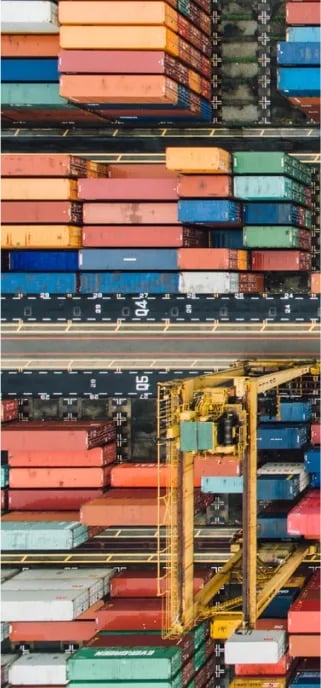
High-Velocity Transit Hubs
- Transportation and logistics
- Retail
- E-commerce
- FMCG
- High-Tech
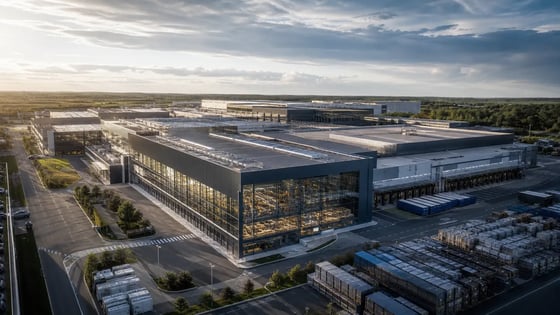
SAP EWM Integration Ecosystem
Advanced Enterprise Connectivity
- The S/4HANA Digital Core: Eliminate the gap between sales and fulfillment. When an order is placed, EWM instantly triggers picking workflows with zero data lag.
- Unified Warehouse & Transport (ASR): Connect SAP EWM and TM directly. Eliminate manual handovers, automate gate check-ins, and match inventory to active carrier routes in real time.
- Plug-and-Play Automation Layer: Link EWM directly to your AS/RS, conveyors, and AMR fleets via SAP BTP. Drive end-to-end automation without messy custom code or expensive middleware.
- Open Ecosystem Ready: Connect legacy software, regional 3PL partners, and external marketplaces into a single, cloud-orchestrated control tower.
The LeverX Advantage: We enforce a strict Clean Core integration model. Your system stays fast, flexible, and ready for seamless future SAP upgrades without breaking your custom automation.
Featured SAP EWM Success Stories
Global SAP EWM template implementation for an industrial manufacturer

SAP EWM implementation for a pharmaceutical company

SAP EWM implementation for a leading retailer
Driving SAP EWM adoption for a logistics provider
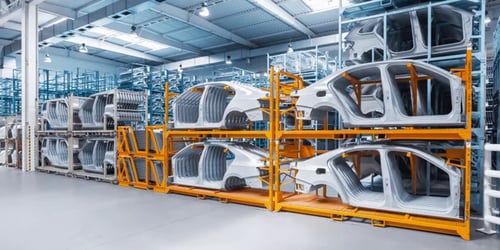
Customers' Success Stories
How We Enabled a Leading Automaker to Achieve Streamlined Manufacturing Logistics with SAP EWM Implementation
Explore how LeverX collaborated with a prominent developer and manufacturer of vehicles to implement SAP EWM, revolutionizing their manufacturing logistics. Witness how our tailored solution transformed their operations, driving efficiency, reducing costs, and propelling their business toward success.

SAP EWM Greenfield Implementation for a Pharmaceutical company
The SAP EWM project implementation helped the client reach their business goals, including full traceability of raw materials and supplies, 100% compliance with GMP and FDA pharmaceutical standards, etc.

SAP S/4HANA Implementation for a Car Manufacturer
The client's company is a shining example of innovation and excellence in the automotive industry, facilitated by a state-of-the-art SAP S/4HANA system integrated by LeverX.
Why Choose LeverX for SAP EWM Implementation?
20+ Years of Proven Expertise
Deep EWM Process Engineering
End-to-End Strategic Partnership
Rigorous US Compliance and Security
Next-Gen Automation (AI & BTP)
Hyper-Care and Support
SAP EWM Implementation Roadmap
Warehouse Assessment (Preliminary Offer)
- Operational Audit: We analyze your physical layouts, material flows, and current process bottlenecks to identify efficiency gaps.
- Architecture Validation: We evaluate peak transaction volumes and automation complexity to deliver a clear recommendation: Embedded vs. Standalone SAP EWM.
Step 0
Discover
- Capability Mapping: Align your operational needs with Advanced EWM features, including Labor Management, Yard Management, or Material Flow Systems (MFS).
- Value Scoping: Define the target system architecture, hardware touchpoints, and expected deployment ROI.
Step 1
Prepare
- Environment Provisioning: Initialize the SAP EWM sandbox environment and load standard pre-configured warehouse templates.
- Baseline Configuration: Define core warehouse organizational structures (Storage Types, Sections, Bins) and master data standards.
Step 2
Explore
- Fit-to-Standard Workshops: Match your physical warehouse processes against standard SAP EWM inbound, internal, and outbound workflows.
- Layout & Strategy Blueprinting: Map your physical floor into the system, detailing dynamic slotting, putaway, and picking strategies.
Step 3
Realize
- Sprint-Based Configuration: Build wave management rules, packing profiles, RF-device scanning dialogues, and AMR/automation integrations.
- Data Migration Cycles: Execute mock data loads of active inventory balances, bin locations, and warehouse product master records.
Step 4
Deploy
- Warehouse Stress Testing: Conduct end-to-end integration testing, simulating high-volume picking waves and hardware/conveyor load limits.
- Cutover & Go-Live: Execute the physical wall-to-wall inventory count, migrate open transfer orders, and go live with on-site floor support.
Step 5
Run
- Throughput Optimization: Fine-tune AI-driven slotting, resource allocation, and warehouse analytics based on live operational data.
- Continuous Support: Provide 24/7 managed services to ensure continuous, uninterrupted warehouse operations.
Step 6
Frequently Asked Questions
What is SAP EWM?
Embedded vs. Standalone SAP EWM: Which one do we need?
- Embedded EWM runs inside your main S/4HANA ERP system. It is cost-effective, requires less infrastructure, and is perfect for standard manufacturing or distribution warehouses.
- Standalone EWM runs on a separate server. It is required for massive, 24/7 highly automated logistics hubs. If your main ERP goes down for maintenance, a Standalone EWM keeps your warehouse moving without stopping shipments.
Can we migrate our custom legacy SAP WM code to EWM?
How does EWM connect to our warehouse robots and conveyors?
Can LeverX handle regional regulations outside the US?
How do you prevent warehouse downtime during the launch?
We test everything in advance using multiple mock data migrations and peak-volume stress simulations. When we flip the switch to go live, our engineering team is physically present on your warehouse floor 24/7 (Hyper-Care) to resolve any issues instantly and keep your trucks moving.
Can LeverX take over a project from another implementation partner?
Yes. If your current implementation has stalled, exceeded budget, or failed to meet technical expectations, we can step in at any stage. Our team will rapidly conduct a code and architecture audit, stabilize the project, and get your SAP EWM deployment back on track for a successful go-live.
Do you have a local presence in the US for face-to-face meetings?
Absolutely. While our delivery network is global, we maintain a strong local presence across the United States. Our regional leaders and architects are ready to meet on-site at your offices or facilities in major logistics and corporate hubs - including Miami (FL), Troy (MI), Chicago (IL), Dallas (TX), and Mountain View (CA), among others - ensuring nationwide coverage whenever you need face-to-face alignment.
Contact Us
What happens next?
-
1
An expert will reach out to you to discuss your specific requirements and objectives.
-
2
We’ll sign an NDA to ensure any sensitive information is kept secure and strictly confidential.
-
3
We’ll work with you to prepare a customised proposal based on the project’s scope, timeline, and budget.
years of expertise
projects
professionals
Contact Us
CONTACT US
If you are looking for an SAP Global Strategic Supplier or Technology Partner for your business, fill out the form below, and we will contact you at short notice.