










SAP S/4HANA for Utilities: Strategic Consulting and Implementation
We implement and modernise SAP S/4HANA environments for UK utility providers, with a focus on billing, finance, asset management, and operational integration.
LeverX is a global SAP Gold Partner and system integrator with over twenty years of experience delivering ERP transformation programmes across energy, utilities, manufacturing, and other regulated industries. Providing comprehensive SAP S/4HANA Consulting, our teams have supported large-scale implementations for organisations across Europe and North America, including projects for Fortune 500 clients.
In the utilities sector, we help replace legacy systems and modernize core processes while ensuring compliance, scalability, and seamless integration with critical industry platforms.
- SAP S/4HANA implementation for utilities and regulated industries
- Migration from SAP IS-U and non-SAP legacy environments
- Target architecture design and transformation planning
- Core process configuration aligned with business operating models
- SAP S/4HANA and SAP BTP integration
- Connectivity with metering, trading, and operational systems
- Regulatory reporting and compliance enablement
What is SAP S/4HANA for Utilities?
Most UK utilities have modernised their grids, their metering, and their customer channels. The ERP system quietly running beneath all of it often has not kept pace. That gap is where operational risk accumulates - in reconciliation workarounds, in reporting delays, in compliance processes that depend on manual intervention.
SAP S/4HANA for Utilities addresses this at the system level. It consolidates financial management, billing, and asset operations into a single data environment, which eliminates the need to reconcile figures across disconnected platforms. For UK operators, it connects natively with the DCC infrastructure for smart metering and is configured to meet HMRC's Making Tax Digital requirements and UK GAAP reporting standards. The result is not a tidier interface. It is a reduction in the number of places where data can be wrong.
Key business drivers for SAP S/4HANA for Utilities in the UK
- Regulatory alignment: Support compliance with UK GAAP, Making Tax Digital requirements, and industry-specific regulatory reporting obligations.
- Smart infrastructure integration: Connect ERP processes with smart meter data and national digital infrastructure, including systems linked to the DCC ecosystem.
-
Connected financial and operational data: Manage billing, asset performance, procurement, and financial reporting from a single system with consistent data across departments.
Where SAP S/4HANA Delivers Value for Utilities
Ofgem and Ofwat reporting requires data that is accurate, auditable, and available on demand. S/4HANA structures financial and operational data at the point of entry, so compliance submissions are produced from the same records used to run the business, not assembled afterwards from multiple sources.
S/4HANA is designed around a stable, unmodified core, with customisation handled through extensions on SAP BTP rather than modifications to the base system. For UK utilities, this means future regulatory or product changes can be applied without disrupting live operations or accumulating technical debt.
Utilities are under increasing pressure to report on carbon output, asset lifecycle performance, and sustainability targets. S/4HANA provides the data structure to track these metrics within the same environment used for financial reporting, which removes the need for separate ESG data collection processes.
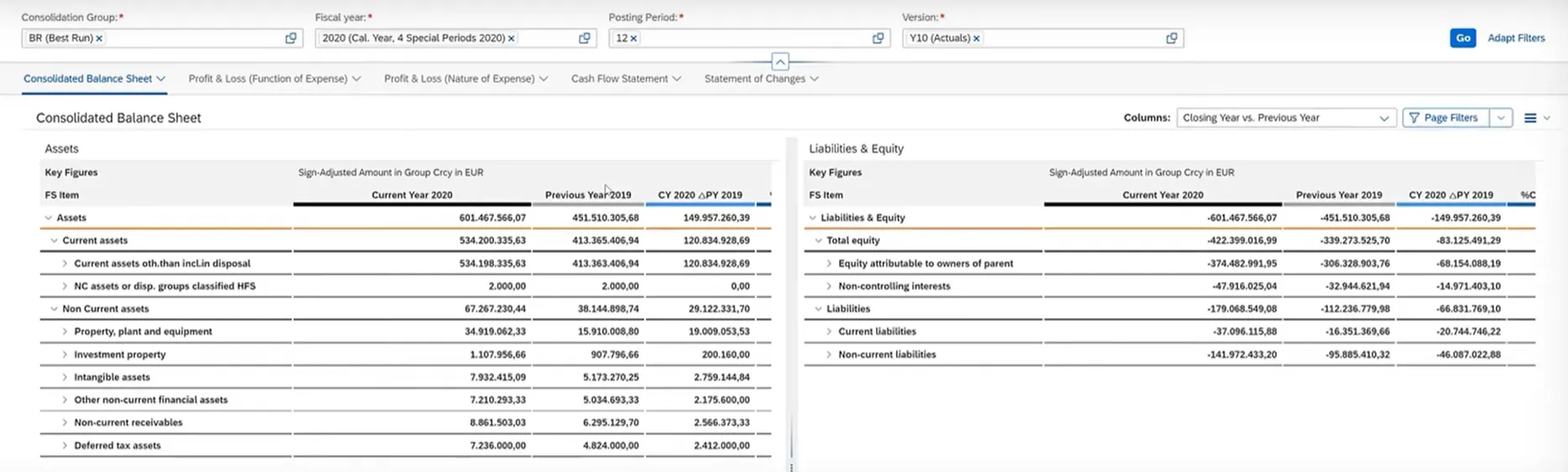
S/4HANA is built on the HANA in-memory database, so financial reporting is based on live transactional data, rather than overnight batch extracts. Finance teams can close periods quicker, model scenarios against current figures and identify variances as they happen – not after the event.
Smart meter data from the DCC network and operational data from grid systems can be connected directly to S/4HANA processes. Consumption figures flow into billing and settlement without manual export steps, and asset performance data informs maintenance scheduling within the same platform.
CONTACT US
If you are looking for an SAP Global Strategic Supplier or Technology Partner for your business, fill out the form below, and we will contact you at short notice.
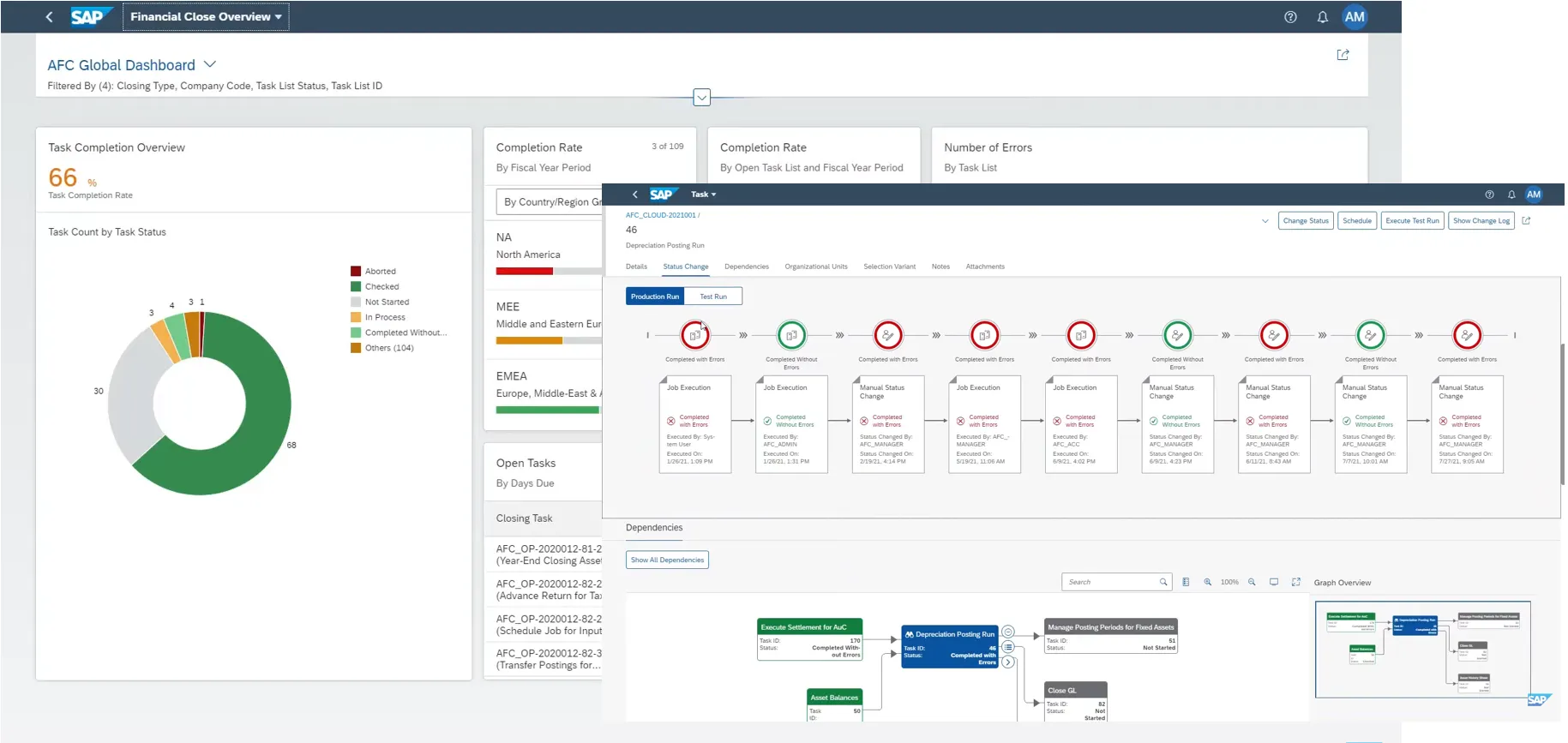
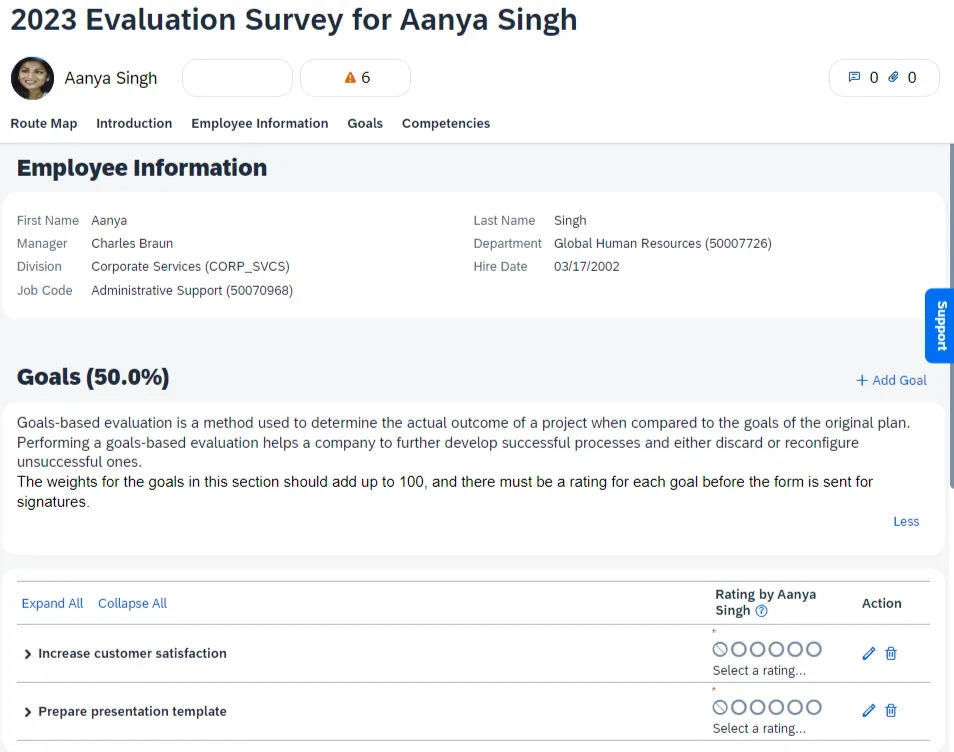
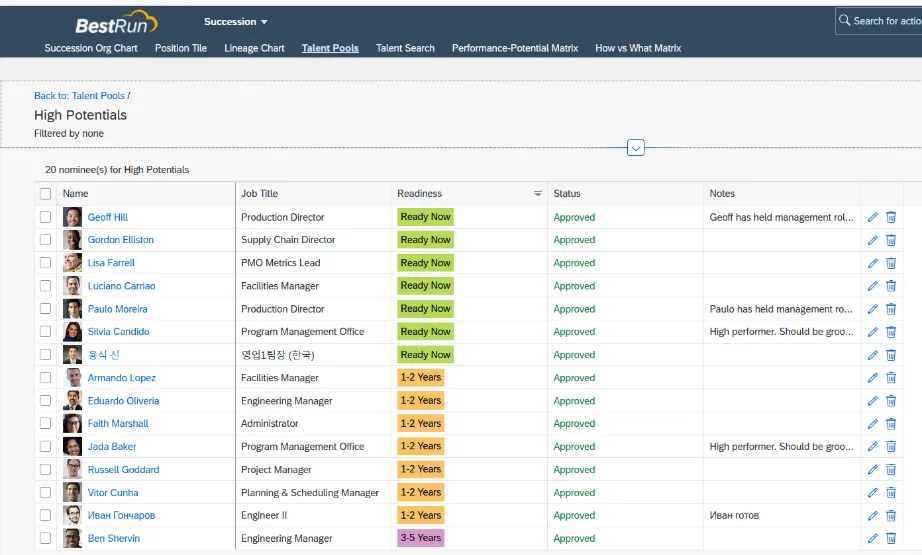
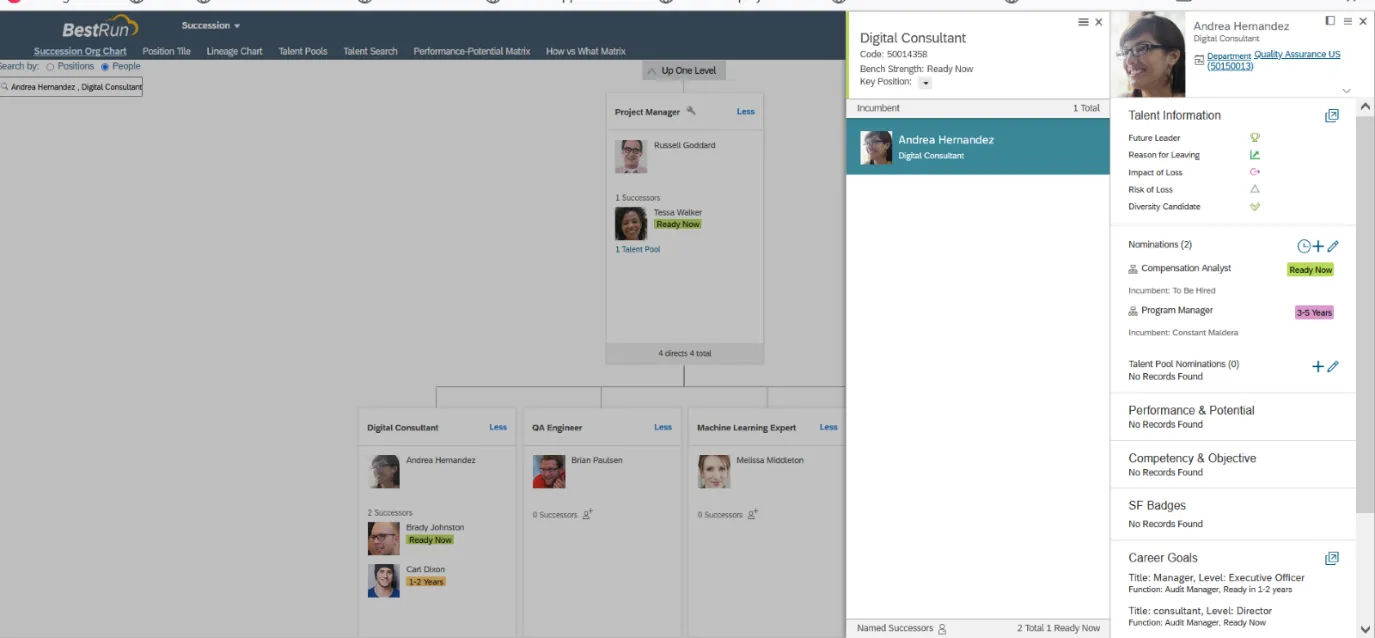
Engineering High-Velocity HR: Why SAP SuccessFactors?
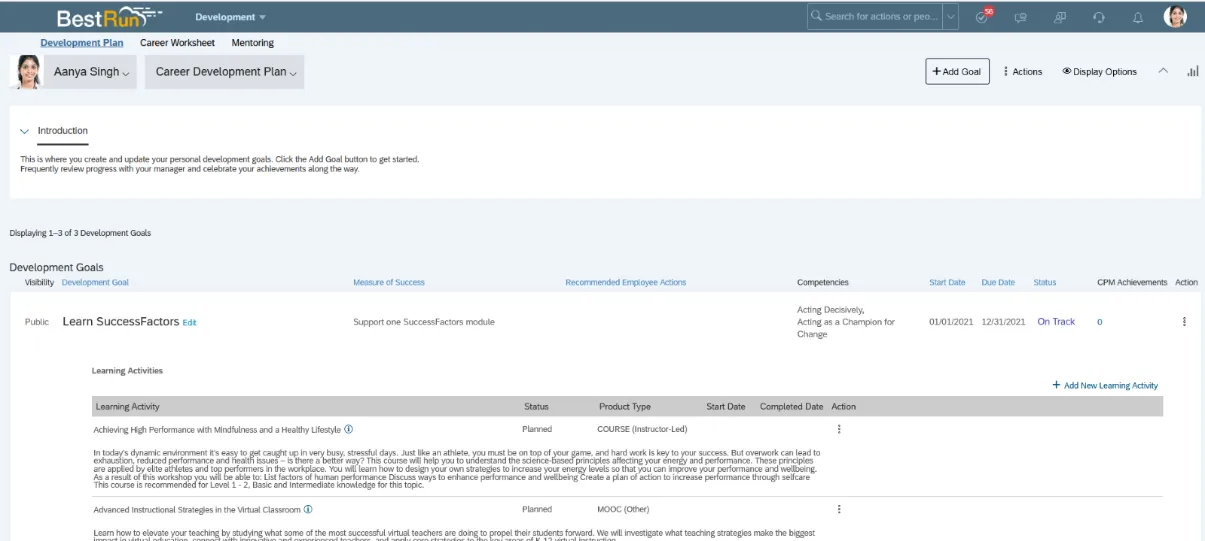
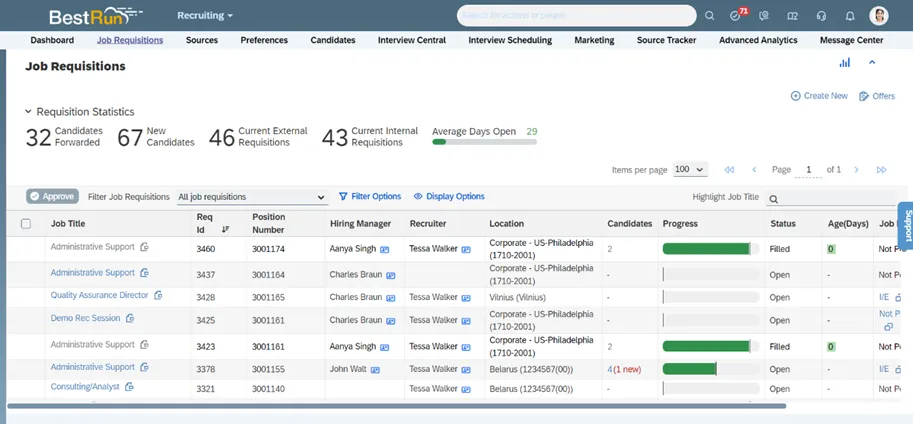
Unlock the true power of your human capital with bespoke SAP SuccessFactors consulting. LeverX moves beyond standard implementation to deliver a comprehensive HR digital transformation, evolving transactional workflows into high-impact competitive advantages.
We specialise in architecting the SuccessFactors HXM suite to meet the specific complexities of the UK landscape through:
- Strategic AI Orchestration: Implementing an AI-ready data foundation for predictive hiring, autonomous talent matching, and intelligent workforce sensing.
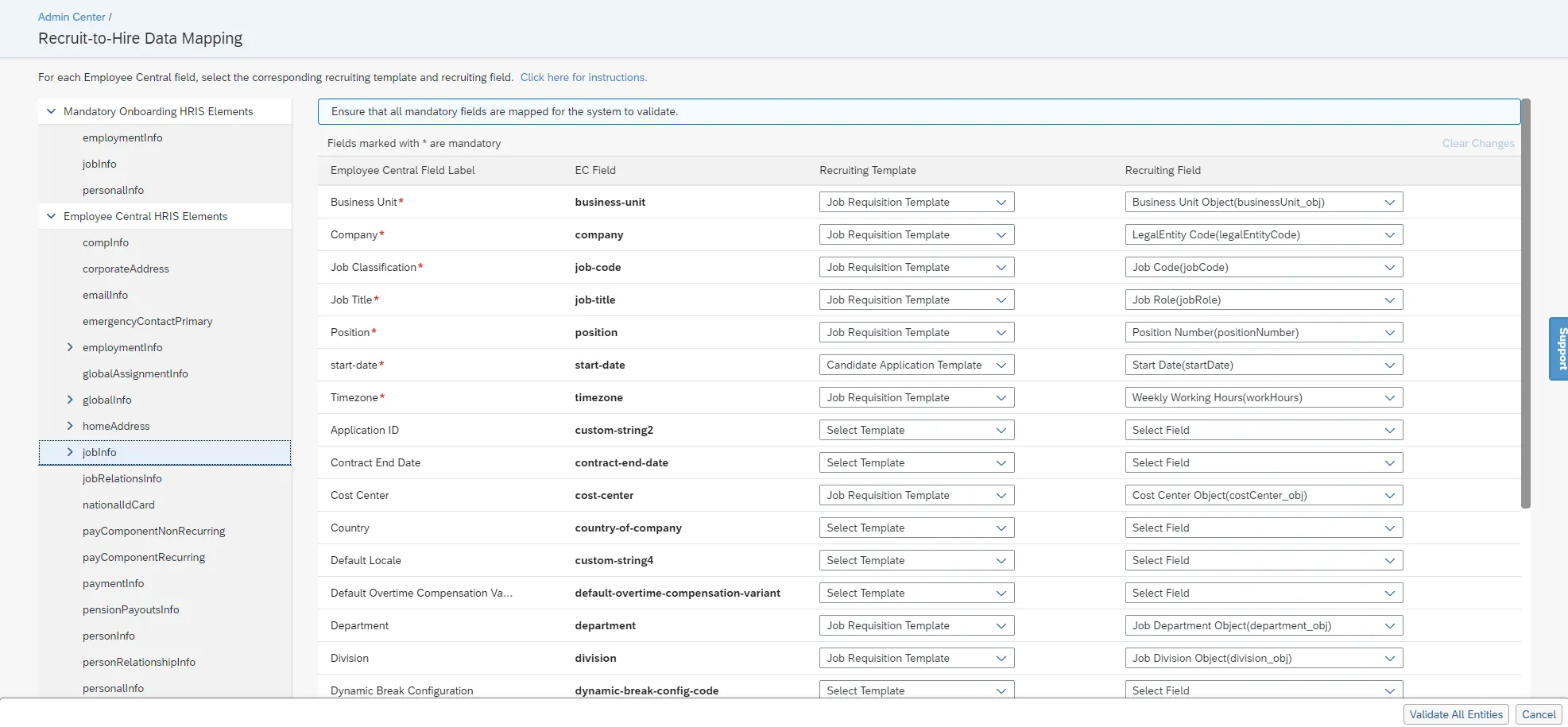
- UK-Centric Compliance: Engineering precision into your operations with HMRC-compliant payroll and native frameworks for local regulatory reporting.
- Clean Core Architecture: Leveraging SAP BTP to build flexible, "side-by-side" extensions that keep your HR core agile and upgrade-ready.
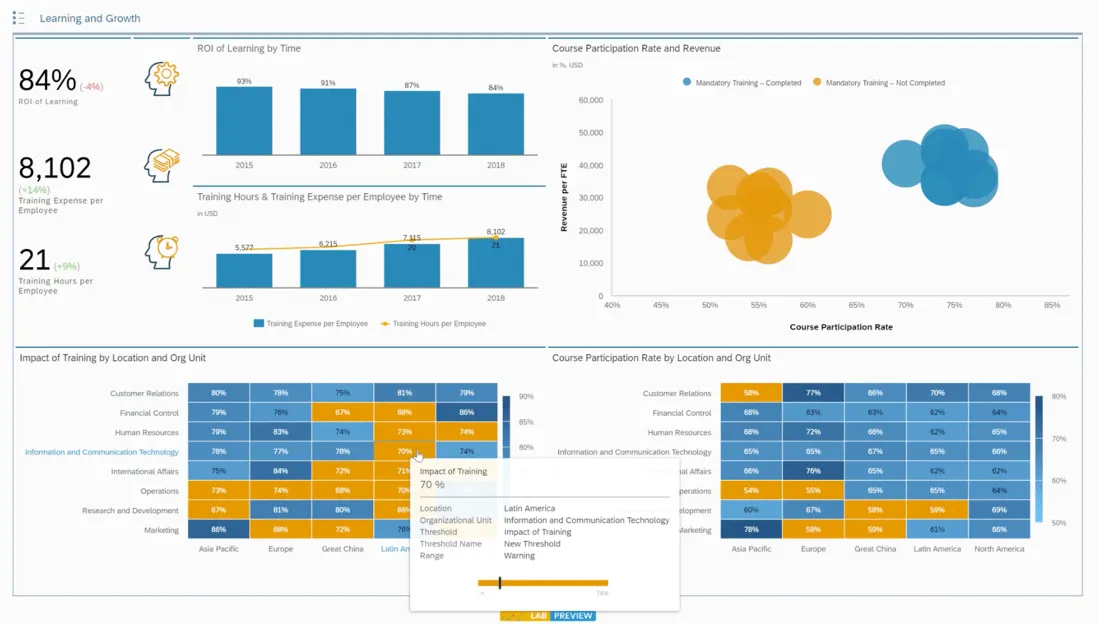
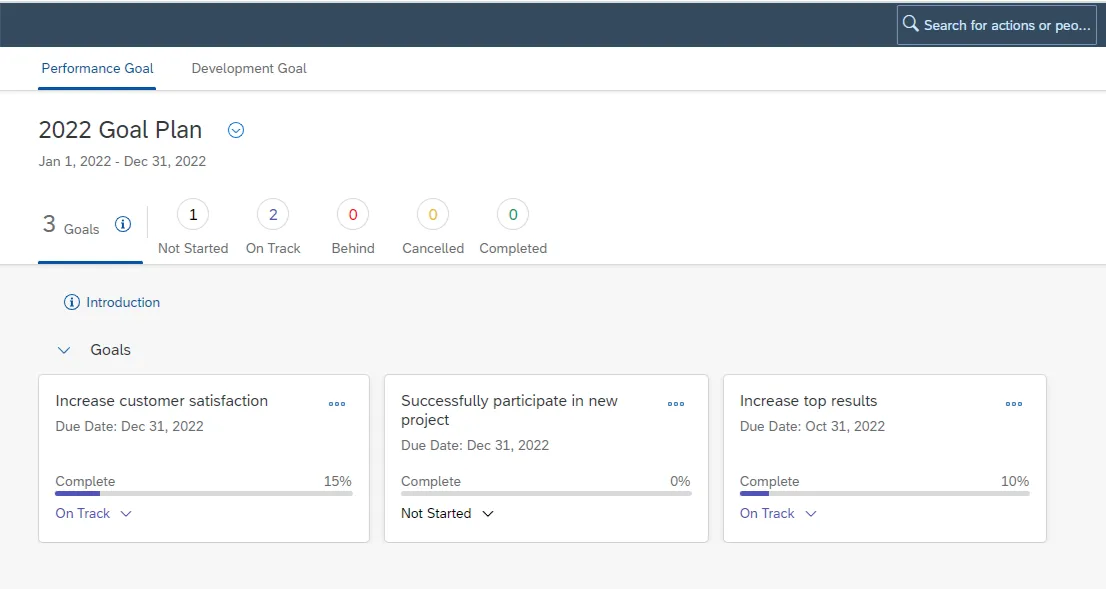
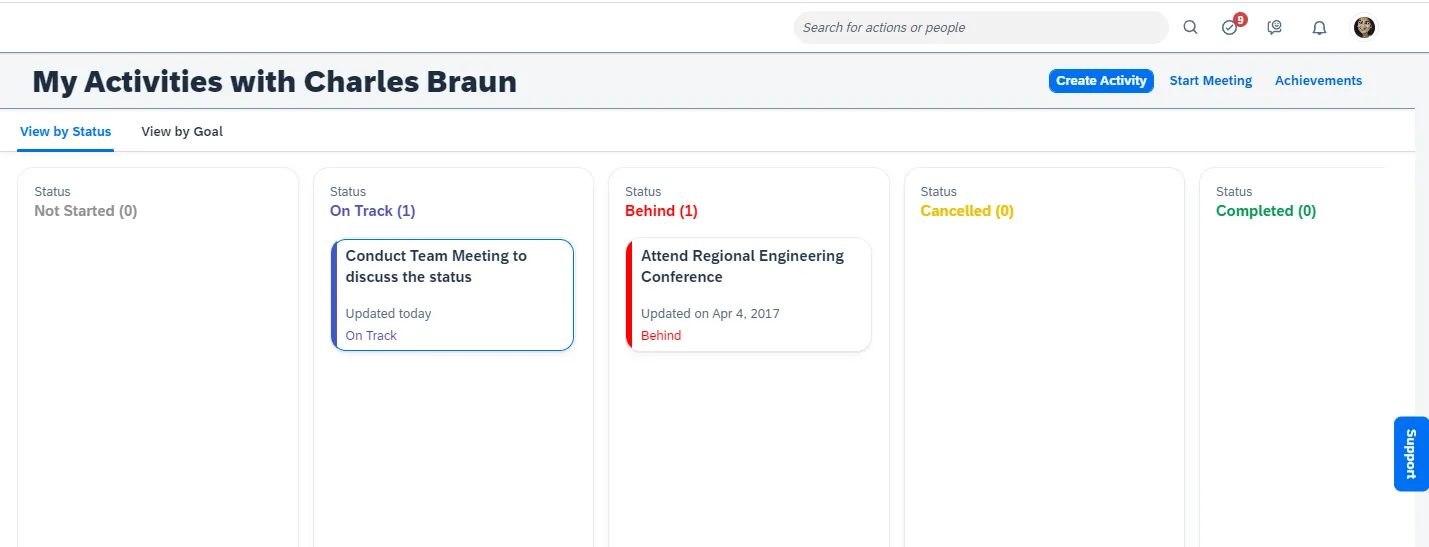
- Performance ROI: Transforming the employee experience into a measurable business outcome by aligning individual goals with global corporate strategy.
- Future-Proof Scalability: Designing elastic HXM environments that adapt to market volatility and support rapid business expansion.
Collaborate with SAP SuccessFactors strategists to ensure your organisation remains resilient and competitive in an increasingly complex corporate landscape.
LeverX Advice
What Business Challenges Does SAP S/4HANA for Utilities Address?
Rising pressure on customer billing and support
The cost-of-living crisis has increased pressure on billing accuracy, payment flexibility, and customer service responsiveness. Utility providers need better visibility into customer accounts and payment behaviour without adding more manual administration.
We help companies configure SAP S/4HANA processes for customer billing, payment management, and operational analytics. This gives service teams faster access to account data and supports more consistent customer handling processes.
Typical deliverables:
- Customer billing process configuration
- Payment and collections workflow automation
- Operational reporting dashboards
- Customer account data consolidation
Complex supplier switching processes
The UK utility market depends on fast and accurate supplier switching. Manual workflows and disconnected systems increase the risk of processing delays, billing disputes, and compliance issues linked to CSS requirements.
We help providers automate switching-related processes and integrate operational workflows with required market systems and data exchange platforms.
Typical deliverables:
- CSS-aligned process automation
- Integration with market communication systems
- Switching workflow standardisation
- Data validation and reconciliation processes
Ageing infrastructure and high maintenance costs
Utility companies manage large physical asset networks with high maintenance and replacement costs. Many organisations still rely on fragmented asset records and reactive maintenance models.
We help companies implement SAP S/4HANA asset management capabilities that support predictive maintenance planning, infrastructure visibility, and TOTEX-oriented cost control.
Typical deliverables:
- Asset lifecycle management configuration
- Predictive maintenance processes
- Maintenance planning workflows
- Asset and operational reporting models

Energy transition and distributed generation
The UK energy market is shifting towards decentralised generation models, including rooftop solar, smart metering, and Smart Export Guarantee programmes. These changes increase data volumes and integration complexity across utility operations.
We help providers adapt SAP environments for new energy models, operational reporting requirements, and integration with smart infrastructure platforms.
Typical deliverables:
- Smart metering integration support
- Distributed energy process configuration
- SEG-related operational workflows
- Real-time operational data integration
If SAP S/4HANA feels too broad at this stage, we can map it to your specific utility processes and systems.
Core SAP S/4HANA Capabilities for UK Utilities
Billing and revenue management
UK energy tariffs are not simple. Time-of-use pricing, multi-energy bundling, and SEG export payments each add a layer of calculation complexity that standard billing engines were not designed to process accurately at volume. This module handles that complexity within the core billing cycle.
- Automated calculation of time-of-use and dynamic tariff structures
- Converged invoicing across electricity, gas, and water services on a single bill
- Smart Export Guarantee payment processing integrated into the standard billing run
- Configurable tariff templates for rapid response to Ofgem price cap adjustments

Advanced Metering Infrastructure (AMI)
The DCC network connects suppliers to every SMETS2 smart meter in Great Britain. Getting value from that connection depends on what happens to the data once it arrives. This capability defines how metering data enters S/4HANA and what it triggers downstream.
- Direct integration with the DCC network for SMETS2 meter data ingestion
- Automated meter read validation before data enters the billing process
- Half-hourly consumption data mapped to settlement and forecasting processes
- Elimination of estimated billing through real-time read availability

Predictive asset management
Maintenance cost is one of the largest variables in a regulated utility's TOTEX position. Condition-based maintenance, informed by asset sensor data, allows operators to address deterioration before it becomes failure. This capability connects physical asset performance to financial planning.
- Sensor and IoT data feeds connected to SAP Plant Maintenance workflows
- Condition-based maintenance scheduling replacing fixed-interval inspection cycles
- Asset lifecycle cost tracking across both CAPEX and OPEX within a single record
- Maintenance outcome data structured for TOTEX reporting to Ofgem and Ofwat

Regulatory and tax compliance
HMRC's Making Tax Digital programme and the TCFD reporting framework both require structured, auditable data trails. Building those trails retrospectively from disconnected systems is time-consuming and error-prone. This capability embeds compliance into standard financial processes rather than treating it as a separate workstream.
- Digital tax records maintained in the format HMRC requires under MTD
- Automated VAT calculation and submission workflows for energy supply transactions
- TCFD-aligned ESG data capture within the financial reporting environment
- Audit trail generation from transactional data without manual extraction steps

Clean Core and BTP extensions
Every utility carries UK-specific process requirements that fall outside standard SAP functionality, including market messaging formats, CSS switching workflows, and local billing rules. Clean Core architecture keeps these customisations separate from the S/4HANA core, which protects system stability and simplifies future upgrades.
- UK market messaging logic developed as BTP extensions, not core modifications
- CSS-compliant switching workflows configured outside the system core
- Standard upgrade path maintained without rework of local customisations
- Extension lifecycle managed independently from core release cycles
Intelligent meter-to-cash cycle
The billing process connects metering, finance, customer management, and compliance in a single end-to-end flow. When any part of that flow is slow or manual, the effects accumulate across all of them. This capability treats the meter-to-cash cycle as an integrated financial process, not a sequence of separate hand-offs.
- End-to-end automation from meter read ingestion to invoice generation and payment posting
- Configurable billing run schedules enabling rapid tariff implementation
- Days Sales Outstanding (DSO) tracking built into the revenue management process
- Exception handling workflows for disputed reads and payment failures without manual routing

How We Drive Measurable Value for UK Utilities
Deployment strategy
We help organisations define deployment approaches based on existing SAP landscapes, business complexity, and regulatory constraints. This includes cloud, hybrid, and system conversion scenarios. The goal is to avoid fragmented architecture decisions that later limit system upgrades or compliance alignment.
Meter-to-cash cycle optimisation
We help companies redesign meter-to-cash processes in SAP S/4HANA to reduce manual reconciliation and improve data flow between metering, billing, and finance. This creates a more predictable revenue cycle and reduces operational effort across billing teams.
TOTEX-focused asset management
We support the implementation of SAP S/4HANA asset management processes that align maintenance activities, lifecycle data, and cost tracking in one system. This gives infrastructure teams clearer visibility into long-term asset performance and expenditure patterns.
Clean Core for regulatory agility
We help organisations design Clean Core architectures where core SAP processes remain stable and extensions are moved to SAP BTP. This allows faster adaptation to regulatory updates without destabilising the ERP landscape.
Compliance and ESG leadership
We support the configuration of SAP S/4HANA reporting structures that consolidate operational and financial data for regulatory and ESG reporting. This reduces dependency on manual reporting cycles and improves audit readiness.
Utility digital transformation delivery
We advise on how S/4HANA integrates with these systems, where SAP BTP can act as the integration layer, and how the overall architecture evolves as the organisation takes on new obligations.
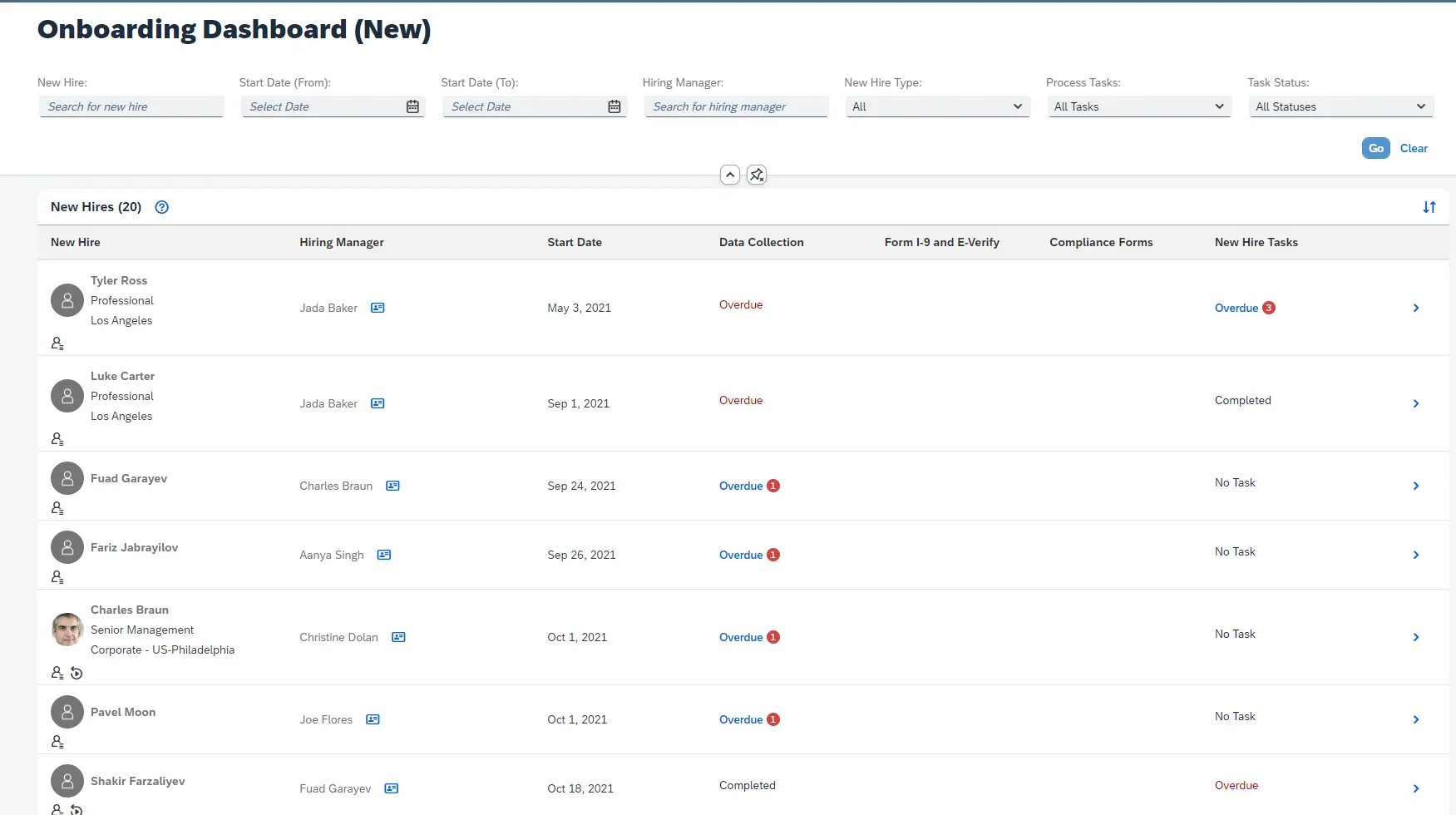
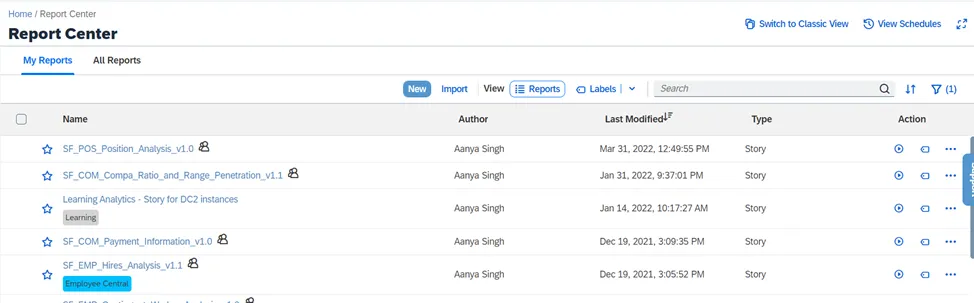
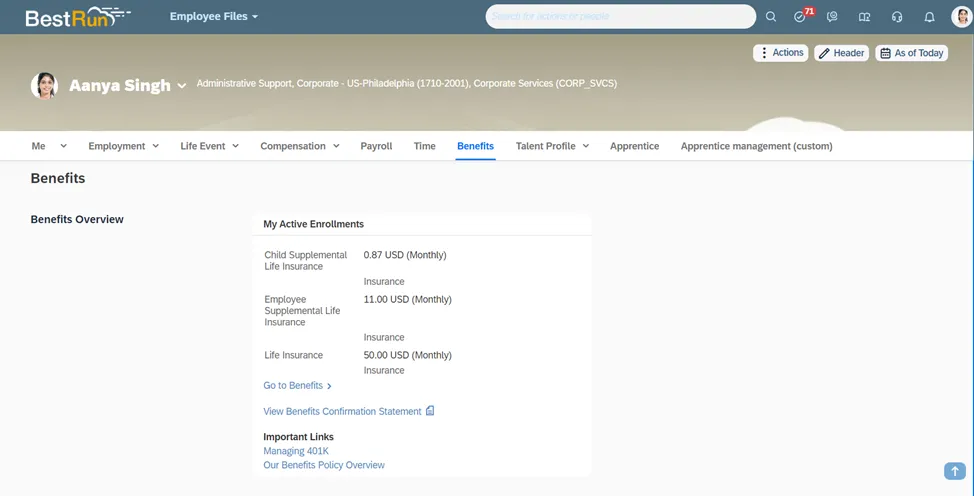
Mastering the Hire-to-Retire Journey with SAP SuccessFactors
HMRC & GDPR Compliance
Precision Payroll Excellence
Strategic Reward & Compensation
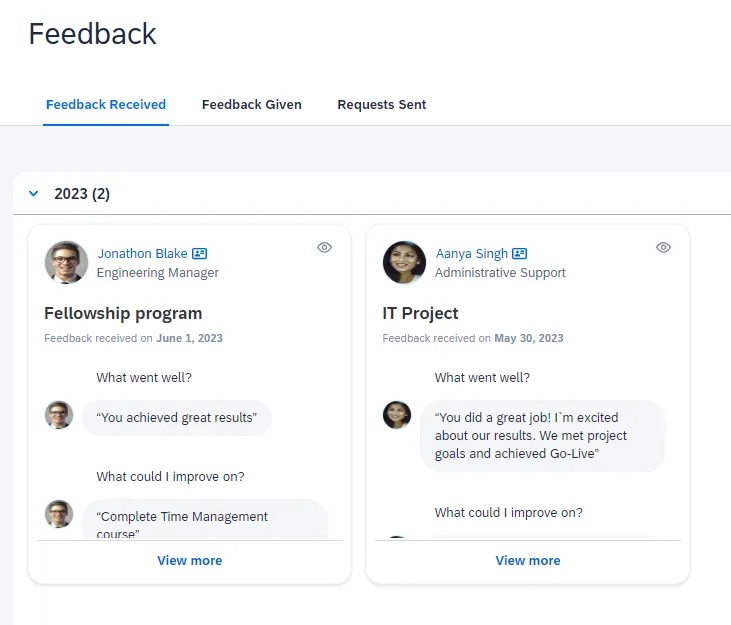
Retention & Engagement
Time Management
Unified Global Employee Records
- Self-Service Management
- HMRC & GDPR Compliance
- Precision Payroll Excellence
- Workplace Well-being
- Strategic Reward & Compensation
- Retention & Engagement
- Time Management
- Unified Global Employee Records
NEED TO ALIGN YOUR LEGACY UTILITY SYSTEMS WITH MODERN BUSINESS GOALS?
Services Behind SAP S/4HANA Utility Transformations
SAP consulting
Implementation
Integration
Managed support
Security
Application management
Customers' Success Stories
SAP S/4HANA Optimization and Regional Rollout for Retal Group

FUCHS’s Digital Transformation of Business Workflows

Production Optimization and Quality Management With AI and SAP

Implementation of SAP S/4HANA Private Cloud for Safia

CUSTOMERS' SUCCESS STORIES
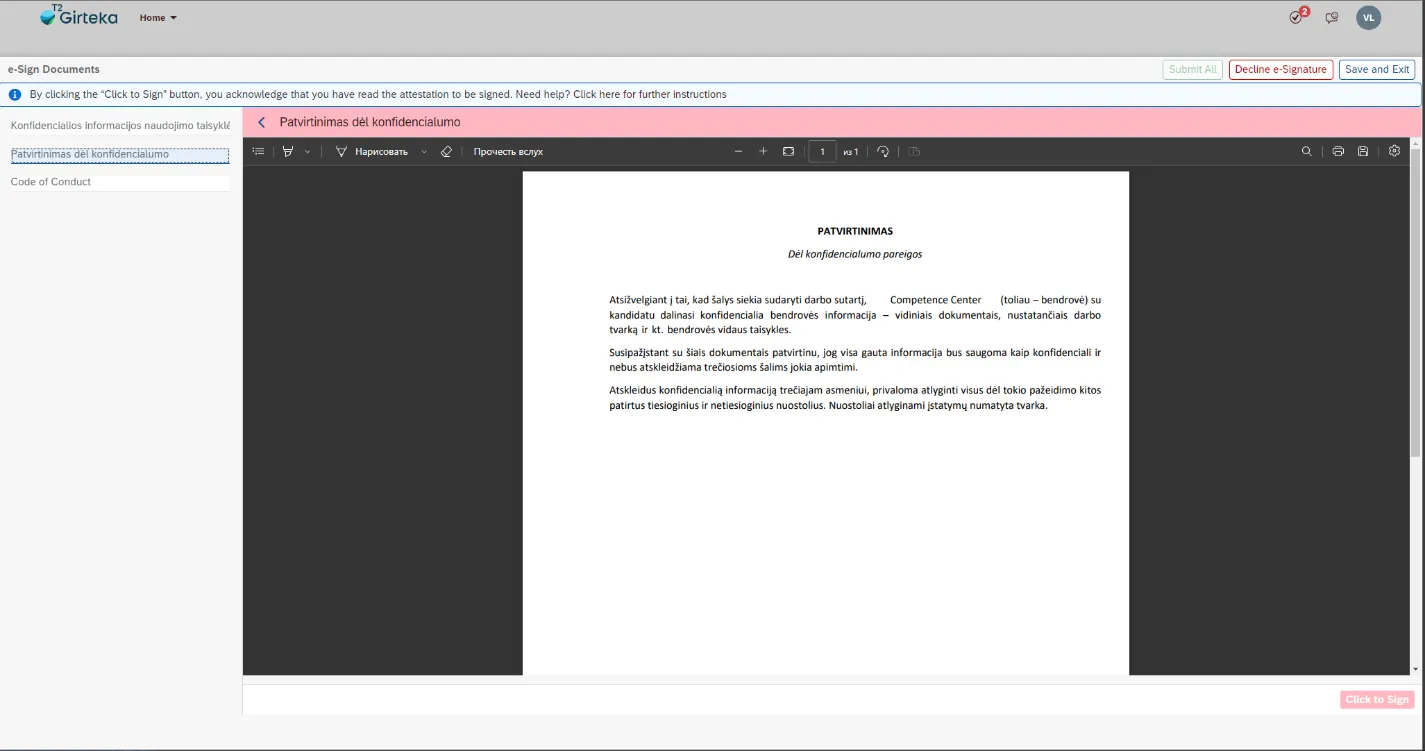
Girteka: SAP SuccessFactors as a Sustainable Digital HR solution for Employee Self-Service
Many fast-growing companies encounter management issues as their teams expand internationally. Learn from this case study how Girteka and LeverX team solved this issue by implementing the SAP SF solution and other 3rd party systems to synchronize internal HR data to improve internal HR processes for Girteka.

SAP Customization Project for a Large Food Retailer
The LeverX team improved the customer’s existing SAP systems. The modification and development done by our experts allowed the client to increase profits from product sales and marketing processes efficiency.

Risk Management Software Development for a Large Metal and Mining Company
LeverX took part in the development of a risk management solution that would enhance the client’s existing system and drive better, more accurate results to the business.
Industries We Serve
Why Choose LeverX
Proven track record
Industry experts
SAP partnership
We implement SAP projects end-to-end and collaborate with SAP on the development and enhancement of its existing solutions.
Quality and security
Investment in innovation
Flexibility
Implementation Roadmap
- Current Processes Evaluation: Assess existing business processes and identify the organization's needs.
- Defining Technical Requirements: Create a detailed specification of the functional and technical needs of the new system.
Discover
- Setting Goals and Objectives: Establish and agree on the goals to be achieved throughout the project.
- Assembling the Project Team: Appoint team members and define their roles and responsibilities.
- Project Plan Development: Create a comprehensive plan that outlines project phases, timelines, resources, and key performance indicators.
- Budget Determination: Estimate and approve the budget.
- Specifications Preparation: Develop the technical and functional specifications for the development team.
Prepare
- Ensuring Business Requirements are Met: Check that SAP SF aligns with business requirements and project objectives.
- Data Validation: Verify the accuracy and compliance of the data.
Explore
- Data Migration: Transfer data from existing systems to the new one.
- System Configuration: Set up the solution according to requirements and specifications.
- Customization: Develop additional features and modules, if the standard solution does not meet all needs.
- Integrations: Configure SAP SF to work with other IT systems and applications.
Realize
- Testing: Perform functional, integration, regression, and load testing to ensure that all works correctly.
- User Training: Organize sessions to help users become familiar with the new system.
Deploy
- System Readiness Check: Verify that the system is ready for operational use.
- Launch: Officially transition to active use of SAP SF.
- Ongoing Support: Continuously monitor solution performance to identify and resolve any issues.
Run
Frequently Asked Questions
How long does a typical SAP S/4HANA implementation take for a UK utility, and what drives the timeline?
There are three factors that vary significantly between organisations, and which determine almost everything about timeline and cost.
-
The first is data. Utilities carry decades of customer, metering, and asset records across systems that were built independently and never reconciled. Getting that data into S/4HANA's structure cleanly is the part of the programme that most organisations underestimate, and the part that most frequently causes delays.
-
The second is integration. DCC, CSS, settlement platforms, and internal operational systems each require their own design and testing cycle. None of them are quick.
-
The third is regulatory sequencing. Certain compliance configurations depend on Ofgem or Ofwat requirements being confirmed externally, which means parts of the programme cannot be finalised on an internal schedule alone.
Why should a UK utility company prioritise a Clean Core approach with SAP BTP?
Utility ERP systems often become difficult to maintain because custom logic is embedded directly into the core system. This slows updates and increases risk during upgrades or regulatory changes.
A Clean Core approach keeps the core SAP S/4HANA system stable while moving custom processes to SAP BTP. This structure allows UK utilities to introduce new market requirements faster without disrupting billing, finance, or asset management processes already in production.
We are still running SAP IS-U. What does migration to S/4HANA actually involve, and can we do it without a full system cutover?
Most UK energy suppliers and network operators built their core billing and customer management processes on SAP IS-U. It is a capable system, and many of those implementations are deeply customised. That customisation is precisely what makes migration complex.
SAP IS-U does not map directly onto S/4HANA's utilities model. The successor environment, SAP S/4HANA Utilities, restructures how customer contracts, billing, and device management are handled at the data level. This means migration is not a technical lift-and-shift. It requires deliberate decisions about which IS-U customisations to replicate, which to retire, and which to rebuild as BTP extensions under a Clean Core approach.
On the question of cutover: a phased migration is possible. Some organisations run IS-U and S/4HANA in parallel during transition, with specific process areas moved across in stages. This reduces go-live risk but extends the programme and increases integration complexity during the transition period. The right approach depends on your operational risk tolerance and the condition of your existing IS-U data.
How does SAP S/4HANA handle the commercial complexity of operating across both regulated and unregulated business units?
This is one of the less-discussed but practically significant challenges for UK utilities that operate across both a regulated network business and a competitive supply arm. Ofgem requires strict financial separation between these entities. Regulators scrutinise cost allocation, transfer pricing, and ring-fencing arrangements closely, and the consequences of inadequate separation are material.
S/4HANA handles this through its company code structure and profit centre accounting. Regulated and unregulated activities can be maintained within a single SAP environment while remaining financially distinct at the reporting level. Intercompany transactions are recorded and reconcilable. Cost allocation methodologies can be configured to reflect the ring-fencing requirements set out in your licence conditions. For network operators preparing for RIIO-2 or RIIO-ED2 regulatory submissions, this structure means the financial data Ofgem requires is produced from the same system used to manage day-to-day operations, rather than reconstructed from parallel records. That distinction matters when regulators ask questions.
Contact Us
What happens next?
-
1
An expert will reach out to you to discuss your specific requirements and objectives.
-
2
We’ll sign an NDA to ensure any sensitive information is kept secure and strictly confidential.
-
3
We’ll work with you to prepare a customised proposal based on the project’s scope, timeline, and budget.
years of expertise
projects
professionals
Contact Us