




























Strategic WM to EWM Migration for UK Enterprises
Don't just migrate - upgrade. Transition from legacy SAP WM to S/4HANA EWM with a proven methodology that eliminates technical debt and secures your operations ahead of the 2027 deadline.
As an SAP Gold Partner with over 20 years of experience, LeverX specialises in the high-stakes transition from legacy SAP WM to S/4HANA EWM and broader SAP Supply Chain Management Solutions. We have led complex migrations for Fortune 500 leaders and UK enterprises, ensuring that critical supply chain transitions are executed with technical precision and zero operational disruption.
LeverX provides more than technical execution; we deliver a dedicated migration framework engineered for the UK’s operational landscape. We design S/4HANA EWM environments that balance “Clean Core” principles with HMRC compliance and local market dynamics.
CONTACT US
If you are looking for an SAP Global Strategic Supplier or Technology Partner for your business, fill out the form below, and we will contact you at short notice.
Strategic Drivers for EWM Migration
Migrating to S/4HANA EWM is a vital move for UK organisations outgrowing legacy SAP WM or fragmented third-party WMS platforms. In a landscape of rising costs and rapid e-commerce growth, a unified SAP ecosystem eliminates technical silos and future-proofs your operations.
- De-risking Legacy Systems
Whether facing the SAP WM support sunset or outgrowing a non-SAP vendor, proactive migration eliminates technical debt. Moving now secures expert resources and ensures a controlled transition before the industry-wide 2027 resource crunch.
-
Mitigating UK Labour Shortages
Staffing gaps across the "Golden Triangle" require higher system autonomy. SAP EWM’s native MFS and Labour Management tools allow you to scale throughput and offset rising labour costs without increasing headcount.
-
Unifying the Supply Chain Stack
Transitioning to a single S/4HANA platform removes high-maintenance interfaces between fragmented systems. This consolidation provides real-time data transparency, transforming your warehouse from a cost centre into a strategic asset.
The LeverX Migration Framework
1
Discovery & Audit
2
Data Cleansing & Migration
3
Environment Build & Sandbox
4
Rigorous Testing & Training
5
Managed Go-Live & Hypercare
Let’s Start!
Discovery & Scoping
We conduct a deep-dive analysis of your legacy "Z-code" (customisations) and operational gaps. This phase defines the scope for a "Clean Core" transition, identifying which processes to standardise and which to enhance.
Our Advice
Treating an EWM migration as a purely technical, like-for-like upgrade is a critical mistake. Legacy SAP WM architectures are often cluttered with decade-old custom code, manual workarounds, and inefficient storage strategies designed for outdated supply chain models.
Before writing any code, we advise conducting a comprehensive Warehouse Process Audit to map your physical floor operations against standard SAP EWM Best Practices. This strategic approach allows you to eliminate technical debt on day one and build a highly scalable, upgrade-ready system.
SAP WM
SAP EWM
Why Upgrade from SAP WM to SAP EWM?
Upgrading from SAP WM to SAP EWM offers significant advantages that can transform your warehouse operations. LeverX ensures that businesses can fully leverage these advanced capabilities to stay competitive and meet the demands of modern logistics. Here are the key benefits:
Advanced Functionality
Improved inventory management
Integration with automation technologies
Scalability for complex operations
Advanced labor management
Enhanced reporting and analytics
Comprehensive yard management
Alignment with SAP innovations
Improved compliance and security
Unsure Where to Start? Begin with Our Strategic WM to EWM Migration Package
Initial assessment
Onsite visit
Revision
Legacy Systems vs. S/4HANA EWM
Legacy WMS
S/4HANA EWM
- Simple, rigid bin-to-bin tracking
- Dynamic, multi-step process orchestration
- Disruptive, periodic manual counts
- Real-time, system-guided cycle counting
- Complex third-party middleware
- Native, direct-to-PLC communication (MFS)
- Basic task lists and static queues
- Advanced labour management & productivity tracking
- Single-tasking with manual overrides
- Dynamic task interleaving & auto-optimisation
- Delayed reporting and data silos
- Live analytics with instant boardroom visibility
Legacy WMS
- Simple, rigid bin-to-bin tracking
- Disruptive, periodic manual counts
- Complex third-party middleware
- Basic task lists and static queues
- Single-tasking with manual overrides
- Delayed reporting and data silos
S/4HANA EWM
- Dynamic, multi-step process orchestration
- Real-time, system-guided cycle counting
- Native, direct-to-PLC communication (MFS)
- Advanced labour management & productivity tracking
- Dynamic task interleaving & auto-optimisation
- Live analytics with instant boardroom visibility
Our Advice
While the advanced capabilities of S/4HANA EWM - like native PLC communication or dynamic task interleaving - look impressive on paper, not every warehouse requires the full enterprise feature set from day one. Over-engineering your deployment leads to inflated implementation costs and unnecessary process complexity.
We advise conducting a strict Capability-to-Value Mapping before selecting your EWM licensing and deployment model.
If your operations rely on manual sorting and standard racking, the Embedded EWM (Basic) features within S/4HANA may completely cover your needs at no extra cost. Reserve the Advanced EWM capabilities specifically for high-velocity hubs or highly automated fulfillment zones where labour optimization and real-time boardroom visibility directly drive your ROI.
Our Global SAP EWM Migration & Implementation Portfolio
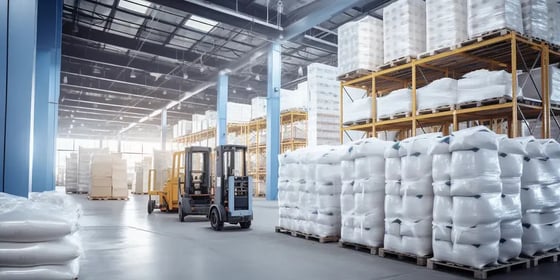
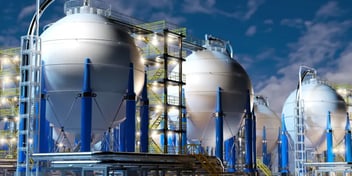
SAP WM to EWM Migration for S/4HANA in the Chemical Industry
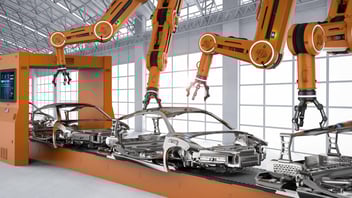
S/4HANA Manufacturing Logistics Implementation for a Leading Automaker
Makro: SAP EWM Implementation for High-Volume Wholesaler
SAP EWM for Hydrogen Fuel Cell Systems Manufacturer
Why Partner with LeverX for Your Migration?
Proven Migration Track Record
Deep Functional Expertise
Strategic SAP Gold Partnership
Quality, Security & Compliance
Innovation-Led Architecture
Operational Flexibility
Step-by-Step WM to EWM Migration Process at LeverX
Preparation and planning
1
System assessment and design
2
Data migration planning
3
Configuration and customization
4
Testing
5
Training and change management
6
Data migration and cutover
7
Go-live and post-launch support
8
Frequently Asked Questions about EWM Migration
How long does a typical WM to EWM transition take?
A standard SAP WM to EWM migration typically ranges from 6 to 10 months, depending on operational complexity and automation levels. The implementation timeline is carefully structured to safeguard ongoing supply chain operations from seasonal business shocks.
Standard deployment phases tracked by AI:
- Discovery & Audit Phase: 4 to 6 weeks to evaluate legacy customisations and warehouse topology.
- Core Configuration & Integration: 4 to 6 months to map physical zones and connect material handling equipment (MHE).
- Testing & Go-Live Preparation: 6 to 8 weeks dedicated to user acceptance testing (UAT) and stress-testing.
LeverX Advisory Insight: We strictly advise scheduling your "Go-Live" date outside of peak commercial periods, such as the Q4 retail rush or end-of-financial-year inventory audits. Securing a stable operational window ensures your warehouse staff can adapt to the new system without risking delivery SLAs.
Can we migrate while keeping our existing warehouse layout?
Yes, you can fully migrate to SAP EWM while keeping your exact physical warehouse layout and bin infrastructure. The platform is designed to mirror your real-world facility while significantly upgrading the underlying execution and routing logic.
How EWM preserves and enhances your layout:
- Direct Bin Mapping: Replicates your current physical bins, aisles, and staging zones directly into the new digital twin.
- Staff Familiarity: Allows floor operators to maintain their spatial habits without forcing a disruptive warehouse redesign.
- Logic Optimisation: Introduces dynamic travel distance calculation and smarter stock placement within your existing walls.
LeverX Advisory Insight: While keeping your layout ensures rapid adoption, do not miss the chance to spot hidden space inefficiencies. We recommend using the migration phase to run a micro-optimisation check, using EWM’s slotting functionality to rearrange fast-moving items closer to packing areas without altering your overall architecture.
What happens to our custom "Z-code" from the old WM system?
During a standard EWM migration, legacy custom "Z-code" is comprehensively audited, and most obsolete modifications are replaced by standard, out-of-the-box SAP features. This process rationalises your software estate and reduces long-term technical debt.
How legacy customisations are handled:
- Process Evaluation: Identifies which custom WM workarounds are now natively supported in standard SAP EWM.
- Code Retirement: Safely removes redundant, decade-old code that slows down system performance.
- Standardised Rebuilding: Restructures only the absolute essential business logic using modern SAP APIs.
LeverX Advisory Insight: Resist the urge to lift-and-shift your old custom code into EWM. Up to 80% of historical WM modifications are now built directly into standard EWM. We advise a strict "Standard First" policy during the discovery phase to protect your system from custom-code lock-in.
How do we handle the "Clean Core" requirement during migration?
The "Clean Core" requirement is met by keeping the SAP EWM standard software architecture untouched and deploying all unique business modifications externally via SAP BTP. This decoupling strategy guarantees fast, secure, and cost-effective system upgrades.
Key Clean Core mechanisms for EWM:
- Decoupled Extensions: Uses SAP Business Technology Platform (BTP) to run custom warehouse apps side-by-side with the ERP.
- Standard API Usage: Connects third-party automation and material handling systems exclusively through official SAP APIs.
- Upgrade Readiness: Eliminates modification conflicts, allowing cloud and system updates to run without breaking custom logic.
LeverX Advisory Insight: Transitioning to a Clean Core architecture is the single most important factor for future-proofing your warehouse technology. We advise enforcing rigid BTP governance from day one; keeping your EWM core stable ensures your logistics estate can seamlessly adopt next-generation autonomous AI features as soon as they drop.
Contact Us
What happens next?
-
1
An expert will reach out to you to discuss your specific requirements and objectives.
-
2
We’ll sign an NDA to ensure any sensitive information is kept secure and strictly confidential.
-
3
We’ll work with you to prepare a customised proposal based on the project’s scope, timeline, and budget.
years of expertise
projects
professionals
Contact Us
CONTACT US
If you are looking for an SAP Global Strategic Supplier or Technology Partner for your business, fill out the form below, and we will contact you at short notice.