SAP Invoice Automation for UK Enterprises: AI-Powered AP Processing in SAP S/4HANA

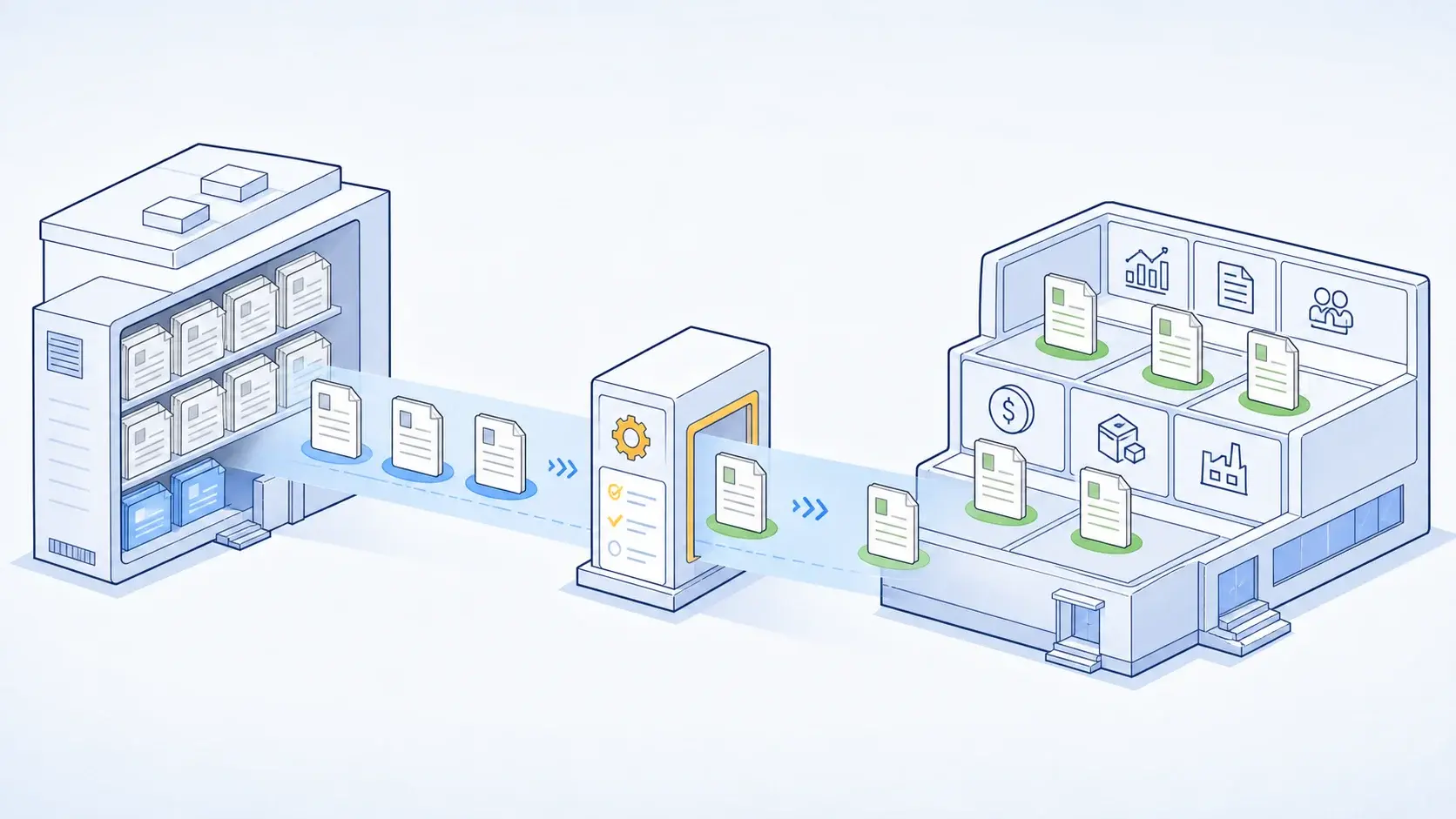
SAP invoice automation digitizes the complete accounts payable lifecycle - from multi-channel PDF invoice capture and AI-based data extraction to automated validation, three-way matching, approval workflows, and posting into SAP S/4HANA Finance.

By replacing manual data entry and paper-based approvals with intelligent document processing (IDP), machine learning, SAP Business AI, and cloud-native orchestration via SAP Business Technology Platform (SAP BTP), SAP Central Invoice Management, and SAP Build Process Automation, enterprises transform Accounts Payable from an operational bottleneck into a touchless, value-generating asset.

According to research from Ardent Partners, manual accounts payable (AP) processing costs between $10 and $15 per invoice with an average cycle time of 10 to 12 days. Best-in-class organizations running automated SAP accounts payable workflows reduce processing costs to under $2.50 per invoice, cut processing times to under 3 days, and achieve touchless processing rates exceeding 70%.

This guide covers the architecture, software solutions, comparison models, and implementation frameworks for SAP invoice automation across UK and global enterprise landscapes.

Executive Summary and Quick Takeaways

  • Touchless AP Defined: Achieving a state where an incoming invoice is ingested, extracted, validated, matched against purchase orders and goods receipts within tolerance rules, and posted into SAP S/4HANA with zero human intervention.
  • Strategic Solution Architecture: Ingestion via SAP Central Invoice Management (powered by SAP BTP), AI document extraction via SAP Document Information Extraction, supplier network processing via SAP Ariba, and workflow automation via SAP Build Process Automation.
  • SAP VIM Integration: SAP Vendor Invoice Management (VIM) by OpenText remains a foundational solution for SAP ECC and S/4HANA on-premise/private cloud landscapes, while SAP Central Invoice Management represents SAP’s cloud-native strategy for multi-ERP environments.
  • UK Statutory Alignment: Automated invoice workflows incorporate HMRC Making Tax Digital (MTD) compliance, UK VAT rules, and electronic invoicing standards (Peppol) via SAP Document and Reporting Compliance.

Ready to Automate Your SAP Accounts Payable Processes?

Streamline invoice processing, reduce AP costs, and achieve touchless operations with LeverX. Discover how our tailored SAP Finance assessments help global enterprises deploy AI-driven document extraction, automated three-way matching, and seamless SAP S/4HANA workflows.

Book Your SAP Invoice Automation Strategy Session

What Is SAP Invoice Automation?

SAP invoice automation refers to the technology-driven digitization, extraction, validation, approval, and posting of vendor invoices within an SAP software ecosystem. It replaces manual, paper-based, and spreadsheet-driven Accounts Payable tasks with automated, policy-driven workflows integrated directly into the digital core.

The 7 Stages of the Automated SAP Invoice Lifecycle

Lifecycle Stage

Process Description

Core Operational Outcome

1. Ingestion and Capture

Multi-channel document capture (PDF, Email, EDI, XML, Scanned paper, SAP Ariba).

Centralizes all inbound invoices into a unified digital queue.

2. AI Data Extraction

OCR and Machine Learning (Intelligent Document Processing) parsing.

Converts unstructured pixel data into structured header and line-item fields.

3. Automated Validation

Verification against SAP database records (Vendor master, Tax ID, Currency).

Prevents duplicate payments and validates vendor Business Partner details.

4. Three-Way Matching

Automated reconciliation of Invoice vs. Purchase Order (PO) vs. Goods Receipt (GR).

Clears compliant invoices automatically based on pre-configured tolerance rules.

5. Workflow Routing

Dynamic routing of non-PO items or price/quantity tolerance exceptions.

Triggers mobile SAP Fiori or SAP Build approvals with escalation paths.

6. ERP Posting

Direct financial posting into the SAP General Ledger (ACDOCA in S/4HANA).

Updates FI/CO ledgers instantly without manual Basis or AP clerk keying.

7. Touchless Payment

Automated payment run scheduling (Transaction F110 / SAP Treasury).

Executes payment via electronic bank interfaces to capture early discounts.

SAP Invoice Automation Architecture

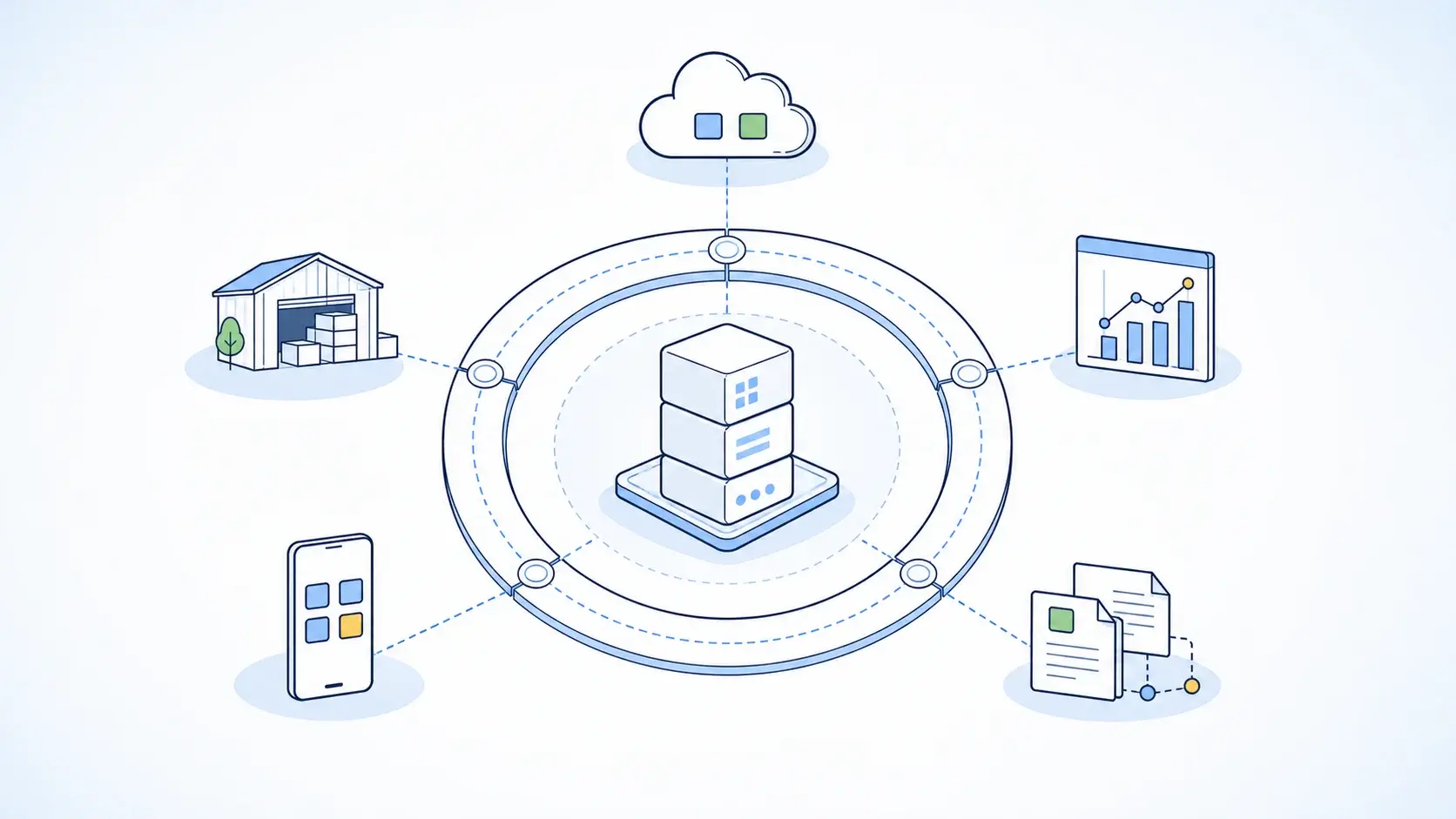
To achieve high touchless processing rates, modern SAP environments connect ingestion, document extraction, workflow orchestration, and core ledger execution through a structured cloud-and-core architecture.

End-to-End Enterprise System Architecture

Architecture Layer

Core SAP Component

Primary Technical Function

1. Inbound Capture Layer

Email, PDF, Peppol EDI, SAP Ariba, Vendor Portals

Receives invoice documents across structured and unstructured formats.

2. Central Workspace Layer

SAP Central Invoice Management / SAP VIM

Provides centralized inbound ingestion, document side-by-side previews, and exception workspaces.

3. AI Processing Layer

SAP Document Information Extraction (DOX)

Applies OCR, machine learning, and SAP Business AI algorithms for field and line-item extraction.

4. Orchestration Layer

SAP Build Process Automation / SAP BTP

Executes non-PO approval workflows, tolerance escalations, and automated business rules.

5. Core Execution Layer

SAP S/4HANA Finance

Validates three-way matching, posts directly to ACDOCA Universal Journal, and triggers payment runs.

6. Compliance Layer

SAP Document and Reporting Compliance

Ensures electronic audit trails and direct API submission for UK HMRC MTD and global e-invoicing mandates.

SAP Solutions for Accounts Payable Automation

SAP offers specialized cloud services, native core applications, and strategic partner extensions to handle invoice automation across varying deployment models (S/4HANA Cloud, S/4HANA Private Edition, On-Premise, and multi-ERP environments).

SAP Central Invoice Management

Delivered on SAP Business Technology Platform (SAP BTP), SAP Central Invoice Management provides a cloud-native inbound invoice processing hub. It is specifically designed for enterprises operating complex, multi-system environments (e.g., multiple SAP S/4HANA systems, legacy SAP ECC instances, or non-SAP ERPs).

  • Key Capabilities: Centralized invoice ingestion, side-by-side document previews, embedded AI data extraction, and consolidated exception monitoring across all connected ERP systems.
  • Best Use Case: Shared Service Centers (SSCs) managing Accounts Payable for global enterprises with multiple corporate entities and fragmented ERP landscapes.

SAP Vendor Invoice Management (VIM) by OpenText

SAP Vendor Invoice Management (VIM) by OpenText is an established solution for invoice automation within SAP ECC and SAP S/4HANA on-premise and private cloud setups. Embedded directly inside the SAP core, VIM provides advanced optical character recognition (OCR), pre-configured exception handling channels, and extensive approval hierarchies.

  • Key Capabilities: Deep ABAP core integration, specialized OCR engines, comprehensive document processing dashboards, and extensive pre-built workflows for complex line-item matching.
  • Best Use Case: Large enterprise organizations running SAP S/4HANA Private Edition or legacy SAP ECC with heavy on-premise processing requirements.

Comparison: SAP Central Invoice Management vs. SAP Vendor Invoice Management (VIM)

Architectural Vector

SAP Central Invoice Management (CIM)

SAP Vendor Invoice Management (VIM by OpenText)

Deployment Model

Cloud-native SaaS on SAP BTP

Embedded ABAP application inside SAP Core / Private Cloud

System Scope

Multi-ERP (Connects multiple S/4HANA, ECC, & non-SAP systems)

Single-instance SAP system focus

AI Extraction Engine

Native SAP Document Information Extraction (DOX)

OpenText OCR / Information Extraction Service (IES)

Extensibility Model

Clean Core architecture via BTP extensions

In-core ABAP extensions and custom enhancement spots

Target Architecture

S/4HANA Cloud, RISE with SAP, and hybrid multi-system environments

On-Premise S/4HANA, Private Cloud, and legacy SAP ECC

SAP Document Information Extraction (DOX)

An AI foundation service running on SAP BTP, SAP Document Information Extraction uses machine learning models to extract structured data from unstructured business documents (PDF invoices, purchase orders, payment advices).

  • Key Capabilities: Pre-trained extraction models for global invoice formats, header and line-item table parsing, automatic enrichment using SAP master data, and continuous self-learning algorithms that improve extraction accuracy over time.

SAP Ariba Invoice Management

SAP Ariba Invoice Management focuses on supplier-side collaboration and electronic invoice capture via the SAP Business Network.

  • Key Capabilities: Direct e-invoicing, automated "PO-Flip" (converting digital purchase orders into valid invoices instantly), contract compliance checks, and self-service vendor portals where suppliers track payment status.

SAP Build Process Automation

SAP Build Process Automation combines low-code/no-code workflow orchestration, Robotic Process Automation (RPA), and decision management into a unified platform on SAP BTP.

  • Key Capabilities: Drag-and-drop creation of invoice approval workflows, automated escalation rules, mobile Fiori push notifications, and RPA bots that execute repetitive tasks in legacy systems.

SAP Business AI and SAP Joule

SAP embeds artificial intelligence directly into core financial workflows:

  • SAP Business AI: Machine learning capabilities analyze historical posting patterns to predict GL account coding for non-PO invoices, optimize line-item matching confidence, and flag anomalous invoice submissions before payment execution.
  • SAP Joule: SAP's generative AI copilot allows AP clerks to interact using conversational natural language (e.g., "Joule, show me all blocked supplier invoices with price variances exceeding £1,000").

How SAP Invoice Automation Works: Step-by-Step

Transforming an unstructured vendor invoice into a touchless financial posting requires a synchronized series of automated steps executed across the SAP technology stack.

End-to-End Automated Processing Stages

Stage

Process Phase

Operational Execution in SAP

1

Multi-Channel Ingestion

Inbound capture from PDF emails, Peppol EDI, SAP Ariba, and paper scans.

2

AI Document Extraction

Machine learning parsing of header and line items via SAP Document Information Extraction.

3

Automated Validation

Database verification of Business Partner records, VAT IDs, and duplicate checks.

4

Three-Way Matching

Automated reconciliation of PO vs. Goods Receipt vs. Billed Invoice with tolerance rules.

5

Workflow Routing

Non-PO and exception routing via SAP Build Process Automation to mobile Fiori apps.

6

Financial Posting

Real-time general ledger entry in SAP S/4HANA Universal Journal (ACDOCA).

7

Payment Execution

Automated payment run scheduling (F110) and transmission via SAP Multi-Bank Connectivity.

Step 1: Multi-Channel Invoice Ingestion

The system captures inbound invoices centrally from PDF email attachments, structured EDI/XML streams (Peppol, UBL), supplier network uploads (SAP Ariba), and scanned paper batches.

Step 2: AI-Based Document Extraction

Inbound PDF and image invoices are processed by SAP Document Information Extraction. Machine learning algorithms identify document context, extracting header fields (Vendor Name, Tax ID, Invoice Date, Invoice Number, Total Amount) and line-item details (Material Numbers, Billed Quantities, Unit Prices).

Step 3: Automated Invoice Validation

Extracted data is verified against the central SAP database to validate vendor Business Partner records, confirm tax registration numbers, and check for duplicate invoice submissions across identical amounts and dates.

Step 4: Three-Way Matching & Tolerance Checks

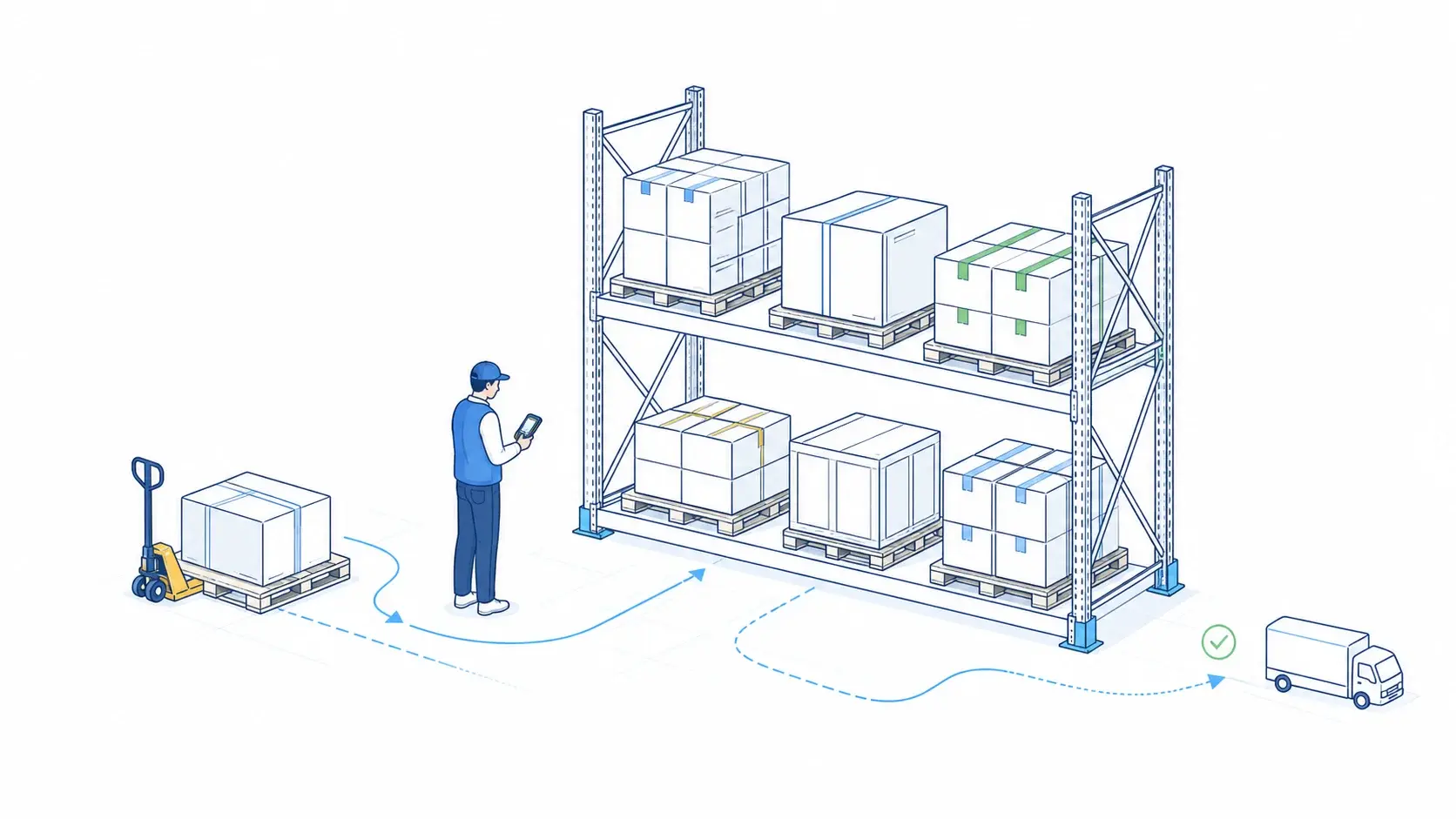
For purchase-order-based invoices, the automated matching engine reconciles three core records:

Record Document

Key Data Parameters Reconciled

Automated Matching Criteria

Purchase Order (SAP PO)

Ordered Quantity (e.g., 100) & Agreed Unit Price (e.g., £50)

Line Item Price Match: Invoice price = PO price.

Goods Receipt (SAP GR)

Physically Received Quantity (e.g., 100)

Quantity Match: Invoice quantity = GR quantity.

Vendor Invoice

Billed Quantity (e.g., 100) & Billed Unit Price (e.g., £50)

3-Way Alignment: PO = GR = Invoice within tolerances.

If variances fall within pre-configured SAP tolerance limits, the invoice clears automatically. If price or quantity discrepancies exceed tolerances, a payment block (e.g., Block Reason 'R') is applied, and the document is routed for exception resolution.

Step 5: Workflow Approval Automation

Non-PO invoices and blocked items are routed automatically through SAP Build Process Automation. Business managers review invoice previews and line-item details on mobile devices or via the SAP Fiori Launchpad, executing single-click approvals or rejections.

Step 6: Financial Posting into S/4HANA

Upon approval, the invoice posts directly into the Universal Journal (ACDOCA) in SAP S/4HANA Finance. General Ledger accounts and Accounts Payable sub-ledgers update in real time without manual keying.

Step 7: Touchless Payment Execution

Approved invoices enter the automated payment pipeline (transaction F110 or SAP Payment Engine). Payment files are generated in electronic formats (ISO 20022 XML, Bacs, SEPA) and transmitted securely via SAP Multi-Bank Connectivity.

UK Regulatory and Compliance Frameworks

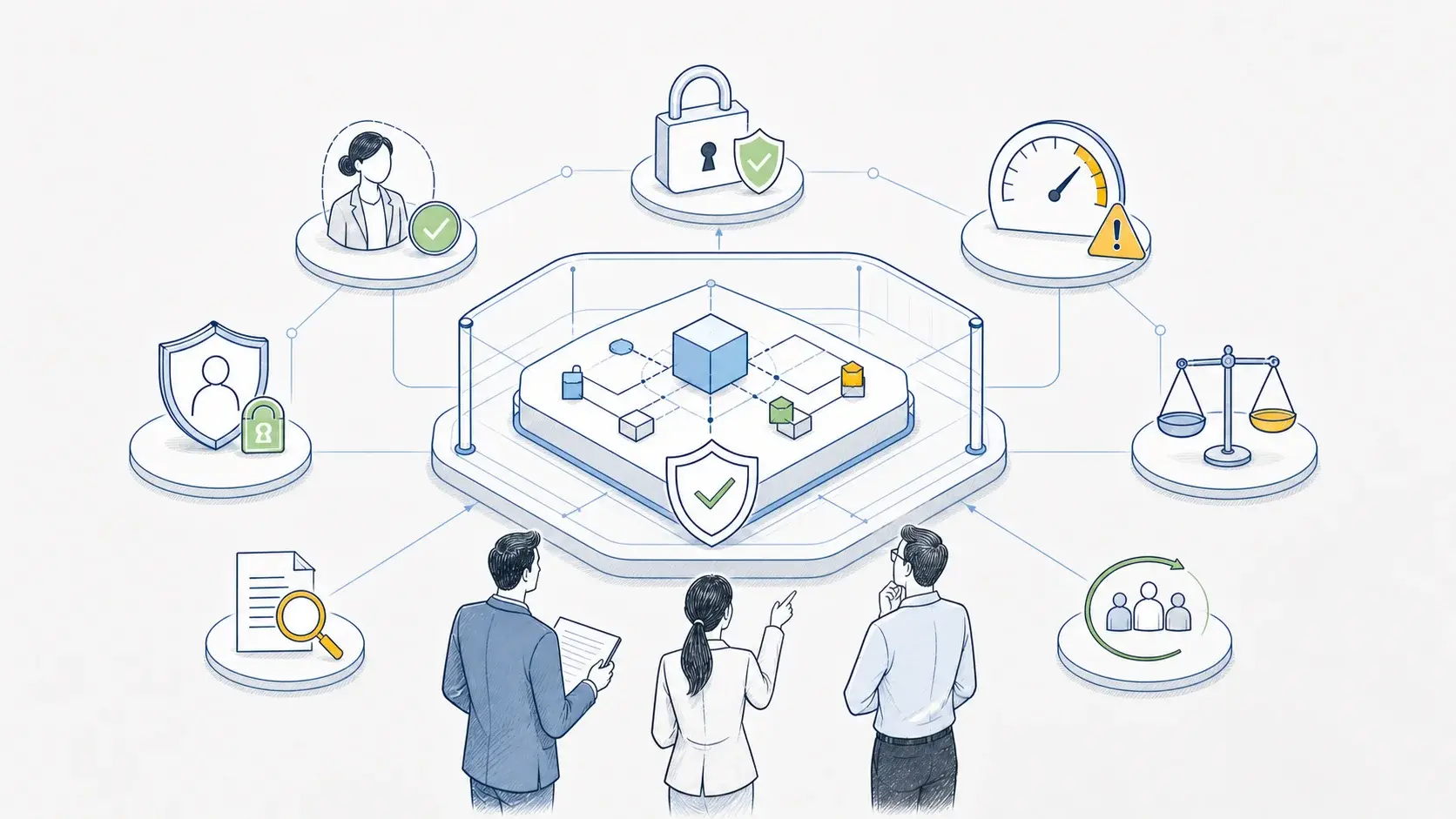
UK enterprises operating accounts payable workflows must adhere to specific statutory tax and electronic invoicing standards. SAP invoice automation embeds compliance directly into the processing pipeline:

  • HMRC Making Tax Digital (MTD): UK VAT reporting requires an unbroken digital audit trail from invoice receipt through to tax return submission. SAP invoice automation captures digital invoice data without manual spreadsheet intervention, feeding directly into SAP Document and Reporting Compliance for HMRC API submissions.
  • Peppol e-Invoicing Network: The UK National Health Service (NHS) and broader UK public sector bodies mandate electronic invoicing via the Peppol network. SAP integrates natively with Peppol access points to process structured XML e-invoices automatically.
  • UK Prompt Payment Code & Statutory Reporting: UK large businesses are required to report payment performance metrics bi-annually. Automated invoice processing accelerates cycle times, ensuring compliance with payment terms and improving reporting metrics.
  • UK GDPR Data Residency: Cloud invoice processing services hosted on SAP BTP utilize UK hyperscaler regions (AWS London / Microsoft Azure UK South), maintaining full alignment with UK GDPR and local data protection laws.

Business Benefits of SAP Invoice Automation

Implementing automated accounts payable processing delivers measurable operational value:

Business Impact Area

Manual AP Processing

SAP Automated Invoice Processing

Processing Cost

£8.00 – £12.00 per invoice

£1.50 – £2.50 per invoice (Up to 80% reduction)

Cycle Duration

10 – 15 business days

1 – 3 days (Touchless items cleared in hours)

Touchless Rate

0% – 5% manual keying

60% – 85%+ touchless execution

Duplicate Prevention

Manual spot-checking

100% real-time database validation

Early Payment Discounts

< 20% captured due to delays

90%+ captured via rapid approvals

Audit Readiness

Days spent pulling paper archives

Instant digital audit trails in S/4HANA

Note: Figures are indicative benchmarks and may vary depending on business processes, SAP landscape, invoice volumes, and automation scope.

Common Challenges and SAP Solutions

Enterprise Accounts Payable operations encounter complex real-world scenarios. Modern SAP architectures resolve typical operational bottlenecks:

  • Unstructured Vendor PDF Layouts: Rather than relying on rigid coordinate templates, SAP Document Information Extraction uses context-aware machine learning models to identify header fields and line-item tables accurately regardless of document layout.
  • Non-PO Service Invoices: SAP Business AI analyzes historical posting data to predict General Ledger accounts and cost center coding automatically, routing documents to managers via SAP Build Process Automation.
  • Multi-ERP Landscapes: SAP Central Invoice Management provides a single BTP workspace to ingest, validate, and monitor invoices across multiple SAP S/4HANA, SAP ECC, and non-SAP ERP systems.

Best Practices for Successful Implementation

To maximize touchless processing rates and project ROI, enterprise finance teams should follow these implementation best practices:

  1. Enforce a "No PO, No Pay" Policy: Drive procurement through standard SAP purchasing workflows to maximize three-way matching rates.
  2. Clean Vendor Master Data: Validate supplier records in SAP Business Partner prior to go-live, removing duplicate accounts, verifying tax IDs, and standardizing IBANs.
  3. Adopt a Clean Core Strategy: Build custom approval workflows and third-party extensions on SAP BTP rather than modifying standard SAP ERP core code.
  4. Onboard High-Volume Suppliers First: Transition high-volume suppliers to direct electronic channels (SAP Business Network / Peppol) for immediate 100% extraction accuracy, reserving AI OCR for long-tail PDF suppliers.
  5. Monitor Operational AP KPIs: Track touchless processing percentages, first-pass extraction accuracy, and cycle times using native SAP Fiori analytics dashboards.

Why Choose LeverX for SAP Invoice Automation

Executing an SAP invoice automation project requires a partner that combines deep financial architecture expertise with technical mastery across the SAP ecosystem.

As an official SAP Gold Partner and Global System Integrator with over 20 years of technical engineering excellence, LeverX helps mid-market and enterprise organizations streamline Accounts Payable, implement AI-driven document processing, and achieve touchless operations.

Key Capabilities of the LeverX Service Offering

Service Area

Delivery Focus & Core Scope

AP Readiness & Assessment

Inbound channel analysis, vendor master data evaluation, and automation architecture design.

End-to-End Implementation

Deployment of SAP Central Invoice Management, DOX, Build Process Automation, and S/4HANA Finance.

Clean Core & BTP Extensions

Custom iFlow engineering on SAP BTP to connect third-party platforms without modifying standard core code.

Change Management & Enablement

User enablement programs for AP specialists, procurement teams, and business approvers.

Managed Application Services (AMS)

24/7 technical support, extraction confidence threshold tuning, and continuous SAP optimization.

Frequently Asked Questions (FAQ)

What is SAP invoice automation?

SAP invoice automation refers to using digital workflows, Optical Character Recognition (OCR), Intelligent Document Processing (IDP), and AI technologies to ingest, extract data from, validate, approve, and post vendor invoices directly into an SAP ERP system (such as SAP S/4HANA or SAP ECC) with minimal or zero manual human intervention.

Does SAP S/4HANA have native invoice automation?

Yes. SAP S/4HANA provides native Accounts Payable capabilities within the SAP Fiori Launchpad, including supplier invoice management, automated three-way matching, tolerance handling, workflow approvals, and seamless integration with SAP BTP services for AI document extraction.

What is the difference between SAP VIM and SAP Central Invoice Management?

SAP Vendor Invoice Management (VIM) by OpenText is an ABAP-based solution embedded directly inside the SAP core, ideal for single-instance, on-premise, or private cloud environments. SAP Central Invoice Management is a cloud-native SaaS solution running on SAP BTP designed to centralize invoice inbound processing across complex multi-ERP landscapes (SAP and non-SAP).

What SAP solution reads PDF invoices?

SAP Document Information Extraction (a cloud service on SAP BTP) reads PDF and image invoices using machine learning and OCR. It parses unstructured header fields and line-item tables contextually, feeding structured data into SAP S/4HANA or SAP Central Invoice Management.

What is touchless invoice processing?

Touchless invoice processing describes an end-to-end scenario where an incoming invoice is captured, extracted, matched against a Purchase Order (PO) and Goods Receipt (GR) within pre-set tolerance rules, and posted to the General Ledger without any manual intervention by AP personnel.

What is three-way invoice matching in SAP?

Three-way matching is an automated security control in SAP that compares data across three documents before approving an invoice for payment:

  1. The Purchase Order (PO) (ordered quantities and agreed prices)
  2. The Goods Receipt (GR) (physically received quantities)
  3. The Vendor Invoice (billed quantities and prices)

If quantities and prices match within defined tolerance limits, SAP posts and releases the invoice automatically.

How does SAP invoice automation support UK HMRC Making Tax Digital (MTD)?

Automated invoice workflows capture digital invoice records without manual spreadsheet keying, providing an unbroken digital audit trail. Structured tax data is passed to SAP Document and Reporting Compliance for automated VAT calculation and direct HMRC API submission.

https://leverx.com/en-gb/newsroom/sap-invoice-automation-uk
Don't miss out on valuable insights and trends from the tech world
Subscribe to our newsletter.

Body-1