UK enterprise finance, tax, and IT leadership teams face a rapidly shifting regulatory environment. Her Majesty’s Revenue and Customs (HMRC) continues to expand its Making Tax Digital (MTD) initiative, transforming tax compliance from a periodic, manual accounting routine into a mandatory, end-to-end digital process. For organizations operating on SAP S/4HANA, meeting MTD mandates is no longer just about generating a VAT return - it requires an integrated, fully auditable digital pipeline from transactional posting to API submission.
Many large enterprises still rely on legacy workarounds: exporting data from SAP, manipulating spreadsheets, and uploading CSV files through third-party bridging software. While these methods may have offered short-term relief during early MTD phases, they violate HMRC’s strict rules on digital links, introduce severe compliance risks, and create significant manual overhead. In an era of continuous digital tax reporting, real-time audits, and regulatory evolution, tax compliance must be built directly into the digital core.
This guide provides a comprehensive blueprint for implementing native, automated Making Tax Digital workflows within SAP S/4HANA using SAP Document and Reporting Compliance (DRC), SAP Business Technology Platform (SAP BTP), and SAP Business AI.
SAP Making Tax Digital (MTD): Complete Guide for UK Companies Using SAP S/4HANA
Executive Summary and Key Takeaways
Making Tax Digital is no longer a simple tax submission requirement; it is an enterprise digital transformation imperative. HMRC’s strict enforcement of VAT Notice 700/22 mandates that all data transfers across the tax pipeline must occur via uncorrupted digital links.
Utilizing manual spreadsheets or uncertified custom middleware exposes organizations to audit findings, financial penalties, and operational friction. By adopting a native cloud-compliant architecture powered by SAP S/4HANA and SAP Document and Reporting Compliance (DRC), UK enterprises achieve continuous compliance, protect their Clean Core ERP strategy, and build a future-proof foundation for upcoming global tax mandates such as e-invoicing and real-time reporting.
Key Takeaways
- Digital links are mandatory: HMRC requires an unbroken digital audit trail from source transactions through to VAT submission.
- Native SAP automation reduces compliance risk: SAP S/4HANA, SAP DRC, and SAP BTP eliminate reliance on spreadsheets and third-party bridging software while supporting direct API submissions to HMRC.
- Making Tax Digital supports a Clean Core strategy: Tax compliance can be embedded into standard SAP processes without introducing unnecessary customisations to the ERP core.
- The same architecture supports future regulatory requirements: A modern SAP tax platform provides a foundation for e-invoicing, Continuous Transaction Controls (CTCs), and additional digital reporting initiatives.
- Automation delivers business value beyond compliance: Integrated tax reporting improves audit readiness, reduces manual effort, increases reporting accuracy, and enables finance teams to focus on higher-value activities rather than repetitive tax administration.
Need SAP MTD implementation support? Our experts can help you build a compliant solution
What Is Making Tax Digital (MTD)?
Making Tax Digital (MTD) is HMRC’s programme to modernise the UK tax system by replacing manual tax reporting with fully digital record-keeping and electronic submissions. Under MTD, businesses must maintain digital tax records and submit VAT returns directly to HMRC using compatible, API-enabled software.
Core MTD Compliance Requirements
- Digital record-keeping: Businesses must maintain VAT records electronically rather than relying on paper records or manual spreadsheets.
- Digital links: VAT data must move through the reporting process via unbroken digital links, without manual copying or rekeying.
- API-based submissions: VAT returns must be filed directly with HMRC through MTD-compatible software using secure APIs.
- Auditability: Organisations must be able to trace submitted VAT figures back to the underlying financial transactions.
HMRC introduced Making Tax Digital to reduce the UK tax gap - the difference between the tax that should be collected and the amount actually received. A significant portion of this gap has historically been attributed to manual errors, spreadsheet-based processes, and inconsistent record-keeping.
Under VAT Notice 700/22, HMRC explicitly prohibits manual intervention, such as copy-pasting or re-entering data, between systems used in the VAT reporting process. Every transfer of information - from source transactions and the general ledger through to VAT calculations and the final HMRC submission - must be connected by a compliant digital link. This requirement makes end-to-end automation an essential part of enterprise VAT compliance rather than simply a technology enhancement.
Why MTD Matters Beyond Compliance
For enterprise organisations, Making Tax Digital should not be viewed only as a reporting obligation. It provides an opportunity to modernise tax processes, improve data quality, and accelerate finance transformation.
By embedding MTD capabilities into SAP, organisations can move from manual tax activities towards a more automated and scalable operating model.
MTD is only one step in the broader digital transformation of tax reporting. The same SAP architecture can support future initiatives such as e-invoicing, Continuous Transaction Controls (CTCs), ESG reporting, and real-time tax reporting. Rather than treating MTD as a standalone compliance project, leading organizations use MTD as the foundation for long-term finance and tax transformation.
Read our guide on SAP Preparation for UK E-Invoicing to explore how organisations can prepare their SAP environment for the next phase of digital compliance:
Which Businesses Must Comply?
Making Tax Digital requirements continue to expand across the UK business landscape as HMRC extends digital reporting obligations to additional taxpayer groups.
Currently, all VAT-registered businesses with taxable turnover above the registration threshold must comply with MTD for VAT requirements, including maintaining digital records and submitting VAT returns through approved digital channels.
Enterprise organizations should pay particular attention if they operate:
- Multiple legal entities or subsidiaries with separate VAT registrations;
- Complex supply chains requiring accurate tax data management across business units;
- Cross-border operations with multiple reporting obligations;
- Joint ventures or shared finance processes requiring standardized compliance controls.
Expanding Future Scope: MTD for Income Tax
HMRC's compliance roadmap extends beyond VAT. Making Tax Digital for Income Tax Self Assessment (ITSA) introduces quarterly digital reporting requirements for self-employed individuals and landlords, with phased implementation beginning in April 2026.
For enterprise organizations with complex corporate structures, joint ventures, or subsidiary partnerships, implementing a standardized, automated tax reporting architecture within SAP today provides a scalable foundation for future HMRC digital reporting requirements as they continue to evolve.
Why Traditional VAT Reporting No Longer Works
Historically, enterprise tax departments managed VAT returns through manual offline routines. Finance teams extracted raw trial balance data from legacy ERPs, imported it into complex Excel workbooks, applied manual adjustments, and uploaded aggregated figures through standalone web portals or bridging tools.
In today's regulatory environment, this legacy approach introduces significant operational and compliance risks. Every spreadsheet export, manual adjustment, or offline reconciliation increases the likelihood of errors, reduces audit transparency, and weakens the digital audit trail required by HMRC.
Legacy Spreadsheet Workflows vs. Native SAP Automation
Moving from manual tax processes to SAP automation changes how organizations manage VAT compliance. The key difference is not only faster reporting, but improved control, transparency, and scalability.
| Legacy Spreadsheet Workflows | Native SAP Automation | |
| Data Management | Manual exports, spreadsheet adjustments, and disconnected systems | Data captured and processed directly within SAP |
| VAT Reporting | Time-consuming preparation and manual reconciliation | Automated calculation, validation, and submission workflows |
| Audit Trail | Requires manual tracking across multiple files and systems | Complete digital traceability from transactions to HMRC submission |
| Compliance Risk | Higher risk of errors, missing data, and inconsistent reporting | Automated controls and validation reduce compliance risks |
| Scalability | Increasing manual effort as business complexity grows | Supports multiple entities, processes, and future regulatory requirements |
The biggest productivity gains come from shifting finance professionals away from repetitive data preparation toward higher-value activities such as tax analysis, planning, and exception management.
By automating routine compliance activities, organizations can spend less time collecting and validating data and more time using insights to improve financial decision-making.
How SAP Supports Making Tax Digital
SAP provides native support for UK MTD requirements through SAP DRC, integrated directly with SAP S/4HANA and SAP ECC. Instead of relying on third-party bridging software, organizations can manage VAT reporting and regulatory submissions within a single SAP-based compliance framework.
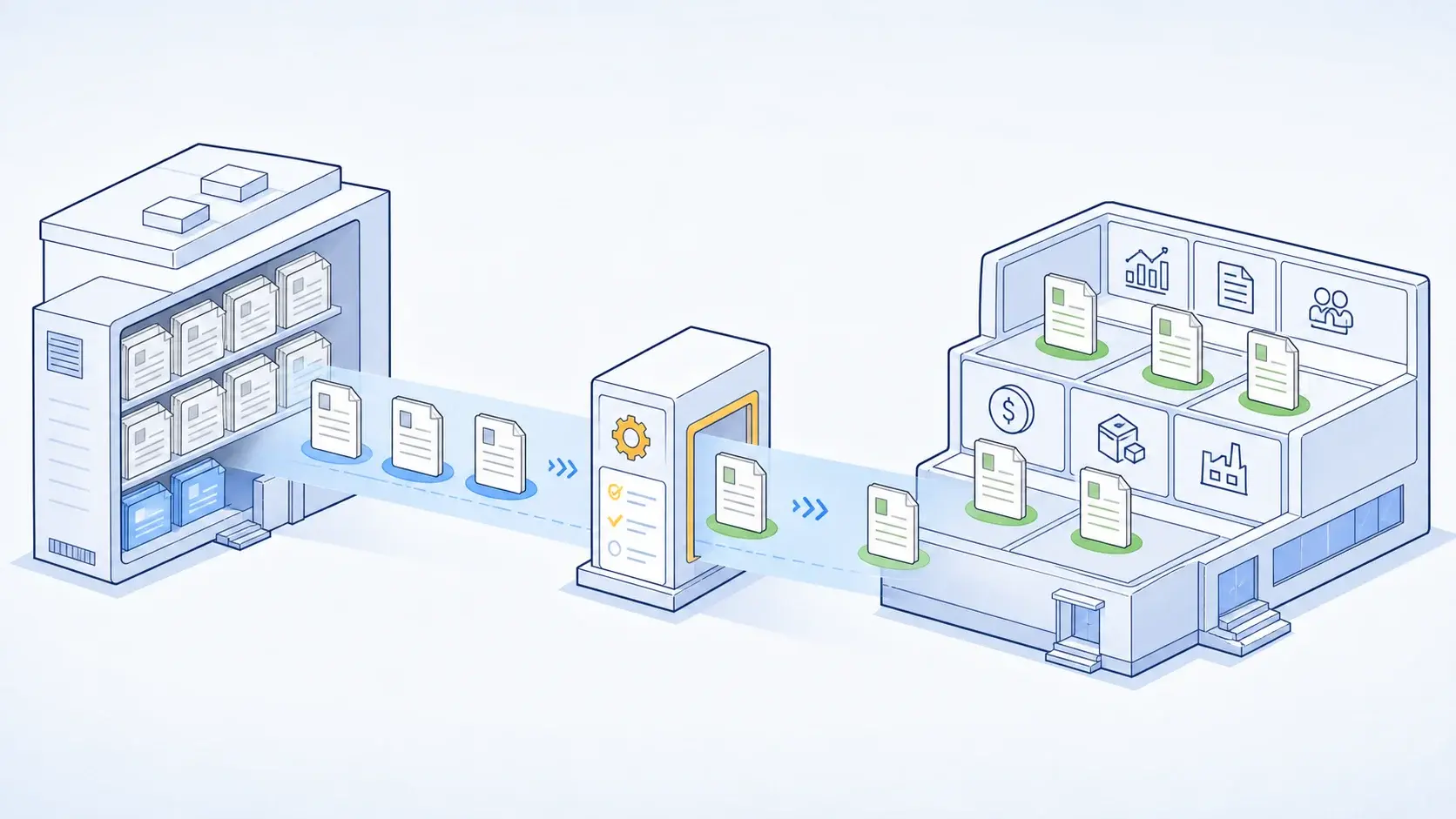
During day-to-day business operations, SAP automatically captures the digital records required for VAT reporting from transactions such as sales invoices, purchase invoices, and general ledger postings. At the end of each reporting period, SAP DRC consolidates the relevant data, performs automated validation checks, generates the official 9-box VAT Return, and securely submits it to HMRC via certified API integration.
This approach helps organizations reduce manual effort, improve data accuracy, maintain a complete digital audit trail, and support ongoing compliance with HMRC's Making Tax Digital requirements.
SAP MTD Technical Architecture
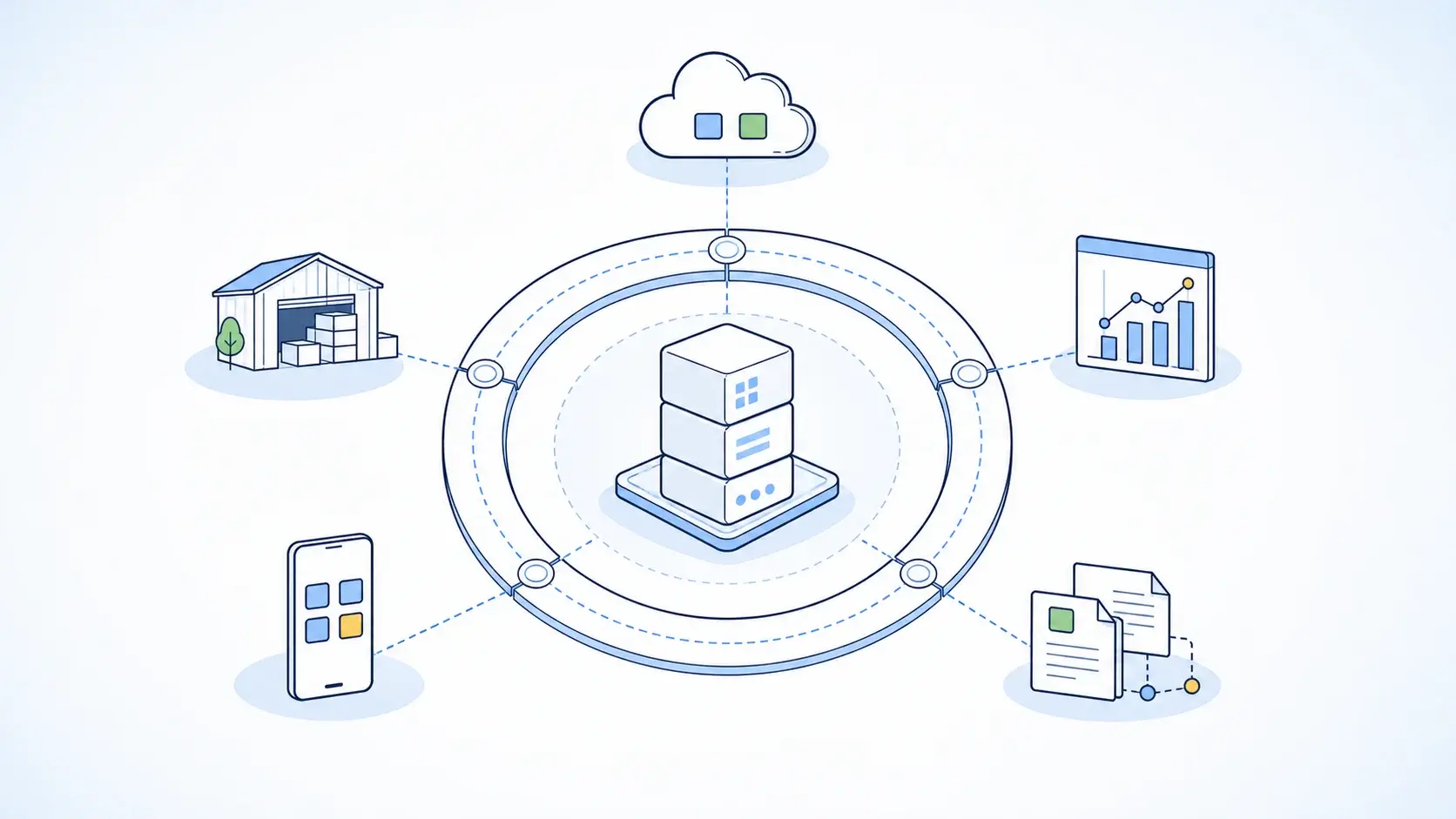
To support these capabilities, SAP delivers a layered architecture that separates transactional processing, statutory reporting, and regulatory communication. This approach aligns with SAP's Clean Core strategy while providing a scalable foundation for future tax and compliance requirements.
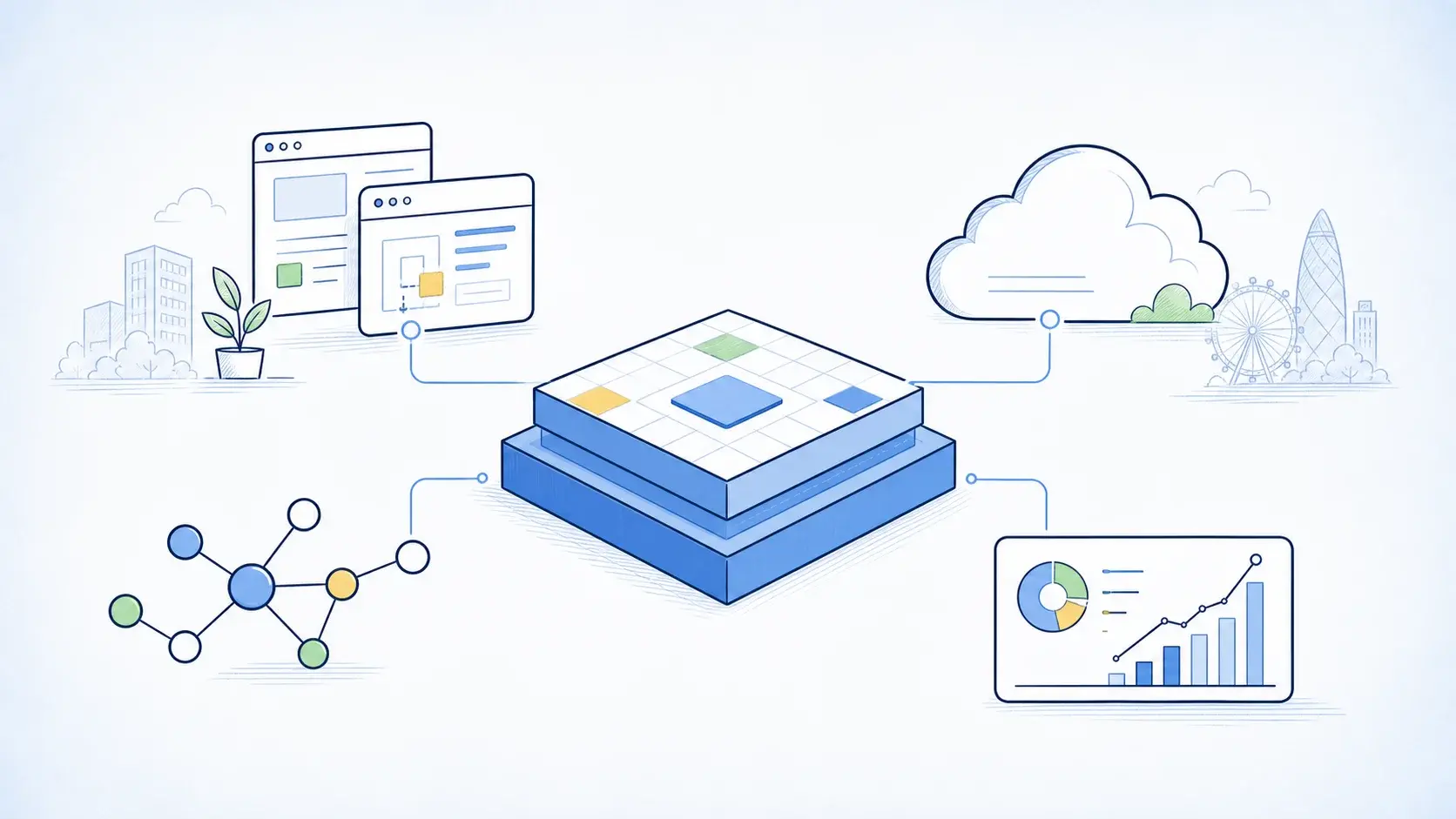
Building a resilient, enterprise-grade Making Tax Digital solution involves three core SAP components working together:
Architectural Layer Analysis
Each architectural layer has a distinct responsibility:
- SAP S/4HANA (or SAP ECC) serves as the system of record, where financial and tax-relevant transactions are created.
- SAP DRC applies statutory tax logic, validates reporting data, and generates the VAT return.
- SAP SAP BTP provides secure API-based communication with HMRC for electronic submission.
This separation of responsibilities simplifies maintenance, supports future SAP upgrades, and helps organizations remain compliant as HMRC continues to expand its digital reporting requirements.
How MTD Reporting Works in SAP: Workflow Blueprint
Executing a Making Tax Digital VAT submission in SAP S/4HANA follows a fully auditable, step-by-step digital process:
MTD Reporting Workflow
1. Transaction Processing
Business transactions, including sales invoices, purchase invoices, and financial postings, are recorded in SAP S/4HANA or SAP ECC through standard business processes.
2. VAT Calculation and Digital Records
SAP automatically calculates VAT based on configured tax rules and stores all tax-relevant data required by HMRC.
3. VAT Return Preparation
At the end of the reporting period, SAP DRC consolidates transactional data, generates the official 9-box VAT Return, and performs automated validation checks.
4. Electronic Submission to HMRC
After approval, SAP securely submits the VAT return to HMRC through certified API integration via SAP BTP.
5. Confirmation and Audit Trail
HMRC returns an electronic submission confirmation, while SAP records the filing status and maintains a complete audit trail for future compliance and audits.
Need Help Automating Your UK Tax Compliance?
Eliminate compliance risk and modernize your tax reporting with LeverX. Our certified SAP Finance and DRC specialists help UK enterprise organizations implement fully automated, HMRC-compliant Making Tax Digital workflows.
How SAP Business AI Improves MTD Compliance
Artificial intelligence has evolved from simple data extraction into an active compliance safeguard. By embedding SAP Business AI, SAP Build Process Automation, and SAP Joule directly into S/4HANA Finance workflows, enterprise tax departments transition from manual data keying to automated exception management.
Key AI Use Cases for MTD
1. AI-Powered Tax Anomaly Detection
Rather than reviewing thousands of posted invoices manually at month-end, machine learning models continuously analyze transactional attributes within ACDOCA. The system automatically flags:
- Inconsistent or mismatched VAT codes on Accounts Payable invoices;
- Unexpected tax rates applied to specific product material groups;
- Duplicate vendor invoices or double-claimed Input VAT;
- Missing or malformed customer/supplier VAT registration numbers.
2. Predictive Compliance Monitoring
SAP Business AI continuously evaluates current tax period postings against historical filing trends. If the system detects abnormal variance swings—such as an unexplained 25% increase in Box 1 Output Tax or an abnormal decline in Box 4 Input VAT—it triggers proactive alerts before the return is generated, preventing post-filing HMRC inquiries.
3. Intelligent Document Processing
Utilizing Document Information Extraction on SAP BTP, incoming supplier invoices (PDFs, paper scans, or e-invoices) are automatically parsed, classified, and matched against purchase orders. Machine learning algorithms assign the correct UK tax codes automatically, reducing manual keying errors in AP by up to 85%.
4. Natural Language Tax Conversations via SAP Joule
Finance leaders can query tax ledgers conversationally using SAP Joule. Instead of building custom BI reports or navigating complex S/4HANA tables, users can ask natural language questions directly inside their SAP Fiori dashboard:
"Joule, why has Box 4 Input VAT increased by 18% compared to Q2?"
"Joule, show me all vendor invoices contributing to Box 6 over £100,000 with zero-rated tax codes."
Why AI Matters in Tax Operations
Artificial intelligence does not replace tax specialists. Instead, it reduces manual validation work, identifies high-risk transactions earlier, and allows finance teams to focus on judgment rather than repetitive controls.
Step-by-Step SAP MTD Implementation Roadmap
A successful Making Tax Digital implementation requires a structured approach that combines SAP configuration, tax process alignment, data preparation, and compliance validation.
SAP MTD Implementation Phases
Phase 1: Assessment and Readiness Review
Evaluate the current SAP landscape, VAT processes, reporting requirements, and compliance gaps. Identify the required SAP DRC capabilities and integration points with HMRC.
Phase 2: Solution Design and Configuration
Configure SAP Document and Reporting Compliance, VAT reporting processes, tax rules, and submission workflows based on business and regulatory requirements.
Phase 3: Data and Master Data Preparation
Review and optimize tax-relevant master data, including VAT registrations, tax codes, business partner information, and reporting structures.
Phase 4: Testing and Validation
Perform end-to-end testing of VAT calculations, reporting outputs, HMRC submission scenarios, and exception handling processes.
Phase 5: Deployment and Support
Deploy the solution into production, support user adoption, and establish ongoing monitoring processes to ensure continuous MTD compliance.
Implementation Roadmap Analysis
Implementation timelines and costs vary depending on the complexity of your SAP landscape, VAT processes, data readiness, and integration requirements.
Typical SAP MTD implementation costs range from €25,000 to €75,000 for standard scenarios, while more complex enterprise environments with multiple entities, integrations, and additional compliance requirements may require a larger investment.
Organizations that begin with a structured readiness assessment and master data review typically achieve faster deployments, smoother go-lives, and fewer post-implementation issues.
Contact our SAP experts for a tailored assessment and implementation estimate based on your SAP environment and MTD requirements.
SAP DRC vs. Bridging Software vs. Custom Development
When evaluating how to meet HMRC MTD mandates, enterprise architecture teams frequently compare native SAP DRC against custom middleware or legacy bridging solutions.
Strategic Solution Matrix
| SAP DRC | Bridging Software | Custom Dev | |
| Integration | Native SAP integration | Requires additional connection layer | Fully custom integration |
| Data and Audit Trail | Complete visibility within SAP | Data transfer between systems | Depends on custom solution design |
| Scalability | Designed for enterprise SAP landscapes | Limited by third-party capabilities | Requires ongoing development |
| Maintenance | Supported within SAP roadmap | Additional vendor dependency | Higher support effort |
Architectural Choice Analysis
Choosing an alternative approach may help organizations meet basic MTD requirements faster, but it can introduce additional risks in the long term.
Bridging solutions often require data extraction and reconciliation between SAP and external platforms, which increases dependency on manual checks, creates additional maintenance effort, and may limit scalability as reporting requirements evolve.
Custom development provides flexibility but requires ongoing investment in development, support, and updates whenever HMRC requirements change.
For enterprise organizations, SAP DRC provides a more sustainable approach by keeping compliance processes within SAP, reducing technical complexity, improving auditability, and supporting future digital reporting requirements.
Common Implementation Challenges and Remediation
Enterprise tax projects frequently encounter technical and operational hurdles. Applying proven best practices during project design prevents costly delays:
Key Challenges and Best Practices
1. Manual Data Transfers and Spreadsheet Dependencies
Challenge: Many organizations still rely on spreadsheets, CSV exports, and manual data adjustments, creating risks of errors and incomplete audit trails.
Remediation: Maintain end-to-end digital data flows within SAP and eliminate manual handoffs wherever possible.
2. Inconsistent Tax Data and Configuration Issues
Challenge: Outdated VAT codes, incorrect tax settings, or inconsistent master data can lead to inaccurate reporting.
Remediation: Regularly review tax configurations, master data, and reporting rules to ensure accuracy.
3. Limited Pre-Filing Validation Controls
Challenge: Errors are often identified only after VAT returns are prepared, increasing the risk of delays or HMRC queries.
Remediation: Implement automated validation checks in SAP DRC to identify missing data, unusual variances, and potential compliance issues before submission.
4. Lack of Clear Ownership and Approval Processes
Challenge: Without defined roles and controls, VAT preparation and submission processes may lack proper governance.
Remediation: Establish role-based approvals and clear responsibilities between finance, tax, and IT teams.
5. Changing Regulatory Requirements
Challenge: HMRC requirements and digital reporting standards continue to evolve, requiring organizations to adapt their systems.
Remediation: Monitor regulatory updates and maintain a flexible SAP architecture that can support future compliance needs.
6. Audit Readiness and Historical Data Management
Challenge: Organizations must be able to provide accurate records and submission history during audits.
Remediation: Maintain complete digital audit trails, submission confirmations, and supporting documentation within SAP.
The main challenges in MTD implementation are rarely related to VAT calculation itself. Instead, organizations often face risks caused by fragmented processes, inconsistent data, and reliance on manual controls.
By combining SAP automation with effective governance practices, organizations can improve compliance, simplify audit processes, and create a scalable foundation for future digital tax requirements.
UK Statutory and Compliance Framework
Deploying Making Tax Digital within SAP S/4HANA helps organizations align their tax processes with key UK regulatory and compliance requirements:
- HMRC Making Tax Digital Requirements: Requires VAT-registered businesses to maintain digital records and submit VAT returns through approved digital channels, reducing reliance on manual processes.
- VAT Notice 700/22: Defines requirements for maintaining unbroken digital links throughout the VAT reporting process and minimizing manual data transfers.
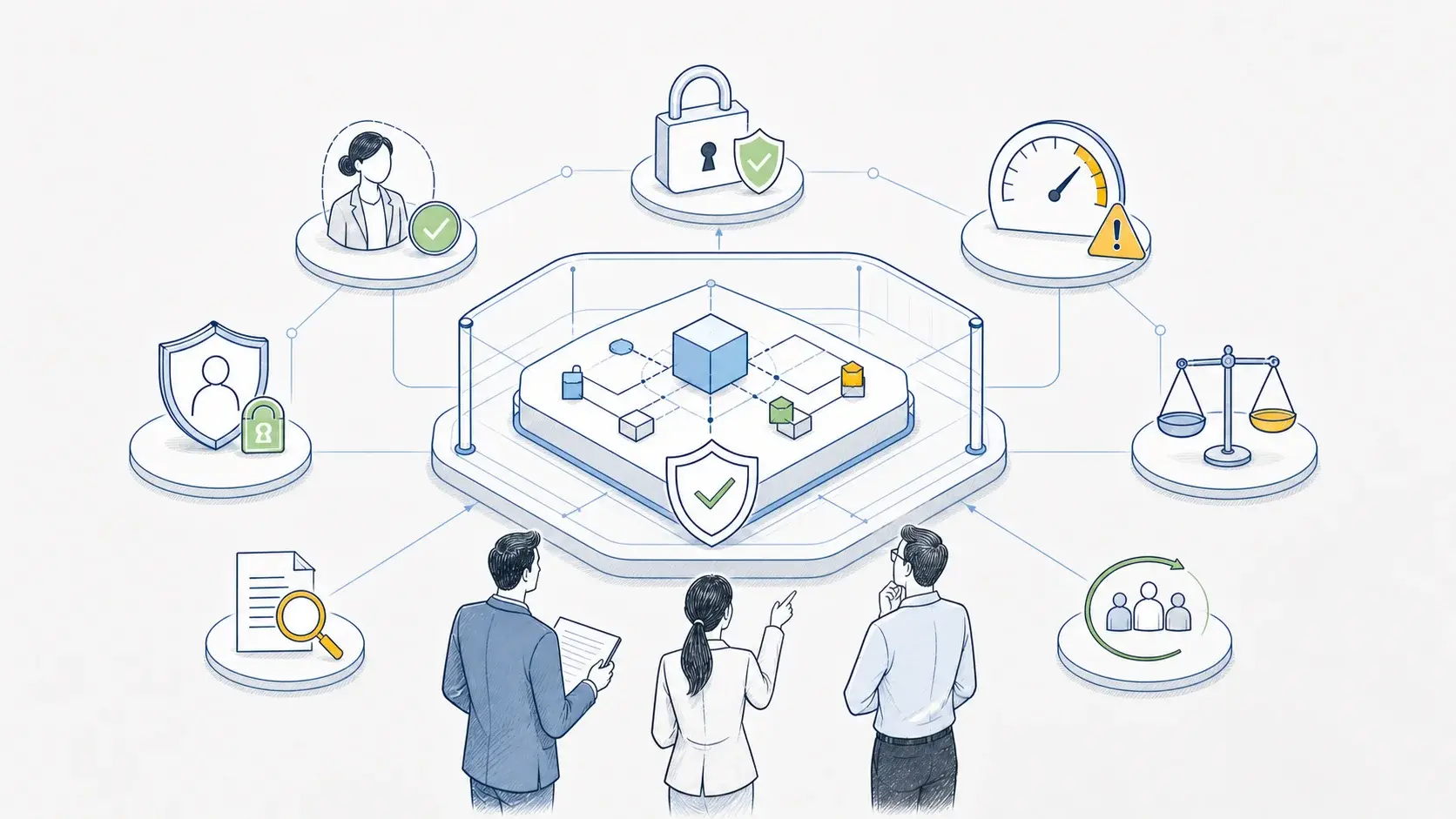
- UK General Data Protection Regulation (UK GDPR): Ensures appropriate protection of financial and personal data through access controls, security measures, and compliant data handling practices.
- Companies Act 2006: Requires organizations to maintain accurate financial records, support statutory reporting obligations, and ensure audit readiness.
- Audit Trail Transparency: Ensures that every VAT return value (Box 1–9) can be traced back to the underlying transactions, invoices, and accounting documents.
Disclaimer: The information provided in this section is for technical and operational guidance purposes only and does not constitute formal legal or tax advice. Organizations should consult qualified tax professionals to ensure compliance with their specific statutory requirements.
Quantifiable Business Benefits
Transitioning from manual tax filing to native, automated SAP tax compliance delivers measurable operational improvements, reduces compliance risks, and creates a more scalable tax operating model.
Key Business Benefits
- Reduced Manual Effort: Automating VAT data collection, validation, and submission reduces time spent on repetitive compliance activities and manual reconciliations.
- Improved Data Accuracy: Automated tax calculations and validation rules help identify inconsistencies earlier and reduce the risk of reporting errors.
- Faster Compliance Cycles: Streamlined workflows enable finance teams to prepare, review, and submit VAT returns more efficiently.
- Enhanced Audit Readiness: A complete digital audit trail provides greater transparency and simplifies internal and external audit processes.
- Scalable Compliance Operations: SAP automation enables organizations to support growing business complexity, additional entities, and future digital tax requirements without increasing manual workload.
Productivity Gains Analysis
The biggest productivity gains come from shifting finance professionals away from repetitive data preparation toward higher-value activities such as tax analysis, planning, and exception management.
By automating routine compliance tasks, tax teams can spend less time collecting and reconciling data and more time using insights to support business decisions.
Industry Use Cases
Advanced Manufacturing
Manufacturing organisations often operate across multiple plants, legal entities, and VAT registrations, creating complex tax reporting requirements. High volumes of supplier invoices, intercompany transactions, and different tax treatments can make manual VAT consolidation time-consuming and difficult to audit.
SAP DRC enables organisations to consolidate relevant tax data directly from SAP S/4HANA, maintain digital links throughout the reporting process, and automate VAT return preparation before submission to HMRC.
Business Outcome: Faster VAT reporting cycles, improved audit readiness, and reduced dependency on manual tax preparation activities.
Retail and FMCG
Retail and FMCG organisations process large volumes of daily transactions across multiple sales channels, including stores, e-commerce platforms, and third-party marketplaces. Different VAT treatments and high transaction volumes increase the risk of tax coding errors and reconciliation challenges.
SAP DRC helps connect transactional finance data with statutory reporting processes, improving VAT accuracy and providing greater transparency before HMRC submission.
Business Outcome: More reliable VAT reporting, fewer manual reconciliations, and improved control over high-volume transaction environments.
Financial Services and Banking
Financial institutions often manage complex VAT structures, including partial exemption calculations, multiple entities, and strict regulatory requirements. Traditional spreadsheet-based approaches can create additional compliance risks and limit audit transparency.
SAP DRC provides a structured framework for statutory reporting by connecting tax calculations with SAP financial data and maintaining traceability from reported figures back to underlying transactions.
Business Outcome: Stronger compliance governance, improved audit transparency, and greater confidence in VAT reporting accuracy.
The Future of UK Digital Tax Reporting
HMRC isn't stopping with VAT. The UK digital tax roadmap is expanding into broader, real-time tax enforcement:
- Wider Income Tax Rollout (MTD for ITSA): Expanding digital reporting mandates to self-employed individuals and landlords starting April 2026.
- Corporation Tax Digitization: Expected future initiatives requiring digital record-keeping and API reporting for corporate income tax.
- Real-Time Transactional Reporting: Shifting from periodic quarterly summaries to continuous, transaction-level data streaming directly to tax gateways.
- Global E-Invoicing Alignment: Aligning UK trade with global e-invoicing standards (such as Peppol and EU ViDA) requiring real-time B2B digital invoice clearance.
Future Readiness Analysis
Investing in SAP DRC today is not only about achieving MTD compliance - it is about creating a long-term digital tax foundation.
Organisations that embed tax reporting capabilities directly into SAP can achieve:
- Continuous regulatory readiness: A structured SAP compliance architecture allows organisations to adapt faster as HMRC introduces new digital reporting requirements.
- Reduced future transformation costs: Building on SAP DRC, SAP S/4HANA, and SAP BTP reduces the need for separate compliance projects every time new tax obligations emerge.
- Stronger audit transparency: Integrated digital records provide clear traceability from statutory reports back to underlying financial transactions.
- Scalable global compliance capabilities: The same architecture can support future requirements such as e-invoicing, Continuous Transaction Controls (CTCs), and international digital reporting models.
- Protection of the SAP Clean Core strategy: Using SAP-standard compliance capabilities helps organisations avoid custom solutions that increase technical debt and limit future innovation.
By implementing SAP DRC as part of a broader finance transformation strategy, organisations move beyond meeting today’s MTD requirements and create a flexible compliance platform designed for the future evolution of digital taxation.
Why Choose LeverX for Your SAP MTD Transformation
Implementing a future-ready SAP tax compliance architecture requires more than configuring reporting tools. Organisations need a partner that combines SAP S/4HANA expertise, regulatory understanding, integration capabilities, and experience delivering complex enterprise transformations.
As an SAP Gold Partner and Global System Integrator with more than 20 years of SAP experience, LeverX helps organisations design, implement, and optimise SAP landscapes that support UK tax compliance requirements and future digital reporting initiatives.
Core LeverX SAP MTD Capabilities
| Capability | Business Value |
| SAP Gold Partner Expertise | Proven SAP delivery experience across complex enterprise environments, supporting organisations throughout assessment, implementation, and optimisation phases. |
| Fortune 500 Enterprise Experience | Experience supporting large global organisations with complex SAP landscapes, multi-country operations, and demanding regulatory requirements. |
| SAP Center of Excellence (CoE) | Dedicated SAP expertise across architecture, implementation, integration, and continuous improvement, ensuring consistent delivery standards and long-term platform optimisation. |
| SAP DRC & Tax Compliance Expertise | Experience implementing SAP Document and Reporting Compliance solutions to support UK MTD requirements and broader global tax reporting mandates. |
| SAP S/4HANA Finance Expertise | Deep knowledge of SAP Finance architecture, Universal Journal (ACDOCA), tax configuration, reporting structures, and multi-entity environments. |
| Clean Core SAP Architecture | Designs SAP BTP-based extensions and integrations that protect the ERP core while enabling business-specific innovation. |
| UK Regulatory Alignment | Supports compliance requirements related to HMRC MTD, VAT reporting, audit transparency, UK GDPR, and statutory reporting processes. |
| Application Management Services (AMS) | Provides ongoing optimisation, system monitoring, SAP release management, compliance updates, and operational support after go-live. |
Conclusion
Making Tax Digital is reshaping how UK organizations manage tax compliance. For SAP S/4HANA customers, the objective is no longer simply submitting VAT returns on time but establishing an integrated digital tax platform that supports automation, audit readiness, and future regulatory change.
By combining SAP S/4HANA Finance, SAP Document and Reporting Compliance, SAP Business Technology Platform, and SAP Business AI, businesses can replace fragmented manual processes with a scalable, compliant, and future-ready operating model. As HMRC continues expanding digital reporting requirements, organizations that invest in a Clean Core architecture today will be significantly better positioned to adapt without costly redevelopment.
Common Questions About SAP MTD Compliance
Can I still use spreadsheets for MTD compliance?
Spreadsheets can only be used if they are connected to other systems via uncorrupted digital links (such as automated API macros or digital bridging tools). Manual copy-pasting or rekeying between spreadsheets violates HMRC VAT Notice 700/22.
Is bridging software still an acceptable long-term solution?
While bridging software satisfies minimum legal submission requirements, it represents a temporary workaround. Bridging tools do not provide transaction-level drill-downs, fail to optimize tax data quality, and create system fragmentation. Enterprise organizations should adopt native SAP DRC for long-term scalability.
Does SAP DRC replace the need for tax specialists?
No. SAP DRC automates data aggregation, digital link enforcement, pre-filing validation, and API submission. It frees tax specialists from repetitive data gathering, allowing them to focus on exception review, strategic tax planning, and audit management.
Can SAP file directly with HMRC without third-party tools?
Yes. Using SAP Document and Reporting Compliance (DRC) and SAP BTP Integration Suite, SAP S/4HANA establishes a direct, OAuth 2.0-authenticated REST API connection to HMRC endpoints, executing direct filings without any third-party software.
What happens when HMRC updates its MTD API specifications?
When HMRC modifies its API specifications, security parameters, or submission schemas, SAP delivers updated localized software packages out of the box as part of standard software maintenance, ensuring continuous system compliance without custom developer effort.
Does SAP support MTD for VAT Groups (multi-company filing)?
Yes. SAP DRC includes native Group Reporting capabilities that automatically consolidate tax line items across multiple distinct SAP company codes, maintaining digital link integrity while generating a single aggregated Box 1–9 return for HMRC submission.
How does SAP Business AI improve VAT compliance?
SAP Business AI scans transactional line items in real time to catch incorrect tax codes, detect duplicate vendor invoices, and flag unusual Box 1–9 variance swings before returns are filed, reducing audit risk and manual review workloads.
Do I need SAP BTP for MTD compliance?
Yes. SAP BTP acts as the secure integration gateway that routes communication between your internal SAP S/4HANA ERP core and HMRC’s external APIs, managing OAuth 2.0 tokens, mTLS certificates, and encrypted payload delivery.
Disclaimer: This guide is provided for general informational purposes only and does not constitute legal, tax, or implementation advice. Actual SAP MTD requirements, timelines, and outcomes depend on each organisation’s systems, processes, and regulatory obligations. Organisations should seek appropriate professional advice before making compliance or technology decisions.