Preparing your SAP landscape for future UK e-invoicing mandates requires transitioning from unstructured formats - such as email attachments and flat PDFs - to structured, machine-readable digital data exchange (XML, UBL, Peppol).
By configuring SAP Document and Reporting Compliance (DRC), automating accounts payable (AP) and accounts receivable (AR) workflows, and enforcing a Clean Core strategy on SAP BTP, UK enterprises can achieve full compliance, reduce manual processing costs, and establish a future-proof finance architecture.
Following the HMRC consultation and Autumn Budget confirmations, mandatory structured e-invoicing for all UK Value Added Tax (VAT)-registered B2B and B2G transactions will take effect from April 1, 2029. With the UK adopting a decentralized, standards-based model underpinned by the Peppol network, enterprise finance and IT leaders must adapt their SAP ERP software to meet strict machine-readable file formats, automated validation checks, and electronic audit trail requirements.
This guide outlines the regulatory shifts in the UK e-invoicing landscape, evaluates SAP compliance tools, details the step-by-step implementation workflow, and provides an enterprise architecture roadmap for SAP S/4HANA and legacy SAP ECC environments.
Executive Summary and Strategic Takeaways
- The UK Regulatory Timeline: Structured electronic invoicing becomes mandatory for all UK VAT-registered businesses for B2B and B2G transactions on April 1, 2029. The UK government confirmed Peppol as the core interoperability framework.
- PDFs Are Not E-Invoices: Unstructured PDFs and scanned documents require OCR or human extraction. True e-invoicing mandates the direct exchange of structured data (e.g., UBL/XML via Peppol) directly between financial accounting systems.
- The Core SAP Engine: SAP DRC acts as the central compliance engine, creating, sending, receiving, and monitoring electronic documents natively within SAP S/4HANA Finance.
- Extensibility via Clean Core: Custom validation rules, regional tax adapters, and government platform integrations are built on SAP Business Technology Platform (SAP BTP) to preserve an unmodified digital core.
Ready to Prepare Your SAP System for UK E-Invoicing Mandates?
Ensure your enterprise ERP is fully compliant, scalable, and automated with LeverX. Discover how our certified SAP Finance and DRC specialists help UK organizations streamline invoice workflows, establish Peppol connectivity, and maintain Clean Core architectures.
What Is E-Invoicing and Why Does It Matter for UK Enterprises?
E-invoicing (electronic invoicing) is the automated, system-to-system exchange of structured invoice data between a seller's billing software and a buyer's accounts payable system.
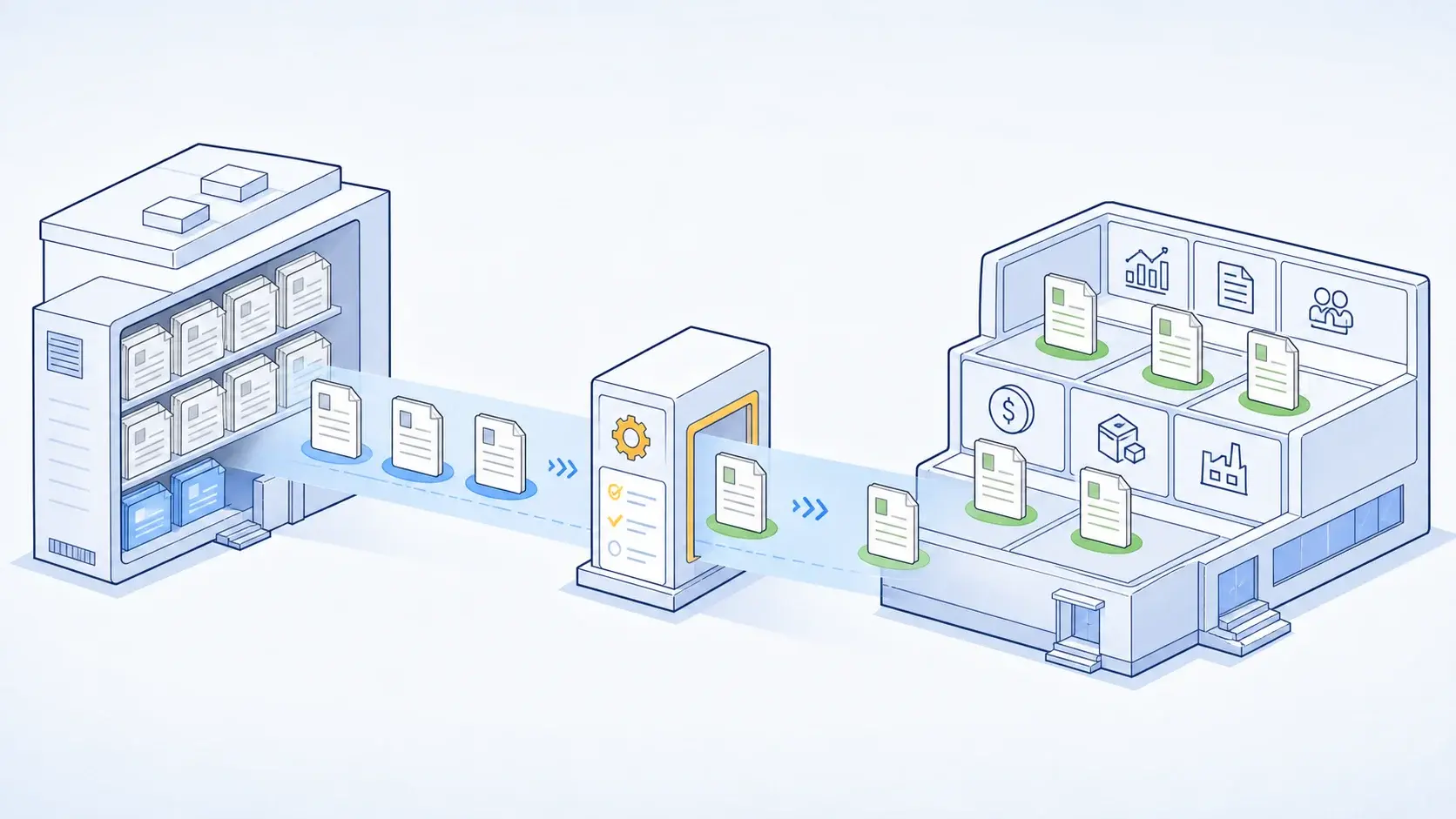
Unlike traditional digital invoices - such as human-readable PDF attachments or scanned images - a compliant e-invoice carries structured, machine-readable data (formatted in XML or UBL standards) that can be ingested, validated, and posted automatically without manual data entry.
The key difference between traditional invoice processing and e-invoicing is how invoice data moves through the business. While PDF-based invoices typically require manual handling or OCR extraction, structured e-invoices enable automated validation, faster processing, and seamless integration with SAP systems.
Architectural Evolution: PDF Invoices vs. Compliant E-Invoicing
|
Architectural Layer |
Traditional Digital Invoices (Non-Compliant) |
Structured E-Invoicing (Compliant Target State) |
|
Document Data Format |
Unstructured PDF, TIFF image, or email body text. |
Structured, machine-readable XML / UBL data stream. |
|
Data Ingestion Engine |
Manual keying or fallible Optical Character Recognition (OCR). |
Direct, automated system-to-system digital exchange. |
|
Pre-Posting Validation |
Post-processing manual checks; errors detected late. |
Automated pre-posting validation against SAP master records. |
|
Ledger Posting Mechanism |
Manual data entry into SAP by AP specialists. |
Automatic posting into Universal Journal (ACDOCA). |
|
Audit Trail Traceability |
Disconnected PDF attachments in email archives. |
Immutable, integrated digital audit trail in SAP. |
The Death of "Digital PDFs"
Historically, many UK businesses moved away from paper invoices by adopting PDF-based invoice exchange. While this reduced physical document handling, PDFs still required additional processing - either through Optical Character Recognition (OCR) tools or manual data entry by Accounts Payable teams.
Structured e-invoicing removes this additional step by allowing invoice data to flow directly between business systems. Information such as supplier details, tax values, invoice amounts, and line-item data can be automatically captured, validated, matched against Purchase Orders (POs) and Goods Receipts (GRs), and processed within SAP ERP.
For enterprises running SAP S/4HANA, e-invoicing provides the foundation for a more automated Accounts Payable process with improved efficiency, stronger compliance, and greater visibility across the procure-to-pay lifecycle.
The UK E-Invoicing Regulatory Landscape (2026–2029)
The UK e-invoicing framework sits within His Majesty’s Revenue and Customs' (HMRC) broader Making Tax Digital (MTD) strategy. Following extensive consultations, the UK government has aligned its digital tax roadmap with broader international frameworks, such as the European Union's VAT in the Digital Age (ViDA) initiative.
The transition towards structured e-invoicing is expected to follow a phased approach, with key regulatory and technical milestones shaping adoption across UK businesses:
Regulatory Milestones and Compliance Timeline
|
Regulatory Phase |
Target Timeline |
Legal & Technical Scope |
|
B2G NHS Mandate |
Active (Since 2019) |
Mandatory structured e-invoicing via the Peppol network for suppliers doing business with the NHS and broader public sector. |
|
Technical Roadmap Release |
Budget 2026 |
Publication of final technical specifications, interoperability standards, and legal file schemas by HMRC. |
|
Pilot and Testing Phase |
2027 – 2028 |
Enterprise sandbox testing, supplier ecosystem onboarding, and ERP access point integrations. |
|
Full B2B and B2G Mandate |
April 1, 2029 |
Mandatory structured e-invoicing for all UK VAT-registered businesses issuing VAT invoices. |
The Decentralized Peppol Four-Corner Model
Unlike countries that deploy a centralized government "clearance platform" (where every invoice must pass through a government portal before reaching the customer), the UK has adopted a decentralized, market-led model.
Under this structure - resembling the Peppol Four-Corner Model - businesses connect to certified Access Points:
|
Peppol Corner |
Entity / System |
Core Responsibilities in E-Invoicing Pipeline |
|
Corner 1 |
Seller (Supplier) |
Generates structured UBL/XML invoice directly from SAP ERP. |
|
Corner 2 |
Seller's Access Point |
Validates XML schema and transmits data securely over Peppol. |
|
Corner 3 |
Buyer's Access Point |
Receives encrypted payload and verifies digital signature. |
|
Corner 4 |
Buyer (Customer) |
Ingests structured invoice directly into SAP S/4HANA for auto-posting. |
Current Challenges with Traditional Invoice Processing
Despite the growing adoption of digital finance technologies, many UK enterprises still rely on invoice processes built around emails, PDFs, spreadsheets, and manual approval workflows. While these methods have replaced paper in many cases, they still require significant human intervention, create processing bottlenecks, and limit visibility across finance operations.
For organisations running SAP environments, these challenges become more complex when managing high invoice volumes, multiple entities, international suppliers, and evolving e-invoicing compliance requirements. Manual data capture, delayed validation, and disconnected approval processes increase operational costs and create risks around accuracy, payment delays, and audit readiness.
The shift towards SAP-enabled e-invoicing addresses these limitations by introducing structured data exchange, automated validation, and real-time integration with SAP S/4HANA Finance:
Operational Impact Matrix: Traditional vs. SAP Automated E-Invoicing
|
Operational Challenge |
Traditional Invoice Handling |
SAP Automated E-Invoicing Target State |
|
Document Formats |
Unstructured PDFs, email bodies, paper scans. |
Structured UBL/XML files (Peppol BIS Billing 3.0). |
|
Data Ingestion |
Manual keying or fallible OCR scanning. |
Straight-through digital processing into SAP core. |
|
Validation & Errors |
Manual checks; delayed error detection. |
Automated pre-posting validation against vendor master data. |
|
Payment Cycles |
10 to 15 days; approval bottlenecks. |
1 to 3 days; touchless three-way matching and auto-posting. |
|
Audit & Compliance |
Fragmented email archives; risk of missing audit trails. |
Immutable digital audit trail logged in SAP S/4HANA Finance. |
|
Multi-Entity Scale |
Disconnected ERP systems; manual intercompany billing. |
Centralized multi-entity orchestration via SAP DRC. |
How SAP Supports UK E-Invoicing Compliance
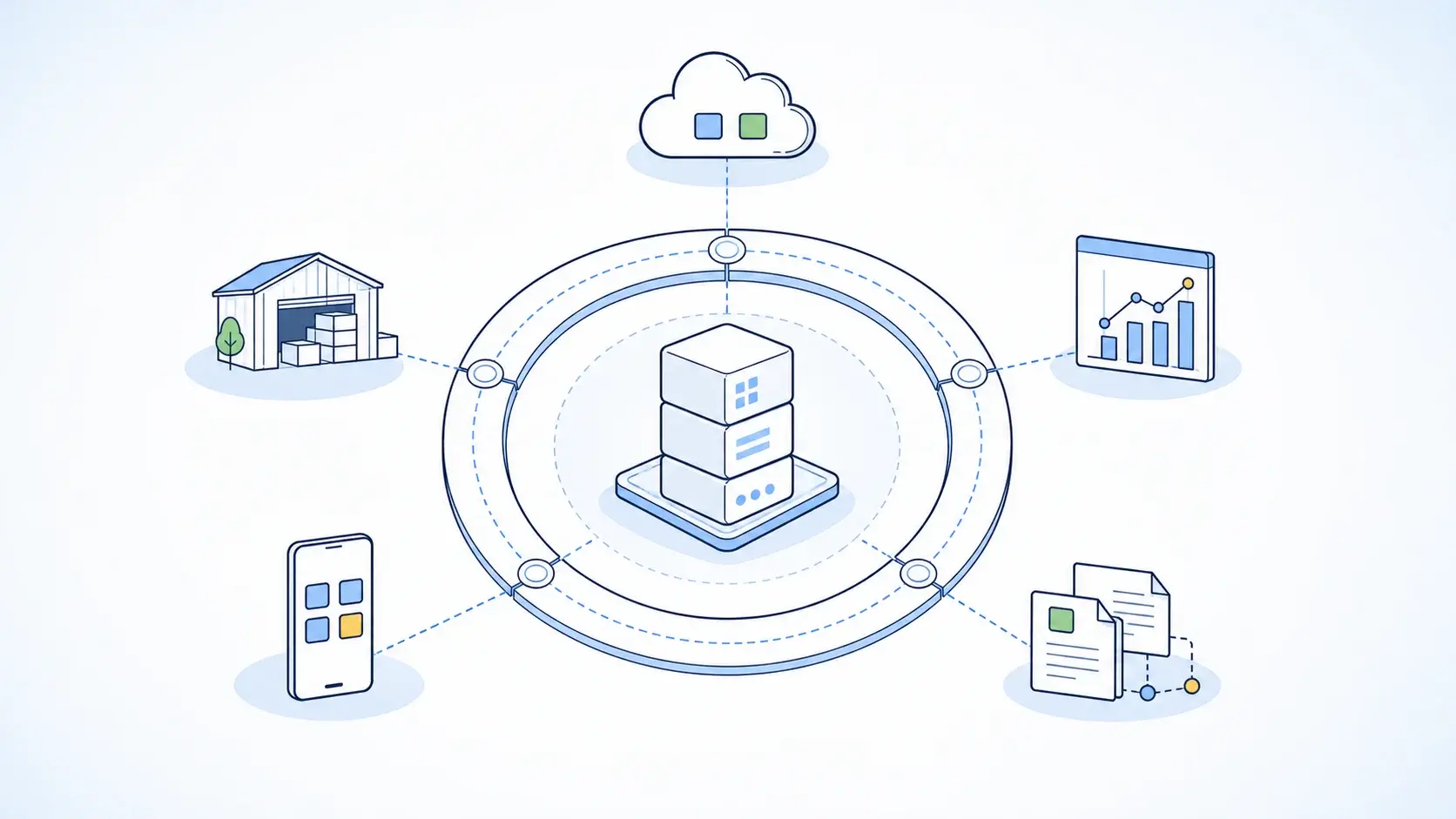
SAP provides a comprehensive technology foundation for UK e-invoicing adoption, enabling organisations to create, exchange, validate, and manage electronic documents while maintaining a clean and scalable ERP architecture.
Rather than replacing the SAP digital core, modern e-invoicing capabilities extend existing SAP S/4HANA processes through dedicated compliance, integration, and automation layers. This allows finance teams to meet evolving regulatory requirements while improving invoice accuracy, reducing manual processing, and maintaining full audit visibility.
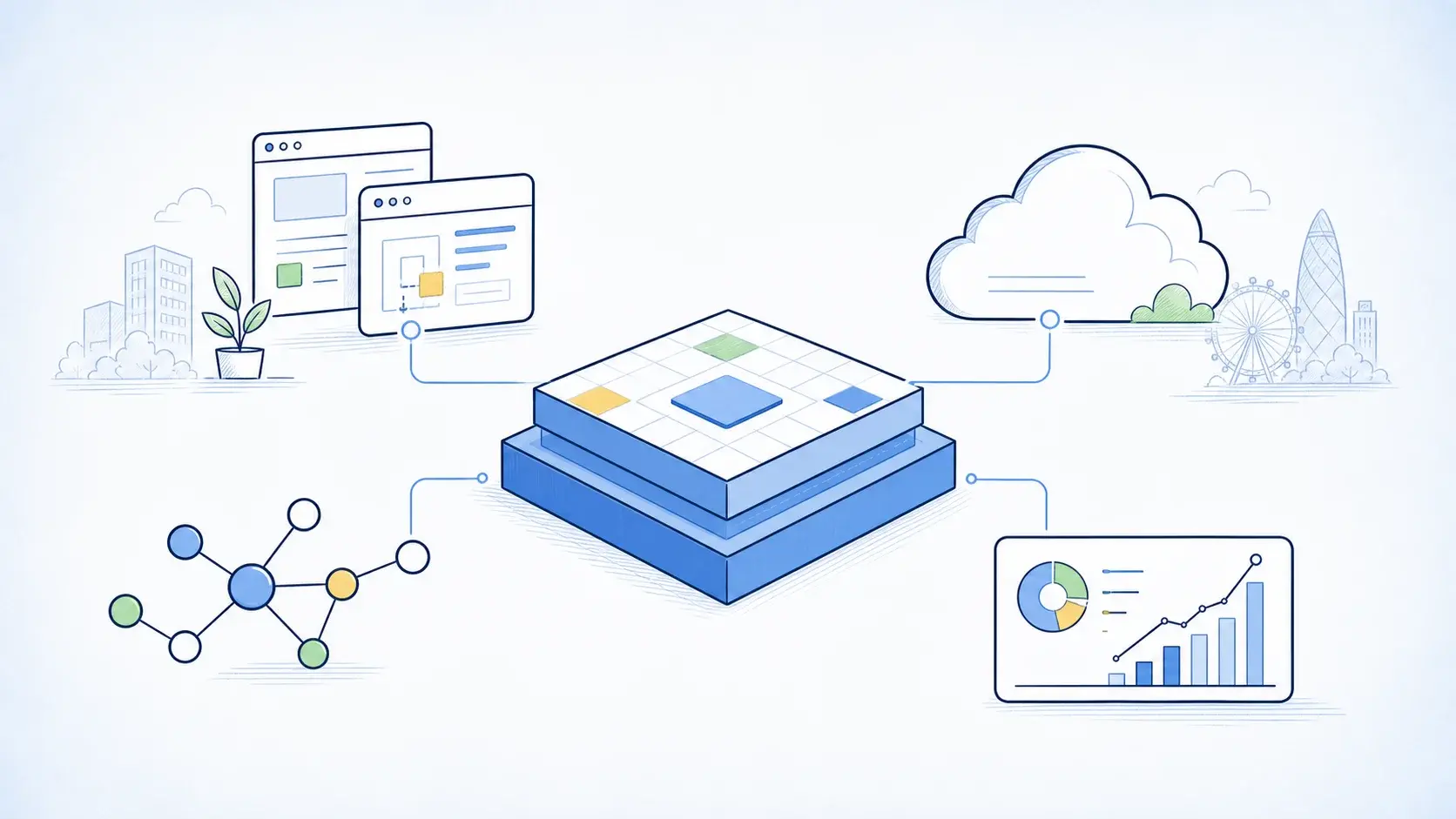
Enterprise SAP E-Invoicing Architecture Layers
|
Architecture Layer |
SAP Solution Component |
Primary System Role |
|
Analytics Layer |
Real-time working capital dashboards, AP aging, & compliance analytics. |
|
|
Compliance Engine |
E-document generation, real-time validation, & statutory tax filings. |
|
|
Integration Layer |
Clean Core extensions, Peppol Access Point connectors, & API orchestration. |
|
|
ERP Digital Core |
Central ledger (ACDOCA), Business Partner records, & payment runs. |
SAP Document and Reporting Compliance (DRC)
SAP DRC is SAP's primary solution for global electronic document exchange and statutory reporting. Embedded directly within SAP S/4HANA and available for SAP ECC, DRC acts as a single compliance engine across global tax jurisdictions.
Core Capabilities of SAP DRC:
- End-to-End E-Document Management: Automatically creates outbound XML invoices directly from billing runs and ingests inbound e-invoices directly into Accounts Payable.
- Real-Time Validation: Verifies structured payloads against official HMRC schema definitions, tax rates, and vendor Business Partner records prior to posting.
- Peppol Network Access: Connects natively to certified Peppol Access Points, enabling seamless B2G and B2B communication across the UK and international markets.
- Unified Compliance Dashboard: Provides a centralized Fiori workspace for tax and finance teams to monitor transmission statuses, resolve exceptions, and execute statutory VAT filings.
SAP S/4HANA Finance Integration
SAP S/4HANA Finance acts as the financial execution core. By recording all financial transactions in the Universal Journal (ACDOCA), SAP S/4HANA eliminates the need for sub-ledger reconciliations.
- Automated Three-Way Matching: Inbound e-invoices are matched automatically against Purchase Orders (POs) and Goods Receipts (GRs).
- Master Data Synchronization: Validates incoming supplier IBANs, Company Registration Numbers, and UK VAT details against central Business Partner records.
- Unbroken Digital Audit Trail: Logs the exact electronic payload, approval history, and ledger postings in an unalterable database format compliant with UK statutory regulations.
SAP Business Technology Platform (SAP BTP)
Adopting a Clean Core strategy requires keeping custom enhancements outside the ERP digital core. SAP SAP BTP serves as the extension and integration layer:
- Custom Localization Adapters: Enables building custom regional validation rules or specialized industry business logic without modifying standard S/4HANA code.
- Government and Network Integration: Uses SAP Integration Suite on BTP to connect SAP S/4HANA securely with government tax portals, third-party access points, and external EDI networks.
- Workflow Automation: Uses SAP Build Process Automation to orchestrate approval escalation workflows for disputed e-invoices via mobile SAP Fiori apps.
Prepare SAP for UK E-Invoicing with LeverX
End-to-End SAP E-Invoicing Workflow
A successful e-invoicing process requires more than simply exchanging electronic documents. SAP connects invoice exchange, compliance validation, workflow automation, financial posting, and reporting into a single integrated flow.
The table below shows how a structured electronic invoice moves through the SAP ecosystem - from initial receipt through automated processing and financial reporting.
Process Stage and Functional SAP Execution
|
Lifecycle Stage |
SAP Solution Capability |
Technical Execution Detail |
|
1. Invoice Receipt |
Digital Ingestion |
Receives structured UBL/XML invoice directly via Peppol Access Point. |
|
2. Data Validation |
SAP Workflow Rules |
Validates syntax, vendor Business Partner, and PO line items automatically. |
|
3. Compliance Checks |
SAP DRC |
Verifies UK VAT compliance, schema formatting, and digital signatures. |
|
4. Approval Routing |
SAP Build / Fiori |
Routes tolerance exceptions or non-PO approvals via automated workflows. |
|
5. ERP Posting |
SAP S/4HANA Finance |
Posts general ledger line items directly into Universal Journal (ACDOCA). |
|
6. Reporting |
SAP Analytics Cloud |
Updates cash flow forecasts, AP aging reports, and HMRC VAT dashboards in real time. |
Business Benefits of Preparing SAP for UK E-Invoicing
Preparing SAP for electronic invoicing delivers value beyond regulatory compliance. By connecting invoice exchange, validation, automation, and financial processing, organisations can create a faster, more controlled, and scalable Accounts Payable environment.
Key business benefits include:
- Lower Processing Costs: Reduces manual data entry, document handling, and invoice management effort, helping organisations significantly decrease processing costs.
- Faster Invoice Cycles: Automated validation and three-way matching accelerate approvals, improve payment accuracy, and help capture early payment discounts.
- Improved Audit Readiness: Structured digital records provide complete invoice traceability and simplify compliance reviews and HMRC reporting requirements.
- Stronger Fraud Prevention: Automated checks identify duplicate invoices, incorrect supplier details, and payment risks before transactions are posted.
- Scalable Operations: Creates a standardised e-invoicing foundation that supports supplier growth, multiple legal entities, and future SAP expansion.
SAP E-Invoicing Implementation Roadmap
A successful transition to structured e-invoicing requires a phased approach that combines SAP architecture preparation, compliance configuration, supplier onboarding, and end-to-end process testing.
The 5-Step Implementation Framework
|
Phase Step |
Implementation Milestone |
Core Technical & Operational Activities |
|
Step 1 |
Current Landscape Assessment |
Review SAP ECC vs S/4HANA baseline, audit AP/AR channels, and check master data. |
|
Step 2 |
Architecture Definition |
Specify SAP DRC parameters, select certified Peppol Access Point, design BTP connectors. |
|
Step 3 |
Automation Configuration |
Build validation rules, configure 3-way matching tolerances, set up approval workflows. |
|
Step 4 |
Supplier Ecosystem Onboarding |
Segment vendor base, onboard high-volume trading partners to Peppol channels first. |
|
Step 5 |
Testing & Production Launch |
Execute end-to-end sandbox testing for edge cases (credit notes, non-PO) before cutover. |
Detailed Execution Guidelines
- Step 1: Assess Current SAP Landscape: Evaluate your current ERP baseline (SAP ECC vs. SAP S/4HANA), catalog inbound and outbound invoice channels, review supplier master data quality, and identify legacy customization bottlenecks.
- Step 2: Define E-Invoicing Architecture: Determine SAP DRC requirements, select certified Peppol Access Point providers, and establish a Clean Core strategy on SAP BTP for external integrations.
- Step 3: Configure SAP Automation & Validation Rules: Configure automated three-way matching tolerances, set up electronic document generation rules, implement automated approval workflows, and build executive reporting cockpits.
- Step 4: Supplier Ecosystem Onboarding: Segment your vendor base by volume. Onboard high-volume suppliers to direct Peppol e-invoicing first, establishing automated testing sandboxes to validate UBL/XML message schemas.
- Step 5: End-to-End Testing & Rollout: Execute end-to-end integration testing covering edge cases (such as credit notes, partial deliveries, non-PO service invoices, and foreign currency transactions) prior to final production cutover.
SAP E-Invoicing Technology Stack
A compliant e-invoicing environment requires more than invoice exchange capabilities. SAP combines financial processing, regulatory compliance, integration, supplier collaboration, analytics, and AI into a connected technology stack.
The table below highlights the key SAP solutions that support automated electronic invoicing across enterprise landscapes.
Enterprise SAP Solution Portfolio
|
Architecture Layer |
SAP Solution Component |
Strategic System Function |
|
ERP Digital Core |
Central ledger (ACDOCA), Business Partner records, & automated payment runs. |
|
|
Compliance Engine |
E-document generation, real-time validation, & statutory tax filings. |
|
|
Integration Layer |
Clean Core extensions, Peppol Access Point connectors, & API orchestration. |
|
|
Analytics Layer |
Real-time working capital dashboards, AP aging, & compliance analytics. |
|
|
Procurement Layer |
Supplier network collaboration, PO-flip automation, & e-procurement. |
|
|
Intelligence Layer |
Machine learning for exception handling & predictive GL account coding. |
Why UK Enterprises Should Start Preparing Now
While the mandatory deadline for structured VAT e-invoicing is set for April 1, 2029, enterprise architecture preparation must begin well in advance:
- System Upgrade Timelines: Implementing SAP DRC, upgrading legacy SAP ECC instances, or converting to SAP S/4HANA requires careful architectural planning and technical execution.
- Master Data Cleansing: Structured e-invoicing mandates 100% accurate supplier records (VAT registration numbers, IBANs, company registration codes). Cleansing global Business Partner master data takes time.
- Supplier Enablement Phases: Onboarding thousands of commercial trading partners to structured e-invoicing network channels requires gradual, phased execution.
- Early Operational ROI: Organizations that automate invoice workflows early capture immediate operational savings, eliminate paper handling costs, and improve cash visibility years before legal enforcement.
Prepare Your SAP Landscape for UK E-Invoicing with LeverX
Executing a successful SAP e-invoicing transformation requires an experienced partner that combines deep financial architecture expertise with technical mastery across the SAP ecosystem.
As an official SAP Gold Partner and Global System Integrator with over 20 years of technical engineering excellence, LeverX helps UK and multinational enterprises modernize SAP finance processes through SAP consulting, SAP S/4HANA implementation, SAP DRC deployment, and continuous SAP Application Management Services (AMS).
The LeverX Service Advantage:
- SAP Financial Architecture Audits: Assessing AP/AR processes and SAP landscapes to create a compliant e-invoicing roadmap.
- SAP DRC & Peppol Implementation: Configuring SAP Document and Reporting Compliance, enabling Peppol connectivity, and automating validation processes.
- Clean Core SAP BTP Extensions: Developing integrations and workflows on SAP BTP without modifying the SAP ERP core.
- SAP Managed Services (AMS): Providing ongoing support, compliance updates, and continuous optimisation.
Build Your UK E-Invoicing Strategy with LeverX
Prepare your SAP landscape for compliance, automation, and future regulatory changes.
Frequently Asked Questions
Is e-invoicing mandatory in the UK?
E-invoicing is currently mandatory for suppliers transacting with the National Health Service (NHS) via the Peppol network. For all other B2B and B2G VAT-registered transactions, the UK government confirmed that mandatory structured e-invoicing will come into force on April 1, 2029.
Does a PDF invoice count as an electronic invoice under UK regulations?
No. Unstructured PDFs, email attachments, and scanned documents do not qualify as e-invoices under upcoming legal mandates because they require manual intervention or OCR processing to extract data. A compliant e-invoice is a structured, machine-readable data file (such as XML or UBL) exchanged directly between software platforms.
What is SAP Document and Reporting Compliance (DRC)?
SAP Document and Reporting Compliance (DRC) is SAP's integrated compliance software. It allows enterprises to generate, validate, transmit, receive, and monitor electronic documents (e-invoices) and submit statutory real-time tax reports directly from SAP S/4HANA or SAP ECC.
What is the Peppol network in the context of UK e-invoicing?
Peppol (Pan-European Public Procurement On-Line) is an international standardized network framework allowing businesses to exchange electronic documents securely with any trading partner connected to the network. The UK government confirmed Peppol as its core interoperability network for structured e-invoicing.
How does SAP S/4HANA support three-way invoice matching for e-invoices?
When a structured e-invoice enters SAP S/4HANA via SAP DRC, the system automatically matches the line-item quantities, prices, and tax details against the corresponding Purchase Order (PO) and Goods Receipt (GR). If values fall within defined tolerance limits, the invoice clears and posts automatically without human intervention.
Can legacy SAP ECC handle UK e-invoicing mandates?
Yes, but it requires additional configuration, specialized add-ons, or integration middleware. While SAP DRC is available for SAP ECC, migrating to SAP S/4HANA provides native Universal Journal integration, embedded AI document processing, and superior performance for high-volume electronic document exchange.
Disclaimer: UK e-invoicing requirements, timelines, and technical standards may change as regulatory guidance evolves. This article reflects currently available information and is intended for general guidance only. Businesses should confirm the latest requirements with HMRC and relevant advisors before implementation.