SAP Month-End Close Automation for UK Enterprises

For UK financial leaders, the month-end close has historically been synonymous with late nights, fragmented spreadsheets, manual reconciliations, and intense audit pressure. As UK businesses expand across multi-entity corporate structures and navigate evolving statutory requirements - from HMRC Making Tax Digital (MTD) and Companies Act 2006 reporting to FRS 102 and UK GDPR data residency - traditional "record-to-report" (R2R) workflows reach an operational breaking point.

According to research from Gartner, finance organizations that prioritize continuous accounting and automated financial close frameworks shorten their monthly close cycle times by up to 50%, while cutting compliance and audit costs by over 30%. Furthermore, studies by the Financial Executives Research Foundation (FERF) indicate that manual data entry and spreadsheet-driven reconciliations account for nearly 60% of all financial close delays, exposing organizations to transposition errors, delayed reporting, and heightened audit deficiencies.

Transitioning to SAP financial close automation enables CFOs, Controllers, and Finance Transformation Directors across the UK to shift their teams from reactive administrative data gathering to proactive, real-time strategic analysis. By leveraging SAP S/4HANA Finance, SAP Financial Closing Cockpit, SAP Group Reporting, SAP Business AI, and cloud-native orchestration via SAP BTP, UK enterprises replace disconnected, month-end spikes with continuous, intelligent accounting operations.

This guide provides an enterprise-level blueprint for automating month-end closing using SAP, detailing core architectural solutions, workflow processes, risk mitigation strategies, and industry best practices tailored to the UK market.

Executive Summary and Quick Takeaways

  • The Strategic Objective: Shift from manual, month-end batch processing to continuous accounting, automating high-volume routine tasks (reconciliations, accruals, intercompany eliminations, and journal postings) in real time.
  • The S/4HANA Foundation: SAP S/4HANA Finance eliminates traditional sub-ledger to general-ledger reconciliation runs by recording all financial, management, asset, and material transactions in a single source of truth: the Universal Journal (ACDOCA).
  • Core Software Suite: Close task orchestration via SAP Financial Closing Cockpit (or SAP S/4HANA Cloud for Advanced Financial Closing), multi-entity consolidation via SAP Group Reporting, analytics via SAP Analytics Cloud (SAC), and centralized multi-ERP control via SAP Central Finance.
  • UK Statutory Compliance: Fully supports HMRC MTD, automated VAT returns, Companies Act 2006 statutory reporting, FRS 102 / IFRS multi-GAAP handling, and UK GDPR hosting via UK hyperscaler regions (AWS London / Azure UK South).
  • Business Impact: High-performing finance organizations leverage SAP close automation to reduce close cycles from 10+ days to under 3 days, eliminate 80% of manual journal entries, ensure 100% audit readiness, and deliver real-time management insights on Day 1.

Ready to Accelerate Your Financial Close Cycle?

Streamline month-end reporting, eliminate manual reconciliations, and achieve continuous accounting with LeverX. Discover how our certified SAP Finance architects help UK and global enterprises deploy SAP S/4HANA Finance, Advanced Financial Closing, and SAP Business AI workflows.

Book Your SAP Financial Close Strategy Session

What Is Month-End Closing?

Month-end closing is the structured sequence of accounting activities executed by finance teams at the end of each fiscal period to reconcile accounts, record financial transactions, verify balance sheet integrity, and produce statutory and management financial statements.

An enterprise month-end close encompasses seven critical accounting processes:

  1. Transaction Processing and Cutoff: Ensuring all sales, purchases, payroll, and inventory movements for the period are fully posted and locked.
  2. Account Reconciliation: Verifying that general ledger balances align with sub-ledgers, bank statements, and external records.
  3. Journal Entry Management: Accruing unbilled expenses, calculating depreciation, amortizing prepaid items, and adjusting revenue allocations.
  4. Intercompany Matching and Elimination: Reconciling cross-entity transactions, balancing internal payables/receivables, and executing consolidation eliminations.
  5. Foreign Exchange (FX) Revaluation: Revaluing open multi-currency balance sheet items based on period-end exchange rates (e.g., GBP, EUR, USD).
  6. Financial Consolidation: Aggregating financial results across subsidiaries into a unified group statement aligned with statutory accounting standards (UK GAAP / FRS 102 or IFRS).
  7. Financial Reporting and Analysis: Generating balance sheets, profit and loss (P&L) statements, cash flow reports, and executive dashboards.

Month-End Close Automation Readiness Checklist

Before automating month-end closing with SAP, finance leaders need to evaluate the current maturity of their closing processes. Many organisations still rely on fragmented spreadsheets, manual approvals, disconnected ERP systems, and time-consuming reconciliation activities that increase reporting risks and extend the financial close cycle.

A successful SAP automation initiative starts with identifying process gaps, data inconsistencies, and areas where manual intervention creates delays. The checklist below helps CFOs, Controllers, and Finance Transformation teams assess their current month-end close maturity and understand the transition from traditional accounting workflows to an automated SAP-driven financial close model.

Assessment Area

Manual / Legacy State

Automated SAP Target State

Readiness Status

Data Repository

Fragmented across local GLs, sub-ledgers, and Excel spreadsheets.

Unified Universal Journal (ACDOCA) in SAP S/4HANA.

[  ] Verified

Journal Postings

Manual Excel uploads, paper approvals, unvalidated recurring entries.

Automated recurring postings, template validation, and digital workflows.

[  ] Verified

Reconciliations

Manual spreadsheet matching across banks, sub-ledgers, and intercompany.

Automated rule-based matching with exception-only management.

[  ] Verified

Close Orchestration

Static checklists, verbal status updates, decentralized email threads.

Centralized real-time monitoring via SAP Closing Cockpit.

[  ] Verified

Intercompany Operations

Manual period-end email reconciliations and dispute calls.

Real-time intercompany matching and automated eliminations.

[  ] Verified

Financial Consolidation

Manual data extraction into external offline consolidation tools.

Native, real-time group reporting within the core SAP ERP engine.

[  ] Verified

UK Compliance

Manual spreadsheet computations for HMRC VAT & Companies Act.

Direct digital audit trail & API submission via SAP DRC.

[  ] Verified

Why Traditional Month-End Close Processes Are Too Slow

Many UK enterprises still rely on manual reconciliations, spreadsheets, and disconnected approval workflows during month-end closing. As financial operations become more complex, these legacy processes increase costs, create reporting delays, and limit visibility.

SAP month-end close automation helps finance teams replace manual activities with connected workflows, real-time data processing, and automated controls.

The True Cost of Manual Close Operations

Close Dimension

Manual / Legacy Close Process

Automated SAP Close Process

Data Collection

Manual extraction, CSV exports, and offline consolidation.

Automated real-time availability via S/4HANA core.

Reconciliations

Spreadsheet-driven; manual line-item matching.

System-based matching engine; exception handling only.

Journal Entries

Manual preparation, paper sign-offs, email routing.

Automated posting engines with workflow validation.

Intercompany Matching

Retrospective period-end dispute resolution.

Continuous real-time matching and automated clearing.

Closing Visibility

Fragmented status calls; unknown completion status.

Centralized real-time dashboards and task tracking.

Financial Reporting

Delayed 10 to 15 days post period-end.

Real-time Day 1 reporting and predictive insights.

UK Statutory Filing

Manual spreadsheet formatting for VAT & Companies House.

Automated digital audit trail & direct API filing.

Key Pain Points of Legacy R2R Operations

  • Data Disconnects and Sub-Ledger Reconciliation: In legacy ERP architectures (such as SAP ECC), Financial Accounting (FI) and Controlling (CO) reside in separate database tables. Finance teams spend days performing secondary postings and reconciling general ledgers against sub-ledgers (AP, AR, Asset Accounting, Inventory).
  • Spreadsheet Dependency: Offline spreadsheets lack audit trails, authorization controls, and automated validation logic. A single broken formula in a consolidation spreadsheet can corrupt statutory disclosures.
  • Lack of Real-Time Process Visibility: Finance directors lack real-time oversight of task completion across UK and international subsidiaries, leading to missed dependencies, delayed close milestones, and constant manual status meetings.
  • Intercompany Imbalances: Reconciling cross-border, multi-currency intercompany trade and loan transactions at period-end triggers prolonged disputes, delaying consolidated financial statements.
  • Audit Fatigue and Statutory Compliance Pressures: External auditors and HMRC require complete historical digital trails of manual journal adjustments, approvals, and balance sheet substantiations. Manual evidence gathering drains accounting resources during audit cycles.

How SAP Automates Month-End Closing: Workflow Breakdown

Automating the month-end close with SAP transforms the record-to-report lifecycle from a hectic period-end scramble into a continuous, controlled workflow.

SAP Automated Month-End Closing Stages

Step

Phase Name

Key SAP Mechanism / Technology

Primary Operational Outcome

1

Real-Time Data Processing

Universal Journal (ACDOCA)

Sub-ledger reconciliations eliminated; single source of truth.

2

Automated Journal Entries

Recurring Templates & Validation Rules

Accruals and recurring postings generated without manual keying.

3

Automated Reconciliation

Rule-Based Matching Engine

High-volume GL, Bacs, and bank reconciliations processed automatically.

4

Continuous Intercompany

Transaction-Level Matching & Clearing

Multi-entity GBP/EUR/USD variances resolved in real time before period-end.

5

Automated Closing Tasks

Advanced Financial Closing Cockpit

Sequential execution of background jobs (FX, depreciation, allocations).

6

Group Consolidation

SAP Group Reporting

Real-time FRS 102 / IFRS eliminations and multi-currency consolidation.

7

Real-Time Analytics & Filing

SAC & SAP DRC

Real-time management dashboards and automated digital submission to HMRC.

1. Real-Time Financial Data Processing

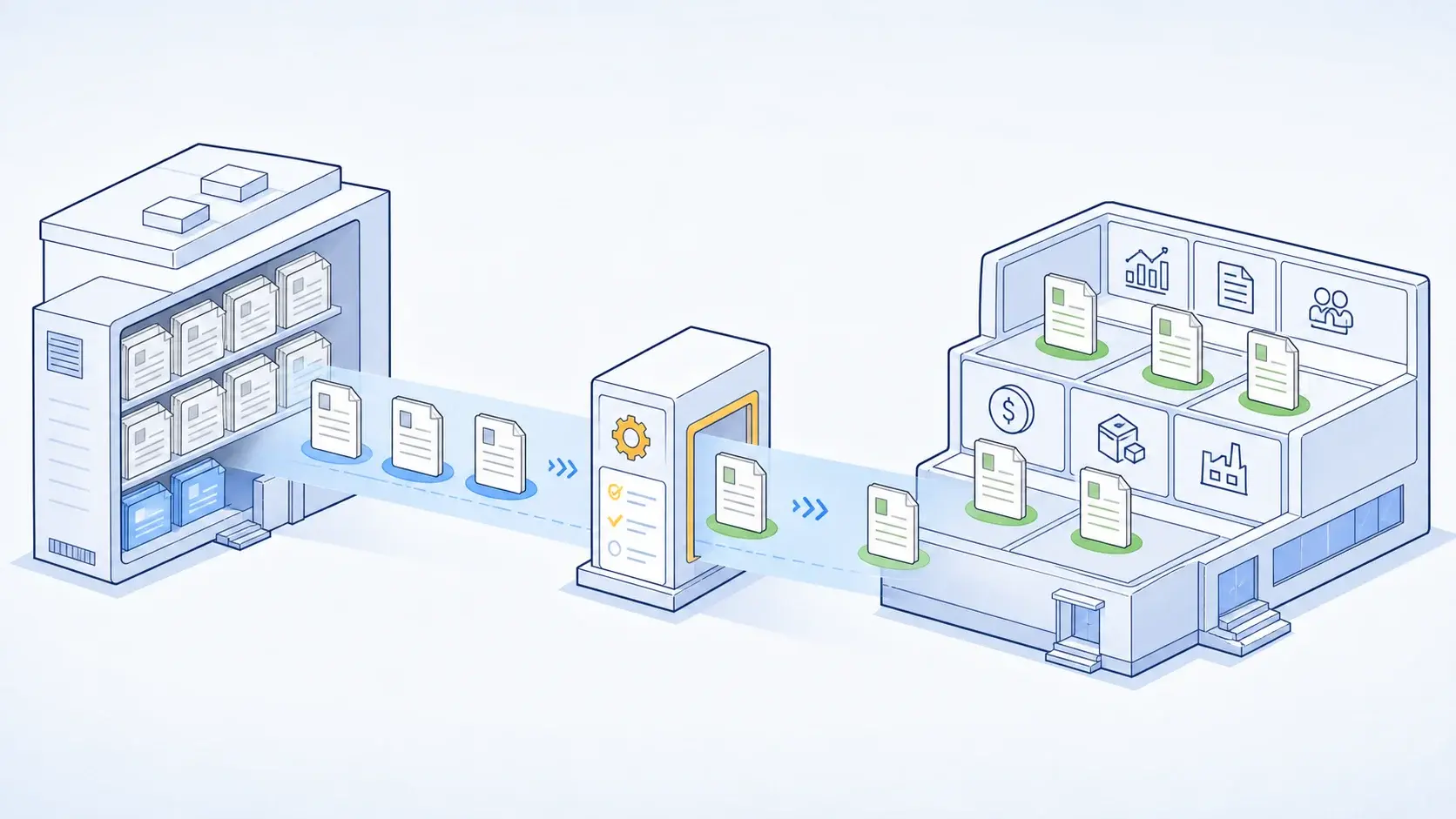
In SAP S/4HANA Finance, all financial transactions - General Ledger, Accounts Payable, Accounts Receivable, Asset Accounting, Material Ledger, and Controlling - are recorded simultaneously into a single, high-performance database table: the Universal Journal (ACDOCA).

Because financial accounting and managerial controlling entries post concurrently in real time, the traditional sub-ledger reconciliation phase is eliminated entirely. Accounting data is perpetually accurate and immediately ready for closing tasks.

2. Automated Journal Entry Management

Manual journal entries represent one of the highest risk areas in financial accounting. SAP close automation streamlines journal management through:

  • Pre-Configured Recurring Postings: Automatically generating recurring accruals, amortizations, and deferrals based on pre-set schedules.
  • Data Validation Engine: Scanning journal requests against predefined business rules (valid cost centers, active GL accounts, currency limits) prior to posting.
  • Automated Approval Workflows: Routing non-standard or high-value manual journal entries through digital approval hierarchies via SAP Build Process Automation or mobile SAP Fiori notifications.

3. Automated Account Reconciliation

Reconciling high-volume general ledger accounts (UK bank accounts, Bacs clearing, credit card transit accounts) manually is extremely labor-intensive. SAP close automation applies intelligent, rule-based matching algorithms:

  • Rule-Based Matching: Matching transactions automatically based on reference numbers, amounts, dates, and organizational parameters.
  • Exception-Based Management: Reconciling 80% to 90% of compliant transactions automatically, isolating only non-matching exceptions for accounting review.
  • Partner Solutions (e.g., BlackLine Integration): For complex multi-ERP environments, SAP integrates seamlessly with specialized account substantiation software like SAP Account Substantiation and Automation by BlackLine.

4. Continuous Intercompany Accounting

Instead of attempting to resolve intercompany variances during the final days of the close, SAP provides continuous intercompany matching:

  • Real-Time Invoice and Transaction Matching: Matching buyer and seller intercompany documents continuously at the transaction level across UK and international entities.
  • Automated Dispute Management: Highlighting price or currency mismatches immediately upon posting, allowing teams to resolve disputes before period-end.
  • Automated Intercompany Eliminations: Executing automated clearing and elimination postings directly within the consolidation core.

5. Automated Closing Task Orchestration

Using SAP Financial Closing Cockpit or SAP S/4HANA Cloud for Advanced Financial Closing, accounting teams build a centralized, template-driven closing plan. The system executes automated background jobs (depreciation runs, FX revaluations, overhead assessments) sequentially, updating task statuses in real time.

6. Real-Time Group Reporting & Consolidation

SAP S/4HANA Finance for Group Reporting executes consolidation directly on top of live transactional data in the Universal Journal. By eliminating external data extraction, transformation, and loading (ETL) steps, consolidated group statements (including matrix eliminations and currency conversions) update dynamically throughout the closing cycle under FRS 102 or IFRS.

7. Instant Analytics & Executive Disclosures

Using SAP Analytics Cloud (SAC), CFOs and Controllers access real-time financial dashboards, dynamic P&L drill-downs, variance analyses, and automated board deck reporting without waiting for offline manual assembly.

UK Statutory & Regulatory Framework Alignment

Automating the financial close on SAP ensures native alignment with UK statutory, tax, and governance requirements:

  • HMRC Making Tax Digital (MTD) for VAT: The automated close environment preserves an unbroken digital trail from transactional source postings through to general ledger balances. SAP Document and Reporting Compliance (DRC) connects natively via APIs to submit digital VAT returns directly to HMRC without manual spreadsheet intervention.
  • Multi-GAAP Accounting (FRS 102 vs. IFRS): UK corporate groups running international subsidiaries often require dual-reporting frameworks. S/4HANA Finance uses parallel ledgers (e.g., Leading Ledger for IFRS, Non-Leading Ledger for UK GAAP / FRS 102) to post valuation adjustments simultaneously during the close.
  • Companies Act 2006 Compliance: Integrated group consolidation in SAP Group Reporting automates statutory disclosures, balance sheet notes, and intercompany elimination schedules required for Companies House annual filings.
  • UK GDPR & Data Residency: Cloud close components deployed on SAP BTP can be hosted in UK hyperscaler data centers (AWS London Region / Microsoft Azure UK South), guaranteeing that financial ledgers and personal data remain strictly within UK legal jurisdiction.

SAP Software Suite for Financial Close Automation

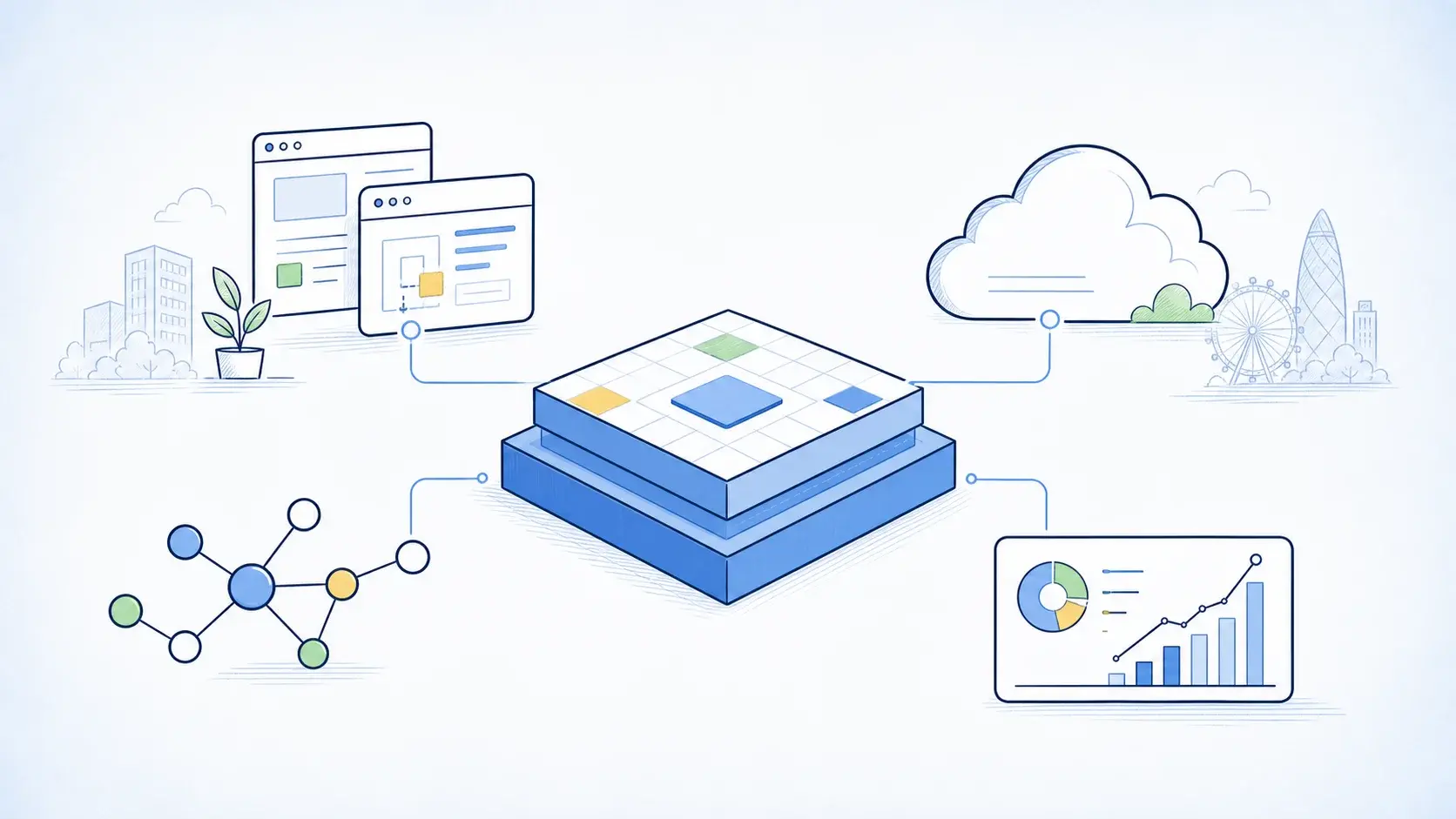
SAP provides an integrated ecosystem of ERP, cloud, and AI-powered solutions designed to automate key month-end closing activities, including journal postings, reconciliations, intercompany processing, consolidation, and financial reporting. The SAP close automation stack combines SAP S/4HANA Finance, SAP Advanced Financial Closing, SAP Group Reporting, SAP Analytics Cloud, SAP Business AI, and SAP Central Finance to create a connected financial close process.

Each component addresses a specific stage of the closing cycle - from maintaining a single financial data source in the Universal Journal (ACDOCA) to automating close tasks, improving reporting accuracy, and supporting UK compliance requirements such as FRS 102, IFRS, and HMRC digital reporting. The table below outlines the core SAP solutions and their role in financial close automation.

SAP Financial Close Automation Stack

Architecture Layer

Core SAP Solution

Key Functional Responsibility

Intelligence Layer

SAP Business AI & Joule Copilot

Anomaly detection, predictive accruals, and conversational close queries.

Orchestration Layer

SAP Advanced Financial Closing

Task dependency modeling, job scheduling, and real-time Gantt tracking.

Consolidation Layer

SAP Group Reporting

Real-time statutory consolidation, eliminations, and FRS 102/IFRS multi-GAAP reporting.

Analytics & Compliance Layer

SAP Analytics Cloud & SAP DRC

Real-time executive dashboards, variance planning, and HMRC MTD API submissions.

Integration Layer

SAP Central Finance

Centralized financial data replication from multi-ERP environments into S/4HANA.

Digital Core Layer

SAP S/4HANA Finance

Universal Journal (ACDOCA) single source of truth and transactional processing.

1. SAP S/4HANA Finance

The foundational digital core. SAP S/4HANA Finance provides native, real-time accounting capabilities within the SAP Fiori Launchpad.

  • Key Capabilities: Universal Journal (ACDOCA) single source of truth, real-time asset accounting depreciation, automated GR/IR clearing, and embedded real-time margin analysis.
  • Primary Use Case: Core transactional and financial accounting engine for single-instance or cloud SAP enterprise implementations.

2. SAP Closing Cockpit and Advanced Financial Closing

SAP S/4HANA Cloud for Advanced Financial Closing (and its predecessor, SAP Financial Closing Cockpit) acts as the central command center for managing, executing, and monitoring all financial closing tasks across an entire organization.

  • Key Capabilities: Task dependency modeling, automated scheduling of background jobs, real-time Gantt-chart monitoring of global close progress, automated email alerts, and centralized audit logging.
  • Primary Use Case: Orchestrating multi-subsidiary, multi-step close schedules with complete task governance and auditability.

3. SAP S/4HANA Finance for Group Reporting

A native financial consolidation solution running directly inside the SAP S/4HANA core database.

  • Key Capabilities: Real-time access to operational GL line items, automated intercompany eliminations, multi-currency translations, goodwill management, and compliant statutory reporting (UK GAAP, FRS 102, IFRS).
  • Primary Use Case: Corporate financial consolidation for multi-entity, multinational corporate groups seeking to eliminate offline consolidation tools.

4. SAP Analytics Cloud (SAC)

SAP Analytics Cloud delivers integrated business intelligence, predictive analytics, and enterprise planning connected directly to SAP ERP data sources.

  • Key Capabilities: Real-time financial dashboards, automated variance analysis (Actual vs. Budget vs. Forecast), predictive close forecasting, and natural language query processing.
  • Primary Use Case: Executive financial reporting, management cockpits, and dynamic scenario modeling for CFOs and finance leaders.

5. SAP Central Finance

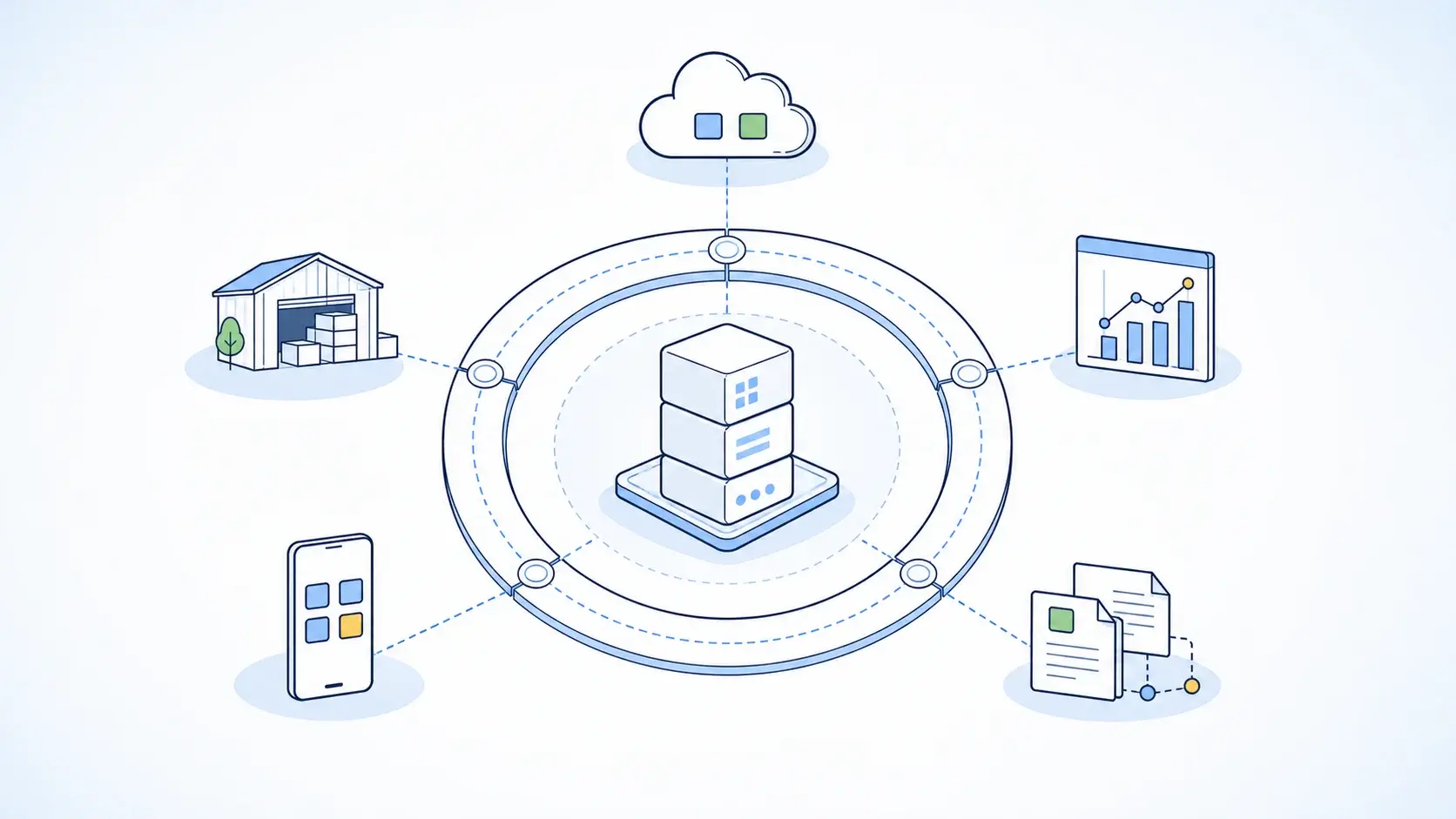
An architectural deployment model where a dedicated SAP S/4HANA instance serves as a centralized financial reporting and closing hub for organizations operating disparate, multi-system ERP landscapes.

  • Key Capabilities: Real-time replication of financial postings from legacy SAP ECC, non-SAP ERPs, and local GLs into a centralized Universal Journal via SAP Landscape Transformation (SLT) replication servers.
  • Primary Use Case: Global enterprises undergoing multi-year cloud transitions or acquiring diverse businesses through M&A activity.

6. SAP Business AI & SAP Joule

Embedded artificial intelligence capabilities that automate complex financial analysis:

  • SAP Business AI: Analyzes historical posting patterns to detect journal anomalies, predicts unbilled accruals, and automates exception matching.
  • SAP Joule: SAP’s generative AI copilot. Controllers can query the close process conversationally (e.g., "Joule, show me all open closing tasks in the UK subsidiary with a high risk of delay" or "Analyze the P&L variance between Q2 actuals and forecast for UK cost centers").

SAP Financial Close Solution Comparison Matrix

SAP provides different solutions for specific financial close requirements - from core accounting and consolidation to workflow automation and real-time analytics. The table below highlights the main capabilities and best-fit scenarios for each solution.

Solution

Deployment

Primary Close Role

Ideal Enterprise Profile

SAP S/4HANA Finance

Cloud / On-Premise

Transactional core & real-time GL ledger (ACDOCA).

All organizations running SAP S/4HANA.

SAP Advanced Financial Closing

SAP BTP (SaaS)

Global task orchestration, dependency tracking, & workflow automation.

Multi-entity corporate groups requiring centralized close management.

SAP Group Reporting

Embedded / Cloud

Native statutory & management consolidation.

Multi-national groups seeking to eliminate offline consolidation software.

SAP Analytics Cloud (SAC)

Cloud (SaaS)

Executive dashboards, variance analysis, & financial modeling.

Finance leadership seeking dynamic, real-time business insights.

SAP Central Finance

Hybrid Architecture

Centralized financial replication & multi-ERP closing hub.

Large enterprises operating multiple disparate legacy ERP systems.

8 Core Business Benefits of SAP Close Automation

Automating month-end closing with SAP helps finance teams improve speed, accuracy, and control while reducing the operational burden of manual processes:

1. Faster Financial Close Cycles

Reduce month-end closing timelines from traditional 10+ day processes to just a few days with automated workflows, real-time data availability, and streamlined approvals.

2. Reduced Reconciliation Effort

SAP S/4HANA Finance and the Universal Journal (ACDOCA) minimize manual reconciliation activities by maintaining a single source of financial data.

3. Improved Audit Readiness

Centralized task tracking, workflow approvals, and complete transaction visibility create a transparent audit trail for internal and external reviews.

4. Higher Accuracy and Better Controls

Automated validations, approval rules, and AI-powered anomaly detection help reduce spreadsheet errors and prevent unauthorized postings.

5. Real-Time Financial Visibility

Finance leaders gain faster access to accurate financial insights, enabling better decision-making without waiting for delayed reporting cycles.

6. Continuous Accounting Approach

By automating repetitive close activities, teams can distribute workloads throughout the period instead of relying on intensive month-end peaks.

7. UK Compliance Support

SAP solutions help enterprises manage regulatory requirements, including UK GAAP, IFRS, FRS 102, and digital reporting processes.

8. Scalable Finance Operations

Standardized processes and cloud-enabled SAP solutions support business growth, new entities, and M&A integration with less operational complexity.

How to Build an Intelligent SAP Close Strategy

A successful SAP close automation initiative requires more than implementing new technology - it starts with analyzing existing finance processes, identifying automation opportunities, and aligning business rules across the organization. A structured transformation roadmap helps enterprises move from manual, spreadsheet-driven closing to a continuous, data-driven financial close model.

The following steps outline the key phases of building an intelligent SAP close strategy, from initial process assessment and automation planning to AI-enabled optimization and continuous improvement.

Roadmap for an Intelligent SAP Close Transformation

Step

Milestone Phase

Core Implementation Activities

Key Success Metrics

1

Process Audit & Task Mapping

Inventory all close activities, identify dependencies, and categorize manual bottlenecks.

Complete baseline inventory of close calendar tasks.

2

Identify High-Volume Candidates

Target reconciliations, accruals, and intercompany clearing for automated execution.

Reduction in manual spreadsheet dependency.

3

Standardize Accounting Rules

Harmonize global Chart of Accounts, cost center hierarchies, and close policies.

Unified global accounting policy across entities.

4

Deploy Task Orchestration

Configure SAP Advanced Financial Closing to automate job execution and status tracking.

Real-time visibility into task completion status.

5

Integrate Analytics & AI

Connect SAP Analytics Cloud and embed SAP Business AI for predictive close insights.

Day-1 executive dashboard availability.

6

Continuous Optimization

Fine-tune task dependencies, eliminate remaining manual handoffs, and monitor KPIs.

Close cycle reduced to under 3 business days.

Step 1: Conduct a Comprehensive Process Audit & Task Mapping

Inventory every activity currently executed during the month-end close across all subsidiaries. Categorize tasks by execution frequency, manual effort required, technical dependencies, and completion ownership.

Step 2: Identify High-Volume Automation Opportunities

Target repetitive, rule-based manual tasks for immediate automation:

  • High-volume UK bank and Bacs clearing account reconciliations.
  • Recurring journal postings and fixed accrual calculations.
  • Intercompany matching and balance reconciliation across GBP, EUR, and USD accounts.
  • Manual financial report formatting and distribution.

Step 3: Standardize Accounting Processes & Master Data

Automation fails when applied to fragmented legacy processes. Standardize your global Chart of Accounts (COA), cost center hierarchies, and financial close schedules across all operating units prior to configuration.

Step 4: Deploy Task Orchestration (SAP Advanced Financial Closing)

Implement SAP S/4HANA Cloud for Advanced Financial Closing to establish a centralized closing template. Define explicit task dependencies, assign clear user roles, and configure automated background job scheduling.

Step 5: Integrate Analytics and AI

Connect SAP Analytics Cloud (SAC) to build live executive dashboards and implement SAP Business AI models to automate exception detection, predictive accruals, and natural language financial queries.

Step 6: Establish Continuous Improvement & KPI Monitoring

Track key close metrics continuously using SAP Fiori analytics dashboards:

  • Total days to complete financial close.
  • Percentage of closing tasks executed automatically without manual intervention.
  • Total number of manual journal entries posted per period.
  • Open intercompany variances remaining at period-end.

Common Challenges in SAP Financial Close Projects

Executing an SAP close automation initiative involves navigating technical, organizational, and operational complexities:

  • Fragmented Legacy Master Data: Inconsistent charts of accounts or vendor/customer master data across legacy systems prevent automated matching. Solution: Execute master data cleansing and harmonize global data structures using SAP Master Data Governance (MDG) prior to close configuration.
  • Heavy Reliance on Custom Z-Programs: Legacy SAP ECC systems often contain custom ABAP scripts that execute closing steps outside standard logic. Solution: Migrate legacy custom code to standard S/4HANA functions or build side-by-side cloud extensions using SAP Business Technology Platform (SAP BTP) to maintain a Clean Core.
  • Organizational Resistance to Change: Accounting staff accustomed to manual Excel spreadsheets may resist adopting automated Fiori workflows. Solution: Establish structured change management programs, deliver intuitive Fiori user training, and demonstrate how automation eliminates repetitive overtime work.
  • Complex Multi-ERP Landscapes: Managing close schedules across disparate SAP and non-SAP systems. Solution: Deploy SAP Central Finance to replicate transactional data into a centralized Universal Journal, providing a single location for global close execution.

Real-World Industry Use Cases

SAP financial close automation can be adapted to the specific requirements of different industries, helping organizations manage complex transactions, regulatory demands, and multi-entity reporting with greater speed and control.

1. Complex Manufacturing

  • Challenge: Manufacturing groups often struggle with complex period-end activities, including inventory valuation, production cost calculations, overhead allocations, and intercompany transactions across multiple plants and legal entities.
  • SAP Solution: SAP S/4HANA Finance provides real-time financial data processing through the Universal Journal, automating cost flows, allocations, and inventory-related postings. Combined with SAP Group Reporting, it enables faster consolidation and automated intercompany eliminations.

2. High-Volume Retail and E-Commerce

  • Challenge: Retail organizations need to process and reconcile thousands or millions of daily transactions from stores, marketplaces, payment providers, and digital channels while maintaining accurate financial reporting.
  • SAP Solution: SAP automation reduces manual reconciliation through automated matching rules, integrated payment processing, and exception-based workflows. Finance teams can focus on resolving discrepancies instead of manually reviewing every transaction.

3. Financial Services and Banking

  • Challenge: Financial institutions face complex closing requirements due to regulatory reporting, multi-currency operations, high transaction volumes, and strict audit controls.
  • SAP Solution: SAP financial solutions provide automated close orchestration, controlled approval workflows, and transparent audit trails. SAP capabilities for FX valuation, consolidation, and reporting help financial organizations meet regulatory requirements while accelerating period-end processes.

Expert Insights: The Shift to Continuous Accounting

"The fundamental mistake enterprise finance teams make is treating month-end close as a 5-day sprint at the end of the month. Modern finance transformation is about adopting a continuous accounting model - where reconciliations, intercompany matching, and validation rules execute continuously every day. When you leverage SAP S/4HANA’s Universal Journal alongside automated closing cockpits, 'Month-End' ceases to be a disruptive event; it simply becomes the final automated check of a process that runs smoothly 365 days a year."

Why Choose LeverX for SAP Finance Transformation

Executing a successful SAP financial close automation program requires an experienced partner that combines deep financial architecture expertise with technical mastery across the SAP landscape.

As an official SAP Gold Partner and Global System Integrator with over 20 years of technical engineering excellence, LeverX helps mid-market and global enterprises automate financial operations, optimize R2R processes, and achieve rapid close cycles.

Core Capabilities of LeverX Finance Delivery

LeverX Pillar

Strategic Focus & Technical Competency

SAP Gold Partner Status

20+ years of SAP delivery experience, helping enterprises implement, optimize, and support complex SAP landscapes.

S/4HANA Finance Mastery

Deep technical knowledge of Universal Journal (ACDOCA), SAP Group Reporting, SAP Analytics Cloud, and automated financial close processes.

UK Regulatory Compliance

SAP solutions configured to support UK finance requirements, including HMRC Making Tax Digital (MTD), Companies Act reporting, and FRS 102 / IFRS accounting standards.

Multi-ERP Integration

Expertise in SAP Central Finance and hybrid architectures to consolidate financial data from multiple ERP environments.

Clean Core Engineering

Development of scalable financial extensions using SAP Business Technology Platform (SAP BTP) while maintaining S/4HANA core stability.

SAP Application Management Services

Ongoing support, optimization, monitoring, and continuous improvement of SAP financial processes after go-live.

The LeverX Service Offering:

  • Finance Architecture and Close Assessment: We evaluate your current close schedules, reconciliation bottlenecks, and system architecture to design a high-ROI close automation blueprint.
  • End-to-End Solution Implementation: Certified SAP Finance consultants deploy and configure SAP S/4HANA Finance, SAP Advanced Financial Closing, SAP Group Reporting, and SAP Analytics Cloud.
  • Central Finance and Multi-ERP Integration: We build real-time financial replication pipelines connecting legacy SAP ECC and third-party ERP systems to a centralized S/4HANA closing core.
  • Clean Core and BTP Extension Engineering: We engineer custom financial extensions, approval workflows, and system connectors on SAP Business Technology Platform (SAP BTP), keeping your ERP core clean and upgrade-ready.
  • Ongoing Optimization and Managed Services (AMS): Post-go-live, our dedicated SAP support teams fine-tune closing templates, optimize background job schedules, and provide 24/7 technical assistance.

Frequently Asked Questions

How can SAP automate month-end closing?

SAP automates month-end closing by recording all transactional data in a single real-time ledger (the Universal Journal ACDOCA), eliminating sub-ledger reconciliations. It automates recurring journal entries, applies rule-based account reconciliation, continuously matches intercompany transactions, and orchestrates background close tasks automatically via SAP Advanced Financial Closing.

What is SAP financial close automation?

SAP financial close automation refers to using integrated SAP software applications (S/4HANA Finance, Advanced Financial Closing, Group Reporting, Business AI) to digitize, schedule, execute, and monitor the record-to-report (R2R) lifecycle with minimal or zero manual human intervention.

How does SAP S/4HANA improve the financial close process?

SAP S/4HANA introduces the Universal Journal (ACDOCA), which combines Financial Accounting (FI) and Controlling (CO) into one table. This eliminates the need for periodic reconciliation runs between general ledgers and sub-ledgers (AP, AR, Asset Accounting, Inventory), enabling real-time financial reporting throughout the month.

What is the SAP Financial Closing Cockpit?

The SAP Financial Closing Cockpit (and its cloud successor, SAP S/4HANA Cloud for Advanced Financial Closing) is a centralized task management application that orchestrates, schedules, and monitors all closing activities across multi-entity enterprise structures with real-time progress dashboards and automated background execution.

How does SAP close automation support UK HMRC Making Tax Digital (MTD)?

Automated close workflows maintain an unbroken digital audit trail from transactional postings to final general ledger balances. SAP Document and Reporting Compliance (DRC) uses these digital records to generate and submit VAT returns directly to HMRC via API without manual spreadsheet processing.

How can companies reduce month-end close cycle time?

Companies reduce close cycle times by standardizing global charts of accounts, automating high-volume account reconciliations, implementing continuous intercompany matching, deploying centralized closing cockpits, and adopting a continuous accounting operational model.

What is intelligent close in SAP?

An intelligent close in SAP leverages artificial intelligence, machine learning (SAP Business AI), and predictive analytics within SAP Analytics Cloud to detect posting anomalies automatically, predict accruals, automate complex exception matching, and provide conversational financial insights via SAP Joule.

What is continuous accounting in SAP?

Continuous accounting is an operational model where routine accounting tasks - such as bank reconciliations, accruals, and intercompany matching - are executed continuously throughout the fiscal period rather than waiting for period-end, flattening the month-end workload spike.

What SAP tools support financial reporting automation?

Financial reporting is automated using SAP Analytics Cloud (SAC) for real-time executive dashboards, SAP S/4HANA Finance for Group Reporting for statutory consolidation (FRS 102 / IFRS), and native SAP Fiori analytical apps embedded directly within the ERP digital core.


Disclaimer: Regulatory requirements, SAP capabilities, and financial close best practices may evolve over time. This article reflects information available at the time of publication and is provided for general guidance only. Organisations should verify current requirements with relevant authorities and SAP specialists before implementation.

https://leverx.com/en-gb/newsroom/sap-month-end-close-automation-uk
Don't miss out on valuable insights and trends from the tech world
Subscribe to our newsletter.

Body-1