Modern logistics operations across the United Kingdom depend on SAP Extended Warehouse Management (EWM) and SAP S/4HANA Logistics to manage warehouse execution, inventory movements, and delivery schedules. However, even the most sophisticated warehouse management system encounters significant operational bottlenecks before physical goods touch a conveyor belt or forklift: unstructured logistics paperwork.
Every day, UK logistics hubs, shared service centers, and warehouse receiving docks handle thousands of supplier delivery notes, paper bills of lading, carrier transport documents, packing lists, and complex customs declarations. Manually reading, verifying, and keying this unstructured data into SAP ERP or EWM systems slows down dock-to-stock times, inflates operating costs, and introduces data entry errors that cascade across the supply chain.
For UK supply chains navigating post-Brexit cross-border mechanics, HMRC Making Tax Digital (MTD), Companies Act 2006 auditing, and UK GDPR data residency standards, manual processing is no longer just slow - it introduces severe compliance risks.
By combining SAP EWM and SAP S/4HANA with SAP Intelligent Document Processing (IDP), SAP Business Technology Platform (SAP BTP), and SAP Business AI, UK enterprise organizations can bridge the gap between physical paper documents and automated digital warehouse execution.
This guide explains how AI-powered logistics document processing automates document-heavy supply chain workflows, enhances SAP EWM performance, ensures UK statutory compliance, and builds a resilient, future-proof logistics architecture.
Executive Summary and Strategic Takeaways
- The Core Architectural Positioning: SAP EWM remains the execution core for warehouse tasks, handling units, and inventory tracking. SAP IDP and SAP BTP serve as the intelligent automation extension layer that eliminates manual document handling around EWM.
- Beyond Traditional OCR: Legacy OCR relies on rigid templates that fail whenever a carrier or supplier updates a layout. SAP IDP uses context-aware machine learning and natural language understanding to extract data from unstructured logistics documents flexibly.
- High-Value Use Cases: Automates inbound delivery note processing, upstream goods receipt preparation, transport document parsing (bills of lading/CMRs), and customs declaration extraction for SAP Global Trade Services (GTS).
- UK Statutory Alignment: Preserves unbroken digital audit trails for HMRC MTD, post-Brexit UK-EU customs requirements, and UK GDPR data residency standards via UK hyperscaler cloud hosting (AWS London / Microsoft Azure UK South).
Ready to Automate Logistics Document Processing Around SAP EWM?
Reduce warehouse inefficiencies, minimize receiving errors, and automate logistics document workflows with LeverX. Our certified SAP EWM, SAP BTP, and AI specialists deliver intelligent automation solutions that improve supply chain visibility and operational performance.
What Is SAP Logistics Document Processing?
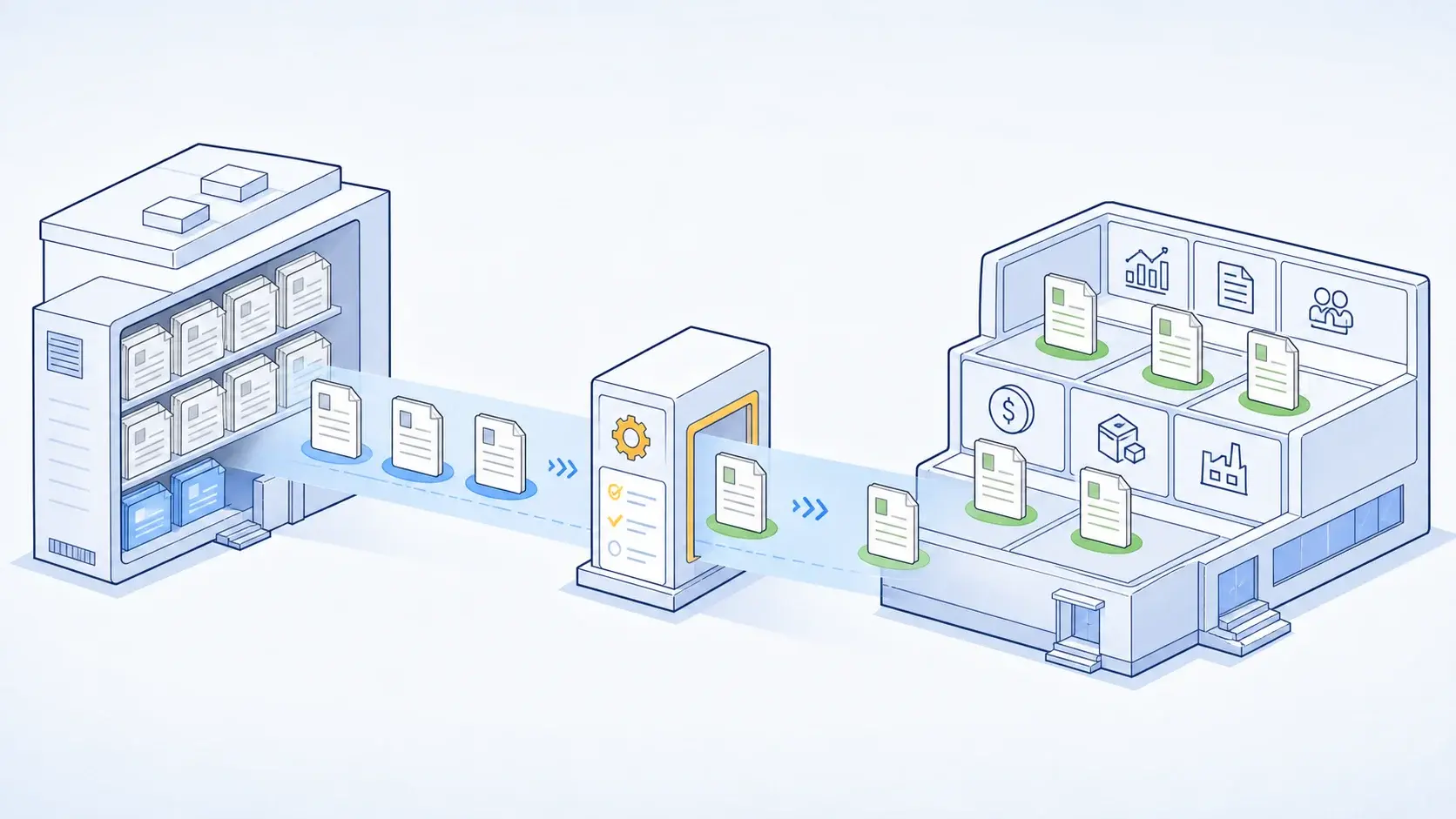
To understand how modern UK supply chains eliminate administrative delays, enterprise leaders must look at how technology bridges physical paperwork and digital core systems. SAP Logistics Document Processing is an enterprise architecture framework that combines AI-based document extraction, machine learning, and low-code workflow orchestration to capture, interpret, validate, and post data from unstructured logistics documents directly into SAP S/4HANA Logistics and SAP EWM.
Crucially, this technology does not replace or duplicate SAP EWM’s native capabilities. Instead, it feeds clean, pre-validated, structured data directly into EWM so warehouse personnel across UK distribution networks can execute goods receipts, wave management, and putaway tasks without spending hours on manual data entry at the receiving dock.
Technology Stack Layering
|
Technology Layer |
Core Component |
Strategic Role in Logistics Automation |
|
Execution Layer |
Executes physical warehouse operations, inventory tracking, storage bin allocations, and handling unit (HU) management. |
|
|
Digital Core Layer |
SAP S/4HANA Logistics |
Manages material master records, purchasing documents (MM), sales orders (SD), and central general ledger postings. |
|
Extension Layer |
Hosts custom automation logic, API orchestration via SAP Integration Suite, and event-driven messaging via BTP Event Mesh. |
|
|
AI Extraction Layer |
SAP Intelligent Document Processing |
Applies machine learning via SAP Document Information Extraction to read unstructured PDF and paper paperwork. |
|
Orchestration Layer |
Manages decision logic, workflow approval routing, and exception handling tasks on mobile SAP Fiori apps. |
|
|
Compliance Layer |
SAP Global Trade Services (GTS) |
Manages cross-border customs declarations, tariff classifications, and international trade compliance. |
Why Manual Logistics Documents Bottleneck SAP EWM
Understanding the technical layer hierarchy highlights a clear operational reality: a warehouse management system is only as fast as the data fed into it. While SAP EWM executes physical warehouse operations with extreme precision, relying on manual paper processing creates severe operational friction right at the receiving perimeter of the distribution center.
When UK logistics hubs depend on human clerks to process physical paperwork, several critical supply chain metrics begin to degrade rapidly:
- Extended Dock-to-Stock Times: Inbound hauliers sit idle at UK receiving bays while warehouse clerks manually verify printed delivery notes against open SAP Purchase Orders (POs) and key line items into the system line by line.
- Human Data Entry Errors: Manual keying of complex material codes, batch numbers, serial numbers, and expiry dates leads to incorrect stock postings, misallocated storage bins, and inventory discrepancies.
- Supplier Discrepancy Friction: Mismatches between what the supplier billed on paper and what was physically delivered require lengthy manual email clarification between warehouse teams, procurement buyers, and vendors.
- Post-Brexit Customs Holds: Cross-border trade movements between the UK and the EU require complex documentation (bills of lading, origin certificates, customs declarations). Manual processing of these forms leads to port holds and costly demurrage charges.
- Lack of End-to-End Visibility: Supply chain directors lack real-time operational visibility into inbound inventory status while paperwork sits unprocessed on receiving desks.
Key Logistics Document Automation Use Cases for UK Enterprises
Removing these perimeter bottlenecks requires targeted AI capabilities tailored to specific supply chain touchpoints. By applying intelligent document extraction to upstream and peripheral logistics workflows, UK organizations can transform document-heavy administrative tasks into seamless, automated data streams across five primary operational areas:
1. Automated Delivery Note Processing
The initial point of friction in any UK warehouse occurs when a shipment arrives and the receiving clerk must verify the supplier's paper or PDF delivery note before offloading goods into storage bins.
Traditional Manual Workflow vs. Intelligent SAP Automation
|
Process Parameter |
Traditional Manual Processing |
AI-Automated SAP Processing |
|
Data Capture |
Clerk manually reads paper delivery note at the receiving dock. |
SAP IDP automatically ingests PDF/scanned delivery note via email or scanner. |
|
PO Verification |
Clerk searches SAP GUI/Fiori manually to match PO lines. |
Machine learning matches supplier details, PO numbers, and line items automatically. |
|
Discrepancy Handling |
Manual paper notes or email chains sent to purchasing. |
Automated workflow flags price/quantity variances and routes tasks to buyers via Fiori. |
|
Inbound Delivery Creation |
Manual creation of Inbound Delivery document in SAP. |
Automated generation of Inbound Delivery in SAP S/4HANA & staging in SAP EWM. |
|
Processing Time |
15 to 30 minutes per shipment. |
Under 2 minutes (Straight-Through Processing). |
Beyond document capture, successful automation requires seamless orchestration between AI extraction, SAP validation, and warehouse execution. The following workflow shows how each stage contributes to a touchless inbound logistics process.
Inbound Delivery Note Execution Stages
|
Stage |
Process Phase |
Operational Action in SAP |
|
1. Ingest |
Document Capture |
Supplier note (PDF/scanned image) received via email or dock scanner. |
|
2. Extract |
AI Processing |
SAP IDP Engine on BTP extracts header details and table line items. |
|
3.Validate |
System Rules Match |
Data validated against SAP S/4HANA PO matching rules and supplier records. |
|
4. Stage |
Document Generation |
Inbound Delivery generated in S/4HANA and staged for warehouse execution. |
|
5.Execute |
Warehouse Task |
SAP EWM executes physical goods receipt, handling unit assignment, and putaway. |
LeverX Advice: Prioritize delivery note automation as a first step toward intelligent warehouse operations. Combining SAP IDP, S/4HANA validation, and SAP EWM execution helps reduce receiving delays, minimize manual errors, and create a scalable foundation for touchless inbound logistics.
2. Intelligent Goods Receipt Preparation
While SAP EWM manages the execution of the physical Goods Receipt (GR), AI-driven automation transforms the critical preparation phase that occurs hours before a delivery vehicle reaches the site.
- Pre-Arrival Staging: As soon as an advance shipping notice (ASN) or digital delivery note is received from a supplier, SAP IDP extracts the line items and prepares the Inbound Delivery document in SAP S/4HANA hours before the lorry arrives at the gate.
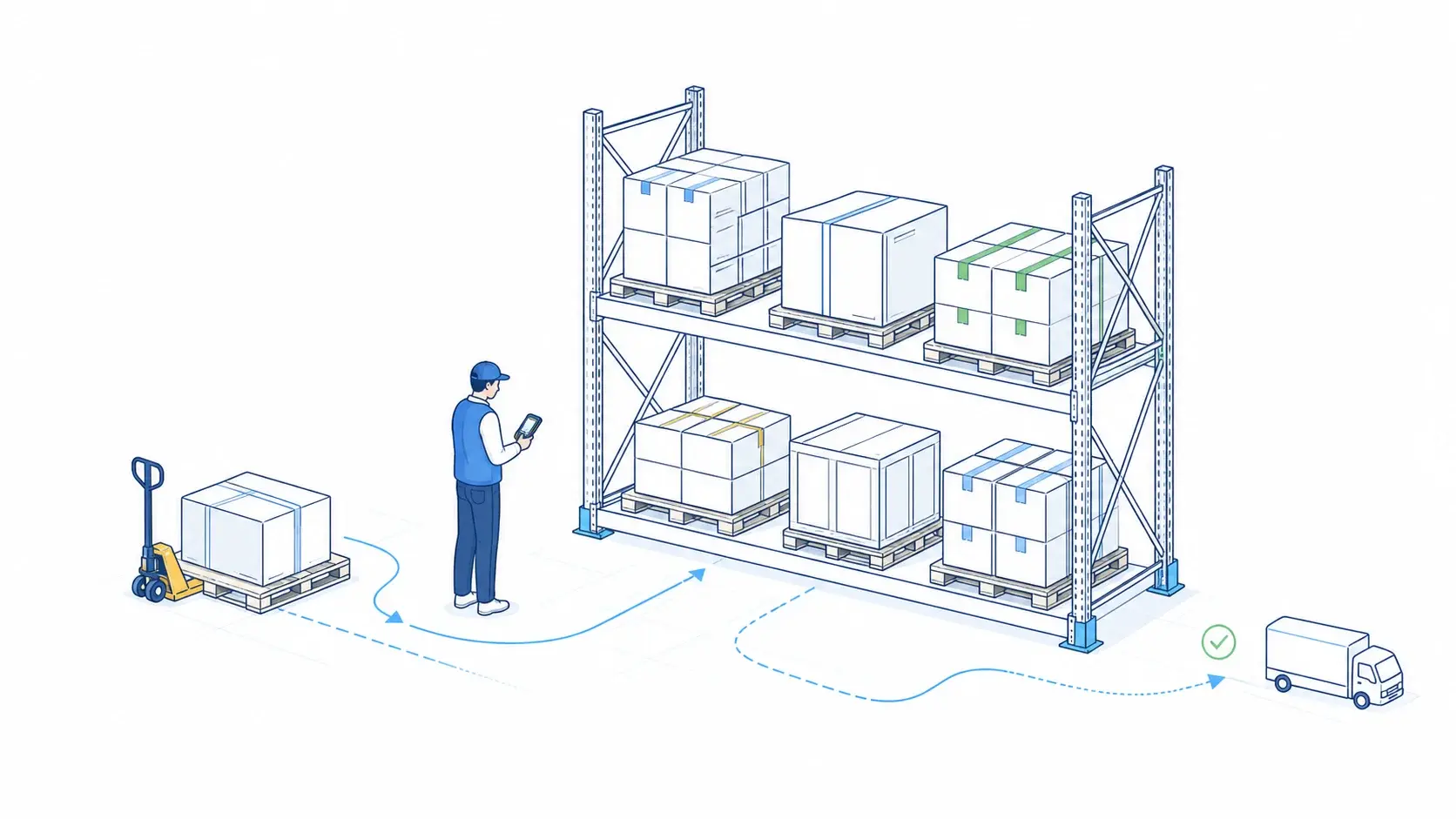
- Handling Unit (HU) Pre-Assignment: Machine learning matches packaging details from the supplier's packing list to pre-assign Handling Units (HUs) and packaging materials in SAP EWM, allowing dock workers to scan barcodes and execute Goods Receipts (MIGO / EWM inbound) instantly upon arrival.
LeverX Advice: Start automation with high-volume inbound suppliers and recurring delivery patterns. Combining SAP IDP with SAP EWM inbound processes helps organizations reduce dock waiting times, improve warehouse throughput, and create a more predictable receiving process.
3. Transport Document Processing (Bills of Lading / CMRs)
Beyond supplier delivery notes, UK logistics operations are flooded with complex transport documentation generated by third-party hauliers, freight forwarders, and Logistics Service Providers (LSPs).
- Automated Data Extraction: SAP IDP parses unstructured transport documents (Bills of Lading, CMR road consignment notes, air waybills) to extract carrier IDs, shipment tracking numbers, vessel/vehicle references, origin/destination locations, total gross weight, and hazardous material indicators.
- Logistics Integration: Extracted transport metadata updates SAP Transportation Management (TM) or S/4HANA shipment records automatically, linking freight execution directly with underlying SAP EWM warehouse tasks.
LeverX Advice: Integrating transport document automation with SAP TM and EWM creates end-to-end shipment visibility. Enterprises can reduce manual freight administration, improve carrier collaboration, and identify logistics exceptions earlier in the delivery cycle.
4. Customs & Cross-Border Document Automation (UK-EU Trade)
For UK international supply chains managing cross-border trade post-Brexit, customs paperwork represents a primary source of border holds and unexpected transit delays.
- Customs Declaration Extraction: Machine learning extracts Commodity Codes (HS Codes), country of origin certificates, EORI numbers, commercial invoice values, and net/gross weights from customs clearance paperwork.
- SAP GTS Integration: The extracted payload feeds directly into SAP Global Trade Services (GTS) or S/4HANA international trade modules, verifying regulatory compliance, calculating duty rates automatically, and clearing customs holds without manual data entry.
LeverX Advice: For UK businesses trading internationally, customs automation should be treated as part of the wider SAP supply chain strategy. Connecting AI document processing with SAP GTS helps improve compliance accuracy, reduce border delays, and maintain a complete digital audit trail.
5. Supplier Document Reconciliation & Quality Matching
Inbound paperwork frequently includes specialized compliance documentation—such as Certificates of Analysis (CoA) in chemical and pharmaceutical manufacturing or technical inspection certificates in aerospace and automotive supply chains.
- Automated Document Matching: SAP IDP extracts batch numbers, inspection values, and compliance parameters from supplier certificates, matching them against Quality Management (QM) inspection lots in SAP S/4HANA.
- Automated Quality Release: If extracted certificate parameters satisfy quality tolerances, the system updates the stock status in SAP EWM from "Quality Inspection" (Q) to "Unrestricted Use" (F) automatically.
LeverX Advice: Automating supplier quality document validation helps manufacturers reduce inspection cycle times while maintaining strict compliance requirements. SAP QM, EWM, and AI-powered document processing together enable faster quality decisions without compromising traceability.
Ready to Automate Logistics Document Processing with SAP?
End-to-End System Architecture and Data Flow
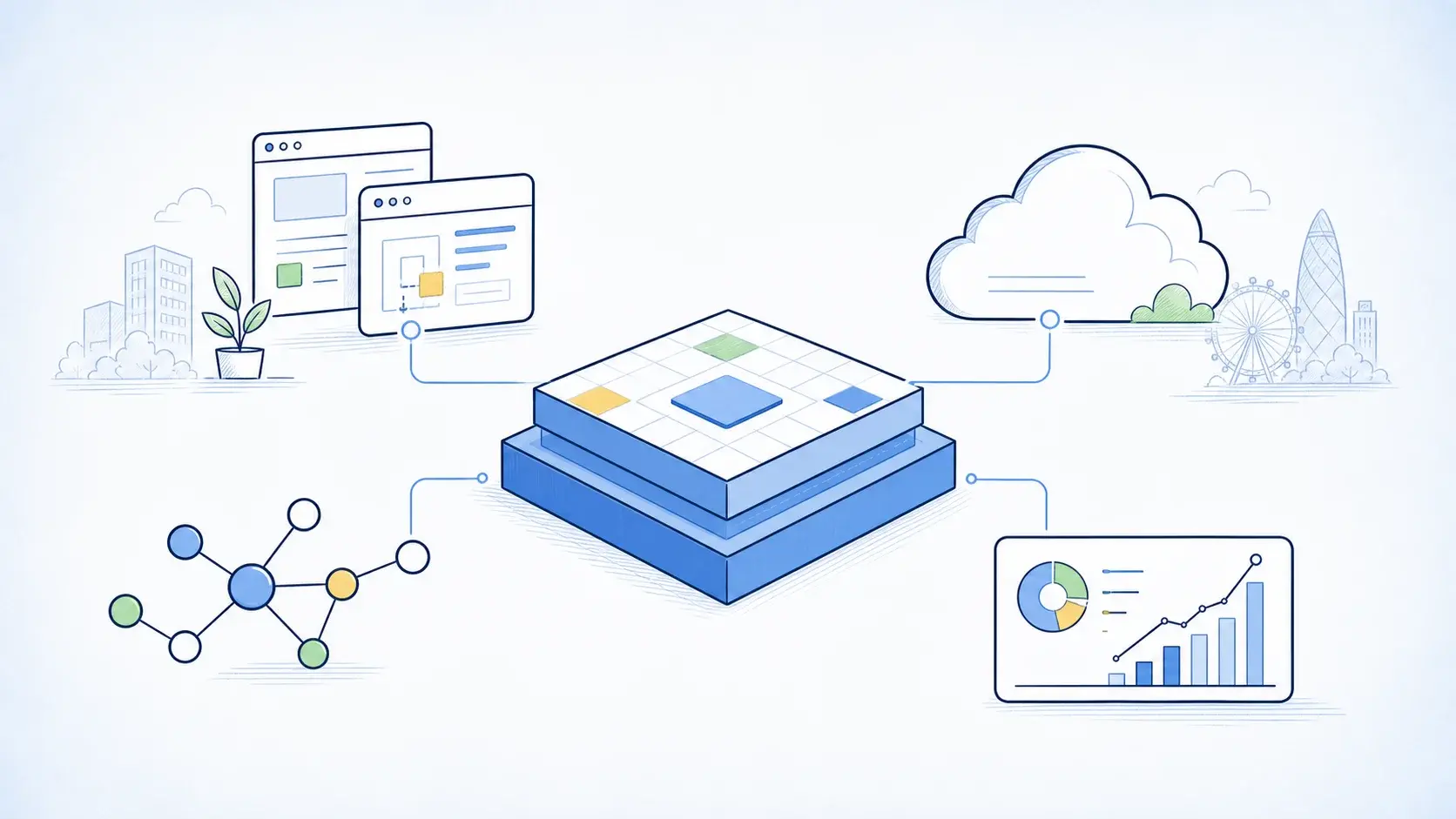
Connecting these diverse document use cases into a cohesive UK supply chain network requires a modern cloud architecture built on sustainability and flexibility. To preserve long-term ERP agility, logistics document automation must adhere strictly to a Clean Core strategy - keeping custom document-parsing logic outside the core ERP database to prevent technical debt.
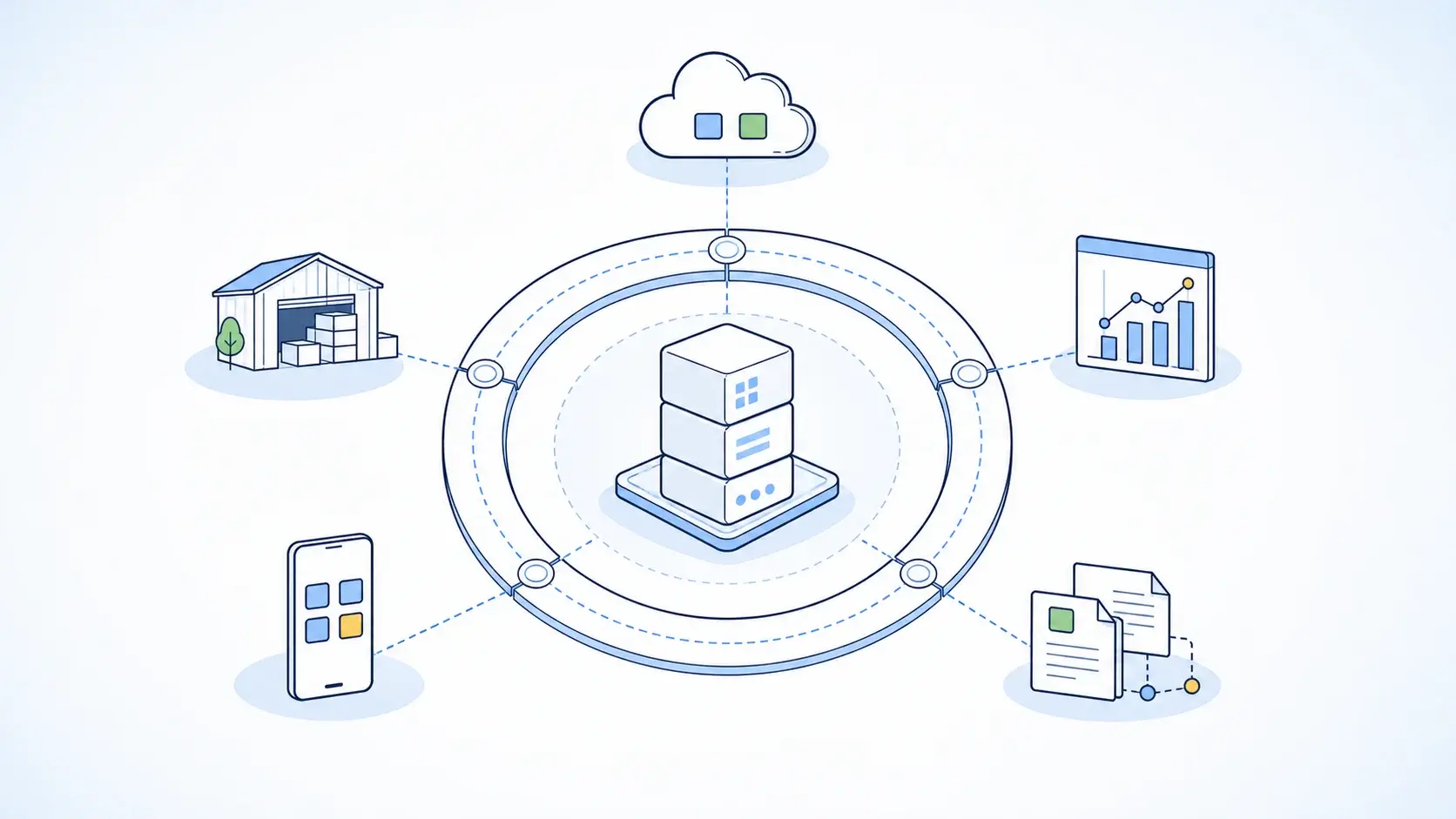
By hosting intelligence on SAP BTP, the system extracts, validates, and routes data seamlessly using standard enterprise APIs:
Architecture Layering and Operational Data Flow
|
Process Sequence |
System Component |
Technical Execution Detail |
|
1. Inbound Ingestion |
Ingests PDF/scanned document from email, SFTP, or scanner. |
|
|
2. AI Extraction |
SAP Document Information Extraction |
Machine learning service on BTP parses header fields & table lines. |
|
3. Validation and Rules |
Applies business rules, matches SAP PO data, and evaluates confidence scores. |
|
|
4. Core Ledger Update |
SAP S/4HANA Digital Core |
Generates or updates Inbound Delivery / PO records via standard OData APIs. |
|
5. Warehouse Execution |
Receives clean inbound staging data; executes Goods Receipt & Putaway tasks. |
|
|
6. Trade and Reporting |
SAP GTS / SAP Analytics Cloud |
Updates international customs filings and surfaces real-time dock analytics. |
Business Benefits of SAP Logistics Document Automation
Translating this cloud-native architecture into daily UK warehouse operations yields immediate, quantifiable improvements across financial, operational, and administrative metrics. When enterprise organizations eliminate manual paperwork handling around SAP EWM, they achieve significant business performance gains:
| Business Impact Area | Manual Paperwork Handling | AI-Automated Logistics Processing |
| Manual Data Entry | High manual effort with clerks entering delivery and transport data line by line. | Up to 80% reduction in manual entry through AI extraction and straight-through processing. |
| Dock-to-Stock Time | Receiving teams spend hours verifying documents before goods can be processed. | Reduced from hours to minutes with pre-staged inbound deliveries in SAP EWM. |
| Receiving Data Accuracy | Manual document handling creates error rates of 2–4% during data entry. | 99%+ extraction accuracy with SAP Intelligent Document Processing and machine learning validation. |
| Warehouse Throughput | Receiving capacity is limited by paperwork checks and manual approvals. | Up to 3x faster vehicle turnaround through automated document validation and inbound preparation. |
| Audit & Compliance | Paper-based records create fragmented visibility and lengthy audit preparation. | 100% digital audit trail connected to SAP transactions for improved traceability and governance. |
UK Statutory and Regulatory Alignment
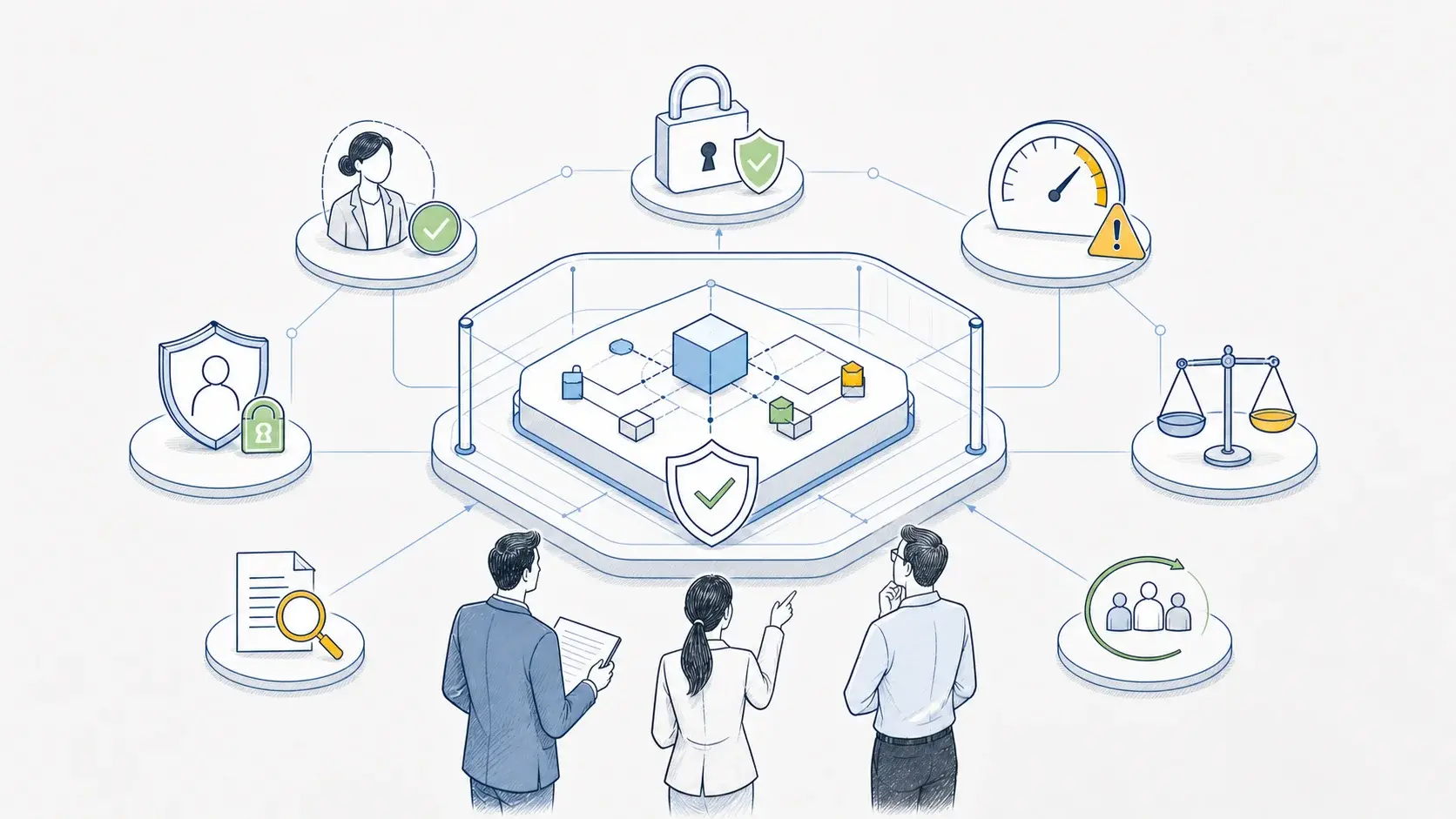
Beyond operational speed, enterprise supply chains operating in the UK must maintain strict compliance with local statutory, tax, and legal frameworks. Automated logistics document processing embeds regulatory controls directly into the data extraction pipeline:
- HMRC MTD and Import VAT: Digital document ingestion creates an unbroken electronic audit trail from inbound commercial invoices to financial ledgers, feeding directly into SAP Document and Reporting Compliance (DRC) for HMRC MTD reporting.
- Post-Brexit UK-EU Customs Controls: Automated extraction of HS codes, origin details, and UK EORI numbers simplifies safety and security declarations, reducing Dover, Holyhead, and airport clearance delays.
- UK GDPR Data Residency: Cloud extraction services running on SAP BTP can be deployed directly in UK hyperscaler data centers (AWS London Region / Microsoft Azure UK South Region), guaranteeing that personal, supplier, and operational data remains within UK jurisdiction.
- Supply Chain Audit Readiness: By replacing paper-based records and disconnected email workflows with structured digital documents, organizations gain real-time visibility into inbound logistics activities. Every extraction, validation step, approval, and SAP transaction can be tracked, supporting internal audits, supplier reviews, and regulatory inspections.
LeverX Advice: Compliance should be treated as a built-in capability rather than a separate control layer. When logistics document automation is designed around SAP Clean Core principles, organizations can improve operational speed while maintaining traceability, governance, and readiness for future regulatory changes.
Implementation Roadmap and Best Practices
Achieving these compliance and productivity outcomes requires a structured deployment methodology that minimizes risk and prevents operational disruption at distribution centers. Enterprise technology leaders should follow a phased implementation framework designed around warehouse operational priorities:
5-Step Implementation Roadmap
|
Step |
Milestone Phase |
Core Implementation Activities |
Key Success Metrics |
|
1 |
High-Volume Document Audit |
Audit receiving dock workflows, sample supplier notes, and identify key bottlenecks. |
Target document flows identified for automation. |
|
2 |
Architecture Definition |
Define SAP BTP footprint, select Peppol/EDI channels, and establish Clean Core logic. |
Approved cloud architecture & security model. |
|
3 |
Configure AI Models & Rules |
Train extraction models, configure PO matching rules, and set up Fiori workflows. |
High baseline extraction confidence scores. |
|
4 |
Pilot Test at Key UK Hub |
Deploy solution at a single distribution center to validate dock-to-stock metrics. |
80%+ reduction in receiving dock processing time. |
|
5 |
Full Warehouse Rollout |
Scale solution across remaining logistics hubs and refine continuous AI learning. |
Enterprise-wide touchless document processing. |
Strategic Implementation Principles:
- Target High-Volume Document Flows First: Begin by automating supplier delivery notes and inbound shipping documents, where transaction volume and manual labor expenditure are highest.
- Keep SAP EWM as the Execution Core: Do not attempt to move warehouse task management or inventory tracking into external automation tools. Keep EWM focused on physical execution, using SAP BTP solely to eliminate upstream document bottlenecks.
- Establish Human-in-the-Loop Governance: Configure automated confidence scoring. Compliant documents stream straight through to SAP S/4HANA, while low-confidence exceptions route to warehouse leads via intuitive SAP Fiori validation screens.
- Cleanse Master Data Early: AI extraction tools rely on accurate database records to match extracted text against system records. Cleanse supplier master data, purchasing info records, and material aliases prior to go-live.
LeverX Expert Strategic Advice
Do not replace or bypass SAP EWM with third-party, niche warehouse automation software.
Niche point solutions often promise quick fixes for document scanning, but they create disconnected data silos, require fragile custom interfaces, and break during core ERP upgrades.
The optimal enterprise architecture uses SAP Intelligent Document Processing and SAP BTP as an extension layer to remove manual document bottlenecks around EWM, while keeping core warehouse execution, inventory accounting, and task management safely inside the unmodified SAP digital core (Clean Core Strategy).
Why Choose LeverX for SAP Logistics Transformation in the UK
Executing a successful logistics document automation initiative requires a partner that combines deep expertise in SAP EWM, SAP S/4HANA Logistics, SAP BTP, and artificial intelligence services.
As an official SAP Gold Partner and Global System Integrator with over 20 years of technical engineering excellence, LeverX helps UK and global enterprises design, implement, and maintain integrated SAP supply chain landscapes.
Key Capabilities of LeverX Delivery
|
LeverX Competency Pillar |
Technical Scope & Enterprise Value |
|
SAP Gold Partner Status |
20+ years of SAP delivery expertise supporting enterprise transformation programs worldwide. |
|
Fortune 500 Enterprise Experience |
Proven track record delivering SAP transformation programs for global enterprises, including complex multi-country SAP landscapes and mission-critical supply chain operations. |
|
SAP SCM Center of Excellence |
Advanced expertise across SAP EWM, S/4HANA Logistics, SAP TM, and SAP GTS, delivering end-to-end supply chain transformation, warehouse optimization, and intelligent logistics integration. |
|
UK Compliance Expertise |
Supporting HMRC MTD, UK GDPR, Companies House, and UK-EU customs compliance requirements. |
|
SAP BTP and AI Automation |
Expertise in SAP IDP, SAP Build Process Automation, AI services, and intelligent document workflows. |
|
Clean Core Architecture |
Building scalable side-by-side BTP extensions while keeping the SAP ERP core upgrade-ready. |
|
Managed Application Services (AMS) |
Continuous optimization with 24/7 monitoring, AI model tuning, and SAP landscape support. |
The LeverX Service Offering:
- Logistics and EWM Architecture Audit: We analyze your receiving dock operations, inbound document channels, and SAP EWM setup to design a high-ROI document automation blueprint.
- End-to-End Solution Implementation: Certified SAP consultants deploy and configure SAP Document Information Extraction, SAP Build Process Automation, and SAP Integration Suite, connected natively to SAP S/4HANA and SAP EWM.
- Clean Core and Custom Integration Engineering: We engineer custom integration flows (iFlows) on SAP BTP to connect carrier portals, EDI networks, and hardware scanners without modifying standard ERP code.
- Change Management and Dock Enablement: We deliver pragmatic training for warehouse leads, receiving clerks, and procurement buyers to maximize straight-through processing rates.
- Ongoing Managed Services and AI Optimization (AMS): Post-go-live, our support teams monitor extraction accuracy metrics, fine-tune machine learning confidence thresholds, and provide 24/7 technical assistance.
Frequently Asked Questions
What is SAP Logistics Document Processing?
SAP Logistics Document Processing is an AI-powered automation solution that uses machine learning (SAP Document Information Extraction on SAP BTP) to capture, extract, validate, and post data from unstructured logistics paperwork (delivery notes, bills of lading, customs forms) directly into SAP S/4HANA and SAP EWM without manual data entry.
Does SAP EWM already handle document processing?
SAP EWM handles the execution of warehouse operations (inbound/outbound delivery processing, warehouse tasks, putaway, handling units). However, it requires structured data inputs. SAP Logistics Document Processing automates the upstream extraction of unstructured paper or PDF paperwork into structured data that EWM can process automatically.
What types of logistics documents can be automated with SAP AI?
SAP IDP can automate virtually any unstructured or semi-structured logistics document, including supplier delivery notes, packing lists, advance shipping notices (ASNs), bills of lading (BoL), CMR road consignment notes, carrier freight invoices, and customs clearance declarations.
How does SAP logistics document automation improve dock-to-stock time?
By extracting delivery details from supplier documents automatically prior to or upon truck arrival, the system pre-stages Inbound Deliveries and pre-assigns Handling Units (HUs) in SAP EWM. Warehouse staff simply scan barcodes and execute Goods Receipts instantly, reducing receiving dock processing times from 30 minutes down to under 2 minutes per shipment.
Does SAP logistics document processing support UK HMRC and post-Brexit trade compliance?
Yes. Automated extraction of Commodity Codes (HS Codes), origin details, and commercial values feeds directly into SAP Global Trade Services (GTS) or SAP Document and Reporting Compliance (DRC), maintaining unbroken digital audit trails compliant with HMRC Making Tax Digital (MTD) and UK customs mandates.
Can SAP IDP process non-standard or unfamiliar supplier document layouts?
Yes. Unlike traditional OCR tools that rely on rigid, coordinate-based templates that fail when a layout changes, SAP IDP uses context-aware machine learning models to identify header fields and multi-page line-item tables flexibly from unfamiliar layouts without requiring template setup.
How does SAP logistics automation support a Clean Core strategy?
All document extraction models, business rules, and workflow integrations run externally on SAP Business Technology Platform (SAP BTP). The system interacts with SAP S/4HANA and SAP EWM strictly via standard OData APIs and event meshes, keeping the underlying ERP core unmodified and easy to upgrade.
Disclaimer: This content is provided for informational purposes only and does not constitute legal, tax, or compliance advice. SAP automation solutions should be tailored to each organization's specific systems, processes, and regulatory requirements.